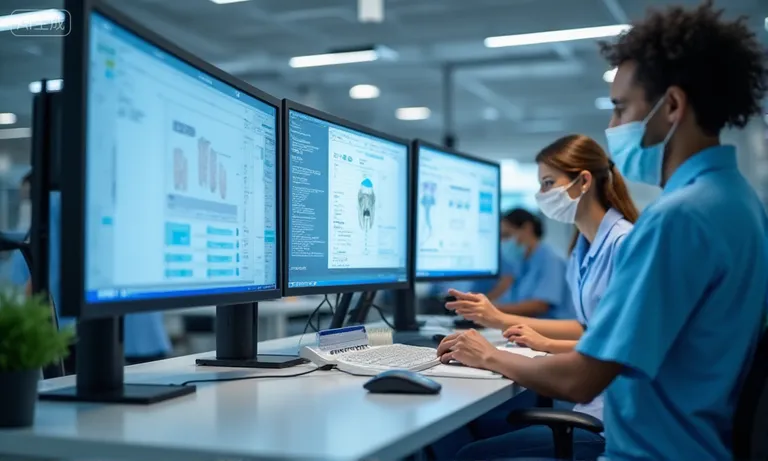
Partnering with a 3D printing dental lab offers clinics more than immediate cost savings—it creates a foundation for sustainable growth and long-term success. By combining scalability, standardization, and advanced digital integration, this collaboration helps clinics reduce operational risks, secure reliable quality, and build strategic resilience.
Key areas where clinics gain lasting value include:
For clinics planning their digital future, a trusted 3D printing lab partner provides more than technical support—it delivers strategic alignment with the direction of modern dentistry, enabling practices to strengthen patient care, safeguard operations, and maintain a competitive edge over time.
For DSOs and group practices, growth brings a new challenge: how to handle rising case volumes without compromising quality or overloading staff. Scalability is essential because clinics must be able to expand crown, bridge, and implant production smoothly while ensuring predictable results for every patient. A digital-first 3D printing lab provides the infrastructure and standardization to make this growth sustainable.
Large organizations deal with thousands of units each month across multiple locations. Without scalable lab support, they risk bottlenecks, inconsistent outcomes, and rising remake rates. Scalable labs ensure that as volume increases, output remains reliable, allowing DSOs to expand patient coverage without worrying about uneven lab performance.
Digital production scales differently from traditional workflows:
This means clinics can increase throughput while maintaining the same clinical standards that patients expect.
Full-arch restorations demand high coordination and precision. A standardized 3D printing workflow ensures every stage—from intraoral scan to provisional and final prosthetics—is aligned across sites. For example, a multi-location DSO in Australia reduced inter-office variability by consolidating its crown and implant work with a single global dental lab using uniform digital protocols. The result was more predictable outcomes and fewer delays in delivering complex cases.
Scalability is not only about capacity; it is about maintaining consistency while growing. By partnering with an overseas dental lab like Raytops Dental Lab, clinics can manage rising case volumes confidently, knowing that standardized digital workflows and parallel production capacity will support both growth and quality.
In restorative dentistry, clinics cannot afford variability. What builds long-term trust between clinics and labs is not only technology, but a foundation of standardized processes and regulatory compliance. A 3D printing lab that operates with consistent digital workflows and recognized certifications provides clinics with predictability, lowers operational risk, and strengthens sustainable partnerships.
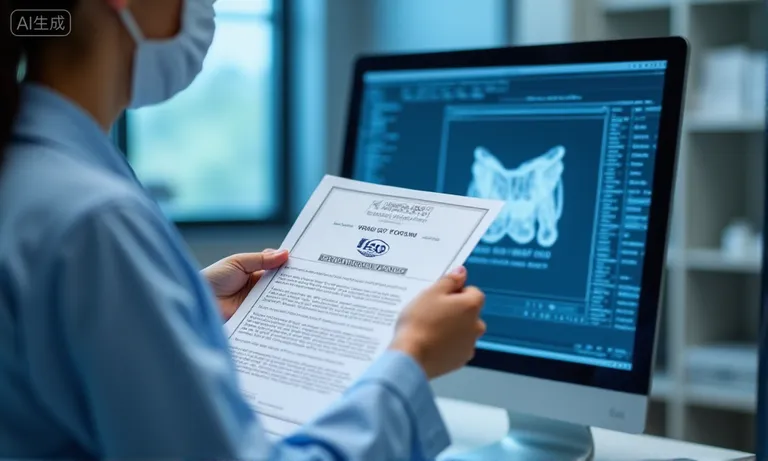
Digital workflows replace technician-dependent steps with automated precision. In crowns, dentures, and implant-supported restorations, intraoral scans feed directly into CAD/CAM systems, ensuring design consistency. This predictability means less variation between cases, regardless of technician or site, and reduces the risk of errors that compromise fit or esthetics.
Multi-location DSOs face the challenge of aligning protocols across different offices. Without a standardized lab partner, one site may experience delays or quality deviations compared to another. Standardized production protocols reduce these risks by:
For DSOs managing hundreds of cases weekly, this uniformity creates measurable operational stability.
| Criteria | Non-Compliant Lab | ISO/FDA-Compliant Lab |
|---|---|---|
| Material Source | Unverified | Documented, validated suppliers |
| Quality Process | Technician-dependent | Standardized with regular audits |
| Legal Exposure | Higher claim risk | Lower liability with compliance |
| Patient Confidence | Limited assurance | Reinforced trust in outcomes |
ISO and FDA compliance go beyond paperwork. They ensure that every crown, denture, or implant restoration is manufactured with traceable materials and audited processes. For procurement managers, this compliance translates into confidence that their long-term lab partner is both reliable and legally sound.
Sustainable partnerships are built on predictability and assurance. By working with a global dental lab like Raytops Dental Lab, clinics benefit from digital workflow standardization and recognized compliance, turning collaboration into a stable and future-proof foundation.
In dentistry, short-term outsourcing may solve immediate production needs, but it introduces long-term risks that compromise clinical and business stability. A strategic partnership with a 3D printing lab minimizes these risks by providing consistent quality, integrated workflows, and resilient supply support.
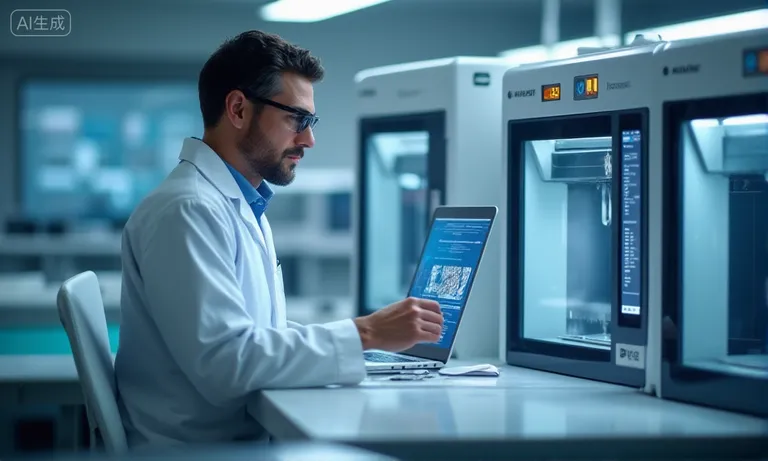
Short-term outsourcing often results in uneven case quality and unpredictable timelines. For high-demand prosthetics like full-arch restorations, outsourcing to unfamiliar labs can lead to communication delays, variable material sourcing, and inconsistent outcomes. These risks erode patient trust and create higher costs when remakes or chairside adjustments are required.
Digital integration reduces risks that accumulate silently in clinic operations:
Each of these improvements lowers the hidden costs that clinics face when working with labs lacking advanced integration.
Global healthcare supply chains remain vulnerable to disruptions, from shipping delays to raw material shortages. Clinics that depend on ad hoc lab arrangements risk case delays and operational breakdowns when disruptions occur. Long-term partnerships with 3D printing labs offer supply chain resilience, as standardized workflows and stable material procurement protect clinics from sudden interruptions.
Risk management in dentistry goes beyond avoiding single-case failures—it is about creating structural stability across the entire practice. By working with an overseas dental lab like Raytops Dental Lab, clinics reduce uncertainty and gain the assurance that their restorative work can withstand both short-term fluctuations and long-term challenges.
Competition in dentistry is no longer only about patient volume—it is about the ability to offer advanced, differentiated services. Clinics that partner with a 3D printing lab gain access to tools and workflows that enhance their reputation, expand their service range, and align them with the future of digital dentistry.
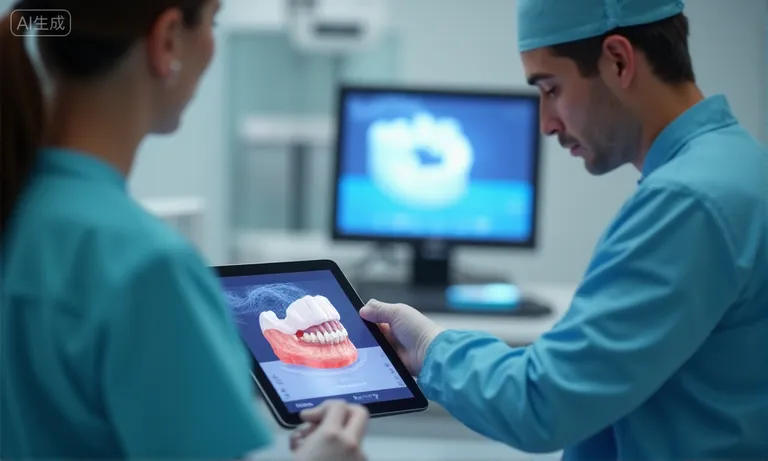
By adding advanced appliances to their services, clinics demonstrate both technical capability and commitment to precision.
This visibility strengthens a clinic’s brand and builds professional credibility in competitive markets.
Customization ensures that each restoration is uniquely adapted to the patient’s oral environment. Unlike traditional methods that rely on standard components, 3D printing enables precise adaptation to bone density, gingival contours, and esthetic demands. Clinics offering this level of personalization differentiate themselves by delivering outcomes that are both functional and esthetically superior. Over time, this reputation for individualized care becomes a competitive asset.
These capabilities align clinics with the ongoing evolution of digital dentistry, positioning them ahead of competitors that still depend on conventional workflows.
Competitive advantage comes from being both reliable today and prepared for tomorrow. By collaborating with an overseas dental lab like Raytops Dental Lab, clinics not only expand their service range but also secure a position at the forefront of digital innovation in restorative dentistry.
For many clinics, outsourcing seems like a quick solution when case volumes spike. Yet short-term outsourcing often hides costs that weaken clinic efficiency and reliability. In contrast, long-term partnerships with a trusted 3D printing lab deliver stability, predictability, and strategic value that grow stronger over time.
Frequent lab changes disrupt continuity and introduce invisible costs:
Over time, these costs exceed the perceived savings of outsourcing on a case-by-case basis.
When clinics work with the same lab repeatedly, both sides develop shared protocols. Staff no longer need to re-explain requirements or adapt to new lab procedures. This familiarity lowers training overhead, reduces communication errors, and stabilizes staff workloads. For clinics already managing multiple sites, this continuity creates operational relief and frees resources for patient care.
These long-term benefits allow clinics to plan confidently, knowing their lab partner will sustain quality and delivery over the years ahead.
Long-term partnerships compound their value. By working with a global dental lab like Raytops Dental Lab, clinics shift from reactive outsourcing to strategic collaboration—reducing hidden costs, stabilizing workflows, and enabling growth that is both sustainable and predictable.
Short-term outsourcing may fill immediate needs, but it rarely builds sustainable value. Clinics that choose long-term partnerships with a 3D printing dental lab gain scalable capacity, standardized quality, risk resilience, and competitive differentiation. These advantages extend beyond technology—they shape how clinics plan, grow, and deliver patient care. By working with an overseas dental lab that combines digital expertise with compliance assurance, clinics create a foundation for predictable outcomes and strategic growth. The real value lies not in temporary fixes, but in trusted collaboration that strengthens case reliability year after year.