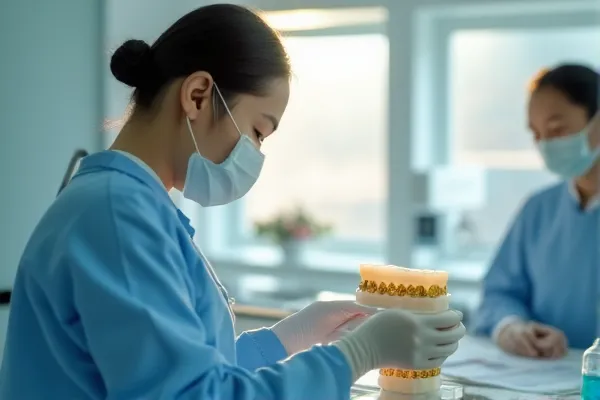
Durability concerns often arise when restoring posterior teeth exposed to heavy chewing forces. These challenges intensify when patients demand long-lasting restorations that won’t compromise healthy enamel or trigger allergic reactions. Gold crowns offer a proven solution—delivering unmatched strength, biocompatibility, and conservative prep that supports long-term clinical performance across a wide range of indications, especially when fabricated by a skilled dental lab focused on posterior reliability.
Gold crowns are dental restorations made from high-karat gold alloys, valued for their durability, biocompatibility, and minimal impact on opposing teeth. Designed primarily for posterior use, they offer superior longevity, reduced fracture risk, and excellent marginal integrity, making them a reliable choice for high-stress cases where function and fit are critical.
What Benefits Do Gold Crowns Offer for Long-Lasting Dental Restorations?
Gold crowns have long been recognized as a benchmark for durability and clinical reliability in restorative dentistry. When used in the right cases and fabricated by experienced labs, they offer a combination of mechanical strength, biocompatibility, and long-term performance that few other materials can match.
Gold-crown-longevity-clinical-benefits
Why Are Gold Crowns Effective for High-Stress Restorations?
Gold crowns excel in areas subjected to constant biting and grinding forces—like molars and bruxism cases.
Superior load-bearing capability: Gold’s malleability allows it to absorb occlusal stress without cracking or chipping.
Minimal wear to opposing dentition: Unlike ceramics, gold gently adapts to contact surfaces, preserving natural enamel.
Longer restoration lifespan: Gold crowns placed under high stress routinely exceed 15–20 years of service with minimal intervention.
How Does the Biocompatibility of Gold Crowns Support Oral Health?
Biocompatibility plays a major role in patient comfort and restoration stability over time.
Low allergenic potential: High-karat gold alloys rarely cause tissue reactions, making them ideal for patients with metal sensitivities.
Excellent tissue response: Gold crowns show minimal plaque accumulation and inflammation at margins.
Stable in oral environment: Unlike some base metal crowns, gold alloys resist corrosion and ion leakage, maintaining long-term safety.
What Aesthetic Factors Should Be Considered When Using Gold Crowns?
While not tooth-colored, gold crowns still offer aesthetic advantages in the right context.
Ideal for posterior placement: In molars and second premolars, gold crowns are rarely visible during speech or smiling.
Less prep, more conservation: Minimal tooth reduction preserves native structure—an increasingly valued aesthetic factor.
Polished finish reduces visibility: When well-finished, gold crowns reflect light subtly and can blend surprisingly well with surrounding teeth under occlusion.
Gold crowns offer a proven solution where strength, safety, and longevity matter most. To see how our lab helps clinics balance these benefits across different case types, request gold crown case examples from our team.
How Do Gold Crowns Perform Compared to Other Crown Materials?
When choosing a crown material, it’s not just about appearance—performance under pressure, wear resistance, and long-term stability are equally critical. Gold crowns remain a top choice for clinical situations where function and longevity take priority over aesthetics.
Gold-vs-porcelain-crown-performance-comparison
Why Are Gold Crowns Preferred for Molars and Posterior Restorations?
Posterior restorations require strength, fit, and minimal maintenance—areas where gold consistently delivers.
Better occlusal adaptation: Gold’s ductility allows for highly accurate fit on molars where precision is critical.
Less aggressive prep: Gold crowns require less tooth structure removal than ceramics, preserving enamel.
Reduced fracture risk: Molars endure high loads; gold’s resistance to brittle failure makes it ideal in these zones.
How Does the Strength of Gold Crowns Compare to Porcelain or Resin?
Property
Gold Crowns
Porcelain Crowns
Resin Crowns
Flexural strength
High (ductile under pressure)
High (but brittle under tension)
Moderate
Chipping/fracture rate
Very low
Moderate to high (edge fracture)
High (wears faster)
Preparation thickness
0.5–1.0 mm
1.2–2.0 mm
1.0–1.5 mm
Longevity (clinical)
15–20+ years
10–15 years
5–8 years
Wear on opposing teeth
Low
High
Low to moderate
How Do Gold Crowns Resist Wear and Tear Over Time?
Stable under thermal cycling: Gold resists expansion/contraction fatigue in hot–cold oral conditions.
Excellent margin integrity: Even decades later, well-fitted gold margins remain sealed and intact.
Minimal occlusal degradation: Gold doesn’t chip or crack with repeated mastication, even in heavy bruxers.
No internal microfractures: Unlike some ceramics, gold does not propagate stress cracks under loading.
✅ Gold crowns outperform resin and porcelain in high-stress zones – TRUE Gold’s mechanical properties and minimal failure rates make it ideal for posterior use, particularly in molars.
❌ All modern crowns perform the same—material doesn’t matter – FALSE Material choice directly affects restoration longevity, fit accuracy, and biological response. Gold remains unmatched in certain posterior indications.
What Should Be Considered Aesthetically When Using Gold Crowns?
While gold crowns are known for their strength and durability, aesthetics remain an important part of the restorative conversation—especially when patients are concerned about visibility or smile zone treatments. Understanding how to balance function with visual appeal can improve case acceptance and satisfaction.
Aesthetic-considerations-gold-crowns
How Can You Balance Aesthetics and Functionality Using Gold Crowns?
Case selection: Use gold crowns primarily in posterior zones where visibility is minimal.
Hybrid designs: In specific cases, gold crowns can incorporate ceramic facings or occlusal-only gold for balance.
Tooth preservation: Gold’s conservative prep allows for better gingival profiles, which indirectly enhances the smile line.
Communication: Explaining longevity and cost-effectiveness often shifts the patient’s focus away from color.
What Do Patients Prefer for Visible Restorations: Gold or Alternatives?
Front teeth bias: Patients typically prefer tooth-colored crowns (e.g., zirconia, E.max) in the anterior region.
Cultural preferences: In some demographics, visible gold is perceived as a sign of status or strength.
Age and lifestyle factors: Older patients or those with prior gold restorations may prioritize performance over appearance.
Insight: When presented as a functional solution, many patients accept gold for posterior restorations—even if they initially request esthetics.
How Have Gold Crown Designs Improved for Aesthetic Outcomes?
Reduced metal thickness: Modern casting and milling allow more delicate contours that blend better with natural tooth shape.
Polished finish: High-luster polishing reduces visual contrast under soft lighting and occlusion.
Selective visibility: Lingual and occlusal-only designs minimize frontal visibility while preserving gold’s benefits.
Gold crowns no longer mean a trade-off between function and form. To see how our lab delivers aesthetic-forward gold restorations, request design samples tailored to your patient needs.
How Can You Choose the Right Crown Material for Each Patient Case?
No single crown material is right for every case. Whether you’re restoring a molar, incisor, or premolar, material choice should be based on clinical demands, patient expectations, and long-term performance. Gold crowns remain a top contender—but selecting the right option means weighing key factors.
Crown-material-selection-consultation
What Factors Matter When Choosing Between Gold and Other Materials?
Location of the tooth: Posterior teeth benefit most from gold due to occlusal load; anteriors lean toward esthetics.
Patient bruxism or occlusal forces: Gold handles heavy forces better than brittle ceramics.
Allergy or sensitivity concerns: Some patients react to base metal alloys; gold’s biocompatibility offers a safe alternative.
Restoration longevity goals: For long-term restorations, especially in older or low-maintenance patients, gold may be more practical.
How Can You Guide Patients in Selecting the Right Crown Material?
Present evidence-based pros and cons: Focus on wear resistance, prep requirements, and expected lifespan.
Use visuals and models: Seeing and feeling gold crowns helps patients understand their design and weight.
Discuss maintenance expectations: Explain differences in post-placement care and risk of repair.
Address budget transparently: Patients often change preferences when they understand long-term cost vs. short-term savings.
How Can Cost, Durability, and Aesthetics Be Balanced in Crown Planning?
Consideration
Gold Crowns
Ceramic Crowns
Composite/Resin Crowns
Upfront Cost
Higher
Moderate to High
Lower
Longevity
15–25 years
10–15 years
5–8 years
Aesthetics
Low (posterior preferred)
High
Moderate
Prep Required
Minimal
Moderate to High
Moderate
Maintenance
Low
Moderate (chipping risk)
High
✅ Crown material should be matched to each case’s clinical and patient needs – TRUE Individual case planning ensures restorations are both functional and patient-accepted, improving outcomes and satisfaction.
❌ Ceramic crowns are always the best option in modern dentistry – FALSE Ceramics are excellent for visible areas, but not ideal for high-stress or metal-sensitive cases where gold performs better.
What Should You Consider Before Using Gold Crowns for Restorations?
Gold crowns offer unmatched durability and biocompatibility—but they’re not always the best fit for every patient or clinical scenario. Before choosing gold as a restorative material, it’s essential to consider cost, visibility, and case-specific limitations to ensure it aligns with patient needs and treatment goals.
Gold-crown-clinical-considerations-checklist
How Does the Cost of Gold Crowns Compare to Other Crown Options?
Higher material cost: Gold is a precious metal, and alloy pricing is directly affected by market fluctuations.
Value over time: Despite higher initial cost, gold often outlasts alternative materials, lowering total replacement cost.
Budget-sensitive patients: Clinics should present gold crowns as an option when long-term ROI justifies upfront investment.
What Are the Aesthetic Concerns with Gold Crowns for Patients?
Visible in certain smile lines: Even molars can be partially seen in wide smiles or during speech.
Cultural or personal preference: Some patients may view gold as outdated or unattractive, especially in younger demographics.
Education can shift perspective: Explaining functional benefits can help reframe expectations and encourage acceptance.
When Might Gold Crowns Be Less Suitable for Clinical Use?
Anterior restorations: Unless specifically requested, gold is rarely recommended for front teeth due to visibility.
Patients with high aesthetic demands: In cases where visual blending is a priority, tooth-colored alternatives may be preferred.
Severe space limitations: While gold allows minimal prep, extremely tight interocclusal space may still favor monolithic zirconia or other thinner options.
Choosing gold crowns requires both clinical insight and patient-centered communication. Understanding when to recommend—and when to withhold—this material helps ensure restorative success across diverse patient populations.
Conclusion Gold crowns remain a dependable restorative option where strength, biocompatibility, and long-term performance matter more than visual appeal—especially in posterior zones. When paired with a lab that understands clinical priorities, gold restorations can offer both functional longevity and high patient acceptance.
Their mechanical performance ensures minimal fracture risk and extended service life in posterior placements.
Compared to other crown types, gold offers superior material stability under thermal, occlusal, and biological challenges.
Though not tooth-colored, strategic placement and finishing allow gold to satisfy aesthetic considerations in suitable cases.
Material selection should always be guided by tooth position, patient habits, and long-term treatment goals.
Before placement, clinicians should review clinical limitations such as budget, smile line, and aesthetic preferences with patients.
Ready to integrate long-lasting gold crowns into your posterior workflows? Contact our team for tailored case planning, design previews, or restorative collaboration.