
Outsourcing crown and bridge work can improve efficiency, reduce cost, and expand capacity—but it’s not a one-size-fits-all solution. For some dental practices or labs, structural limitations, workflow conflicts, or misaligned expectations may turn outsourcing from a strategic asset into a hidden liability.
Before committing to external partnerships, decision-makers should evaluate five critical fit dimensions:
A clear-eyed assessment of these areas helps determine whether outsourcing will drive measurable ROI—or introduce unnecessary friction. As an overseas dental lab, Raytops Dental Lab supports partners with structured coordination and digital alignment—but fit comes first.
Outsourcing crown and bridge work isn’t always a productivity win. When internal operations lack the structure to support remote workflows, outsourcing can introduce more delays than savings. Labs depend on predictable inputs—uncertain case volume, incompatible file formats, or non-digital records can slow turnaround, raise remake risk, and frustrate collaboration.
dental-lab-outsourcing-operational-barriers
One independent practice we supported had no fixed case schedule. As a result, every new crown case felt like a “first time,” causing confusion and delays. After co-developing a bi-weekly submission rhythm, both delivery time and remake rate dropped by 23%.
A lab’s digital readiness only delivers value if the clinic’s tools can integrate with it. Clinics without scanning capability or digital order portals may face significant bottlenecks.
Unless clinic workflows are mapped clearly and repeatable, outsourcing can create friction. As an overseas dental lab, we often observe that digital alignment and submission consistency are more predictive of outsourcing success than case volume alone.
Even the best lab can’t deliver consistent outcomes if the case instructions are unclear. Miscommunication is one of the most common—and costly—hidden risks in crown and bridge outsourcing.
From documentation gaps to language mismatches and misaligned time zones, small missteps often lead to remakes, patient dissatisfaction, or lost production time.

dental-case-communication-breakdown
A common misunderstanding we encounter is assuming a case submission “makes sense” to the lab just because it’s familiar to the clinic. Clarity is not universal—especially across borders.
One DSO group we worked with initially used voice messages to communicate adjustments—but due to the 13-hour time difference and lack of visual references, the lab misunderstood critical points. Once we shifted to structured, image-annotated forms, remake rates fell by 18%.
This is why structured forms, visual labels, and standardized terminology matter. As a collaborating overseas dental lab, Raytops Dental Lab uses bilingual templates and case checklists to minimize ambiguity and enhance instruction clarity.
When outsourcing, it’s not just about shipping models—it’s about transferring intention. Clear, consistent, visual, and language-adapted instructions build the foundation for outsourcing success.
Outsourcing crown and bridge work makes financial sense—until it collides with clinical precision standards that remote partners can’t consistently match. When internal quality expectations are rigid and highly customized, outsourcing may introduce gaps that clinics can’t afford.
Even labs with strong reputations can struggle with hyper-specific preferences, leading to friction, remakes, or patient dissatisfaction.
dental-lab-quality-standards-ga
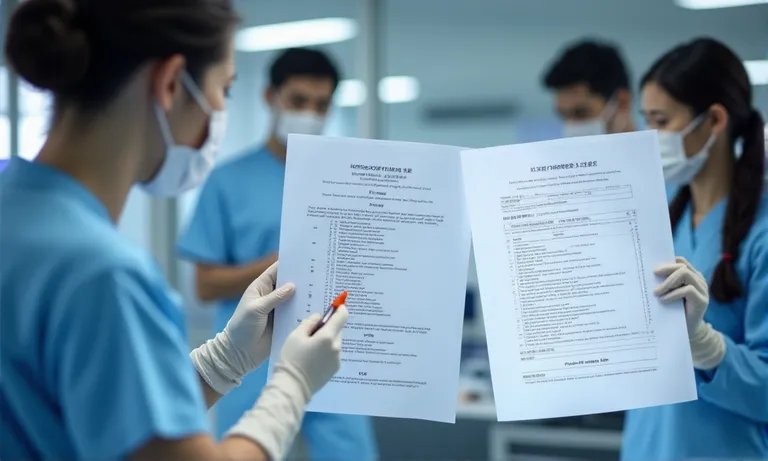
For example, one clinic expected cervical shade mapping and soft-tissue contouring in every anterior case, but the offshore lab had no predefined shade layering protocol. The result? Repeat refinements, wasted chair time, and frustration.
Customization without collaboration leads to deviation. Unless labs are trained to your preferences with clear case guides, variation is inevitable.
Outsourcing doesn’t mean lowering standards—but it does require aligning on what’s realistically achievable. As an overseas partner, Raytops Dental Lab often starts with a pilot run to test calibration, ensuring expectations and outputs converge before scaling up.
Outsourcing works best when both sides speak the same quality language. If your clinic can’t accept 5% deviation or needs full aesthetic layering on every molar—offshoring may not be your best-fit model.
Outsourcing crown and bridge work isn’t a fit for every dental business model. When order frequency is unpredictable or delivery timelines are unmovable, external production may create more stress than savings. Understanding when outsourcing adds friction—rather than efficiency—helps avoid workflow mismatches that compromise care.
dental-outsourcing-vs-chairside-speed
A cosmetic clinic in Toronto previously outsourced anterior aesthetic crowns but faced delays due to customs clearance. After switching urgent work to a local lab for same-day temporaries, they used outsourcing only for standard posterior work—cutting total delivery stress by 40%.
Without shared scheduling visibility, outsourcing introduces silent time loss. Strategic calendar alignment and realistic SLAs can mitigate—but not eliminate—this risk.
Outsourcing should be a tool—not a crutch. For high-speed practices or time-sensitive cases, blending chairside workflows with offshore partners for non-urgent cases creates better economic and clinical balance.
Misaligned expectations are one of the most common reasons why outsourcing arrangements fall short of their promise. When assumptions about cost savings, quality benchmarks, or compliance requirements go unspoken or unverified, disappointment is inevitable.

crown-outsourcing-expectation-vs-reality
Outsourcing is often perceived as a guaranteed way to cut costs. But this overlooks the full cost-to-outcome equation. Lower per-unit pricing may be offset by higher remake rates, longer chair time, and hidden shipping fees. A clinic in Melbourne switched labs based on a 10% unit cost reduction, only to see remake-related losses climb 18% over six months. When evaluating labs, cost-saving must be paired with quality and process metrics.
An SLA (Service Level Agreement) without clear metrics on turnaround, remake rates, communication timelines, and escalation procedures leaves too much to interpretation. Labs and clinics may define “acceptable” delays or defects differently. One DSO team we support revised their SLA to include bi-weekly case audits and structured feedback loops, which immediately reduced cycle-time variability by 30%. Clarity in expectations builds accountability.
International outsourcing brings exposure to different regulatory environments—from patient data handling (HIPAA, GDPR) to materials documentation and labeling standards. A clinic working with an offshore lab that lacks proper documentation for CE or FDA compliance may inadvertently breach local laws. Procurement teams must include compliance verification in their onboarding and review cycles to prevent reputational or legal damage.
When expectations are clearly stated, documented, and measured, outsourcing partnerships flourish. But vague assumptions and silent misalignments turn cost-saving goals into operational risks.
Many clinics benefit from outsourcing crown and bridge work—but not all practices are structurally suited for it. When internal workflows, turnaround expectations, or compliance demands don’t align, outsourcing can become a bottleneck instead of a boost.
Understanding the limits of fit is just as important as identifying opportunities. As an overseas dental lab, we’ve seen that success comes when both sides have clear communication, compatible infrastructure, and realistic timelines. Outsourcing works best when it enhances—not replaces—operational precision.
For decision-makers, assessing fit early can prevent costly inefficiencies later. The best partnerships start not with promises, but with shared clarity.