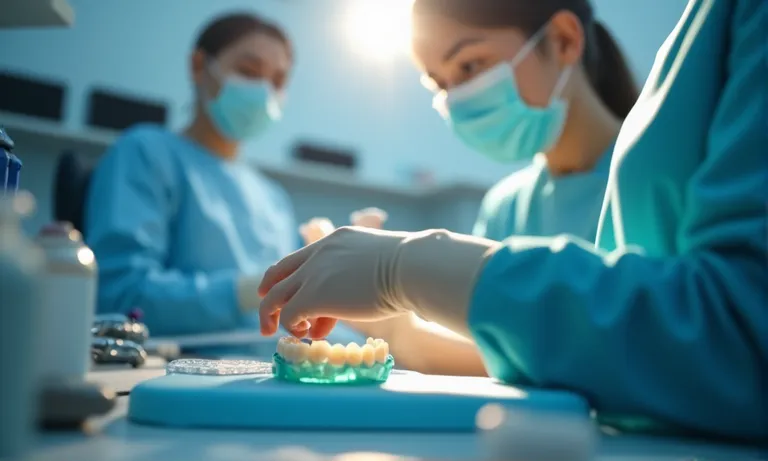
Selecting the right veneer material is often a balance between beauty and durability.
While feldspathic and e.max offer natural translucency, they can fall short in strength-sensitive cases like bruxism or dark preps.
Zirconia veneers offer a strong, stable option when function, masking, or subgingival margins make other materials less predictable. This article outlines when zirconia outperforms traditional ceramics—and how to choose the right solution for each patient.
Zirconia veneers are ideal for high-stress, discolored, or structurally compromised cases. Compared to feldspathic and e.max, they offer superior strength, better masking of dark preps, and margin control—making them a reliable option when longevity and structural integrity are priorities.
Zirconia veneers are not always the first choice—but in the right clinical scenarios, they outperform other veneer materials by offering strength, masking ability, and margin control. For dentists working with bruxers, discolored preps, or complex margin designs, zirconia can provide the structural reliability other ceramics may lack. From a lab perspective, we often recommend zirconia veneers when case longevity and coverage depth outweigh the need for extreme translucency.
Zirconia-veneers-indications-functional-load-masking
Zirconia excels in:
While not as translucent as feldspathic or e.max, zirconia resists crack propagation and is better suited to long-term survival in parafunctional environments.
Zirconia offers superior masking capacity when:
At Raytops, we often receive zirconia veneer requests for severe discoloration cases that e.max cannot fully neutralize, even with thicker cuts.
In these cases, zirconia minimizes marginal leakage and fracture risk at thin cervical regions.
Zirconia veneers allow:
We often recommend zirconia in full-arch veneer rehabs or mixed-material anterior cases with high stress zones.
✅ Zirconia veneers are ideal in functionally demanding or esthetically challenging cases – TRUE
Their strength, masking ability, and margin control make them a reliable option in high-risk or compromised scenarios.
❌ Zirconia veneers are too opaque and should only be used when e.max fails – FALSE
Modern high-translucency zirconia provides acceptable esthetics in many anterior cases when designed and layered properly.
Strength is a key factor in veneer survival—especially in functionally demanding cases. While all three materials—zirconia, e.max, and feldspathic—can deliver esthetic results, their mechanical performance differs significantly. From a lab perspective, understanding these distinctions helps clinicians avoid fractures, reduce rework, and select the right material based on prep thickness, occlusion, and long-term stability.

Veneer-strength-comparison-zirconia-emax-feldspathic
| Material | Flexural Strength (MPa) | Notes |
|---|---|---|
| Zirconia | 800–1200 | High strength, low risk of flexural failure |
| e.max (lithium disilicate) | 360–500 | Balanced strength for anterior cases |
| Feldspathic | ~90–120 | Most fragile, but highly esthetic |
Zirconia’s strength allows thinner preps and increased survival in parafunctional zones.
Zirconia is preferred when even prep thickness or bonding isolation cannot be guaranteed.
Studies show:
At Raytops, we track remake cases and consistently see zirconia veneers outperform e.max and feldspathic in functionally high-risk cases.
✅ Zirconia offers superior strength and fracture resistance compared to e.max and feldspathic – TRUE
Its material composition allows for thin, durable veneers suited for high-stress or full-arch cases.
❌ All veneer materials perform equally well if bonding is correct – FALSE
Material properties matter—zirconia’s strength gives it an edge when prep conditions, occlusion, or patient habits are less than ideal.
While strength matters, aesthetics often drive the final material choice—especially in anterior smile zones. Each veneer material—zirconia, e.max, and feldspathic—offers different visual characteristics in terms of translucency, surface texture, and light dynamics. From a lab’s perspective, matching the patient’s smile expectations with the right material requires understanding both clinical needs and artistic potential.
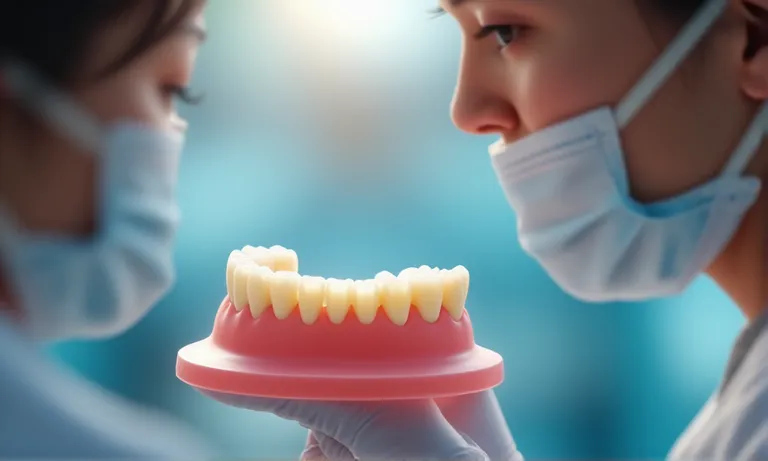
Veneer-aesthetic-comparison-zirconia-emax-feldspathic
In high-aesthetic zones with ideal preps, feldspathic or e.max typically yield the most lifelike result. When prep shade is unpredictable, zirconia’s masking becomes an asset.
At Raytops, we often use multilayer zirconia blanks or localized infiltration to improve incisal effects and cervical warmth in anterior veneers.
| Feature | Feldspathic | e.max | Zirconia (HT) |
|---|---|---|---|
| Incisal translucency | Excellent | Very good | Moderate (HT only) |
| Halo replication | High control | Medium | Limited, stain-dependent |
| Edge feathering | Extremely natural | Controlled | Challenging in monolithic zirconia |
For edge detail, feldspathic remains unmatched—but e.max can closely replicate it with a skilled ceramist. Zirconia requires surface staining or external tricks to simulate depth.
Each material presents a different esthetic profile. The balance between beauty and durability is not one-size-fits-all—it depends on prep conditions, patient demands, and lab capabilities.
Minimally invasive and thin-prep veneer cases demand materials that balance strength with translucency in very limited space. In these scenarios, material performance under reduced thickness becomes the deciding factor—not just esthetics. From the lab’s perspective, thin-prep cases succeed only when material choice, margin clarity, and prep design are fully aligned.
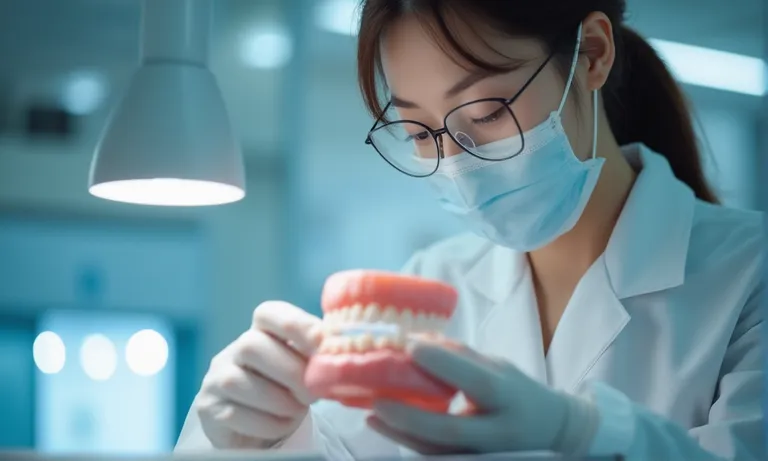
Thin-prep-veneer-material-comparison
Feldspathic remains the material of choice for ultraconservative esthetic makeovers—especially in smile design with intact enamel.
We recommend e.max for cases with minor prep, slight discoloration, or small rotations—offering both strength and beauty.
Thin zirconia is best for function-prioritized, high-masking cases—not ideal in feather-prep smile designs.
| Clinical Condition | Recommended Material |
|---|---|
| Intact enamel, ideal shape | Feldspathic (no-prep) |
| Minor reduction, light discoloration | e.Max |
| Masking need with thin enamel | Zirconia (HT) |
✅ Not all veneer materials perform equally well in thin-prep or no-prep scenarios – TRUE
Feldspathic and e.max are more suitable in minimally invasive cases, offering better translucency and edge adaptation.
❌ Zirconia can always replace e.max or feldspathic in thin cases – FALSE
Despite recent improvements, zirconia still lacks finesse in edge blending and translucency under 0.5 mm, especially in anterior esthetic zones.
Choosing the right veneer material is not just about esthetics or strength—it’s about the interplay of patient needs, prep conditions, lab capabilities, and long-term expectations. Each case presents a unique set of variables, and successful outcomes depend on aligning clinical priorities with what each ceramic can realistically deliver. From the lab’s side, the more clarity we have on these factors, the better we can guide, fabricate, and support the restoration.
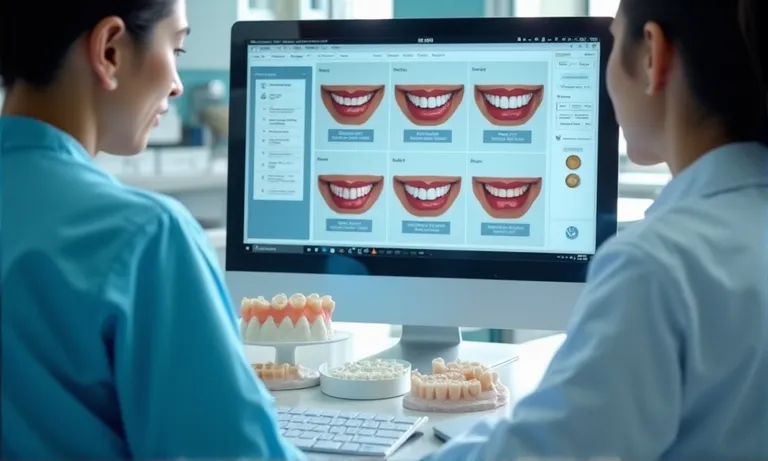
Veneer-material-selection-factors-clinical-decision
Balancing what patients want vs. what their case needs is key to satisfaction and survival.
Knowing your lab’s strengths and aligning expectations improves restoration consistency.
| Case Type | Recommended Material Approach |
|---|---|
| Single central | Layered e.max or feldspathic |
| Posterior veneer | e.max or zirconia (HT) |
| Full-arch veneer | Monolithic zirconia or layered e.max |
In full-arch or high-wear cases, zirconia veneers provide strength without compromising too much on esthetics—especially with modern staining protocols.
Choosing the right veneer material isn’t just clinical—it’s collaborative.
Need help selecting a material based on your prep, case photos, or shade target? Our lab team can review your case and recommend the best-fit material + design approach, tailored to your esthetic goals and prep limitations.
Choosing the right veneer material requires a case-by-case approach. While feldspathic and e.max offer unmatched esthetics, zirconia brings unique value in cases where strength, masking, or margin clarity are critical. Here’s a summary to guide material selection:
Need help matching the right veneer material to your prep or scan? Contact Raytops Dental to get case-specific advice, material guides, and digital support from our lab team.