Restoration planning often requires balancing strength, aesthetics, and cost—yet not all materials meet all demands.
When full-ceramic options fall short in stress zones or budget limits, the risk of compromise increases.
Semi-precious PFM crowns bridge these gaps by offering reliable strength, acceptable esthetics, and long-term value, making them a practical solution for diverse restorative needs.
Semi-precious PFM crowns are an ideal choice when restorations demand a balance of durability, cost-efficiency, and moderate aesthetics. They perform well in high-stress zones, accommodate patient-specific needs, and offer long-term value, especially in cases where full ceramics may be less suitable due to functional or budget constraints.
Semi-precious PFM crowns combine the mechanical strength of metal frameworks with acceptable aesthetics, making them a practical choice for various dental restorations. Their balanced performance, especially in stress-bearing zones or mixed-priority cases, makes them a reliable solution for both private practices and institutional procurement.
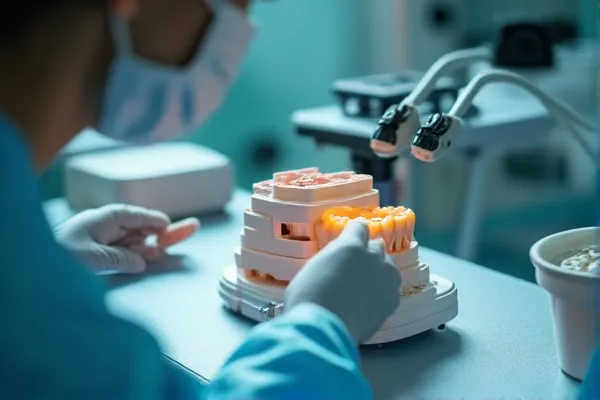
Semi-Precious-PFM-Crown-Lab-Polishing
Strength and long-term stability are among the core advantages of semi-precious PFM crowns. These attributes directly support performance in functional and high-load areas.
While not fully translucent like ceramics, semi-precious PFMs can deliver satisfactory aesthetics for many anterior restorations when handled with layered porcelain techniques.
| Attribute | Semi-Precious PFM | Full-Ceramic (Zirconia/Emax) | Resin Crowns |
|---|---|---|---|
| Surface Luster | Good with porcelain glaze | Excellent | Moderate |
| Light Transmission | Limited (metal core) | High (natural-like) | Low |
| Staining & Aging Resistance | High | High | Low |
| Layering Control for Shades | High | Medium | Low |
The value of semi-precious PFMs becomes clear when you assess cost over lifecycle rather than unit price alone.
✅ Semi-precious PFM crowns offer balanced strength, aesthetics, and long-term value – TRUE
They deliver reliable performance in both functional and aesthetic zones, especially when supported by skilled layering and preparation.
❌ Full-ceramic crowns are always superior to PFM – FALSE
While full-ceramic crowns offer enhanced translucency, they may fall short in stress zones or in cases with metal post cores, limited clearance, or high occlusal load.
Semi-precious PFM crowns are particularly valuable when cases demand a balance of strength, cost, and reasonable aesthetics. Their versatility makes them ideal for specific clinical conditions where full-ceramic or non-metal alternatives may fall short. For dental labs, understanding these situations improves case planning and communication with the clinic.
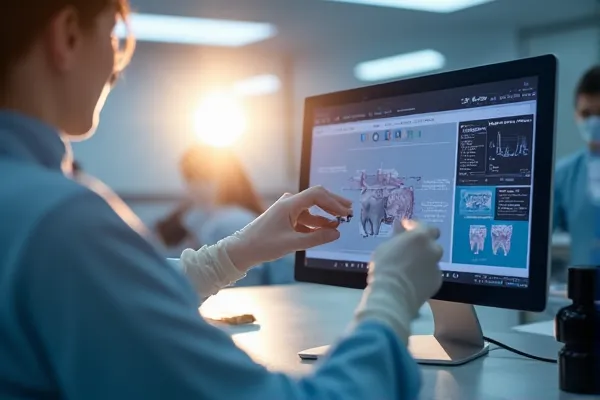
Semi-Precious-PFM-Posterior-Case-Design
Posterior zones often experience higher stress loads and limited interocclusal space. Semi-precious PFM crowns are well-suited for these conditions due to their metal core support and prep tolerance.
For bruxers or patients with parafunctional habits, semi-precious PFMs often outperform other types in long-term stability.
This crown type offers a middle ground solution, especially valuable in insurance-driven or cost-conscious settings.
| Scenario Type | Semi-Precious PFM | Full-Ceramic Crowns |
|---|---|---|
| Insurance-covered posterior case | Often preferred | May exceed budget limits |
| Mixed budget/aesthetic anterior | Acceptable with layering | Preferred for high esthetics |
| Bruxism/high-stress restoration | High compatibility | Risk of fracture or wear |
This versatility allows clinics to recommend a clinically safe yet cost-aware option without fully compromising visual outcomes.
Semi-precious PFMs provide practical versatility in posterior, high-load, and budget-sensitive cases. To evaluate suitability for your patients, you can request a sample case simulation or share your typical case conditions for lab-side feedback.
Patient factors—such as preferences, medical history, and financial expectations—play a crucial role in determining whether semi-precious PFM crowns are the right restorative choice. As a dental lab, recognizing these nuances allows us to support clinics with case-specific solutions rather than generic offerings.
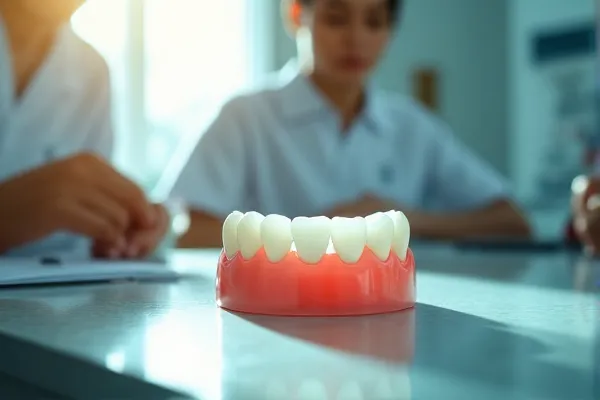
Dental-Lab-Patient-Customization-Consultation
Patients often influence material selection through personal aesthetic concerns, brand perception, or past dental experiences. Labs must respect this while helping the clinic balance expectations with technical feasibility.
Systemic and oral conditions can affect material performance and risk profiles, influencing case planning.
Balancing cost, visual outcome, and durability is central to case acceptance—especially in mixed socio-economic patient bases.
| Patient Profile | Semi-Precious PFM Fit | Notes on Recommendation |
|---|---|---|
| Cost-conscious with basic needs | High compatibility | Strong value case |
| Aesthetic-first, front teeth | Moderate (layering needed) | Clarify visible margin potential |
| History of breakage/occlusal wear | Excellent fit | Durable, predictable outcomes |
✅ Patient-specific factors can justify using semi-precious PFM over full-ceramic – TRUE
When aesthetics, medical risks, or cost priorities are balanced, PFMs offer a tailored compromise for many patient profiles.
❌ Every patient expects metal-free solutions – FALSE
While demand for aesthetic solutions is growing, many patients still value longevity and budget efficiency, especially when guided with clear information.
Despite their versatility, semi-precious PFM crowns are not the optimal solution in every case. Specific clinical, aesthetic, and technical factors may prompt the choice of alternative materials. Understanding these boundaries ensures better treatment planning and fewer post-placement issues.
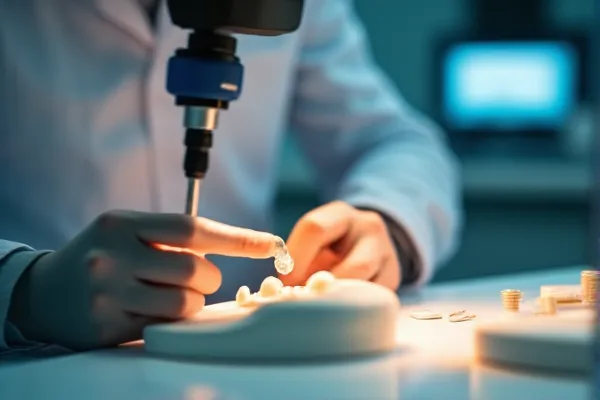
Dental-Lab-PFM-Fit-Inspection
While PFMs are functionally reliable, there are clinical and patient-driven scenarios where full-ceramic solutions are better aligned with case goals.
Achieving seamless color integration is possible with PFMs, but challenges arise due to the underlying metal substructure.
| Challenge | Cause | Solution from Lab Side |
|---|---|---|
| Grayness at cervical margin | Metal reflection under porcelain | Use opaquer base, deeper layering |
| Reduced translucency | Limited light passage | Adjust layering thickness and incisal cutback |
| Inconsistent shade reproduction | Technician-clinic communication gap | Use detailed stump shade photo + digital Rx |
Labs must guide clinics on prep shades, stump photos, and design expectations to minimize remakes and shade mismatches.
Strength issues rarely originate from material flaws; they often stem from clinical preparation or impression quality. However, specific risks can arise in marginal detail.
When the lab and clinic align on prep design, margin clarity, and framework reduction, PFM complications can be largely avoided.
Semi-precious PFM crowns are not universally ideal. For patients prioritizing maximum translucency or rejecting any metallic elements, full-ceramic alternatives should be considered. Limitations are not flaws—they’re boundaries that, when respected, ensure the right solution is used for the right case.
For many patients, the choice between crown materials isn’t technical—it’s emotional, financial, and trust-driven. Dental labs play a critical backstage role in helping clinics clearly articulate the trade-offs and values of semi-precious PFM crowns, enabling better patient understanding and acceptance.
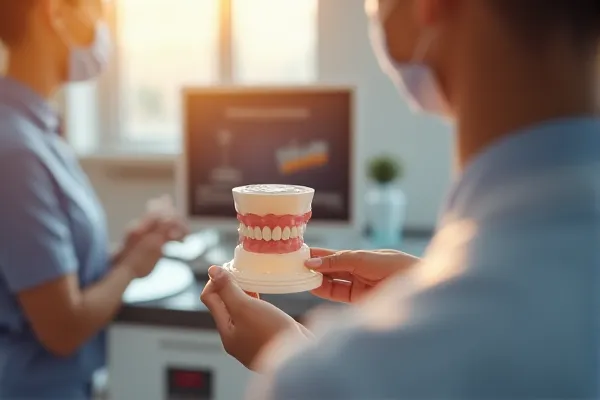
Dentist-Patient-Crown-Discussion-SemiPrecious
Helping clinics translate technical strength into relatable value is key. A step-wise explanation often improves clarity and comfort in the decision.
Patient hesitation often comes from unclear or mismatched expectations. Addressing both sides of the value equation helps avoid rejection.
Many clinics face the challenge of explaining value without sounding cost-driven. A comparison-based table can simplify the conversation.
| Evaluation Factor | Semi-Precious PFM | Full-Ceramic | Resin-Based Crowns |
|---|---|---|---|
| Initial Cost | Moderate | High | Low |
| Longevity | High | High (but case-dependent) | Low |
| Remake Frequency | Low | Moderate in stress zones | High |
| Insurance Compatibility | Often Covered | Sometimes Limited | Widely Accepted |
| Patient Confidence | High with explanation | High with esthetic focus | Moderate |
Clinics can rely on us to provide reference visuals, case documentation, or model samples to support their patient communication and value delivery efforts.
Semi-precious PFM crowns continue to serve as a dependable option for restorative cases requiring strength, long-term function, and cost efficiency. At Raytops Dental Lab, our role is to support clinicians with precision manufacturing and clinical adaptability across diverse patient profiles.
For labs and clinics looking to streamline case outcomes with durable, adaptable materials, semi-precious PFMs remain a reliable tool—request a lab consultation or sample today through Raytops Dental Lab.