Unexpected delivery delays in crown & bridge cases can derail patient schedules and disrupt clinical efficiency. When turnaround expectations are vague—or broken by remakes, unclear files, or transit issues—trust in lab coordination quickly erodes. Raytops Dental Lab helps clients set realistic timelines with clear lead times, file handling protocols, and shipping coordination that keeps deliveries predictable and reliable.
Typical in-lab turnaround times are:
4–6 working days for single-unit crowns (digital submission)
7–9 working days for 3-unit bridges or layered esthetic cases
10–12 working days for implant-supported or complex bridge cases These estimates exclude shipping and are based on complete, high-quality submissions.
What’s the typical in-lab turnaround time for standard crown & bridge cases?
Crown and bridge production timelines vary by case type, but most labs follow clear internal standards. Understanding these typical in‑lab times helps clinics plan patient schedules, manage expectations, and coordinate with shipping lead times more effectively.
Dental-Lab-Crown-Bridge-Turnaround
Single-unit zirconia or PFM crowns (digital submission): 4–6 working days
Standard single units with digital impressions have the most predictable lead times. Most labs maintain optimized workflows for these high-frequency cases.
4–5 working days for full-contour zirconia or PFM crowns
Add 1 extra day if physical impressions require scanning
Faster in-lab stages (design, milling, sintering) possible with digital submission
Finish time may vary slightly based on shade matching or stain/glaze customization
3-unit bridges or layered esthetic cases: 7–9 working days
Cases involving more than one unit or enhanced esthetics require additional stages and internal QC.
7–8 working days typical for 3-unit zirconia or PFM bridges
Layered or cutback designs require 1–2 days extra for porcelain work
Add time for customized anatomy or non-standard occlusal requests
Re-checks and internal try-ins are common to ensure function and aesthetics
Implant-supported or full-contour bridges: 10–12 working days
Complex frameworks and precision fits require longer planning and coordination.
10–12 working days typical for screw-retained bridges or implant abutments
CAD/CAM verification stages often involve digital try-ins or 3D printing
Add 1–2 days if custom abutments, gingiva masks, or verification jigs are needed
Final QC includes multiple checkpoints, requiring coordination between departments
✅ Digital impressions shorten single-unit lead times – TRUE Digital files reduce the scanning step and enable faster design initiation, especially for full-contour restorations.
❌ All crown and bridge cases can be finished in under 5 days – FALSE Only simple digital single units meet this timeline; multi-unit and implant cases require extended workflows and verification stages.
What lab-side and client-side factors can affect turnaround time?
While labs provide estimated timelines per case type, actual delivery speed depends on multiple variables—from scan quality to prescription clarity. Understanding these factors affecting turnaround time helps clinics anticipate potential delays and collaborate more effectively with their lab partners.
Poor scan quality is one of the top causes of unexpected turnaround extensions. Even for simple cases, labs cannot proceed with flawed data.
Inaccurate or missing margin lines delay design
Missing opposing arch or bite registration stalls articulation setup
Flipped arch orientation causes full redesign
STL distortion from scanning artifacts requires rescans or clarification
Case complexity: units, restoration type, implant involvement
The more complex the restoration, the longer the lab needs to plan, design, and verify every stage.
Multi-unit bridges involve occlusion checks and framework fitting
Layered or esthetic designs require extra porcelain layering time
Implant-supported cases often need multiple components and try-ins
Non-standard requirements like special connectors or contacts extend workflow
Incomplete prescriptions, shade/photo delay, or repeated remakes
Even with a perfect scan, missing or unclear instructions can pause production until clarification is received.
Vague or incomplete Rx leads to back-and-forth questions
Shade photos submitted late delay finishing
Repeated remakes due to improper initial input affect case queues
Mid-production changes (e.g., switching material) restart the design cycle
Multiple factors—on both client and lab sides—can shift turnaround times beyond initial estimates. Early coordination, clear data, and complete files help keep production on track.
How should labs communicate lead times and handle production changes?
Clear lead time communication builds trust and efficiency. Labs that proactively inform clients of turnaround expectations, manage changes transparently, and define urgent order protocols make coordination smoother and reduce frustration on both sides.
Dental-Lab-Lead-Time-Planning
Provide indication-specific turnaround ranges in advance
Not all restorations take the same time. Labs should communicate realistic timelines upfront, tailored by indication and input format.
Single-unit full-contour crowns (digital): 4–6 working days
Multi-unit esthetic bridges: 7–9 working days
Implant frameworks with custom abutments: 10–12 working days
Add 1–2 days for physical impressions or additional components
Notify delays caused by remake or design clarification
When timelines shift, immediate and documented communication avoids misalignment and missed delivery windows.
Notify within 1 working day if scans are distorted or margins unclear
Alert clients if Rx lacks critical info (e.g., material, shade)
Send annotated screenshots when requesting design confirmation
Communicate remake-triggering issues with estimated new delivery time
Set case cutoff times and define rush order protocol
To ensure timely handoffs, labs must establish and publish case processing thresholds and rush capacity.
Daily case cutoff (e.g., files submitted by 3 PM processed same day)
Clear labeling of “rush” in case notes or file name
Defined rush surcharge or labor limits (e.g., 2 max rush/day)
Confirm if lab operates over weekends or during local holidays
When lead times are transparent and exceptions are clearly handled, clinics can manage patient expectations and reduce stress. To align your team with our schedule, request our lead time communication guide for your case coordinators.
What shipping and regional factors impact overall delivery time?
Production time is only one part of the delivery equation. Regional shipping differences, time zones, and customs processes all influence when restorations actually arrive. Factoring these variables helps clinics plan more accurately for patient appointments and case delivery.
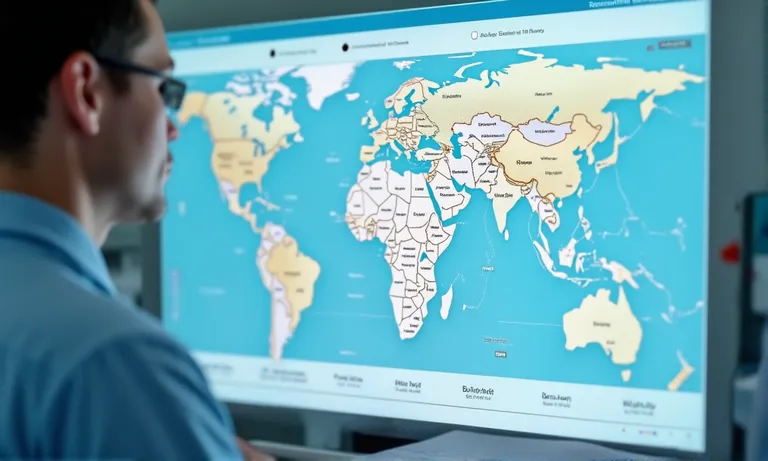
Image ALT: Dental-Lab-Shipping-Delays-Factors Prompt: A highly realistic, ultra-detailed, professional-quality image captured in a clean, well-lit dental lab. Lighting should be soft, diffused natural daylight with neutral white color temperature, avoiding cool or clinical blue tones. close-up at sunlight. A logistics coordinator reviews a global shipping map showing express vs standard timelines, time zones, and customs status indicators affecting dental case delivery.
Express vs standard shipping methods across regions
Shipping method and destination both affect actual delivery days—even if lab production is completed on time.
Express (FedEx/DHL/UPS): 2–4 days typical to most major regions
Standard post or economy carriers: 5–10 days, less predictable
Remote or rural locations may add 1–2 extra transit days
Service levels vary: even “express” can differ by country or city
Time zone gap, weekends, and holiday closures
Cross-border coordination is influenced by differences in work weeks and public holidays.
Asia-to-Europe: typically 1-day lag due to time zones
Friday submissions from clinic = Monday case start in China
Local holidays (e.g., Chinese New Year, EU bank holidays) delay case flow
Some regions don’t ship or receive on weekends
Customs delays or courier disruptions (esp. international)
Even with correct labeling, international shipments may face inspection, clearance, or unexpected rerouting.
Courier strikes or local weather issues can block last-mile delivery
✅ Shipping timelines vary by region and method – TRUE Express to Western Europe may take 2 days; standard post to rural Canada may take 8. Shipping is not uniform.
❌ Production days equal total turnaround – FALSE Ignoring transit, time zone, and customs leads to late appointments and missed cases—even with perfect lab timing.
How can procurement teams evaluate a lab’s delivery consistency?
Consistent delivery is a key factor in selecting and retaining dental lab partners. Beyond promises, labs should offer measurable data, documented protocols, and escalation mechanisms that procurement teams can review to ensure supply chain reliability.
Dental-Lab-Delivery-Performance-Review
Ask for on-time rate or production log transparency
Quantitative tracking of production output builds trust. Labs that consistently hit expected timelines should be able to show it.
Request monthly or quarterly on-time delivery reports
Ask how delivery KPIs are tracked internally
Verify whether lab uses digital dashboards for case tracking
Look for trends: is the delay occasional or systemic?
Review lab’s remake-related delay handling policy
Reliable labs not only track remakes but act on them with accountability. Procurement teams should know what happens when things go wrong.
Is every remake logged with a documented reason?
Are remake-related delays communicated proactively?
Does the lab share remake rate benchmarks or root cause summaries?
How is remake data used for internal training or prevention?
Establish SLA terms and escalation mechanism
For long-term cooperation, labs should formalize their commitments. A well-written Service Level Agreement (SLA) sets mutual expectations.
Include defined turnaround time by case type
Add commitment clauses for remake handling and communication
Define escalation steps for unresolved or repeated delivery failures
Make SLA review part of the onboarding or pilot process
Delivery consistency isn’t just about time—it’s about systems, accountability, and transparency. To help you evaluate lab readiness, request our SLA template and case performance overview as part of your supplier review process.
Conclusion
Turnaround time in crown & bridge cases depends on more than just milling speed—it’s the result of digital readiness, mutual clarity, and coordinated logistics. At Raytops Dental Lab, we help clinics plan confidently with transparent lead times, proactive communication, and traceable delivery records to minimize uncertainty from scan to seat.