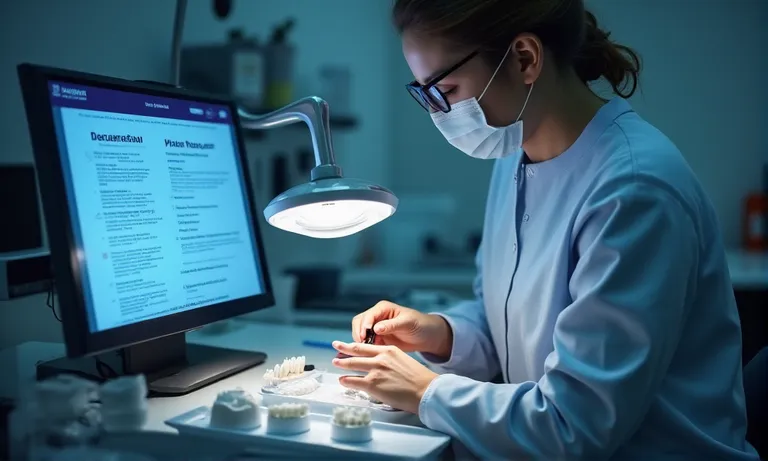
When selecting a dental lab for long-term collaboration, the lab’s remake policy and quality assurance system are often the hidden drivers of supply chain success—or failure. Beyond the upfront price or turnaround time, procurement professionals must assess how consistently the lab can deliver accurate restorations, minimize remakes, and transparently handle corrective actions when issues arise.
Evaluating a lab’s remake policy isn’t just about checking warranty terms—it’s about understanding their operational discipline and service accountability. Key aspects to examine include:
Understanding these factors empowers dental procurement teams to not only reduce disruption and hidden costs—but also to build more predictable, high-performing lab partnerships.
A reliable dental lab remake policy clearly defines eligibility, documentation, and coverage terms. These policies not only minimize disputes but also reflect a lab’s commitment to consistent quality, transparency, and long-term collaboration.
Dental-Lab-Remake-Policy-Process
Remake rate is a direct indicator of a dental lab’s process stability. In crown and bridge work, high-performing overseas dental labs typically maintain remake rates under 3%. This performance level reflects precise digital workflows, thorough case intake, and strict quality control checkpoints.
Remake thresholds are commonly tracked under quality frameworks like ISO 13485 for medical devices, which define traceability and nonconformance handling standards within medical-grade production environments.
Most remake policies define a submission window of 30 to 60 days after delivery. Within this timeframe, clients can request a remake if supported by appropriate documentation. A standard request typically includes original STL files, photos of the issue, and bite scan data showing functional discrepancies.
This structured approach protects both parties and reduces turnaround for resolution.
Remake coverage is generally divided into two categories: lab-responsible and client-responsible. Labs usually cover cases with internal design, manufacturing, or shading errors. By contrast, client-side issues like poor prep, unclear Rx, or incorrect shade selection may result in additional charges.
| Scenario | Remake Cost Responsibility |
|---|---|
| Lab-induced design or manufacturing error | Waived by lab |
| Verified transit damage (with photos) | Waived by lab |
| Inadequate prep, incomplete scans | Charged to client |
| Prescription mismatch or wrong shade | Charged to client |
Some labs offer goodwill remakes in gray-zone cases as part of partnership retention, but this varies by relationship maturity.
✅ Remake rates below 3% reflect strong quality systems – TRUE
This level is typically only achievable through validated digital workflows and disciplined inspection checkpoints.
❌ All remakes are covered by default – FALSE
Coverage depends on root cause. Most policies exclude client-side input errors from automatic coverage.
An acceptable remake rate for dental labs is typically under 3% for crown & bridge cases. Labs consistently exceeding this threshold may indicate process instability or insufficient digital calibration. Procurement teams should view this rate as a core performance metric for evaluating long-term reliability.
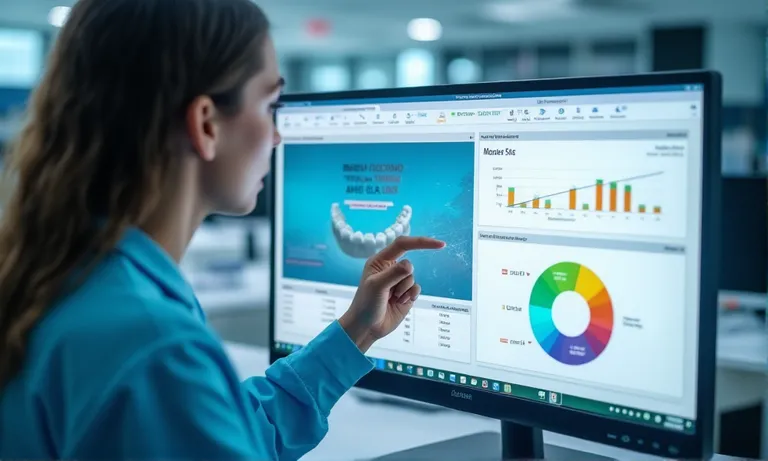
Dental-Remake-Rate-Dashboard
Most high-performing labs—especially those experienced in zirconia and full-contour restorations—maintain remake rates below 3%. According to the PubMed Central, average remake rates beyond 5% are associated with potential red flags in impression handling or technician variability. Benchmarks may vary slightly for esthetic cases, but systemic consistency remains key.
Patterns in remake causes often signal upstream process gaps. For example, recurring issues in proximal contact or occlusion can reflect design misinterpretation or scan margin errors. Overseas Dental Labs that track remake triggers at technician and product-type level can proactively recalibrate internal QA steps—especially if STL archives and return photos are used for audit.
Yes. Many DSO or multi-site buyers incorporate remake caps (<3%) directly into Service Level Agreements (SLAs), along with remediation steps and credit policies. By requiring quarterly remake trend reports, buyers gain greater transparency into lab quality consistency. Some partnerships even link financial bonuses to sustained low remake performance.
Key Takeaways on Acceptable Remake Rate Benchmarks
Overseas dental labs ensure consistent quality through a layered process integrating digital validation and manual inspection. A structured QA system reduces remakes, enables traceability, and ensures compliance with client expectations and international regulations.
Image
ALT: dental-lab-production-quality-check
Prompt: A highly realistic, ultra-detailed, professional-quality image captured in a clean, well-lit dental lab. A technician reviews a 3D design on a screen while another checks a final crown under magnification. The background shows organized production trays, all under soft daylight.
Multiple verification points exist throughout the workflow to minimize errors and maintain precision from intake to delivery.
Yes. Design validation is a crucial gate before manufacturing begins, especially in digital workflows.
Corrective action protocols are formalized within the lab’s QA management system, often aligned with CAPA Guidance by ISO 13485.
A robust QA process should include:
Clients should expect structured documentation that verifies quality assurance steps, provides visibility into case performance, and supports post-case analysis. Reliable overseas dental labs proactively share digital and physical records to enhance transparency.
Image
ALT: dental-lab-quality-documents-case-record
Prompt: A highly realistic, ultra-detailed, professional-quality image showing printed QA checklists, remake logs, and a digital tablet displaying STL preview with timestamps. The setting is a clean dental lab desk under soft daylight with labeled trays and technician tags.
Yes. Leading overseas dental labs document case-level data and make it accessible per project.
Yes—especially in regulated markets or DSO-level agreements, documentation depth is often part of the service scope.
Digital traceability is essential in a fully integrated CAD/CAM workflow. Labs often use tools like 3Shape Dental System audit trail documentation to manage data visibility.
✅ Well-structured QA documentation supports long-term accountability – TRUE
Reliable labs maintain standardized records that clients can audit, review, or reference when needed.
❌ QA paperwork is only relevant for remakes – FALSE
Even when cases proceed without issue, quality documentation is essential for performance tracking and trust.
Remake policies have a direct impact on cost transparency, case budgeting, and client trust. Overseas dental labs typically adopt one of several pricing models to manage remake-related costs without disrupting collaboration.
dental-lab-remake-cost-pricing-sheet
Both models exist, but their implications differ significantly.
Clients should clarify which model applies and confirm caps or frequency limits.
Unclear remake policies can lead to financial surprises and strained trust.
A detailed SLA or service guide can help mitigate such issues.
Progressive labs may use credit-based mechanisms to balance cost and accountability.
Clients should ensure remake clauses are aligned with both pricing models and quality targets, and refer to ADA’s remake and fee adjustment guidelines for accepted industry baselines.
✅ Remake policies influence both direct pricing and hidden costs – TRUE
Understanding how a lab defines and manages remakes directly affects billing accuracy, budget planning, and dispute resolution.
❌ All remake cases are always free under standard contracts – FALSE
Most labs apply case-specific rules and eligibility reviews; full exemption is not guaranteed without explicit agreement.
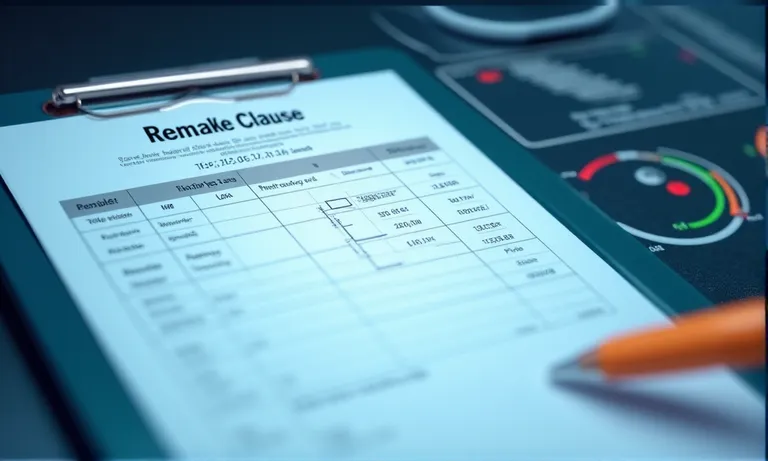
Contracts with dental labs should do more than define pricing—they must align quality expectations with accountability mechanisms. Structuring remake-related terms clearly helps both parties reduce ambiguity and maintain operational trust.
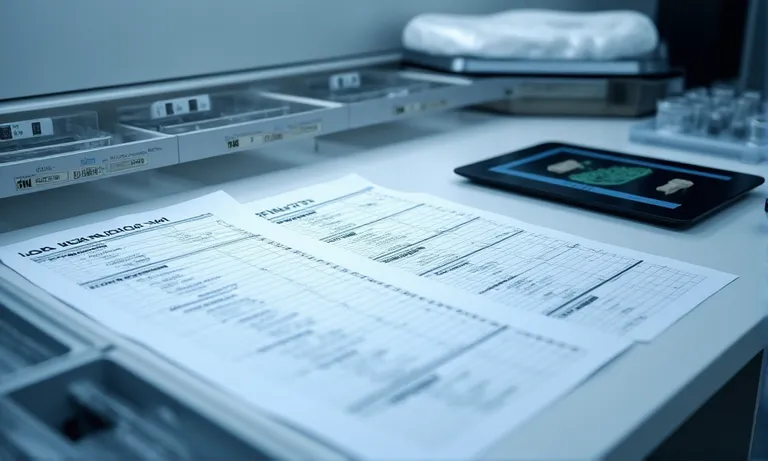
dental-lab-contract-remake-clauses
Yes—clear metrics are essential for aligning service expectations.
Including such caps helps standardize expectations across time.
Structured incentives create mutual accountability.
Labs with digital traceability tools are more likely to support such models transparently.
Remake governance should evolve with the partnership.
Proactive renegotiation reduces risk buildup and preserves alignment. For context, see NADL’s lab agreement insights and dental SLA best practices.
✅ SLAs can define remake limits and enable shared accountability – TRUE
Performance-based terms create transparency and strengthen lab-client trust, especially when benchmarked and reviewed regularly.
❌ Contracts rarely govern remake rates or quality performance – FALSE
Remake-related clauses are a growing standard in structured dental lab partnerships, not a niche exception.
Reducing remakes isn’t just about production control—it hinges on consistent, structured collaboration between the lab and the clinic. Successful partnerships embed shared protocols, proactive feedback, and joint review practices into their daily workflow.
dental-lab-client-collaboration-meeting
Closing the loop on clinical feedback is critical.
Timely and structured feedback helps labs continuously improve precision and reduce rework.
Yes—case-based learnings should feed into shared standards.
This proactive co-creation reduces variability and enhances restoration accuracy.
Forward-thinking labs engage clients beyond production.
These practices shift remake prevention from reactive to strategic.
A few key practices can drastically reduce future remake incidence:
When remakes become a shared learning opportunity—not just a cost—lab partnerships deepen in trust and reliability.
Choosing between a local dental lab and an overseas partner is no longer a binary choice—it’s a strategic procurement decision that requires nuanced evaluation across cost, quality, logistics, and collaboration. While local labs offer immediacy and face-to-face familiarity, overseas dental labs—when vetted rigorously—can deliver scalable production, digital compatibility, and competitive unit economics without compromising quality.
A reliable partner will go beyond pricing advantages. Look for a lab that:
Practices and DSOs that apply a structured, multi-factor sourcing approach—rather than relying on assumptions or legacy habits—can unlock both cost control and quality consistency in their restoration workflows. And in many cases, hybrid models that balance local agility with overseas scale may offer the best of both worlds.
Ultimately, the right lab is not just a supplier—it’s a collaboration partner embedded in your clinical and operational rhythm.