
Adopting 3D printing in a dental lab offers clear advantages, but the transition is rarely simple.
Labs exploring this path quickly discover that the investment goes beyond purchasing a machine. Costs, staff expertise, material limitations, and compliance requirements all play a decisive role in determining whether adoption is sustainable. Understanding these risks early helps labs set realistic expectations and avoid costly mistakes.
The main challenges include:
Labs that acknowledge these risks from the start are better positioned to adopt 3D printing strategically.
By planning investments carefully, piloting new processes, and partnering with experienced digital labs or suppliers, they can reduce disruption and turn challenges into manageable steps. In the long run, this preparation not only minimizes risk but also creates a stronger foundation for sustainable digital growth.
High initial investments and material constraints remain two of the most decisive barriers for dental labs when considering 3D printing adoption. While the technology promises faster turnaround and digital workflow integration, labs must weigh real costs and biocompatibility challenges before expecting reliable ROI.
Most labs discover that a professional-grade 3D printer is only the beginning. Industrial printers, compatible curing units, and design software licenses often exceed $20,000–$50,000. ROI is highly dependent on utilization rates; underused equipment quickly turns into sunk cost. Some mid-sized clinics in Europe report that without a stable weekly case load, breakeven periods extend beyond three years.
Beyond acquisition, ongoing costs include annual software updates, calibration, and replacement of light sources or resin tanks. For instance, a mid-size dental lab in Toronto found that replacing resin vats every six months added nearly $4,000 annually. Such hidden costs are rarely highlighted in equipment brochures but directly impact profitability.
Not all resins are equal. Some deliver good accuracy but lack long-term stability in oral conditions. Biocompatibility certifications also vary by region: a Class IIa resin in Europe may not yet be cleared by the FDA in the U.S. Labs working with implant-supported restorations often find that strength limitations restrict 3D printing to temporaries or surgical guides, not definitive prosthetics.
Resin pricing—ranging from $200 to $500 per liter—significantly affects margins. A busy lab processing 100 aligner models a week can spend thousands monthly on consumables alone. Additionally, expired or partially used resins often need disposal, further eroding margins. Global dental labs frequently evaluate bulk purchasing or strategic supplier agreements to stabilize costs.
For dental labs, managing cost and material barriers is less about technology hype and more about operational math. From hidden consumables to resin limitations, financial discipline is what differentiates successful adopters from those who struggle. In practice, overseas partners such as Raytops Dental Lab have seen clients underestimate resin consumption during pilot runs, highlighting why early financial modeling is essential before scaling.
Adoption success in dental labs depends less on the machines themselves and more on the people operating them. Without trained staff who can manage CAD/CAM design, printer settings, and post-processing workflows, even the best equipment produces inconsistent results and costly rework.

Successful adoption requires a blend of technical and dental knowledge:
Labs that fail to bridge dental context with digital skills often face higher error rates.
For experienced model makers, shifting from wax work to CAD design can feel like learning a new language. Most labs report that staff need at least 3–6 months to become comfortable with digital workflows. A lab in Melbourne shared that their first digital hires spent weeks correcting STL import errors before producing reliable crowns. This steep curve can slow adoption timelines and discourage early momentum if not properly planned.
Clear operating procedures ensure that the same job is printed the same way every time. Labs typically implement training in three stages:
Labs that neglect SOPs often see higher remake ratios. In contrast, those investing in structured training cut their rework rates by up to 30%, as confirmed by several mid-sized labs in North America.
When adoption is treated as a staffing challenge—not just a technology upgrade—labs build resilience against costly mistakes. Overseas partners such as Raytops Dental Lab frequently collaborate by providing file-prep guidance or shared training resources, helping clients shorten the learning curve and stabilize quality faster.
Regulatory compliance is one of the most complex barriers to 3D printing adoption in dental labs. Unlike traditional workflows, digital printing introduces stricter certification demands on both devices and materials, and uncertainty in evolving regulations can delay product acceptance or even create legal exposure.
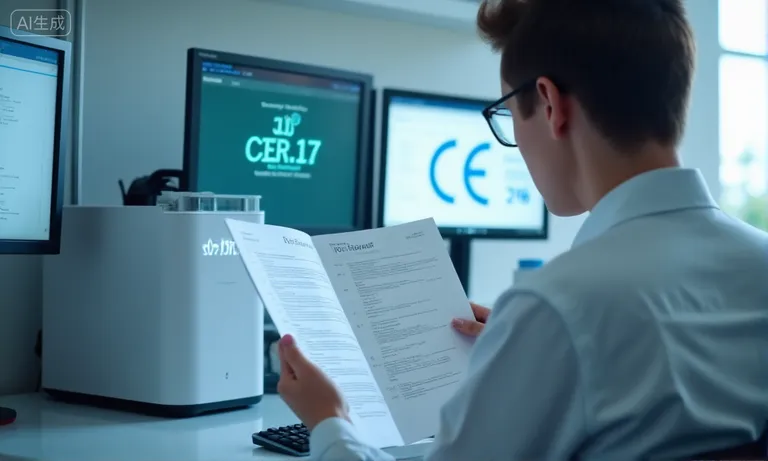
Dental devices manufactured with 3D printing fall under multiple frameworks:
Labs must track which certification applies to their market and product category, as compliance determines whether restorations can be legally delivered.
Regulations often lag behind innovation. For instance, while temporary crowns may be approved under specific resins, permanent restorations printed with the same equipment could fall into a regulatory grey zone. This leaves labs exposed: an implant bar accepted in one jurisdiction may be rejected in another. Regulatory gaps slow adoption because labs fear investing in equipment that might later face restrictions.
Traceability requirements mean every batch of resin and every print job must be recorded for compliance audits. Below is a simplified view of material considerations:
| Requirement | Impact on Labs |
|---|---|
| Biocompatibility certification | Determines if appliances can be placed intraorally |
| Lot number traceability | Labs must log resin batch for every patient case |
| Regional certification differences | A resin cleared in the EU may not yet be FDA-approved |
Failure to manage these details can result in rejected cases, reprints, and reputational damage with clinics.
Beyond materials, labs must consider digital data ownership. STL files and design libraries may be subject to intellectual property disputes. Some labs have faced questions over whether design rights belong to the clinic, the CAD technician, or the software provider. Establishing clear contracts and secure data management protocols reduces the risk of IP disputes and strengthens client trust.
Compliance is not simply paperwork—it shapes the commercial viability of 3D printing. Labs that plan for evolving certifications and manage traceability from the outset reduce disruption. Many overseas dental labs, including Raytops Dental Lab, share documentation templates and audit experiences with clients, helping them navigate certification hurdles more confidently.
3D printing reshapes daily operations in dental labs by introducing new file standards, additional processing steps, and integration challenges with traditional methods. While it expands capabilities, the transition often adds complexity that can slow production and increase rework if not carefully managed
Compatibility is a frequent hurdle. STL files exported from one CAD system may not perfectly align with another. Common issues include:
Unlike milling, printed parts require careful post-processing:
Most labs cannot switch fully to digital overnight. Hybrid workflows—using traditional impressions for some cases and digital design for others—are common during the transition. This requires careful scheduling to avoid bottlenecks, as staff must split time between casting and CAD work. A North American group lab found smoother adoption by assigning dedicated “digital champions” to oversee 3D print cases while others continued conventional methods.
Labs often encounter preventable mistakes such as:
Workflow disruption is not inherently negative—it signals change. Labs that recognize new file compatibility checks, post-processing protocols, and hybrid scheduling as part of the learning curve adapt faster. From our perspective as a global dental lab, Raytops Dental Lab has seen clients reduce workflow errors by creating joint checklists during the transition stage, turning disruption into a structured upgrade rather than chaos.
Dental labs can minimize disruption by treating 3D printing adoption as a phased transformation rather than a single purchase. Financial due diligence, pilot projects, and external partnerships allow labs to control risk while building confidence in new workflows.

Labs can lower risk exposure by following structured pre-adoption checks:
Instead of fully converting workflows, labs can run controlled pilot projects. For example, a U.K. lab began by printing only surgical guides for six months, allowing technicians to refine file preparation and curing protocols before adding splints and provisional crowns. Phased adoption helps staff gain confidence, reveals bottlenecks early, and prevents overinvestment in underutilized systems.
Partnerships extend internal capabilities without overwhelming staff:
By blending internal adoption with external support, labs build resilience while scaling up capacity.
Mitigating adoption risks requires more than choosing the right printer—it’s about building a structured framework that balances cost, training, and compliance. Many labs choose to work with global dental partners such as Raytops Dental Lab, leveraging shared training resources and pilot collaboration models to accelerate adoption while keeping risks under control.
Adopting 3D printing in dental labs brings both opportunity and risk. From hidden costs to compliance hurdles, success depends on structured planning, phased implementation, and access to the right expertise. Labs that combine internal training with external support avoid the common pitfalls of rushed adoption and unstable workflows. Working with an overseas dental lab partner such as Raytops Dental Lab can provide added stability through shared experience, quality frameworks, and scalable production support. For decision makers, the lesson is clear: 3D printing is not only a technology investment but a strategic collaboration that shapes long-term competitiveness.