Choosing a reliable implant restoration lab is not just about cost—it hinges on materials, processes, and expertise. High-performance zirconia, titanium, and hybrid ceramics, combined with digital workflows and strict quality checks, deliver restorations that are precise, durable, and clinically predictable.
Procurement teams often struggle to identify labs with proven implant capability versus those offering only general services. Key factors to evaluate include:
By applying these criteria, procurement professionals can identify partners that combine advanced materials and rigorous processes with responsive collaboration. The result is lower clinical risk, consistent quality, and stable supply partnerships for long-term restorative success.
Choosing the right materials and following standardized processes are the foundation of reliable implant restorations. Strong yet biocompatible materials ensure mechanical stability and patient comfort, while structured workflows minimize errors and delays. When labs combine both, outcomes are predictable and risks are reduced for procurement teams.
implant-materials-and-processes
When procurement teams evaluate dental labs, understanding the connection between material science and process reliability is the first filter to separate experienced implant labs from general providers. Labs that invest in both aspects consistently demonstrate lower remake rates, smoother logistics, and restorations that meet both functional and esthetic expectations.
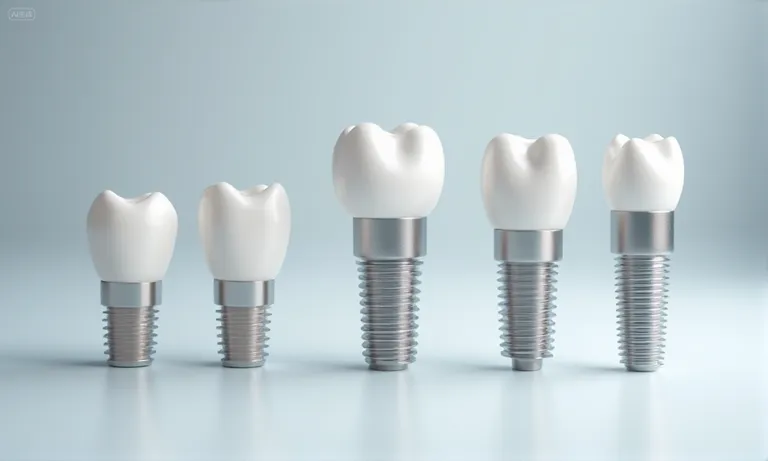
The choice of restorative materials directly determines strength, esthetics, and long-term performance in implant cases. Zirconia, titanium, precious alloys, and newer hybrid ceramics each serve specific functions, and procurement teams need to understand their trade-offs to align with clinical demands.
implant-restoration-materials
Zirconia has become the go-to choice for esthetic zones because of its tooth-like translucency and high strength. Multi-layer zirconia can withstand posterior loads, but it remains brittle compared to metals, and its strength depends on proper sintering and finishing.
Titanium is still the gold standard for abutments due to its unmatched strength, lightweight nature, and excellent biocompatibility. It integrates seamlessly with bone, minimizing rejection risks. However, it lacks natural translucency, so it is often veneered or used subgingivally.
| Material Type | Biocompatibility Impact | Clinical Consideration |
|---|---|---|
| Zirconia | High tissue tolerance, resists bacterial adhesion | Suitable for esthetic zones |
| Titanium | Excellent osseointegration, minimal allergy risk | Standard choice for abutments |
| Gold alloys | Stable, inert, tissue-friendly | Reliable but costly |
| Cobalt-chromium | Acceptable, but higher risk of sensitivity in some cases | Best for frameworks with limited exposure |
| Hybrid ceramics | Good, depends on resin content | Flexible but requires precise bonding |
When procurement teams review lab capabilities, the ability to provide multiple material options with proven biocompatibility signals flexibility and reliability. An overseas dental lab like Raytops dental lab often supports clients by offering zirconia, titanium, and hybrid solutions under one roof, helping reduce remake risks and streamline sourcing. the American College of Prosthodontists offers guidelines on restorative material selection.
Even the best materials and machines cannot deliver predictable implant outcomes without skilled technicians. Certifications, system versatility, and continuous training together define how well a lab translates digital designs into restorations that fit, function, and last.
dental-technicians-implant-expertise
Certified technicians demonstrate a recognized standard of competence, which reduces risks of misfit or esthetic failure. For implant restorations, training in implant-specific workflows ensures abutments and frameworks are designed to precise tolerances, minimizing chairside adjustments.
Implant technology evolves quickly, with new CAD modules, digital libraries, and materials emerging every year. Technicians engaged in ongoing education stay aligned with the latest standards, which directly benefits clients through improved fit accuracy, reduced remake rates, and updated esthetic techniques.
Labs that invest in technician growth, like Raytops dental lab, ensure clients receive restorations backed by both experience and continuous innovation. This combination of expertise and adaptability is a critical factor procurement teams should evaluate when comparing suppliers.
Modern implant restorations depend on digital workflows that integrate CAD/CAM design, 3D printing, milling, and precise finishing. A lab’s mastery of these processes directly impacts fit accuracy, esthetics, and reproducibility, making them a key criterion for procurement evaluation.
implant-restoration-digital-workflow
CAD/CAM platforms translate digital scans into restorations with micron-level accuracy. Automated milling reduces human error, while integrated libraries for implant systems (Straumann, Nobel Biocare, Zimmer) guarantee precise connections. This results in predictable seating and fewer chairside adjustments.
Final esthetic quality depends on ceramic layering, surface texturing, and staining. Skilled technicians use layering techniques to mimic natural translucency, ensuring restorations blend seamlessly with adjacent teeth. This stage often determines patient satisfaction, as it balances clinical function with esthetic expectation.
When evaluating suppliers, procurement teams should confirm not only the presence of advanced equipment but also the lab’s track record in managing digital workflows efficiently. Overseas partners like Raytops dental lab often demonstrate added value by integrating CAD/CAM with technician artistry, ensuring both precision and esthetic consistency. For more insights, the Journal of Prosthodontics provides case studies on digital implant workflows.
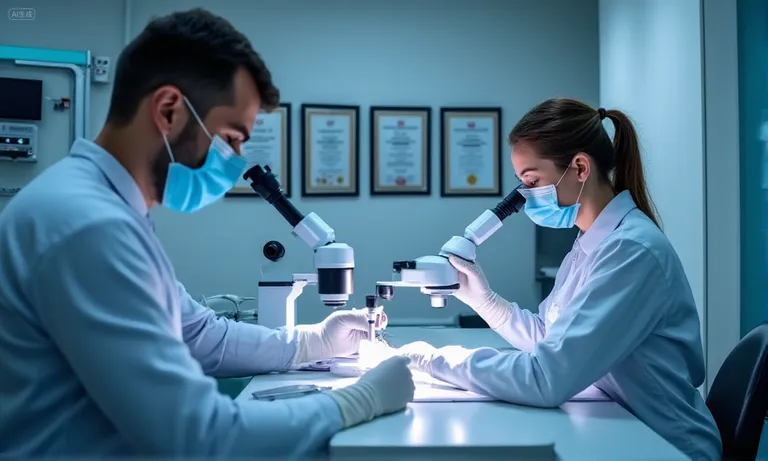
Reliable implant restorations depend on rigorous validation steps and consistent quality assurance. Procurement teams should assess how labs verify durability, biocompatibility, fit accuracy, and compliance with international standards. These measures minimize remake rates and give confidence in long-term outcomes.
dental-lab-quality-assurance
| Test Type | Purpose | Example Outcome |
|---|---|---|
| Fatigue testing | Measures resistance to chewing forces | Zirconia crowns withstand >1.2 million cycles |
| Corrosion testing | Confirms stability of titanium abutments | Minimal ion release under stress |
| Biocompatibility assays | Ensures tissue safety | No cytotoxic response in contact tests |
Labs use digital articulators, intraoral scanners, and verification jigs to confirm occlusal harmony and passive fit. Proper seating ensures the implant restoration does not stress bone or soft tissue, reducing biological complications and improving longevity.
These certifications confirm that a lab’s processes meet international standards for medical devices. ISO 13485 emphasizes quality management, CE demonstrates conformity for EU markets, and FDA registration validates compliance for U.S. imports. Procurement teams sourcing overseas benefit from these certifications as they reduce legal and clinical risks.
Global suppliers such as Raytops dental lab embed QA checkpoints throughout production and maintain international certifications, which strengthens confidence for procurement teams. Additional insights on certification standards can be found via the ISO 13485 official overview.
Smooth collaboration in implant restorations depends on clear communication and predictable delivery schedules. Procurement teams should evaluate not only how fast a lab delivers but also how well it manages expectations and responds to complex case requirements.

dental-lab-communication-turnaround
Timely and transparent communication ensures technical details are fully understood before production begins. This reduces the chance of misaligned specifications, costly remakes, and wasted chair time. Labs with dedicated account managers or project coordinators can streamline back-and-forth exchanges, giving procurement teams a more reliable workflow.
Labs experienced with urgent or highly technical implant cases often provide priority scheduling, multiple technician teams, and pre-arranged courier services. Their ability to integrate digital files rapidly into CAD/CAM workflows is a strong indicator of readiness. Procurement teams should confirm whether the lab offers escalation protocols for cases requiring same-week delivery.
Global partners such as Raytops dental lab support international clients with structured turnaround commitments and dedicated communication channels. This approach allows clinics to handle both routine cases and emergencies with confidence. Further guidance on best practices for lab-dentist communication can be found in the Journal of Prosthetic Dentistry.
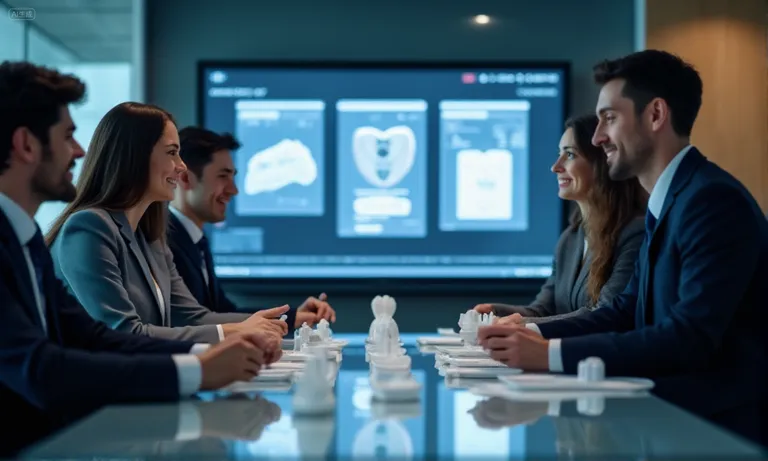
Procurement teams need clear methods to verify whether a dental lab’s materials and workflows truly meet implant restoration demands. Beyond brochures, practical checks and targeted questions reveal the difference between marketing claims and real operational strength.
evaluating-lab-materials-processes
Requesting trial cases or calibration restorations gives procurement teams direct insight into precision, turnaround time, and communication style. Sample crowns or abutments demonstrate whether a lab can meet margin fit, esthetic layering, and seating accuracy expectations. This hands-on verification often highlights strengths and gaps more effectively than documents or brochures.
While samples show immediate performance, sustained partnerships confirm reliability over time. Repeat clients and long-term accounts indicate consistent results across diverse cases. Reviews and feedback from other clinics often highlight factors like remake rates, communication speed, and overall collaboration quality, giving procurement teams evidence they can trust.
Overseas partners such as Raytops dental lab often provide trial restorations and reference cases for potential clients, supporting procurement teams in making low-risk, data-backed supplier decisions. More practical guidance on lab evaluation methods can be found via the American College of Prosthodontists resources.
Selecting a reliable implant restoration lab means looking beyond product availability to the foundation of materials, processes, and collaboration. Procurement teams gain confidence when a lab demonstrates proven material expertise, certified technicians, validated workflows, and clear communication. These capabilities directly reduce remake risks, support predictable outcomes, and enable long-term planning. Working with an experienced overseas dental lab ensures not only technical precision but also smoother global supply chain integration. The result is stronger trust, efficient collaboration, and restorations that consistently meet clinical and business expectations.