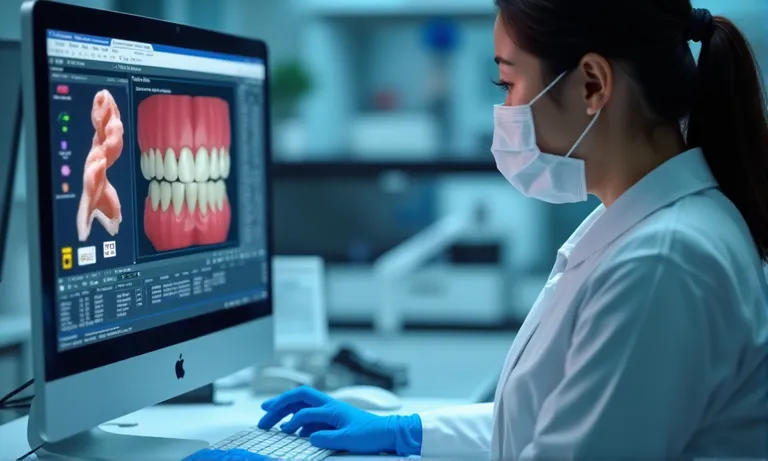
Digital workflows have become an essential component in modern restorative dentistry. For procurement teams seeking a reliable crown & bridge partner, the question is no longer just about product quality or cost — it’s about how well your lab can integrate into a digital-first clinical environment.
This article outlines how to assess digital readiness and collaboration capacity when sourcing a crown & bridge dental lab. Rather than focusing on marketing claims, procurement teams should prioritize labs with structured digital protocols, proven technical alignment, and consistent delivery standards.
Key evaluation criteria include:
A truly reliable partner is not defined by claims, but by systems — digital systems that support accuracy, transparency, and scale across every case.
A digitally compatible dental lab ensures seamless case flow, fewer remakes, and full utilization of your intraoral scanning investments. If a lab cannot natively integrate with your devices or platforms, even the most advanced technology on your end won’t guarantee success. Understanding digital compatibility upfront is key to building a stable, scalable crown and bridge workflow.
digital-dental-lab-compatibility-workflow
Not all labs that accept digital files are truly “digitally ready.” Procurement teams need to distinguish surface-level acceptance from true integration. A digitally mature lab is characterized by:
Labs lacking these elements may struggle with data quality, misinterpretation, or delays — negating the benefits of a digital workflow.
Different intraoral scanners and CAD/CAM platforms have specific technical requirements that must align with a lab’s systems. Here’s how they influence compatibility:
| Scanner/Platform | Key Integration Requirements | Lab Consideration |
|---|---|---|
| iTero | Closed ecosystem, needs direct integration | Lab must be certified or have direct bridge |
| 3Shape TRIOS | Open STL + proprietary format | Lab should support multiple 3Shape versions |
| Medit | Exports open STL, flexible compatibility | Lab must handle case labeling from MeditLink |
| Exocad | CAM module varies by lab hardware | Ensure version match and CAM path optimization |
| Planmeca | DICOM and STL, file integrity-sensitive | Lab must validate DICOM structure pre-CAM |
Choosing a lab without considering platform fit can cause workflow bottlenecks, compromised accuracy, or remakes due to misaligned interpretation of scan data.
Many practices underestimate how misalignments in digital systems impact case outcomes. To avoid that, watch for and prevent these common pitfalls:
✅ Assuming digital file acceptance means full compatibility – FALSE
Many labs accept STL files but lack the infrastructure to process, manage, and produce accurate restorations based on them.
❌ Any lab that accepts digital scans can handle all IOS systems – FALSE
Scanner ecosystems vary widely. Lab systems must be matched and validated per platform for precision collaboration.
A dental lab’s ability to handle digital workflows hinges on its technical infrastructure. Smooth collaboration doesn’t come from simply “accepting files” — it requires synchronized platforms, robust file handling protocols, and cloud-based systems to reduce friction. Labs that lack these capabilities often create invisible delays or data loss that compromise quality.
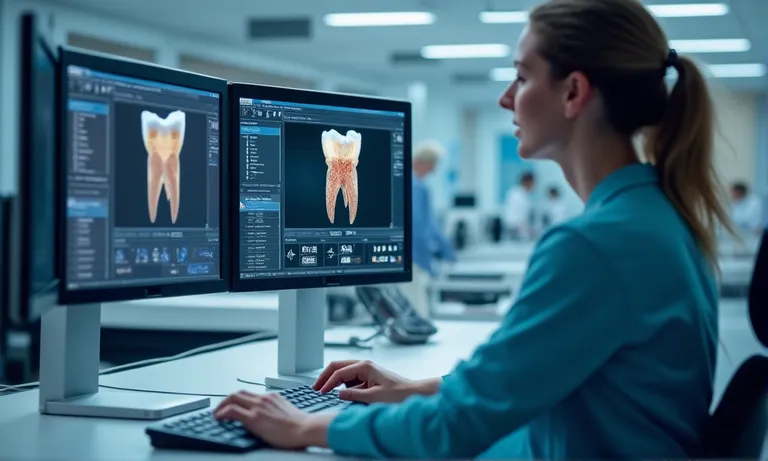
digital-dental-lab-technical-integration
Compatibility with various file formats is essential for digital case success. A digitally competent lab must be able to:
Without multi-format support, labs may need to convert files — increasing the chance of distortion, delay, or data loss.
Misaligned software versions between clinic and lab often cause file rejection or CAM failures. To avoid these pitfalls, a digitally mature lab must follow an internal version control system:
Version mismatch is a silent workflow killer. Labs that stay current reduce downstream disruptions and avoid unnecessary remakes.
The best labs use cloud-based platforms to manage incoming cases with full visibility. Key features that support case flow include:
Without these tools, even great technicians can be bottlenecked by poor communication or lost information. Digital integration is more than just software. It’s a system — and that system needs to be fast, transparent, and managed.
✅ Proactively managing file formats, versioning, and cloud flow improves case accuracy and reduces delays – TRUE
Digital labs that integrate end-to-end systems eliminate guesswork, standardize intake, and offer traceable progress across platforms.
❌ Assuming email and STL upload alone are enough for digital workflows – FALSE
Lack of live portals and structured updates leads to misalignment, file loss, or timing issues that compromise delivery precision.
Digital workflows improve both the precision and consistency of crown and bridge restorations. By eliminating many of the manual, error-prone steps in analog fabrication, digital systems enable predictable results, reduce remakes, and streamline clinical chair time. This reliability becomes a competitive advantage for dental labs aiming to scale partnerships with consistent delivery quality.
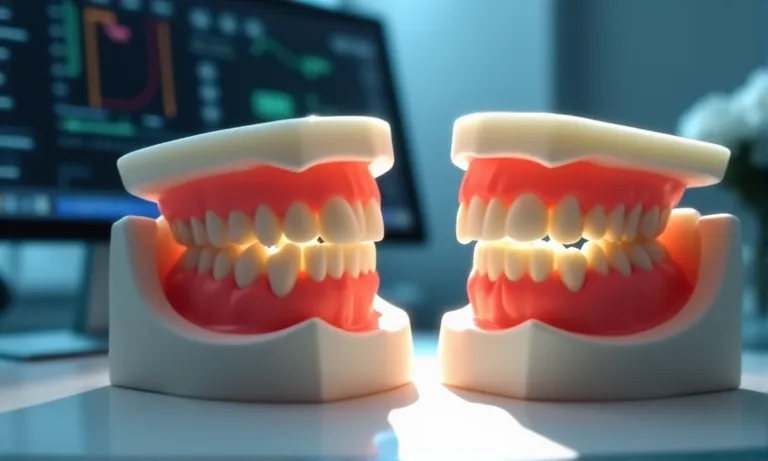
crown-bridge-digital-vs-analog-accuracy-comparison
Digital workflows reduce common inaccuracies found in manual processes by:
This ensures tighter fits, cleaner margins, and fewer adjustments across batches.
Labs that adopt full digital workflows report significantly lower remake rates due to:
Together, these capabilities lead to greater confidence in first-time fit and faster clinical procedures.
Across hundreds of cases, internal data shows clear benefits of digital consistency:
| Metric | Digital Workflow | Analog Workflow |
|---|---|---|
| Marginal Fit Accuracy (µm) | 40–60 | 80–120 |
| First-Time Fit Rate | 92% | 73% |
| Occlusal Adjustment Time | ~3 min | 10–15 min |
| Remake Rate (per 100 cases) | 2–3 | 9–12 |
| Cross-case Standardization | High | Low to variable |
By relying on validated digital parameters rather than manual interpretation, labs can produce results that are both scalable and dependable.
Digital workflows create a measurable performance advantage in restoration fabrication.
They help labs achieve tighter fits, faster turnaround, and greater cross-case repeatability — all of which reduce clinical friction and build long-term trust with partners.
In digital dentistry, faster doesn’t mean riskier — it means smarter. A digitally integrated dental lab can offer both speed and reliability by streamlining case flow, leveraging cloud-based systems, and syncing across time zones. Labs that prioritize transparency, case visibility, and predictable delivery windows make better partners for clinics focused on patient experience and schedule optimization.
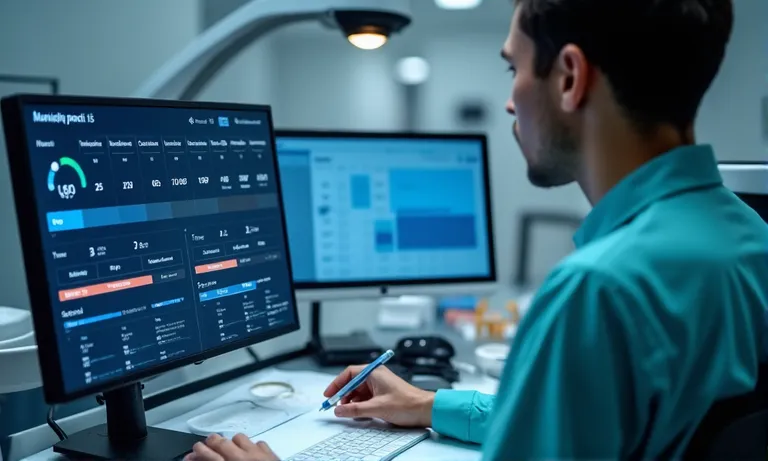
digital-dental-case-tracking-dashboard
Digitally managed workflows reduce idle time between steps and accelerate delivery cycles through:
These efficiencies translate to delivery cycles as short as 48–72 hours, even for complex cases.
Operating across borders doesn’t have to mean slower turnaround — when labs use timezone-aware tools:
By building around timezone gaps rather than ignoring them, smart labs maintain delivery predictability even across continents.
Clinics working with offshore labs often worry about case progress “black holes.” But well-run digital labs prevent that through:
This transparency reduces back-and-forth and allows clinics to plan confidently — minimizing stress and improving schedule integrity.
Labs that offer rapid turnaround aren’t cutting corners — they’re cutting delays.
✅ Digitally integrated workflows increase speed without sacrificing quality – TRUE
Real-time intake, automated processing, and timezone-aware communication improve both speed and consistency.
❌ Faster delivery always comes at the cost of accuracy – FALSE
With the right systems, speed and precision are no longer a tradeoff — they’re parallel outcomes of better coordination.
Effective communication isn’t just about messaging — it’s about precision, visibility, and responsiveness across every phase of a digital case. For overseas dental labs working with clinics in different time zones, structured communication protocols are the glue that holds digital workflows together. Without them, even the most advanced technology can fall short.
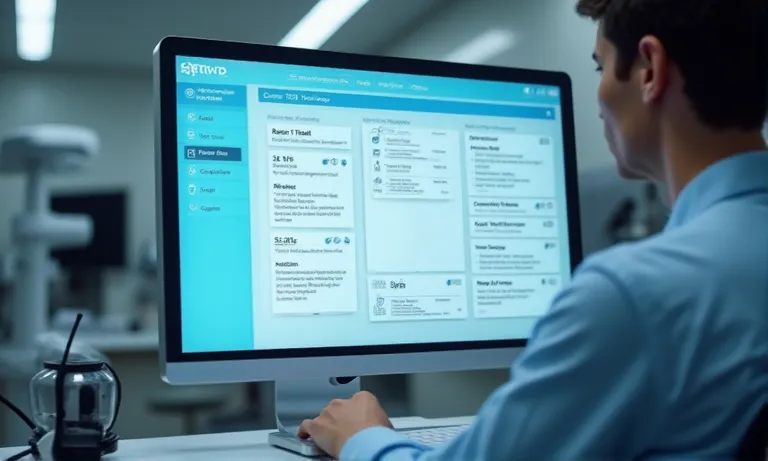
dental-lab-digital-communication-protocol
When communication tools are directly embedded in the workflow system, labs and clinics stay aligned in real time. Key mechanisms include:
These systems eliminate ambiguity and reduce response latency across continents.
Even digital workflows can suffer when communication lacks clarity. Common issues include:
Identifying and correcting these breakdowns early prevents snowballing delays and trust erosion.
Cross-timezone collaboration works best when synchronized systems support asynchronous communication. A proven coordination process includes:
These coordination tools make digital case flow smoother — even when teams never speak in real time.
Strong communication isn’t about how often you talk — it’s about building clarity into the workflow itself.
Labs that embed structured protocols deliver not just crowns and bridges, but confidence and predictability across every touchpoint.
Trial orders and RFPs are not just about checking product quality — they are your window into a lab’s digital maturity. How a dental lab receives, processes, delivers, and communicates during a test case reveals whether it’s equipped to handle long-term digital collaboration. For procurement teams, this is the most direct, low-risk way to validate fit before committing to scale.
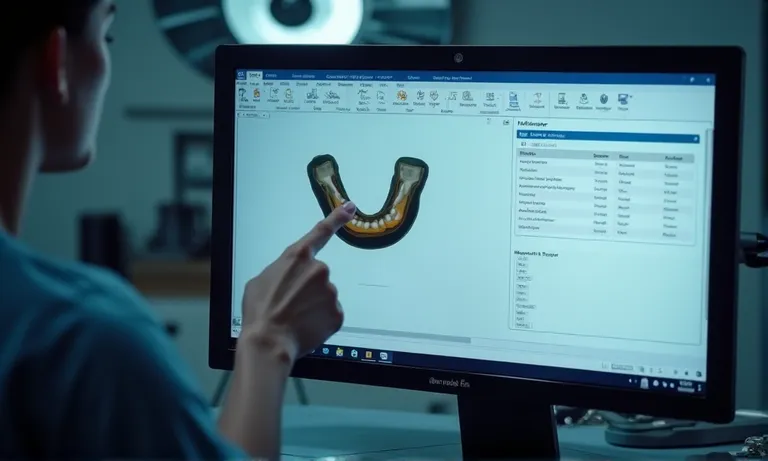
digital-dental-trial-order-feedback
A well-structured trial case should test both clinical output and digital compatibility. Suggested trial design steps:
A successful trial isn’t just about fit — it’s about flow, response, and precision.
During and after the trial, you should evaluate the lab’s digital readiness from multiple angles:
Labs that only “accept” files but fail to manage or respond through structured digital channels often show their limitations here.
Red flags to watch for in a digital trial evaluation:
Even if the crown fits, a lab without a mature digital process will create friction as volume increases.
✅ Digital maturity shows through structured feedback, traceable timelines, and file discipline – TRUE
These indicators reflect not just case outcome, but the systems that ensure consistency and scalability.
❌ If a test crown fits, the lab is ready for full digital collaboration – FALSE
One-time fit does not equal workflow readiness. Sustainable digital partnerships rely on system-level precision and responsiveness.
In a digitally enabled world, proximity is no longer the only deciding factor. For dental clinics and procurement teams, choosing between local labs and global partners comes down to balancing responsiveness, cost, scalability, and digital integration. A reliable crown & bridge partner today must deliver more than fast shipping — it must deliver digital confidence across borders.
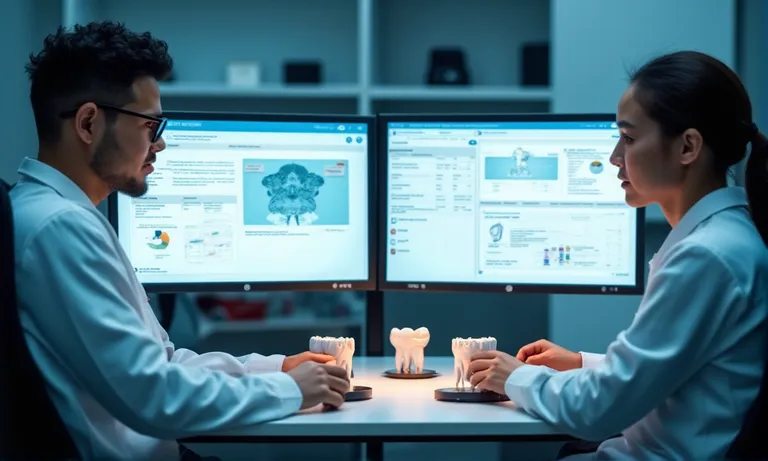
dental-lab-global-local-collaboration
Proximity used to ensure faster adjustments, clearer communication, and easier handoffs. But in digital workflows:
Proximity still offers value in urgent remakes or same-day cases — but it’s no longer a necessity for routine crown & bridge workflows.
Well-equipped China-based dental labs have invested heavily in digitization. Key capabilities include:
These digital investments allow overseas labs to act as seamless back-end production partners rather than simply subcontractors.
Global dental partnerships succeed when logistics and coordination systems are aligned. Best practices include:
Digital-first doesn’t mean timezone-blind. With structured systems, distance becomes an operational detail — not a barrier.
Working with global dental labs is not a trade-off — it’s a strategy.
When supported by clear digital infrastructure and strong production capabilities, global partners can offer both cost advantages and high-consistency digital support.
Sustained digital partnerships in crown & bridge workflows rely on more than just one-time fit or pricing. For long-term success, procurement teams must evaluate how a dental lab standardizes repeat orders, aligns with clinic systems, and supports onboarding and communication protocols. Digital maturity is the foundation — but collaborative infrastructure is the glue.
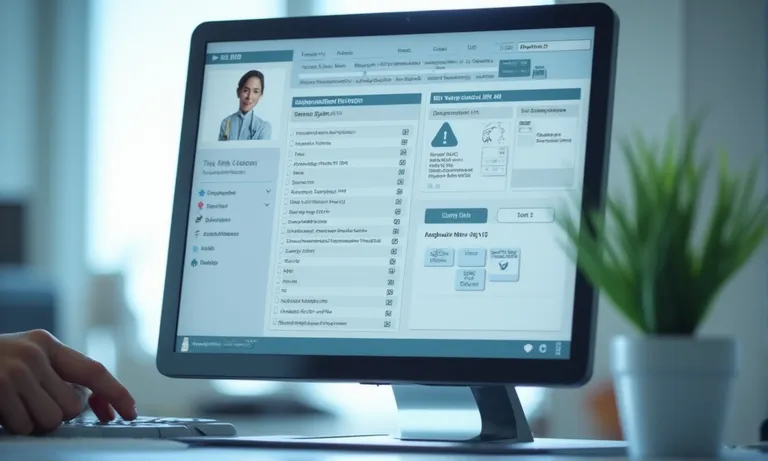
digital-lab-long-term-collaboration-flow
A lab prepared for long-term collaboration builds case predictability through standardization. Key elements include:
This reduces variation, enhances efficiency, and minimizes back-and-forth communication.
Modern labs increasingly integrate with dental offices’ digital ecosystems. Readiness includes:
Labs that offer software bridges significantly reduce administrative overhead and file handling errors.
The onboarding experience often predicts the relationship’s future. Reliable labs invest in:
These aren’t just soft touches — they reflect internal discipline, long-view planning, and a partnership mindset.
✅ Standardized digital workflows signal long-term readiness – TRUE
Templates, protocols, and system bridges allow scale and reliability over time.
❌ Long-term lab partners emerge naturally after a few good cases – FALSE
Sustainable collaboration requires planned integration, not passive progression.
Choosing a crown & bridge lab in a digital-first world means finding a partner — not just a provider. Compatibility, consistency, and coordination matter as much as craftsmanship. A truly reliable lab integrates smoothly into your systems, aligns with your workflow, and supports your long-term clinical goals.
At Raytops Dental Lab, we’ve built digital infrastructure and communication protocols that meet these standards — enabling global collaboration without compromise.
Look beyond price. Choose a digitally fit, operationally ready partner — one that works as part of your clinical team.