Pricing inconsistencies in Hi-Noble PFM crowns can lead to confusion when comparing suppliers. Without understanding what drives cost, clinics may sacrifice quality or overpay for features that don’t match their clinical priorities. By evaluating material, labor, technology, and turnaround factors, clinics can make informed purchasing decisions that align with value and patient outcomes.
The pricing of Hi-Noble PFM crowns is influenced by noble metal content, production technology, technician labor, design complexity, lab location, turnaround time, and supplier quality. These factors interact to determine unit cost and reflect both material value and clinical performance expectations.
How Does Material Quality Impact the Price of Hi-Noble PFM Crowns?
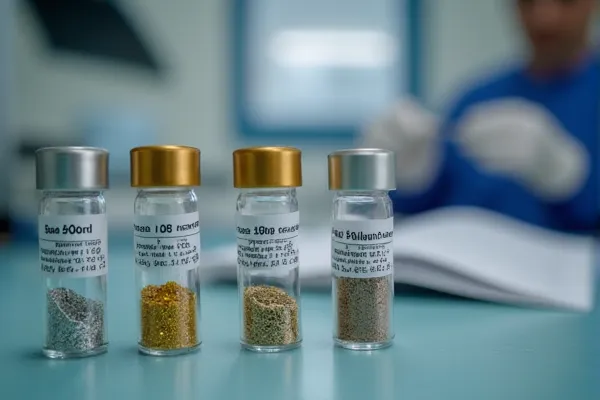
The price of Hi-Noble PFM crowns is directly affected by the quality and composition of the metals used. Higher noble content, traceable sourcing, and alloy consistency contribute to both cost and clinical reliability.
Hi-Noble-Material-Quality-Cost
How Does Noble Metal Content Contribute to the Price of PFM Crowns?
The proportion and type of noble metals significantly drive unit pricing:
Gold content: Gold-heavy alloys (≥40%) dramatically increase raw material cost but offer higher esthetic and handling benefits.
Palladium and platinum: These stabilize performance but add premium pricing due to market volatility.
Noble vs. base metal: Hi-Noble alloys are ≥60% noble metal, commanding a higher price than base alloys (<25% noble content).
Volatility exposure: Crown cost may fluctuate based on metal commodity market trends.
How Material Sourcing Affects the Cost of Hi-Noble PFM Crowns
Not all Hi-Noble metals are equal—their origin and traceability affect price and risk:
Ethical sourcing: Conflict-free, certified suppliers often cost more but ensure regulatory compliance.
Import tariffs: International alloy transport may incur added duties, passed along to labs or clients.
Batch certification: Metals with ISO/ADA-compliant documentation increase trust but add sourcing steps.
Alloy blending consistency: Premium brands offer tighter control over metal ratios, reducing clinical variability.
Supplier reputation: Established manufacturers with proven dental-grade alloys often come at a premium.
What Are the Cost Differences Between Various Material Grades in PFM Crowns?
Material Grade
Noble Metal %
Typical Price Impact
Clinical Benefit
Hi-Noble (≥60%)
Gold/Palladium ≥60%
Highest
Best esthetics, biocompatibility
Noble (≥25% <60%)
Palladium heavy
Medium
Good performance, lower gold cost
Base Metal (<25%)
Non-noble (Ni, Cr)
Lowest
Lower cost, higher failure risk
Higher material cost reflects not just metal value but also consistency, esthetics, and long-term clinical performance.
How Does Production Technology Influence the Price of Hi-Noble PFM Crowns?
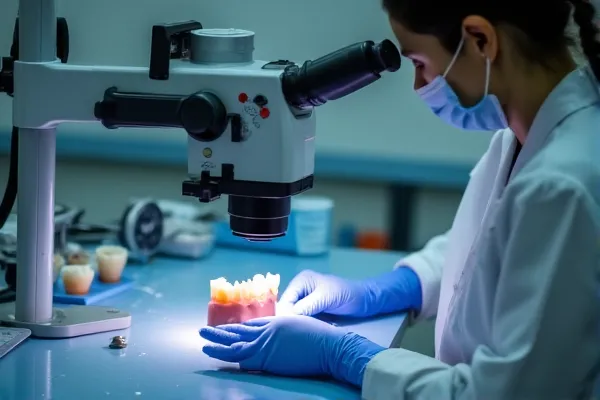
Production technology significantly shapes the cost structure of Hi-Noble PFM crowns. Digital methods may reduce labor per unit but require upfront investment, while traditional workflows offer flexibility with higher manual time input.
PFM-Crown-Production-Technology-Cost
How Does CAD/CAM Technology Influence the Cost of PFM Crowns?
Digital workflows introduce both cost savings and investment:
Initial investment: Equipment purchase and software licensing raise fixed costs.
Higher volume efficiency: Once amortized, CAD/CAM systems reduce cost per unit in larger batches.
Consistency in design: Fewer remakes reduce waste-related costs over time.
Less manual error: Automated precision lowers quality control time.
Training cost: Skilled digital technicians may command higher salaries during tech transition.
How Sintering and Milling Processes Influence the Cost
The specific digital processes used also shape production cost profiles:
Digital modeling – Time-saving over wax-ups, but requires calibrated software.
Milling – Zirconia or metal coping milling introduces material/tool wear costs.
Sintering (if applicable) – Adds energy and time costs, especially in high-strength ceramic substructures.
Post-processing – Final fit adjustment, staining, and glaze still require technician skill and time.
Machine maintenance – Ongoing upkeep of milling and sintering units adds to cost per use.
What Is the Labor Cost Difference Between Traditional and Digital Manufacturing?
Workflow Type
Labor Intensity
Per-Unit Time
Cost Implications
Traditional (manual)
High
Long
Greater unit cost due to technician time
Digital (CAD/CAM)
Medium
Shorter
Scalable efficiency, but higher startup costs
✅ Digital production reduces long-term unit costs but requires higher upfront investment – TRUE When case volume justifies it, CAD/CAM pays off in consistency, speed, and reduced manual errors.
❌ Manual production is always more cost-effective than digital workflows – FALSE Manual workflows may suit low-volume labs but generally raise unit costs due to labor and remake risk.
How Do Labor and Production Time Influence the Price of Hi-Noble PFM Crowns?
The complexity and duration of human involvement are core pricing drivers for Hi-Noble PFM crowns. Skilled labor, manual adjustments, and workflow bottlenecks all impact per-unit cost, especially in low-to-mid volume labs.
PFM-Crown-Labor-Production-Cost
How Does Skilled Labor Contribute to the Cost of PFM Crowns?
Technician skill level directly affects both quality and cost:
Hand-layered porcelain: Requires trained ceramists, raising labor cost per unit.
Manual fit adjustments: Time-intensive occlusal tuning adds hours to production.
Esthetic customizations: Characterization and staining are artisanal steps.
Crown remake prevention: Skilled labor reduces errors and costly redos.
How Production Time Affects Pricing for PFM Crowns
Every hour added to a crown’s workflow increases its cost:
Setup time: Each individual case setup increases bench time.
Drying and curing stages: Multiple kiln cycles and cooling intervals slow turnaround.
Staging delays: Bottlenecks between technicians extend production timelines.
Interruption risk: Case revisions or unclear prescriptions prolong work.
Overtime and shifts: Meeting deadlines with added shifts inflates labor overhead.
What Strategies Help Reduce Production Time and Costs for PFM Crowns?
Standardized prescriptions – Minimizes back-and-forth and manual interpretation.
Digital intake systems – Speeds up case registration and technician routing.
Layering protocol templates – Streamlines esthetic builds and firing sequences.
Cross-trained staff – Fills gaps during rush periods, reduces delays.
Batch scheduling – Aligns similar cases to maximize kiln and bench efficiency.
Time is cost. Labs that streamline production while preserving quality deliver better value without compromising craftsmanship.
How Does the Complexity of the Design Affect the Price of Hi-Noble PFM Crowns?
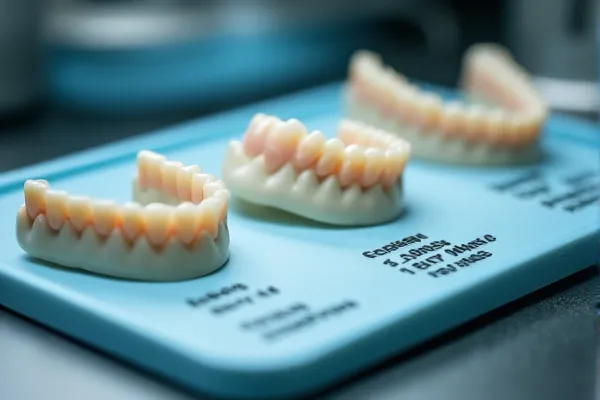
Design complexity directly influences the cost of Hi-Noble PFM crowns. The more detailed the customization, units involved, and esthetic requirements, the more time and expertise are needed, increasing overall production cost.
Complex-PFM-Crown-Design-Cost
Why Do Custom Design Features Increase the Cost of PFM Crowns?
Every unique detail added to a case demands additional skill and time:
Precision-first: Fit-driven crowns may require more digital verification or remakes.
Budget-first: Design options are narrowed, often limiting esthetic enhancements.
✅ Design complexity significantly increases cost due to added technician time and material steps – TRUE Esthetic features and multi-unit customization require highly skilled work, increasing per-case pricing.
❌ One PFM crown design costs the same as another regardless of features – FALSE Design intricacy affects everything from layering time to verification steps—costs are not flat-rate.
How Do Lab Location and Reputation Influence PFM Crown Pricing?
A dental lab’s geographic location and reputation directly impact crown pricing due to operational costs, logistics, and perceived value. Understanding how these elements factor in helps clinics evaluate price differences more accurately.
Dental-Lab-Location-Reputation-Cost
How Does Lab Location Influence Shipping Costs and Delivery Time?
Where a lab operates can influence both direct and indirect cost elements:
Freight and courier charges: Longer shipping distances increase overall cost per case.
Customs and tariffs: International labs may face import duties affecting final pricing.
Delivery speed options: Faster services like DHL Express raise case cost.
Risk of delays: Time zone gaps or customs hold-ups can impact clinic scheduling.
Communication efficiency: Local labs may offer quicker response and issue resolution.
How Reputation and Experience Can Justify Higher Prices
A premium price often reflects the lab’s proven track record and service consistency:
Case predictability: Fewer remakes and stronger first-pass fit save downstream costs.
Technician expertise: Veteran teams deliver high-end results with fewer touchups.
Brand trust: Clinics pay more for labs with long-term reliability and portfolio depth.
Esthetic consistency: High-end labs build trust with consistent visual quality across cases.
Client support: Dedicated contacts and clinical coordination often justify a premium.
Why Do Certifications and Compliance Affect PFM Crown Pricing?
Lab pricing often reflects its investment in compliance and documentation:
ISO 13485 certification: Ensures quality management systems tailored for medical devices.
FDA registration: Adds operational credibility and market entry compliance.
Material traceability: Full documentation of alloy sources increases overhead but ensures safety.
Audit readiness: Labs that maintain inspection readiness operate under higher cost controls.
Labs aren’t just vendors—they’re production partners. Their location, reputation, and compliance level shape both cost and confidence in long-term outcomes.
How Do Turnaround Time and Delivery Speed Impact the Price of Hi-Noble PFM Crowns?
Faster turnaround often requires schedule reprioritization, extra shifts, or expedited logistics—all of which increase the cost of Hi-Noble PFM crowns. Understanding how delivery speed affects pricing helps clinics set realistic expectations.
PFM-Crown-Turnaround-Speed-Cost
How Rush Orders Affect the Cost of Hi-Noble PFM Crowns
Speed comes at a price when labs must reorganize resources:
✅ Rush orders increase production and logistics costs for Hi-Noble PFM crowns – TRUE Shorter turnaround compresses labor, increases shipping expense, and demands schedule disruption.
❌ Delivery speed has no real impact on PFM crown pricing – FALSE Faster fulfillment affects labor use, error risk, and shipping logistics—all factored into the price.
How to Select the Right Hi-Noble PFM Crown Supplier for Price and Quality?
Choosing a Hi-Noble PFM crown supplier involves balancing unit cost, product consistency, service quality, and long-term reliability. A structured approach helps clinics and labs avoid compromises on either price or outcome.
Hi-Noble-Crown-Supplier-Selection
What Factors Should Be Considered When Comparing PFM Crown Suppliers?
Not all suppliers operate under the same quality, pricing, or process standards:
Regulatory compliance: FDA and ISO certifications are baseline requirements.
Material transparency: Clear disclosure of metal composition and source builds trust.
Production consistency: Proven track record in esthetic and functional reliability.
Communication and support: Responsive channels for adjustments, remakes, or consultation.
Pricing structure: Avoid hidden charges for shipping, adjustments, or remakes.
What Are Effective Ways to Negotiate Price Without Compromising Quality?
Negotiation is not just about discounts—it’s about alignment:
Volume-based agreements: Secure lower per-unit rates with consistent case volume.
Package pricing: Bundle multiple services (e.g., anterior/posterior or implant-supported crowns).
Remake terms: Clarify policy on adjustments and who bears the cost.
Forecasting: Offer visibility into case pipeline to enable better lab resource planning.
Trial batch evaluation: Validate quality and turnaround time before committing to long-term rates.
How Can Long-Term Supplier Relationships Improve Value in Crown Sourcing?
Strong supplier partnerships deliver more than just cost savings:
Process familiarity: Less back-and-forth when preferences and workflows are known.
Priority support: Long-term partners often get faster response and flexible scheduling.
Training and onboarding: Reliable suppliers offer support to onboard new clinic staff or processes.
Co-development opportunities: Some labs collaborate on customized protocols for higher efficiency.
Shared QC standards: Alignment on fit and esthetic expectations reduces remakes and delays.
Partnering with a reliable Hi-Noble PFM crown supplier isn’t just about price—it’s about predictability, transparency, and long-term clinical success. Contact us to request trial units or supplier evaluation materials to begin a confident comparison.
Conclusion
The cost of Hi-Noble PFM crowns is shaped by a combination of material composition, manufacturing methods, labor input, and supplier practices. Understanding these cost drivers enables clinics and labs to align their budget with clinical quality—ensuring esthetic, structural, and logistical performance without overspending.
Hi-Noble PFM crown pricing depends on alloy quality, production methods, labor input, and service expectations.
Material quality drives pricing through noble metal percentage, ethical sourcing, and batch consistency.
Manufacturing processes such as CAD/CAM and sintering impact cost efficiency and per-unit stability.
Labor and technician time influence pricing through manual esthetic work, adjustments, and staging time.
Design complexity adds cost when esthetic layering, multi-unit coordination, or custom features are involved.
Lab location and reputation affect pricing through operational overhead, logistics, and perceived brand value.
Turnaround time raises prices when express production or rush shipping disrupts regular scheduling.
Choosing a reliable Hi-Noble crown supplier ensures pricing transparency, clinical reliability, and long-term procurement value.
Raytops Dental Lab combines certified Hi-Noble alloys, CAD/CAM efficiency, and skilled ceramic artistry to deliver value-driven restorations. Connect with our team to request a quote, trial case, or pricing consultation tailored to your needs.