Restoration delays can disrupt clinical schedules and compromise patient satisfaction. Each crown material—monolithic zirconia, high translucent zirconia, and IPS e.max—has unique production demands that influence turnaround time. By understanding how lab capabilities, material complexity, and workflow alignment affect delivery, clinics can better manage expectations and streamline restorative planning.
Delivery time is affected by material type, lab technology, esthetic complexity, and order clarity. Monolithic zirconia crowns are fastest due to digital workflows and minimal manual steps; high translucent and IPS e.max crowns require more customization, increasing turnaround. Lab capabilities and geographic location also impact overall timing.
What Are the Typical Delivery Times for Monolithic Zirconia Crowns?
Monolithic zirconia crowns generally have the shortest turnaround time among ceramic restorations due to their streamlined production. Understanding average lead times, influencing factors, and material comparisons helps dental professionals choose the right solution for different clinical timelines.
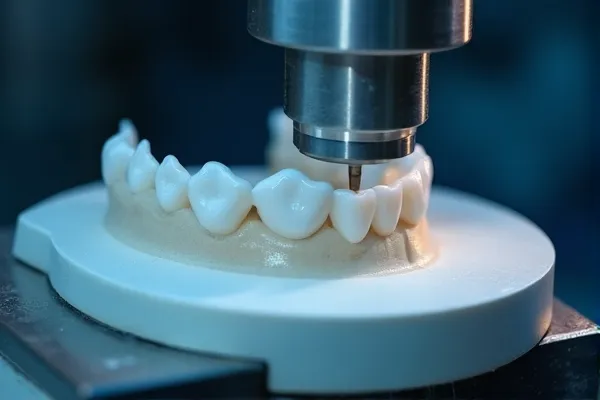
Dental-Lab-Monolithic-Zirconia-Crown-Production
What Is the Average Production Time for Monolithic Zirconia Crowns?
Monolithic zirconia crowns typically require 3 to 5 lab working days from scan to shipment, assuming a digital workflow and in-house milling.
Most digital cases (with clean prep and scan) enter milling within 24–36 hours.
Sintering adds 6–12 hours depending on furnace batch capacity and cycle.
Post-sintering adjustments, staining, and glazing may take another 1–2 days.
Delays mainly occur in cases needing manual modification, rush orders, or remakes.
What Factors Affect the Delivery Speed of Monolithic Zirconia Crowns?
Delivery time varies depending on lab capabilities, case complexity, and clarity of initial inputs.
CAD/CAM Readiness: Digital impressions and margin clarity greatly reduce design time.
Lab Workflow Efficiency: High-throughput labs with parallel milling and sintering lines can shorten production cycles.
Case Volume & Type: Single-unit posterior crowns are fastest; full-arch or complex esthetic cases may extend turnaround.
Adjustment or Remake Rate: Misfit or unclear orders often trigger redesigns, adding 1–2 days minimum.
How Do Monolithic Zirconia Delivery Times Compare to Other Materials?
Material Type
Typical Lead Time
Key Delay Factors
Monolithic Zirconia
3–5 days
Complex design, remakes, manual tweaks
High Translucent Zirconia
4–6 days
Esthetic staining, contour adjustments
IPS e.max Press
5–7 days
Layering, pressing cycle, shade matching
✅ Monolithic zirconia crowns are faster to deliver than layered ceramics – TRUE Their one-piece structure eliminates layering and reduces manual labor, making them ideal for short turnaround cases.
❌ All zirconia restorations share the same lead time – FALSE Translucent and esthetic variants often involve more manual adjustments, extending production schedules.
What Is the Typical Delivery Time for High Translucent Zirconia Crowns?
High translucent zirconia crowns generally require slightly longer turnaround times than monolithic zirconia due to increased aesthetic processing steps. Understanding their standard delivery timelines and influencing factors helps clinics plan cases involving esthetic demands more precisely.
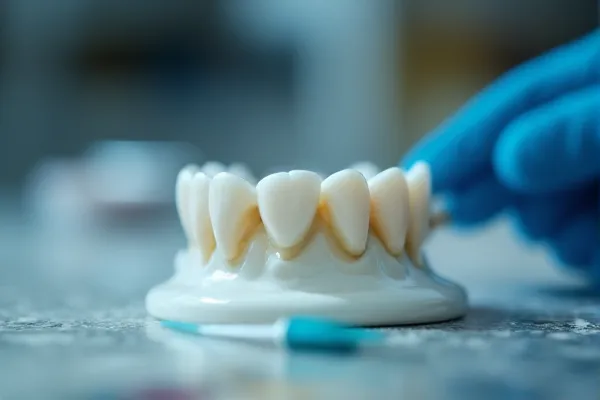
Dental-Lab-High-Translucent-Zirconia-Staining
Standard Turnaround Times for High Translucent Zirconia
Most high translucent zirconia crowns take 4 to 6 lab working days, depending on complexity and lab workflow.
Posterior units with light customization: 3.5–4.5 days
Anterior esthetic cases with incisal detailing: up to 6 days
Lab backlog, furnace capacity, and drying cycles can add 0.5–1 day
Manual touches like contouring or shade refinement extend lead time
What Affects the Delivery Time of High Translucent Zirconia Crowns?
Esthetic demand, material handling, and lab experience all influence production time.
Stain and Glaze Cycles: Extra steps for natural shading and texture may require multiple firings
Material Brittleness: Increased translucency reduces tolerance for aggressive adjustments, slowing finishing
Lab’s Esthetic Team: Availability and specialization of ceramists directly impact speed
Client Inputs: Incomplete or vague shade instructions delay start and may trigger back-and-forth communication
What Role Does Aesthetic Performance Play in High Translucent Zirconia Delivery Time?
Greater esthetic demand introduces additional manual steps that lengthen the lab timeline.
Digital Design Approval: Esthetic cases may include mockups or wax-ups for dentist review
Shade Matching Tests: Custom shade tab creation or try-ins may be required
Characterization & Glaze: Layered stain work is time-consuming, especially when mimicking natural translucency zones
Quality Checks: Final esthetic inspection before shipment adds another checkpoint to the process
✅ High translucency requires more manual detailing – TRUE To achieve lifelike outcomes, high translucent zirconia often undergoes detailed staining and polishing steps beyond basic monolithic restorations.
❌ Translucent zirconia always ships within 3 days – FALSE While technically possible for posterior units, anterior and esthetic cases typically need longer for accurate shade reproduction and contouring.
What Are the Delivery Times for IPS e.max Crowns?
IPS e.max crowns typically have longer lead times compared to zirconia due to their multi-step fabrication process, including pressing, layering, and custom staining. Understanding their delivery schedule helps clinics set proper expectations and allocate chair time effectively.
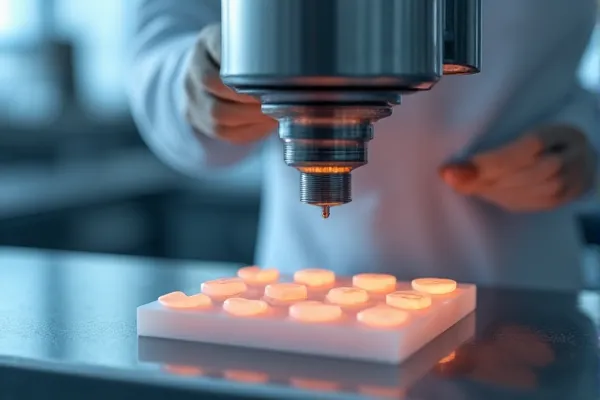
Dental-Lab-IPS-eMax-Pressing-Oven
Average Lead Time for IPS e.max Crowns
IPS e.max restorations usually require 5 to 7 working days due to the added ceramic processing.
Pressed crowns with standard staining: ~5 days
Layered anterior units with incisal build-up: 6–7 days
Long-span bridges or challenging preps may extend production further
Material prep, pressing, devesting, and ceramic build-up each add time blocks
Factors Impacting IPS e.max Crown Delivery Speed
Multiple manual and thermal processing steps contribute to longer production.
Pressing Schedule: Furnaces often batch similar shades/materials to optimize cycle usage
Shade Complexity: Requests for layered translucency, mamelons, or halo effects extend labor time
Framework Modifications: Inaccurate margins, deep shoulders, or post-core designs may require wax-ups and re-impressions
How Do IPS e.max Delivery Times Compare to Other Materials?
Material Type
Typical Lead Time
Time-Intensive Steps
Monolithic Zirconia
3–5 days
Milling, sintering, minimal stain
High Translucent Zirconia
4–6 days
Contouring, staining, multiple firings
IPS e.max (Pressed/Layered)
5–7 days
Pressing, layering, multi-firing, QC
✅ IPS e.max crowns require more fabrication steps than zirconia – TRUE Each crown involves pressing, investment removal, esthetic layering, and repeated sintering, making turnaround longer by nature.
❌ e.max crowns can be made as fast as monolithic zirconia – FALSE Even the fastest IPS e.max cases need more handling and heat processing than digitally milled zirconia, making quick production less feasible.
How Do Laboratory Capabilities Affect Delivery Times for These Crowns?
A dental lab’s production speed depends heavily on its internal capabilities—technology, location, and experience. These factors determine whether a case moves efficiently through the workflow or stalls at multiple stages, directly impacting clinical scheduling and patient satisfaction.
Dental-Lab-Digital-Workflow-Speed
How Technology and Equipment Speed Up Production
Labs equipped with advanced digital tools consistently deliver faster, more consistent outcomes.
In-house milling and sintering eliminate shipping delays and batching dependencies.
Digital scanners and CAD/CAM reduce design and verification time significantly.
Automated workflows help prioritize rush cases without disrupting standard queues.
Material-specific ovens speed up processing by avoiding multi-material setup delays.
The Impact of Lab Location on Delivery Time
Geographic distance from the clinic affects both production planning and shipping timelines.
Regional labs may offer same-day pickup or overnight shipping for urgent cases.
Offshore labs often add 2–3 days for international logistics, even with express carriers.
Proximity to customs clearance centers influences how quickly international shipments clear border checkpoints.
Weather and carrier delays also factor in based on location stability.
What Role Does Lab Experience Play in Reducing Lead Time?
Experienced teams are quicker at identifying and resolving workflow bottlenecks.
Senior ceramists complete esthetic build-ups faster with fewer adjustments.
Case triage protocols allow efficient prioritization without jeopardizing quality.
Project managers or coordinators streamline communication with the clinic to minimize approval delays.
Experienced labs not only move faster—they also reduce the risk of late-stage corrections, which often cost more time than initial production.
How Do Different Delivery Times Impact Dental Clinics and Patients?
Crown delivery times directly influence clinical scheduling, patient satisfaction, and treatment predictability. Faster, more consistent timelines help clinics reduce chair-time inefficiencies and build trust with patients expecting timely restorations.
Dental-Clinic-Scheduling-Crown-Fitting
How Fast Delivery Benefits Dental Practices
Timely deliveries help clinics optimize appointment flow and avoid wasted chair time.
Fewer cancellations or reschedules due to missing cases
Efficient multi-unit planning, especially for posterior segments
Improved cash flow as cases close on schedule and payments process without delay
Staff morale improves when workflow predictability increases
The Importance of Meeting Patient Expectations for Timely Deliveries
Today’s patients expect both esthetic quality and prompt service. Delivery delays can erode confidence—even when caused by factors outside the clinic’s control.
Longer waits often lead to patient frustration or perception of disorganization
Elective procedures (like veneers) are time-sensitive, especially pre-events
Repeat visits for try-ins or adjustments require additional time off work, increasing dropout risk
Trust-building depends on matching expectations with delivery reality
How Can Last-Minute Crown Requests Be Handled Efficiently?
Urgent cases are common—especially before holidays or cosmetic deadlines. A structured process enables quicker response without compromising accuracy.
Pre-qualified labs with rush capacity and in-house milling are essential
Clear communication of prep margins, shade, and due dates avoids back-and-forth
Digital impressions remove transit delays from the workflow
Dedicated handling or labeling (“expedite,” “rush”) within the lab ensures prioritization
When the workflow is built for speed, last-minute does not mean high risk.
We help dental practices maintain confidence even under time pressure. Contact us to evaluate case timelines or explore fast-track options tailored to your crown volume and case type.
What Strategies Help Ensure Faster Delivery of Zirconia Crowns?
Ensuring fast and consistent delivery for zirconia crowns requires a combination of the right lab partner, optimized workflows, and streamlined communication. Clinics can improve turnaround times by proactively aligning their processes with labs that are built for speed and precision.
Dental-Lab-Fast-Zirconia-Workflow
Partnering with a Lab That Prioritizes Speed and Quality
Choosing the right lab is foundational to achieving fast, reliable crown delivery.
Look for labs with in-house milling and sintering to avoid outsourcing delays
Check if the lab runs multiple firing cycles per day to accelerate esthetic processing
Evaluate their remake rate—lower rework means fewer delivery setbacks
Gauge responsiveness through communication, case updates, and lead time transparency
Streamlining Order Processes to Minimize Delays
Operational bottlenecks often start before the case even reaches the lab. Streamlined case submission reduces errors and wasted time.
Pre-fill digital Rx forms with default instructions to reduce omissions
Standardize photo protocols for shade and prep documentation
Assign a case coordinator or point of contact to clarify missing info quickly
Label all rush cases clearly and confirm lab receipt with ETA
A repeatable submission process saves time on every case and prevents preventable back-and-forth.
Using Digital Workflows to Reduce Turnaround Time
Digital tools are essential in compressing production timelines without sacrificing accuracy.
Intraoral scans reach the lab instantly—no courier or shipping time needed
Digital design approvals allow fast turnaround on try-ins and wax-ups
Integrated platforms can alert both parties in real time on case milestones
3D printing for models or temps eliminates manual model pouring delays
Labs that embrace full digital integration often deliver 1–2 days faster than those using hybrid workflows.
Looking to reduce lead times without sacrificing quality? Talk to our team about digital onboarding, rush case handling, or pilot runs that align with your practice’s workflow.
What Are the Risks of Delayed Delivery for Monolithic, High Translucent, and IPS e.max Crowns?
Delayed crown delivery creates downstream issues that impact both clinic operations and patient confidence. While each material type carries different production risks, consistent communication and prevention strategies help mitigate their impact.
Dental-Clinic-Patient-Waiting-For-Crown
The Impact of Delayed Delivery on Patient Satisfaction
Unmet delivery expectations damage patient trust—even when caused by factors outside the clinic’s control.
Prolonged temporary wear leads to discomfort and functional concerns
Multiple appointments increase inconvenience and cost for patients
Delayed esthetic cases (like veneers or anterior crowns) often miss event deadlines
Confidence erosion occurs when patients feel the process lacks transparency
How Delays Affect Practice Efficiency and Reputation
Crown delays introduce bottlenecks that ripple across daily operations and team performance.
Rescheduled appointments reduce daily capacity and increase administrative burden
Team morale drops when delays create tension between staff and patients
Negative reviews or word-of-mouth damage reputation, especially for cosmetic work
Cash flow impact if case closures and billing are pushed back
Strategies for Minimizing Delivery Time Risks
Proactive planning and lab coordination reduce disruption even when timelines shift.
Set clear expectations with patients from the first visit regarding possible time ranges
Use labs with case tracking so teams can respond fast to changes
Maintain buffer days between expected delivery and patient seat date
Designate rush-capable partners for high-priority esthetic or pre-surgical cases
✅ Delayed deliveries can damage trust and clinic workflow – TRUE Even small timeline shifts can cause scheduling stress and patient dissatisfaction if not properly managed.
❌ Crown delays are always the lab’s fault – FALSE While lab production plays a role, unclear orders, missing data, or unrealistic expectations also contribute to missed timelines.
How to Choose the Right Crown Material Based on Time Constraints and Clinical Needs
Choosing the right crown material is not just about aesthetics or strength—it’s about aligning material properties with clinical urgency, patient expectations, and lab capabilities. Matching these factors ensures a smoother, more predictable restorative process.
Dental-Crown-Material-Comparison-Chart
Comparing Lead Times of Common Crown Materials
Material Type
Lead Time
Aesthetic Level
Strength
Best Fit For
Monolithic Zirconia
3–5 days
Moderate
Very High
Posterior, single-unit, speed
High Translucent Zirconia
4–6 days
High
High
Anterior, esthetic balance
IPS e.max (Layered)
5–7 days
Very High
Moderate–High
Esthetic-critical, veneers
This overview helps clarify how material choice affects not only esthetic outcomes but also delivery time and case flow.
When Is It Worth Waiting Longer for Aesthetic or Strength Benefits?
Not every case demands speed—some require nuance and time investment.
Veneers or anterior units where esthetics define success
Complex shade matching in visible smile zones
Bite force management in hybrid esthetic-functional zones
Patients with strong esthetic opinions or special event timelines
Balancing clinical function with visual appeal may justify the added 1–2 days.
Choosing the Right Crown for Urgent, Esthetic, or Functional Cases
Material choice can be aligned with case priority by categorizing intent.
Urgent or temporary-functional: Monolithic zirconia with pre-shaded blanks
Aesthetic-focused cases: IPS e.max for incisal effects or HT zirconia for balance
Multi-unit posterior bridges: Full-strength monolithic zirconia for speed and durability
Pre-surgical or implant temporization: Fast-milled options with minimal staining
Matching case urgency with material timelines leads to better chair-time management.
Need help selecting the right material for your next case? Request a material consultation with our technical team to align lead time, esthetic needs, and case complexity.
Conclusion
Reliable crown delivery is essential to balancing patient satisfaction and clinic efficiency. Different materials come with distinct timelines, and understanding the factors behind those variations enables dental professionals to make informed restorative decisions and manage cases with greater precision.
Looking to improve your restorative timelines without sacrificing quality? Contact our lab to explore material options, digital onboarding, or tailored rush workflows for your cases.