Dental labs and clinics often face uncertainty when trying to estimate the true cost of semi-precious PFM crowns.
Hidden fees, inconsistent pricing models, and varying production processes can lead to unexpected expenses and margin pressure.
By breaking down each cost factor—from materials to workflows and lab scale—teams can make informed decisions that align with both clinical standards and business goals.
The cost of semi-precious PFM crowns is influenced by alloy composition, production methods, customization complexity, lab scale, location, logistics, and pricing terms. Each factor contributes to the final price, impacting both direct costs and long-term value. Understanding these variables helps clinics and labs manage budget and treatment outcomes more effectively.
Material selection is one of the most significant cost drivers for semi-precious PFM crowns. From alloy composition to sourcing origin, each choice directly affects not just unit price but also processing efficiency and long-term performance. Understanding these variables helps clinics and labs make better-informed decisions.
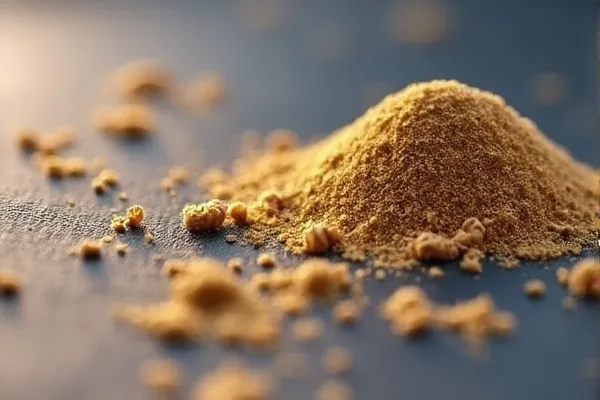
Semi-Precious-PFM-Alloy-Cost-Factors
Different alloy compositions create cost variations due to raw material pricing and required purity levels.
Alloy selection must balance cost with bonding strength, workability, and aesthetic outcomes.
Alloy type is a primary determinant of cost in metal-ceramic restorations.
| Alloy Type | Estimated Price (per g) | Relative Cost Level | Notes |
|---|---|---|---|
| Full-precious | $60–$90 | $$$$ | High noble content, aesthetic |
| Semi-precious | $20–$50 | $$–$$$ | Balanced performance |
| Non-precious | $5–$15 | $–$$ | High strength, low biocompatibility |
The source of raw alloys can influence both material quality and overall pricing.
Labs must weigh the trade-off between sourcing cost and long-term consistency when selecting suppliers.
✅ Alloy composition directly affects crown pricing – TRUE
The ratio of noble metals and additive content significantly impacts both raw cost and casting behavior.
❌ All semi-precious alloys have similar cost profiles – FALSE
There is wide variation depending on palladium content, country of origin, and additive formulations.
The way a PFM crown is produced—from design method to technician involvement—directly affects its final cost. Some labs prioritize CAD/CAM automation to reduce labor, while others rely on traditional hand-layering for aesthetic control. Understanding process impact helps clinics assess value beyond price per unit.
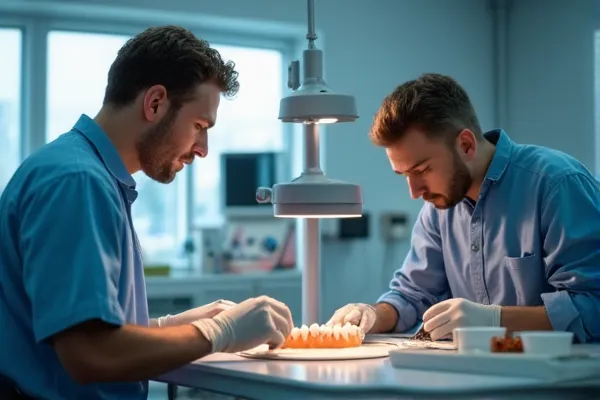
Dental-Lab-PFM-Production-Comparison
Digital workflows can reduce long-term production costs, but initial investment and material limitations matter.
While CAD/CAM lowers waste and improves fit, the crown cost may not decrease unless volumes justify the equipment and training costs.
Experienced technicians significantly impact quality and production time, both of which influence cost.
Labs may charge higher fees to account for master-level involvement in complex cases.
QC steps are essential but add to operational overhead. That said, skipping them may lead to costly remakes.
Strict QC saves time and costs in the long run by minimizing returns and chairside adjustments.
✅ Advanced workflows and trained technicians reduce long-term crown cost – TRUE
Digital integration and skilled labor lower remake rates and increase first-time fit success, offsetting higher base costs.
❌ Traditional methods are always cheaper than CAD/CAM – FALSE
Manual processes may carry hidden costs due to variability, longer lead times, and increased rework risk.
Customizations beyond standard anatomical and shade requirements often increase the final cost of semi-precious PFM crowns. These factors affect technician time, layering complexity, and the likelihood of remakes—all contributing to higher production cost.
Image
ALT: Customized-PFM-Crown-Shade-Anatomy-Details
Prompt: A realistic close-up of multiple semi-precious PFM crowns on a model, each showing complex anatomical grooves, different shade gradations, and marginal designs, with dental tools and color guides on the side under clinical lighting
Aesthetic expectations are a major cost variable in anterior and visible zone restorations.
Each added step enhances visual outcome but consumes time and materials.
Margins and surface contours influence how long a technician must spend on a unit.
Complexities often trigger higher pricing tiers based on design files or physical impressions.
Some cases require deviations from standard lab protocols, which increases cost.
Patient satisfaction improves with personalization, but it increases coordination cost between lab and clinic.
Customization is essential to case success, but it comes with time and technical resource trade-offs. Clinics should anticipate higher fees when requesting advanced esthetic or functional personalization.
Lab size and geographic location play a key role in determining the final cost of PFM crowns. Whether working with a small local boutique lab or a large offshore facility, differences in overhead, labor, and logistics affect both price and production flexibility.
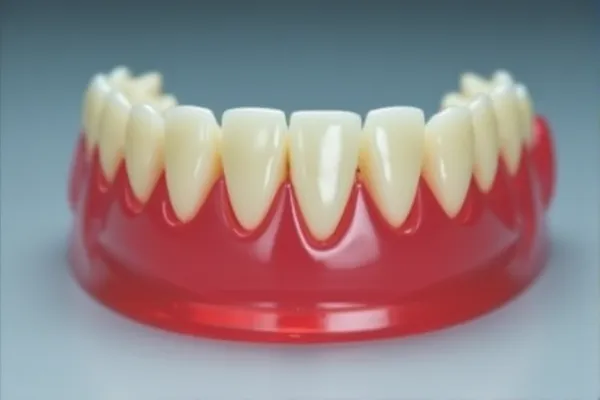
Dental-Lab-Size-Location-Cost-Comparison
Pricing between domestic and overseas labs reflects differences in labor, material sourcing, and delivery logistics.
| Factor | Domestic Lab (e.g., US/EU) | Offshore Lab (e.g., Asia) |
|---|---|---|
| Base Unit Cost | Higher ($150–$300) | Lower ($50–$100) |
| Turnaround Time | Shorter | Longer |
| Communication Clarity | High | Varies |
| Quality Consistency | Variable | Requires strong QC protocols |
| Shipping Cost/Time | Lower | Higher |
Lab size influences how fixed and variable costs are absorbed into pricing.
Lab scale often correlates with specialization; smaller labs may excel at high-aesthetic cases but have limited throughput.
Wage levels, utility costs, and transportation fees vary widely by location.
Geographic efficiency can reduce costs—but only if workflow compatibility and turnaround time align with clinic expectations.
✅ Lab size and location directly influence PFM crown pricing – TRUE
Factors like labor rates, volume capacity, and shipping access all contribute to the unit cost of production.
❌ Overseas labs are always lower cost and better value – FALSE
Hidden costs from logistics, communication gaps, or remakes can reduce the perceived savings of offshore sourcing.
Beyond materials and labor, the cost of a PFM crown is also shaped by how efficiently labs and clinics manage time, shipping, and workflows. Rush orders, unexpected delays, or inefficient case handling can drive costs higher than expected—regardless of the listed crown price.
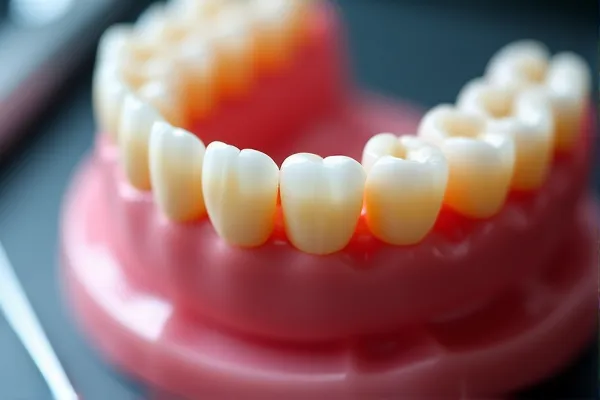
PFM-Crown-Logistics-Timeline-Lab-Workflow
Shorter turnaround expectations require process prioritization and resource allocation.
Time-sensitive workflows require better coordination and often result in higher pricing tiers.
Urgency and delivery method directly increase cost—both in dollars and disruption.
Labs may also implement “cutoff policies” for same-day dispatch to protect workflow stability.
Digital processes streamline case handling and minimize physical waste or remake errors.
| Area of Impact | Digital Workflow | Conventional Workflow |
|---|---|---|
| Impression Handling | Scanned instantly | Shipping of trays and models |
| Case Communication | Cloud-based, real-time feedback | Phone, email, delayed input |
| Record Accuracy | High repeatability | Risk of distortion or mismatch |
| ROI over Time | High (after initial setup) | Moderate (low startup, high labor) |
While initial investment is higher, long-term efficiency brings cost savings for both labs and clinics.
Improving workflow clarity, investing in digital tools, and aligning turnaround expectations can help clinics lower the total cost of restorations—not just the crown unit price.
Consider reviewing your lab’s workflow process to identify areas where small changes can yield big savings.
Beyond listed unit prices, the actual cost of PFM crowns is shaped by how pricing is structured and what supplier terms apply. Clinics often overlook hidden fees or unclear billing models, which can erode margins and complicate budgeting—especially in multi-site operations.
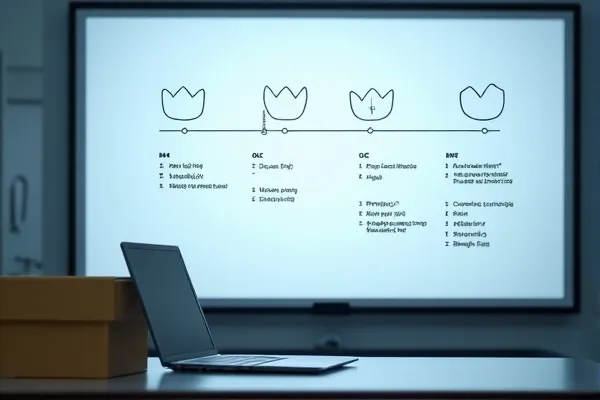
PFM-Crown-Pricing-Model-Comparison
Pricing models affect cost predictability and lab-client trust.
Clinics working with multiple labs often prefer transparent structures for better cross-case tracking.
Some costs are not apparent upfront but impact the total amount paid.
Understanding the lab’s “what’s included” policy helps avoid billing surprises.
Labs often incentivize stable collaboration through financial flexibility.
Negotiating terms based on case volume and reliability can significantly lower per-unit cost over time.
✅ Pricing transparency helps clinics manage cost predictability – TRUE
Clear billing and service definitions reduce disputes, support planning, and build trust in long-term partnerships.
❌ The lowest unit price always means the lowest total cost – FALSE
Unseen variables—like remake fees or shipping surcharges—can offset initial savings and inflate final expenses.
Understanding what drives the cost of semi-precious PFM crowns helps dental professionals make smarter material and workflow choices. Each stage, from sourcing to delivery, offers opportunities to optimize value while maintaining quality and consistency.
To reduce case costs without compromising results, partner with Raytops Dental Lab for efficient, well-structured PFM crown production tailored to your priorities.