Clinics often struggle to compare pricing on monolithic zirconia crowns due to inconsistent fee structures and unclear value indicators. Misunderstanding how materials, workflows, and customization impact cost can lead to budget overruns or compromised results. By viewing crown pricing from a dental lab’s perspective, clinics can make better-informed decisions that balance esthetics, function, and predictable outcomes.
The cost of monolithic zirconia crowns is influenced by material grade, translucency, customization level, manufacturing methods, lab credentials, turnaround speed, and hidden service charges. Each factor contributes to technician labor, equipment use, and long-term clinical value.
What Material Choices Influence Monolithic Zirconia Crown Pricing?
Material choices significantly impact monolithic zirconia crown pricing due to differences in block types, translucency-strength balance, certifications, and brand origins. Understanding these differences helps clinics and labs select the most cost-effective and case-appropriate materials.
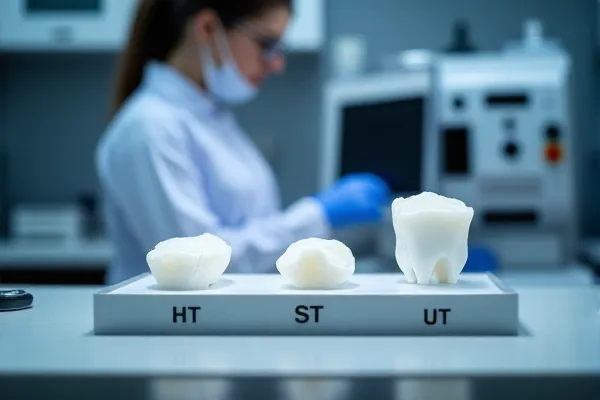
Monolithic-Zirconia-Block-Type-Comparison
How Do Different Zirconia Block Types Affect Price?
Different zirconia block categories offer varying performance and production value.
HT (High Translucency): Balanced esthetics and strength; standard pricing.
ST (Super Translucent): Better esthetics for anterior cases; moderately higher cost.
UT (Ultra Translucent or 5Y): Highest esthetics, lowest strength; premium price, limited to low-stress zones.
Multilayer blocks: Offer built-in shade gradients; save staining time but cost more.
Labs match block types to case requirements, balancing esthetics, function, and price.
Why Do Translucency and Strength Levels Change Zirconia Prices?
Property
High Translucency (5Y)
Standard Strength (3Y or 4Y)
Aesthetic Output
Natural, enamel-like
Opaque, better for posterior
Flexural Strength
~600–800 MPa
~1000–1200 MPa
Clinical Use
Anterior zones
Posterior, bridges, molars
Cost per Block
Higher
More economical
Higher translucency often comes at the cost of mechanical strength, limiting its use and raising pricing for esthetic cases.
How Do FDA/CE Certifications Influence Zirconia Material Costs?
Regulatory certifications increase cost due to compliance, not just branding.
Certified materials undergo batch testing, biocompatibility validation, and traceability controls.
FDA 510(k) or CE mark compliance adds labelling, document, and registration cost.
Labs using certified materials provide clinics with audit-safe sourcing.
While non-certified materials may seem cheaper, they introduce hidden risks in regulated markets.
What Is the Pricing Impact of Zirconia Material Source and Brand?
Material origin affects pricing through reputation, traceability, and regional production cost.
Japanese and German zirconia brands offer high consistency and QC but are pricier.
Chinese or white-label blocks may be cost-effective but vary more in shrinkage and lot consistency.
Labs often maintain dual inventory—premium and value—for different clinic tiers.
✅ Different zirconia materials vary significantly in cost and performance – TRUE Block type, translucency, and brand origin affect pricing and dictate clinical suitability.
❌ All zirconia blocks are the same as long as they’re white and dense – FALSE Visual similarity doesn’t guarantee performance. Mechanical, esthetic, and regulatory properties vary widely across blocks.
What Manufacturing Methods Affect Monolithic Zirconia Crown Pricing?
Manufacturing methods impact zirconia crown pricing by influencing labor time, equipment use, and material efficiency. CAD/CAM precision, sintering cycles, manual work, and automation levels all contribute to cost differences across labs.
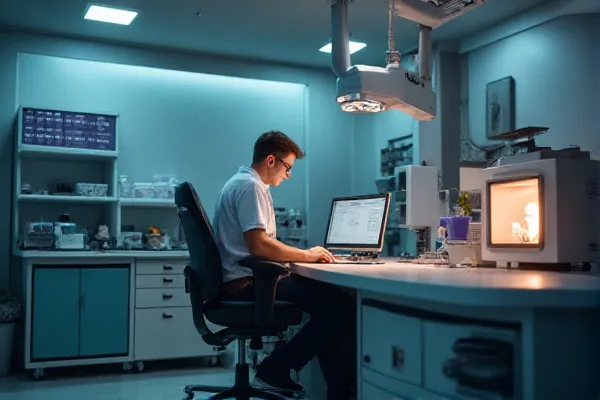
CAD-CAM-Zirconia-Crown-Manufacturing-Workflow
How Does CAD/CAM Precision Affect Zirconia Crown Cost?
CAD/CAM workflows boost efficiency but require upfront tech investment.
High-precision scanning and design software reduce remake rates.
Advanced CAD features (e.g., AI-driven margin detection) speed up complex cases.
Machine upkeep (calibration, bur replacement) adds to operational overhead.
Better design = tighter fit, saving time downstream—but reflected in unit price.
How Do Sintering Time and Furnace Type Contribute to Cost?
Sintering impacts both material properties and production speed.
Longer sintering (10–12h) ensures grain stability but slows batch throughput.
Speed sintering (4–6h) shortens lead time but can reduce translucency or increase warping.
Multizone furnaces offer even heat, minimizing distortion—at higher equipment cost.
Labs must balance cost per crown with long-term consistency.
Why Does Manual Finishing Raise Crown Production Costs?
Manual Step
Time Required
Cost Impact
Margin refinement
5–10 min per unit
Adds technician time
Surface texturing
Varies by case
Requires artistry
Shade verification/fix
Often off-schedule
Disrupts workflow
Final polishing/glazing
10–15 min
Labor-intensive
Hand work ensures natural esthetics and better fit but increases unit cost, especially in anterior or esthetic-driven cases.
How Do Lab Size and Automation Influence Production Efficiency?
Larger labs often use industrial automation to batch mill and sinter multiple units.
Small labs may offer higher flexibility but rely on manual workflows.
Automation reduces labor cost per unit, especially for posterior crowns.
Mid-size labs balance customization and throughput using modular tech setups.
Manufacturing choices directly influence consistency, lead time, and pricing. Request a technical process overview or book a test case to compare how our workflow aligns with your clinical expectations.
What Customization Elements Increase Zirconia Crown Pricing?
Customization increases zirconia crown pricing due to added technician time, esthetic precision, and patient-specific anatomical detail. These elements go beyond surface beauty—they affect function, durability, and long-term patient satisfaction.
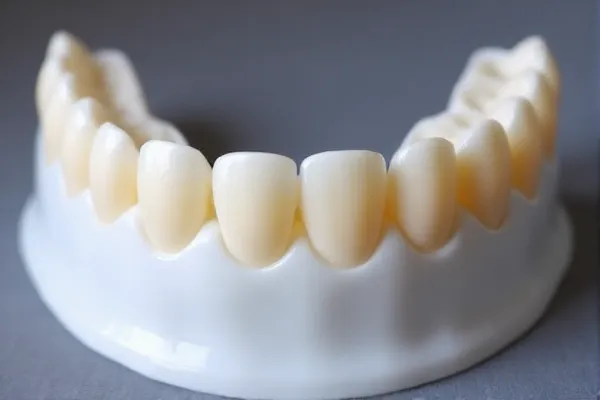
Zirconia-Crown-Customization-Detail-Work
Why Do Anterior Aesthetic Designs Cost More?
Anterior restorations demand both visibility and precision, making them costlier.
Require enhanced translucency and shade layering.
Minor visual errors are more noticeable in smile zone.
Often involve photo-based or digital smile design validation.
May include texture mimicking natural enamel (perikymata, lobe anatomy).
How Do Staining and Layering Techniques Affect Cost?
Internal staining adds depth and realism but needs controlled sintering.
Layering ceramics over monolithic cores demands multi-step firing.
Custom shading must match adjacent teeth under varied lighting.
All steps require experienced technicians and prolong production time.
What Is the Cost Impact of Margin and Occlusal Adjustments?
Functional customizations also affect pricing, especially when dealing with fit or contact precision.
Deep margin lines or thin shoulder areas require extra design care.
Occlusal schemes must be individualized to reduce high points or grinding.
Implants may need screw channel alignment or cement retention adjustments.
Additional verification steps delay workflow and increase labor input.
How Do Patient-Specific Customizations Add to Crown Cost?
Custom Element
Description
Cost Impact
Digital wax-up
Simulated try-in before milling
Moderate to high
Bite splint compatibility
Cross-design with occlusal devices
Moderate
Pre-op scan matching
Aligning with pre-treatment anatomy
Time-intensive
Personalization requests
Tooth tattoos, micro-etching, initials
High (specialty work)
✅ True customization includes anatomical, functional, and esthetic elements – TRUE Custom crowns adapt to the patient’s oral dynamics and esthetic demands, far beyond shade selection.
❌ Customization only means adding color or polish – FALSE Surface staining is one aspect; real customization involves CAD design, function, and clinical integration.
What Lab Attributes Contribute to Zirconia Crown Price Variations?
Zirconia crown pricing often varies based on lab-specific factors like location, technician skill, certification level, and production volume. These variables directly affect cost structure, output quality, and reliability.
Dental-Lab-Quality-Factors-Comparison
How Does Lab Location Influence Labor and Final Cost?
Labor cost differs significantly between regions—urban centers and developed markets tend to have higher wages.
Labs in lower-cost regions offer more competitive pricing, but often with longer shipping time.
Proximity affects communication ease, language fluency, and timezone alignment.
Local labs may bundle logistics in pricing; offshore labs typically charge separately.
How Do Technician Skills Affect Crown Production Cost?
Highly trained technicians ensure better fit, anatomy, and esthetics—especially for anterior cases.
Senior staff oversee complex cases like implant-supported or full-arch designs.
Training programs and certifications increase internal labor cost but reduce remake frequency.
Technician input can make or break the outcome even with the best machines.
Why Do Certified Labs Have Higher Zirconia Crown Costs?
Certification Type
Benefit
Cost Impact
ISO 13485 / MDR / FDA
Global regulatory compliance
Adds documentation + audit cost
Brand-affiliated programs
Preferred material workflow & warranties
Moderate
Internal QC certification
Lower in-clinic adjustments, higher trust
Process investment
CE-marked materials only
Ensures traceability
Higher input cost
Certified labs carry higher structural and compliance costs but deliver more predictable outcomes.
How Does Lab Reputation and Volume Affect Pricing?
Established labs often invest in equipment, logistics systems, and consistent staffing.
Higher order volumes help dilute unit cost for clinics ordering in batches.
Reputation reduces perceived risk, allowing for smoother collaboration and fewer disputes.
Trusted labs may offer tiered pricing based on clinic size, loyalty, or case type.
Lab pricing reflects more than product—it reflects capability, consistency, and accountability. Reach out to compare case-by-case workflows or request samples from different lab tiers to identify the right fit for your practice.
What Logistics and Turnaround Factors Drive Zirconia Crown Pricing?
Logistics and turnaround time directly influence zirconia crown pricing by affecting labor priority, machine scheduling, and shipping complexity. Faster delivery requires more resources, while poor coordination adds hidden costs.
Dental-Crown-Turnaround-Time-Cost-Factors
How Much Do Rush Orders Increase the Cost of Zirconia Crowns?
Rush production compresses timelines and puts stress on workflows.
Technicians must prioritize urgent cases, sometimes outside regular hours.
Machine schedules are reshuffled, delaying other cases.
Quick QC increases the risk of undetected issues.
Rush fees typically range from 20–50% extra depending on urgency.
Why Do International Shipments Raise Total Costs?
Shipping Factor
Cost Impact
Notes
Express courier (DHL)
High but predictable
Ideal for urgent cases
Economy options
Lower cost, longer time
Risk of customs delay
Customs & duties
Variable by country
May require pre-clearance
Packaging & insurance
Extra for fragile or urgent items
Added per shipment
Longer distance and higher urgency both compound logistical costs.
What Shipping Strategy Reduces Zirconia Crown Costs Best?
Batch shipping reduces per-unit freight cost.
Pre-scheduled weekly shipments optimize production planning.
Local partners or fulfillment centers help absorb last-mile complexity.
Choosing standard turnaround avoids peak-load premiums.
Aligning shipping frequency and method with clinical scheduling improves efficiency and lowers cost per crown.
How Do Time Zone and Communication Issues Add Hidden Costs?
Misaligned working hours delay design approvals and production start.
Late-day submissions may not be processed until next shift, causing 1–2 day delays.
Extended email threads or unclear instructions trigger revision loops.
Labs working in your time zone improve real-time problem solving.
✅ Faster turnaround requires internal reprioritization and added cost – TRUE Labs must reallocate labor, reschedule production, and manage risk under tight deadlines, which increases cost.
❌ Standard shipping always saves cost compared to express – FALSE Poorly timed standard shipping can cause delays, patient rescheduling, or missed deadlines—indirectly raising total cost.
What Hidden Fees Should Buyers Expect in Zirconia Crown Orders?
Hidden fees in zirconia crown orders often stem from unclear billing terms, rework policies, and extra services not disclosed in base pricing. Understanding these cost traps helps clinics and procurement managers plan more accurately and avoid surprises.
Dental-Crown-Hidden-Cost-Invoice
How Do Remake Terms Affect Total Zirconia Crown Cost?
Remake policies vary between labs and may carry significant cost implications.
Some labs include one free remake within a time window (e.g., 30 days).
Others charge for remakes regardless of cause (fit issue, contact, shade).
Partial remake coverage often excludes implant or esthetic cases.
Lack of clear remake policy can delay clinical resolution and increase cost.
What Rework Charges Arise from Minor Crown Adjustments?
Rework Type
Common Cause
Added Cost Impact
Shade correction
Visual mismatch, daylight difference
Firing + technician time
Occlusion adjustment
Improper bite registration
Redesign + milling overhead
Contact point relief
Lab or clinical mismatch
Hand-polishing, remounting
Fit refinement
Model distortion, margin deviation
High, if not caught early
Minor fixes can lead to new shipping, labor, or even full-unit replacement if not caught in time.
How Do Billing Terms Influence Overall Lab Costs?
Labs may charge extra for rush cases not flagged properly in advance.
Some include logistics; others bill shipping separately each time.
Storage or archive access (e.g., STL files) may come with additional fees.
Invoicing cycles (monthly vs per case) affect clinic cash flow.
Reading the fine print helps avoid operational friction and late-payment penalties.
What Contract Clauses Could Add Unexpected Crown Costs?
Minimum order quantities can trigger extra charges for small clinics.
Volume-based pricing may reset if targets are missed monthly or quarterly.
Custom materials or shade guides may have non-refundable fees.
Labs may charge for unused cases if cancellations occur after design phase.
Understanding hidden fees upfront helps dental teams stay within budget. Download our zirconia procurement checklist or schedule a contract review to compare cost transparency across labs.
What Factors Help Evaluate the Real Value of Zirconia Crowns?
The real value of zirconia crowns is not defined by unit cost alone. A meaningful evaluation considers longevity, clinical efficiency, remake rate, and the overall support a lab provides. Balancing these factors helps ensure sustainable outcomes for practices and patients alike.
Zirconia-Crown-Value-Evaluation-Factors
How Does Cost per Unit Compare to Overall Restoration Outcome?
A lower-cost crown may lead to higher remake rates and lower patient satisfaction.
Durable crowns reduce long-term rework and chairside time.
Upfront savings can be offset by fit issues, occlusal adjustments, or patient complaints.
Value increases when the price reflects consistency and clinical predictability.
How Do Chairside Adjustments Impact Practice Efficiency?
Crowns that drop in with minimal adjustments save valuable chair time.
Labs with tight QC and precise design reduce the need for grinding or re-cementing.
Poor marginal fit or occlusal high points disrupt appointment flow.
Efficient seating improves patient experience and increases daily productivity.
Why Do Lower Remake Rates Save Long-Term Crown Costs?
Every remake involves technician time, case management, and potential patient dissatisfaction.
Hidden costs include rescheduling, additional impressions, and lab coordination.
Labs with <2% remake rate often use better blocks, tighter systems, and experienced staff.
Long-term success depends on first-pass accuracy, not aggressive pricing.
How Should Price Be Balanced with Quality and Support?
Factor
Low-Cost Lab
Value-Oriented Lab
Unit Price
Lower
Moderate
Clinical Outcome Consistency
Variable
High
Remake Policy
Strict or unclear
Transparent, supportive
Communication
Reactive
Proactive, case-by-case support
Total Ownership Cost
Often higher over time
Controlled and predictable
The most cost-effective zirconia crown is the one that performs well the first time, requires minimal chairside work, and comes with solid lab support.
Conclusion
Understanding monolithic zirconia crown pricing requires clarity on the lab-side drivers of cost—from material characteristics to workflow intensity. By aligning clinical needs with lab capabilities, practices can secure better value, reduce remakes, and deliver reliable results to patients.
Monolithic zirconia crown pricing reflects a combination of core cost drivers like material quality, production steps, and customization scope.
Different material choices—such as translucency level and certification—directly affect esthetic suitability and block cost.
The manufacturing method impacts cost based on CAD/CAM technology, sintering schedules, and technician finishing.
Esthetic and functional customization elements add technician time and design complexity, increasing unit pricing.
Lab-specific attributes like location, certification, and technician expertise influence cost structure and consistency.