Cost concerns often cloud the decision-making process when selecting IPS e.max crowns. Clinics may underestimate how materials, customization, and lab workflows silently shape both pricing and esthetic outcomes. By understanding these cost drivers from a dental lab’s perspective, you can make smarter, value-driven choices that align with both clinical goals and budget expectations.
The cost of IPS e.max crowns is influenced by multiple factors, including material translucency, customization level, manufacturing process, lab location, technician expertise, turnaround speed, and hidden fees such as remakes and rush charges. These elements collectively shape the total price and clinical value of each restoration.
What Is the Typical Price Range for IPS e.max Crowns?
The cost of IPS e.max crowns varies depending on customization level, lab location, and production method. Most dental labs offer a price range between $100–$300 per unit, with differences driven by material grade, esthetics, and support services.
IPS-e.max-Crown-Pricing-Range
What Is the Cost Range for Standard vs. Premium IPS e.max Crowns?
Customization is the main driver of price tiers.
Standard units (basic staining, no layering): $100–$150 per unit
Premium anterior units (multi-layered, cutback, full contour control): $220–$300+
Add-ons (digital wax-ups, custom shade photos) may incur separate charges
Premium pricing reflects the added time, design complexity, and esthetic demand.
Why Do IPS e.max Crown Prices Differ by Region?
Geographic factors influence base costs.
Labor rates in North America and Europe are significantly higher than Asia-based labs
Shipping and customs costs affect international orders and timelines
Material sourcing regulations (e.g., FDA, CE) can drive up material costs in regulated regions
Regional patient esthetic expectations may push demand for high-translucency customization
A unit from different regions may carry the same name—but the service model varies greatly.
What Should Be Considered When Comparing Lab Prices?
Pricing alone doesn’t define value.
Clarify what’s included (e.g., staining, design, support, remake terms)
Check lead time and consistency—faster is not always better, but delays cost more
Ask about technician qualification—especially for anterior cases
Review communication responsiveness, especially with complex custom requests
A lower quote may hide costs in remake fees or esthetic compromises.
✅ IPS e.max crown prices typically range from $100 to $300 depending on customization and lab service level – TRUE Understanding what’s included and how esthetics are handled is key to evaluating value.
❌ All IPS e.max crowns deliver equal esthetics and performance regardless of price – FALSE Esthetic outcome, fit, and long-term satisfaction often depend on the technician skill and service support behind the crown.
What Material Properties Affect the Cost of IPS e.max Crowns?
Not all lithium disilicate is created equal. IPS e.max crown pricing is closely tied to material characteristics like translucency, strength balance, and brand consistency. Understanding how these factors influence cost helps clinics make better-informed procurement decisions.
IPS-e.max-Material-Properties-Cost
Why Do Higher Translucency and Aesthetic Demands Raise Crown Costs?
Aesthetic materials require more finesse—and more risk control.
HT and MT ingots simulate enamel more effectively but require precision in layering
High-translucency materials are more sensitive to prep shade and underlying stump color
Natural blending and light reflection require expert staining or cutback layering
Greater technique sensitivity increases case planning and technician hours
Translucency isn’t just a look—it’s a production challenge that impacts cost.
How Does Translucency Level Impact IPS e.max Crown Pricing?
Each translucency type serves a different clinical and aesthetic purpose.
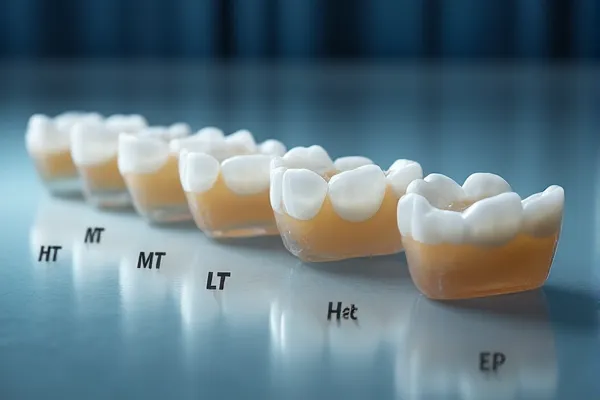
LT (Low Translucency): Strongest, more opaque—often lower cost and used for posterior units
MT (Medium Translucency): Balanced look and strength, moderate price point
HT (High Translucency): Highest aesthetic fidelity but costlier due to esthetic handling needs
Impulse series (e.g., Opal, Value shades): May carry premium due to specialty shade formulations
The more natural the result required, the more costly the production setup.
How Do Material Source and Brand Reputation Influence Price?
IPS e.max isn’t the only lithium disilicate—but its brand carries clinical trust.
Ivoclar’s IPS e.max is globally recognized, with rigorous quality control and CE/FDA compliance
Third-party alternatives may be cheaper but vary in translucency, bond strength, and shading behavior
Genuine brand use allows lab and clinic to offer manufacturer-backed guarantees
Clinicians often request IPS e.max by name, pushing labs to maintain branded stock
Choosing branded ingots adds credibility—but also cost.
Material isn’t just a technical choice—it shapes workflow, aesthetic range, and clinical peace of mind. Request a comparative translucency chart or sample crown set to explore how material differences translate to final results.
What Manufacturing Processes Affect IPS e.max Crown Costs?
Manufacturing methods directly influence IPS e.max crown pricing—affecting both technician labor and material handling precision. While digital workflows offer efficiency, esthetic zones or complex designs may still rely on traditional layering or hybrid processes, impacting cost tiers.
IPS-e.max-Manufacturing-Cost-Comparison
How Does CAD/CAM Precision Influence Crown Pricing?
Digital tools save time—but require investment and calibration.
Milling from IPS e.max blocks is more efficient than pressing, lowering baseline costs
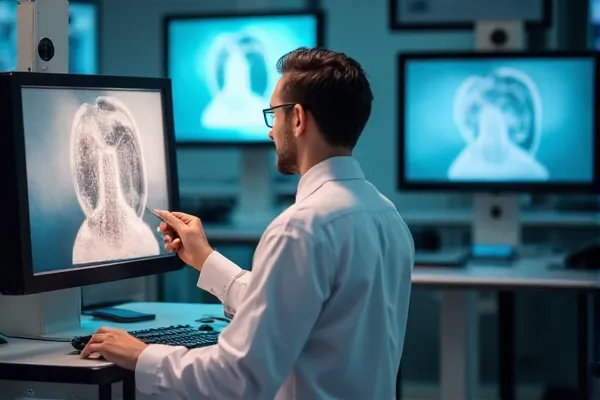
High-resolution scanners and design software improve margin fit and reduce adjustments
Digital previews and smile design can be charged separately in esthetic cases
Machine calibration and tool maintenance add to the lab’s operating overhead
Digital doesn’t always mean cheaper—but it often delivers better repeatability.
What Is the Cost Difference Between Standard and Rapid Crystallization?
Crystallization controls IPS e.max’s final structure and strength.
Standard crystallization (20–25 min) is safest for color accuracy and structure stability
Rapid protocols (10–15 min) save time but require exact control of oven profiles
Some labs charge a premium for same-day cases that use speed-crystallization cycles
Over-fired or under-fired restorations risk internal defects, leading to remake costs
Faster isn’t free—it requires equipment, expertise, and process risk mitigation.
How Do Digital and Traditional Methods Affect Crown Costs?
Each technique aligns with different case types and pricing logic.
Fully digital crowns (no layering) are lower-cost, suited for posterior or low-smile-line cases
Traditional hand-layered techniques raise labor costs but deliver esthetic depth
Hybrid cases (CAD-designed cutback + manual veneering) combine both strengths but sit at the top pricing tier
Technique choice depends on crown location, esthetic need, and turnaround flexibility
The more esthetic the zone, the more traditional technique plays a role in cost.
✅ Manufacturing processes such as CAD/CAM precision and crystallization protocols significantly impact IPS e.max crown pricing – TRUE Labor input, equipment capability, and esthetic complexity all shape final cost.
❌ All IPS e.max crowns are priced similarly regardless of how they are made – FALSE Method of production defines technician time, equipment use, and esthetic outcome—each with cost implications.
Why Do Lab Location and Reputation Influence IPS e.max Pricing?
Where and by whom a crown is made can be just as important as what it’s made from. IPS e.max crown pricing reflects local labor economics, technical experience, and the standards a lab holds itself to—especially in esthetic-focused cases.
IPS-e.max-Lab-Location-Reputation
How Do Labor and Shipping Costs Vary by Lab Location?
Geographic variables shape cost structures.
North American and Western European labs have higher technician wages, raising base prices
Asian-based production labs offer lower labor costs, with savings passed to clients
Shipping cost and speed vary—domestic labs offer faster turnaround, but offshore requires buffer time
International logistics risks (custom delays, damage, returns) may incur hidden costs
Location influences price—but also predictability and support.
How Do Experience and Reputation Affect Lab Pricing?
Skilled hands come at a premium—for good reason.
Senior technicians deliver better layering, shading, and fit, especially in anterior zones
Reputable labs invest more in quality control, training, and equipment upgrades
Clinicians may prefer labs with track records in handling high-demand esthetic cases
Consistency and low remake rates save money long term, even with higher initial pricing
You don’t just pay for the crown—you pay for reduced clinical risk.
Why Do Certified Labs Charge More for IPS e.max Crowns?
Compliance raises accountability—and cost.
Certified labs (ISO, FDA-registered, CE-compliant) must document processes and material traceability
Material authenticity verification ensures genuine Ivoclar IPS e.max use
Regulatory standards improve batch control and patient safety—but require admin and audit resources
Higher audit compliance often translates to tighter remake and support standards
Certifications aren’t cosmetic—they’re cost-backed guarantees of process and integrity.
Working with a skilled, certified lab ensures better esthetics, more predictable deliveries, and lower downstream costs. Contact us to evaluate how our quality system and delivery structure align with your IPS e.max needs.
Why Does Customization Increase the Cost of IPS e.max Crowns?
Customization transforms a crown from functional to esthetic—but it adds time, labor, and risk to the workflow. IPS e.max crowns, especially in anterior regions, require tailored anatomy, shading, and surface texture, which significantly increases production complexity and price.
IPS-e.max-Customization-Cost-Factors
What Customization Options Add to the Crown Cost?
Each added layer of detail adds cost—literally.
Cutback and layering require manual artistry after digital design
Surface texture and lobe shaping are hand-sculpted, not milled
Staining and internal characterization add realism but increase technician time
Custom shade photography and color matching may require patient photo references and digital calibration
Customization isn’t just cosmetic—it’s a skilled, incremental process.
What Makes Anterior Crown Designs More Expensive?
The “smile zone” leaves no room for error.
Incisal translucency and halo effects must match adjacent teeth
Color blending and symmetry require high attention to contour and light behavior
Facial anatomy alignment often requires diagnostic wax-ups or mock-ups
Esthetic revisions are more common, and labs price in that possibility
Posterior function is measurable; anterior esthetics is judgment-driven—and labor-intensive.
How Much More Do Anatomical Adjustments Cost Compared to Standard?
Design depth affects production workflow.
Standard posterior design may use full-contour milling with minimal human input
Anatomical anterior customization often adds 20–40% in cost, depending on detail level
Custom design revisions mid-production add to technician hours and may trigger rework
Lab may apply tiered pricing based on “esthetic class” of restoration
Not every crown needs customization—but when it’s needed, it’s a premium tier by nature.
✅ Customization significantly raises IPS e.max crown cost due to added labor and esthetic precision – TRUE Anterior and high-visibility cases demand skilled effort, design feedback, and time.
❌ All IPS e.max crowns cost the same regardless of design complexity – FALSE Case location, anatomy needs, and esthetic expectations directly affect pricing structure.
What Is the Cost Impact of Turnaround and Delivery Speed?
Faster turnaround often means higher costs. In IPS e.max crown production, timing affects everything from technician allocation to oven scheduling and international shipping. Understanding how these elements contribute to pricing helps clinics set realistic expectations and avoid hidden fees.
IPS-e.max-Delivery-Speed-Cost
How Much Do Rush Fees Raise the Total Crown Cost?
Expedited work changes the entire production rhythm.
Rush orders typically add 15%–40% per unit, depending on turnaround reduction
Same-day or 24-hour cases require dedicated staff and equipment reallocation
Increased risk of internal remakes due to compressed dry/crystallization stages
Weekend or holiday cases often involve overtime surcharges or express shipping add-ons
Urgency adds cost—not just in logistics, but in production precision control.
What Role Does Delivery Time Play in Final Crown Pricing?
Lead time directly correlates with production efficiency.
Standard lead times (5–7 days) enable batching and optimized scheduling
Why Are Shipping Fees a Key Cost Factor in IPS e.max Orders?
Shipping isn’t just delivery—it’s risk and time insurance.
International shipping adds customs, insurance, and packaging costs
Express delivery fees vary by region and order weight
Two-way logistics (e.g., case photos or custom shade guides) may double cost
Lost or damaged packages can trigger remake charges or clinical rescheduling
Shipping isn’t a footnote—it’s part of the total value chain.
Turnaround time, rush protocols, and delivery method all influence final pricing. Planning production windows with your lab minimizes cost spikes and ensures a smoother clinical experience.
What Hidden Costs Should Be Expected in IPS e.max Crowns?
The listed crown price rarely reflects the full picture. Hidden costs—such as rework fees, limited warranties, or unclear billing terms—can quietly erode value. For IPS e.max restorations, understanding these variables upfront helps clinics make better-informed, budget-stable decisions.
IPS-e.max-Hidden-Costs-Explained
What Rework and Adjustment Fees Add to IPS e.max Crown Pricing?
Small corrections can carry high cost if not anticipated.
Adjustment fees may apply to contacts, occlusion, or shade tweaks post-delivery
Remake charges vary—some labs offer free first remakes, others charge full unit price
Causes of rework may be subjective (esthetic mismatch) or technical (fit/margin issues)
Shipping for remakes is often clinic-borne unless fault is lab-confirmed
Clarity on rework terms protects against billing surprises.
How Do Warranty and Remake Terms Influence Overall Cost?
Long-term protection isn’t always included.
Warranties range from 1 to 5 years—check for exclusions (e.g., trauma, bruxism)
Some labs offer extended remake coverage for anterior cases but charge more up front
High remake rates in low-cost labs can offset initial savings through added chair time
Digital records and scan archives may support free or discounted remakes
Stronger policies often reflect greater process control and technician skill.
What Payment Terms and Billing Models Affect Pricing?
When and how you pay shapes your cost stability.
Volume-based pricing tiers may not include all services or rush fees
Prepaid vs net terms impact cash flow—be clear on credit policies
Some labs charge surcharges for weekend receipt or same-day shipping
Currency fluctuations (for international labs) can alter effective pricing
Price isn’t just a number—it’s how risk and services are shared.
✅ Hidden costs such as remake terms, shade adjustments, and billing policies significantly affect the total price of IPS e.max crowns – TRUE Transparent lab communication helps clinics avoid budget creep and chairside frustration.
❌ Once a lab price is quoted for IPS e.max, no other costs should arise – FALSE Most additional costs appear post-production—in delivery, rework, or urgent turnaround.
What Factors Help Maximize Value When Ordering IPS e.max Crowns?
Maximizing value with IPS e.max crowns means going beyond price tags. It’s about finding the right balance between esthetic performance, turnaround efficiency, lab reliability, and long-term support—so every restoration delivers both clinical and financial return.
IPS-e.max-Value-Evaluation-Criteria
What Criteria Help Compare Lab Value Beyond Just Price?
Price alone rarely tells the full story.
Consistency of fit and contact reduces chairside adjustment time
In-house vs outsourced production affects quality control and communication
Level of technician support—especially for custom cases—can be a differentiator
Scan storage and case history tracking allow faster remakes or shade matching
A higher unit price can still deliver better value through reduced clinical friction.
How Can Long-Term Savings Be Achieved by Balancing Cost and Quality?
Smart decisions focus on total cost of care—not just invoice amounts.
Remake rates and esthetic compromise cost more over time than premium cases done right
Efficient delivery minimizes schedule gaps and patient rescheduling
Durability and wear behavior affect re-cementation and replacement risk
Labs with defined QC protocols lower risk of inconsistent outputs
What seems “cheaper” often turns more expensive when time and stress are counted.
What Should Be Prioritized to Ensure Value in IPS e.max Purchases?
Three decision levers drive case-level value.
Esthetic demands of the case: Anterior ≠ Posterior
Expected delivery time: Match case to lab’s production reality
Communication quality and responsiveness: Critical for custom zones and tight timelines
Value = Clinical confidence × Lab reliability × Predictable support.
Working with a lab that combines price transparency, esthetic skill, and consistent performance can reshape your IPS e.max experience. Download our IPS e.max lab value checklist to evaluate options with clarity.
Conclusion
Selecting IPS e.max crowns requires more than comparing unit prices—it’s about aligning clinical priorities with lab capabilities, turnaround timing, and customization standards. By understanding the elements that influence crown cost from the lab’s point of view, clinics can avoid hidden fees and optimize long-term value.
IPS e.max crown cost reflects a balance of esthetics, efficiency, and technician labor, making total value evaluation more relevant than unit price alone.
Knowing the typical price range of IPS e.max crowns helps clinics benchmark quotes against market tiers.
Shorter turnaround and rush delivery increase technician allocation and production risk, adding to total price.
Understanding hidden cost elements like remake policies and billing models prevents budget creep.
Focusing on value-maximizing factors such as technician support and remake rates ensures better outcomes per dollar spent.
To explore how a certified dental lab like Raytops can support your IPS e.max needs with precision, transparency, and esthetic consistency, connect with our team today.