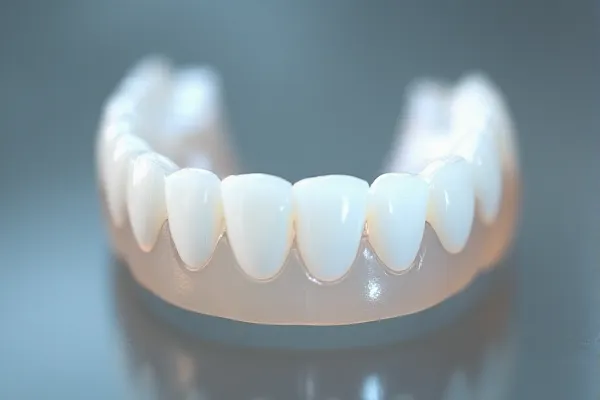
Choosing high translucent zirconia crowns often leads to price uncertainty and inconsistent quality.
Many clinics overlook how subtle factors like material grade, customization depth, and lab workflow impact final cost and restoration success.
By understanding these cost drivers from a dental lab’s perspective, practices can make informed, reliable decisions that balance esthetics, performance, and price.
The cost of high translucent zirconia crowns is influenced by material translucency, strength, customization level, manufacturing process, lab location, turnaround speed, and hidden service fees. Each factor affects technician time, equipment use, and quality assurance, shaping the overall price and value of the crown.
High translucent zirconia crown costs are directly impacted by material properties such as translucency, strength, origin, and consistency. These factors influence both production difficulty and restoration performance, making them core pricing variables. Understanding how these characteristics shape cost is essential for labs and buyers seeking the right balance of quality and budget.
High-Translucent-Zirconia-Material-Inspection
Greater translucency and enhanced aesthetic performance raise zirconia crown costs due to advanced processing and material selection. Translucent zirconia typically requires more refined yttria composition, sacrificing strength for light transmission—an engineering trade-off that increases material and rejection costs.
Zirconia crowns with higher strength parameters cost more due to controlled grain size, stable phase composition, and added processing steps. Below is a comparison of common strength-related material attributes and their pricing implications:
| Attribute | Higher Strength Zirconia | Lower Strength Zirconia |
|---|---|---|
| Grain Size | Submicron (optimal) | Coarse or variable |
| Yttria Content | 3Y-TZP or hybrid blends | 5Y or unbalanced mix |
| Sintering Behavior | Stable, low distortion | Unstable, prone to warping |
| Cost Impact | Higher due to consistency | Lower but less reliable |
Material origin and brand directly influence zirconia pricing. Labs working with branded, certified materials face higher input costs but gain reliability in batch consistency and regulatory assurance.
Premium zirconia materials carry higher costs because they undergo tighter QC, are pre-shaded or multilayered, and come with documentation that supports compliance in regulated markets.
✅ Higher translucency means better esthetics but lower strength – TRUE
This trade-off is fundamental in zirconia chemistry; more light diffusion requires less tetragonal phase, which reduces fracture toughness.
❌ All zirconia materials offer the same performance regardless of brand – FALSE
Brand, QC consistency, and yttria control significantly affect translucency, shrinkage behavior, and risk of remakes.
Zirconia crown pricing is significantly shaped by the manufacturing process, from digital design to final sintering. Each stage adds labor, technology, and material consumption, making production efficiency a key cost driver. Understanding these variables allows labs and clinics to balance pricing with performance outcomes.
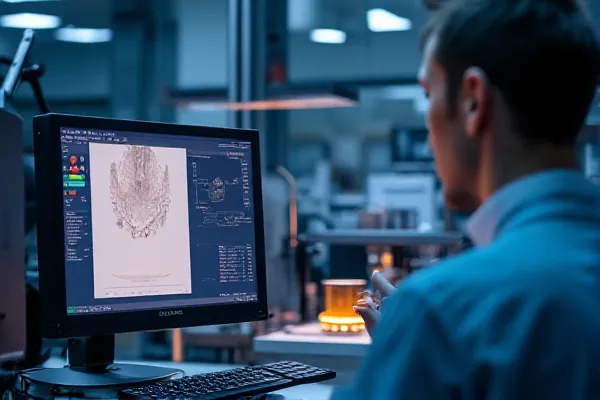
Zirconia-Crown-Manufacturing-Line-CAD-CAM
Advanced CAD/CAM systems improve precision but raise initial investment and operational costs. For many labs, this cost is distributed across units produced but remains a key factor in price formulation.
The precision and time required during milling and sintering influence both material waste and turnaround time.
Furnace capability impacts crown quality and consistency. The following table compares common furnace types and their influence on cost:
| Furnace Type | Benefits | Cost Consideration |
|---|---|---|
| Conventional (slow) | Stable results, low distortion | Lower operating cost |
| Speed furnace | Fast turnarounds, same-day delivery | Higher energy & equipment cost |
| Multizone furnaces | Uniform heating, better esthetics | Higher initial investment |
Even with automation, zirconia crown manufacturing involves skilled human input. Labor intensity and technician experience affect unit pricing directly.
High-performing zirconia restorations are built on optimized workflows and skilled execution. Contact us to evaluate your current production setup or request a test case to see how we can help reduce turnaround time and maintain quality.
Customization significantly raises zirconia crown costs due to additional design, technician time, and manual processing steps. Each personalized feature—whether aesthetic or functional—requires focused attention, and that attention adds cost. Labs must plan time and resources carefully to meet the needs of customized cases.

Customized-Zirconia-Crown-Detailing-By-Technician
Esthetic enhancements often involve extra time, materials, and advanced skills that go beyond the standard workflow.
Functional customization isn’t just visual—it directly impacts design and material requirements.
Complex clinical scenarios introduce unique challenges that drive costs higher.
| Aspect | Tailored Restorations | Standard Crowns |
|---|---|---|
| Design Time | High (customized CAD/CAM & reviews) | Minimal (library-based) |
| Technician Skill Level | Senior or master technician required | Standard technician sufficient |
| Esthetic Control | Case-specific (photos, shade maps) | Generic shade selection |
| Delivery Consistency | Needs frequent feedback loop | One-pass workflow |
| Unit Price | Higher per unit | Lower due to scale efficiency |
✅ More customization increases per-unit cost – TRUE
Each custom feature requires more design time, technician input, and coordination, all of which directly contribute to pricing.
❌ Customized crowns only differ in color – FALSE
True customization covers functional, anatomical, and biomechanical adaptations, not just shade or surface.
Lab location and reputation affect zirconia crown pricing by shaping production costs, service expectations, and buyer trust. Geographic wage levels, logistics expenses, and quality perception all play a role—making these factors critical when selecting a lab partner.

Dental-Lab-Global-Location-Cost-Comparison
Regional cost of living and global freight trends create wide variations in crown pricing.
Labs with proven track records typically charge more, and for good reason.
| Factor | Local Lab | Offshore Lab |
|---|---|---|
| Communication | Real-time, easier coordination | Time zone delays |
| Labor Cost | Higher | Lower |
| Quality Perception | Often seen as more trustworthy | May require vetting |
| Shipping & Turnaround | Faster for urgent cases | May take longer with customs |
| Total Unit Cost | Higher | Often lower |
Accredited or ISO-certified labs typically have higher cost structures due to:
Choosing the right lab is more than a pricing decision. Evaluate technical capabilities, communication practices, and shipping reliability before selecting a partner. Reach out to compare turnaround performance or request sample cases for a transparent cost-quality comparison.
Faster delivery times increase zirconia crown costs due to premium labor allocation, equipment prioritization, and expedited logistics. Labs must reshuffle resources and bear higher risks to meet tight deadlines, which justifies the added price.

Dental-Crown-Rush-Order-Workflow
Rush orders require labs to reallocate limited resources on short notice.
| Rush Level | Typical Timeframe | Additional Cost Impact |
|---|---|---|
| Standard | 4–6 working days | Base price |
| Priority | 2–3 working days | +15–25% |
| Same-day/Next-day | <24 hours | +30–50% or custom quote |
Rush fees vary by lab policy, but reflect the real cost of speed-driven production and risk.
Shipping time and cost differ based on location, weight, and speed.
Time-related costs aren’t only about production—they affect clinical schedules too.
✅ Rush orders require added labor and resource shifts – TRUE
Short turnaround means reprioritizing technicians, machines, and workflows, all of which drive up internal costs.
❌ Fast delivery means the lab is just charging more for speed – FALSE
Price hikes reflect real operational strain, not arbitrary markup. Labs that guarantee next-day delivery bear higher risk and responsibility.
Hidden costs in zirconia crown orders often arise from services, adjustments, and logistics not included in the listed unit price. These overlooked elements can significantly affect the total cost, especially in complex or cross-border collaborations.

Dental-Crown-Hidden-Cost-Breakdown
Some labs offer low base prices but add charges later in the process.
| Policy Type | Cost Impact | Risk Level |
|---|---|---|
| Inclusive warranty | Higher base price | Lower downstream risk |
| Limited or short-term | Lower upfront, costly if remakes | Medium to high depending on lab |
| No-cost remake clause | Implies stricter QC, higher pricing | Lower risk for clinic |
| Rework billed by unit | May reduce initial quote | Raises cost on errors |
Understanding warranty scope protects against unexpected remake costs.
Post-delivery modifications often require time, labor, and sometimes even international logistics.
Being aware of hidden fees allows buyers to avoid unpleasant surprises. Download our zirconia cost checklist or contact us to review your current supplier’s billing structure before your next case.
Maximizing value in zirconia crown procurement means balancing material quality, lab capabilities, and case-specific priorities—not just choosing the lowest price. Strategic collaboration with your lab partner ensures long-term clinical success and cost control.
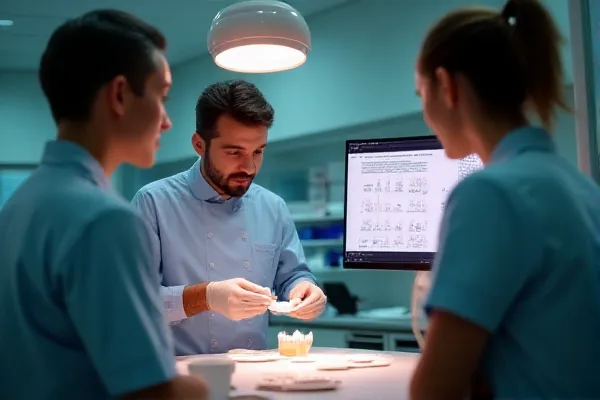
High-Value-Zirconia-Crown-Lab-Collaboration
Value isn’t about cheap—it’s about smart trade-offs that suit each case.
Short-term savings often lead to long-term remakes or adjustments.
| Factor | Functional Zones (Molars, Premolars) | Esthetic Zones (Anterior) |
|---|---|---|
| Material Choice | Lower translucency, higher strength | High translucency, layered |
| Cost Sensitivity | Price-sensitive | Appearance-sensitive |
| Lab Recommendations | Function-driven | Esthetic/texture-driven |
| Value Driver | Longevity + fit | Esthetics + natural blending |
Maximizing value in zirconia restorations comes from knowing when to prioritize strength, when to invest in esthetics, and when to optimize communication with your lab.
Understanding the cost structure of high translucent zirconia crowns means recognizing how material properties, manufacturing precision, and lab reputation contribute to pricing. Clinics can gain better long-term value by focusing on quality alignment, transparent processes, and support-driven partnerships with dental labs.
To discover how Raytops Dental Lab can deliver consistency, esthetics, and cost-efficiency in zirconia restorations, talk to our team for case consultation or quote benchmarking.