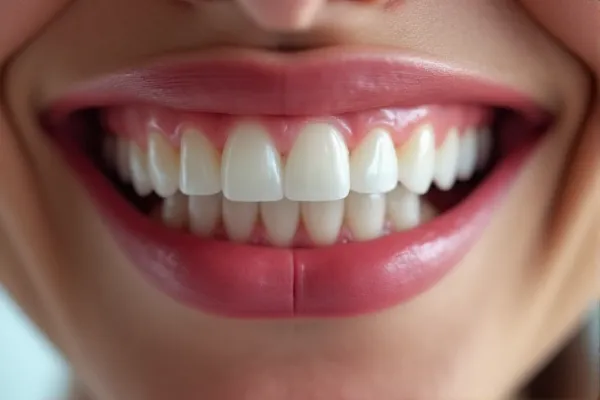
Choosing a high translucent zirconia lab without understanding its aesthetic capabilities and workflow reliability can result in remakes, patient dissatisfaction, or mismatched restorations. Many clinics overlook material control, technician expertise, and communication quality—leading to unpredictable results in esthetic zones. By focusing on lab experience, customization precision, and structured collaboration, practices can secure natural-looking restorations with lasting clinical and visual value.
A trusted high translucent zirconia lab combines proven esthetic case experience, certified quality systems, skilled customization, and responsive communication. These factors ensure consistent results, especially in anterior and esthetic-driven restorations.
What Qualities Define a Trusted High Translucent Zirconia Lab?
A trusted high translucent zirconia lab demonstrates case-based aesthetic expertise, consistent technical execution, certified workflows, and transparent communication. These traits reduce remake risk and ensure confidence in anterior restorations.
Image ALT: Trusted-Zirconia-Lab-Assessment Prompt: close-up of dental technician reviewing high-translucent zirconia crown under daylight lamp, crown case photos, technician certificate frames in background, clinical lighting, modern lab setting
Why Is Aesthetic Case Experience Important for Zirconia Labs?
High translucent zirconia is used in visibility-critical zones like anterior teeth.
Labs must demonstrate competence in layering, translucency control, and fine anatomical contouring.
Case galleries and references show real clinical performance, not marketing claims.
Technicians familiar with minimal-prep and smile design cases make better decisions in real-time.
How Does Industry Reputation Reflect Lab Reliability?
Labs trusted by top-tier clinics or DSOs typically maintain lower remake rates.
Consistent referrals and inclusion in educational events signal technical credibility.
Peer-reviewed case studies or lab-featured journal publications add weight.
Reputation is earned through repeatable outcomes—not slogans.
How Do Certifications Guarantee Zirconia Lab Quality?
ISO 13485 or ISO 9001 confirms process standardization and traceability.
CE and FDA-compliant materials ensure safe, documented zirconia input.
Certified labs follow internal QC protocols audited by third parties.
These credentials are especially important in esthetic zones where failure is highly visible.
What Red Flags Indicate an Unreliable Zirconia Lab?
No anterior case references or shade-matching documentation.
Unclear or missing remake and warranty policy.
Excessive use of marketing phrases without material traceability.
Labs that claim “all cases, all indications” without clinical nuance.
✅ True zirconia lab reliability is shown through case experience, QC systems, and verified materials – TRUE A trustworthy lab provides clinical transparency, credentialed processes, and realistic aesthetic results.
❌ A low remake rate claim and fast turnaround are enough to judge a lab – FALSE Speed and statistics mean little without case-based evidence, material control, and esthetic repeatability.
What Material Properties Ensure Aesthetic Results with Zirconia?
The aesthetic outcome of zirconia restorations depends on core material properties such as translucency, color stability, strength balance, and clinical indication. Labs that understand these variables deliver predictable visual harmony in anterior zones.
Zirconia-Material-Properties-Aesthetics
Why Is Translucency Key to Zirconia Crown Aesthetics?
Translucency mimics the light transmission of natural enamel.
Over-translucency without proper layering may compromise vitality.
Labs must balance translucency with anatomical thickness and shade target.
How Does Color Stability Influence Long-Term Aesthetics?
High-quality zirconia resists intraoral discoloration from food and fluids.
Pre-shaded and multilayer zirconia blocks improve gradient consistency.
Poor-quality blocks may shift color after sintering or glaze firing.
Labs must maintain firing protocols to preserve color tone across batches.
What Role Does Flexural Strength Play in Zirconia Performance?
Flexural strength must match the indication: lower strength for beauty, higher for load.
3Y zirconia (higher strength) sacrifices translucency but suits posterior areas.
For anterior esthetics, 5Y or hybrid 4Y/5Y zirconia is more appropriate.
Lab must ensure sufficient thickness and support in high-translucency designs.
When Is High Translucent Zirconia the Best Clinical Choice?
Ideal for single-unit anterior crowns and veneers.
Best when minimal prep is required, and natural blending is critical.
Not preferred for bruxers or deep bite without strength reinforcement.
Selection depends on both material and prep condition.
High aesthetic outcomes depend not just on using high translucent zirconia, but on how its properties are applied to the clinical context with material control, case matching, and optical understanding.
Why Do Quality Standards Matter for Zirconia Restoration Success?
Quality standards ensure zirconia restorations meet clinical expectations for fit, durability, shade accuracy, and long-term performance. Labs that follow systematic QC protocols reduce remakes and improve patient outcomes.
Zirconia-Lab-Quality-Control-Protocols
How Do Precision Fit and Margins Impact Crown Longevity?
Poor marginal fit increases microleakage and cement failure risks.
Internal discrepancies affect seating, leading to chairside adjustments.
Precision comes from calibrated CAD/CAM settings and scan data handling.
High-quality labs validate marginal integrity before sintering.
Why Are Defect Rates and Remake Policies Important to Track?
Low remake rates reflect process reliability and design accuracy.
Labs should monitor internal defect trends and share remake benchmarks.
Transparent remake policies build client trust and manage risk.
Reducing clinical chair time adds long-term value beyond unit cost.
What Is Included in a Reliable Zirconia Lab Quality Control Process?
Documentation: each case traced with technician and process log.
How Does Consistency in Shade Matching Affect Aesthetic Results?
Unreliable shade results lead to clinical frustration and patient complaints.
Labs must use consistent lighting conditions and digital shade systems.
Batch-based sintering and stain application reduce tone variations.
Consistency builds clinician confidence in multi-unit anterior cases.
Strong QC systems create predictable clinical results. Download our zirconia QC checklist or submit a test case to evaluate how our standards translate into fewer remakes and more consistent outcomes.
What Customization Services Should a Zirconia Lab Provide?
Effective zirconia labs provide case-specific customization in design, shading, morphology, and preparation compatibility. These services ensure crowns integrate seamlessly with surrounding dentition and patient-specific anatomy.
Zirconia-Crown-Customization-Services
Why Is Patient-Specific Design Critical in Aesthetic Cases?
Standard designs often miss natural occlusal dynamics and anatomy.
Patient-specific modeling enhances both function and visual integration.
Labs should adapt morphology based on pre-op scans or diagnostic wax-ups.
How Do Labs Achieve Advanced Shade Matching Accuracy?
Digital shade systems capture subtle hue and value differences.
Photos under controlled lighting guide nuanced staining.
Multi-layer zirconia blocks allow for built-in depth and gradient.
Consistent protocols are essential across different technicians.
How Does Anatomical Contouring Improve Restoration Fit and Look?
Detailed cusp, groove, and lobe shaping mimics natural dentition.
Proper emergence profile promotes soft tissue stability and esthetics.
High-translucent zirconia benefits from refined external surface texture.
Anatomical contouring improves both light reflection and hygiene.
How Should Labs Handle Complex or Minimal Preparation Cases?
Clinical Scenario
Lab Requirements
Customization Impact
Minimal prep veneer
Precise margin line control
Prevents over-bulking
Diastema closure
Symmetrical design across midline
Maintains natural proportions
Thin tissue biotype
Subtle emergence and contour control
Reduces gingival irritation
Implant-supported crown
Angled screw channel, subgingival contouring
Optimizes esthetics and hygiene
✅ Customization must align with clinical variables and anatomy – TRUE Labs that adapt morphology, shade, and design to each patient deliver restorations that blend naturally and function predictably.
❌ One-size-fits-all zirconia designs are sufficient for anterior esthetics – FALSE Uniform designs often compromise harmony, require excessive adjustments, and fail to capture individual dental character.
What Clinical Cases Benefit Most from High Translucent Zirconia?
High translucent zirconia performs best in esthetically demanding cases with low functional stress. Its optical properties support natural light behavior, making it ideal for anterior applications and low-load zones.
High-Translucent-Zirconia-Case-Indications
Why Is High Translucent Zirconia Ideal for Anterior Crowns?
Excellent for central and lateral incisors where light transmission is critical.
Mimics enamel translucency, enhancing blending with adjacent teeth.
Allows conservative prep due to material strength-to-thickness ratio.
Especially suited for single units in esthetic smile zones.
How Is High Translucent Zirconia Used in Full-Arch Restorations?
Applied in layered or hybrid format for anterior segment in full-arch cases.
Often combined with stronger 3Y zirconia in posterior zones.
Enhances gingival transition esthetics in upper arches.
Requires careful occlusal design and sintering discipline.
Why Is High Translucent Zirconia Less Preferred for Posterior Loads?
Lower flexural strength (approx. 600–800 MPa) limits resistance to heavy occlusion.
Bruxism or deep bite may lead to fracture risk in molar regions.
Alternatives like 3Y zirconia or monolithic lithium disilicate may perform better posteriorly.
Strength compromises may outweigh esthetic benefits in load-bearing areas.
How Should Retention Type Be Chosen in Aesthetic Zones?
Cement-retained crowns suit shallow preps and anterior esthetic integration.
Screw-retained crowns allow retrievability in implant-supported units.
Retention method impacts design choices like access hole location and emergence profile.
Labs must coordinate closely with clinicians to preserve esthetics during functional design.
High translucent zirconia is most valuable when esthetic performance outweighs load demands. Its use in anterior crowns and low-load esthetic zones maximizes visual integration while preserving function.
What Criteria Help Compare Labs for Aesthetic Zirconia Reliability?
To compare aesthetic zirconia labs, clinics should evaluate visual outcomes, shade consistency, digital workflow integration, and responsiveness. Objective benchmarks reduce guesswork in vendor selection.
Comparing-Aesthetic-Zirconia-Labs
Why Are Before-and-After Portfolios Useful in Lab Comparison?
Reveal actual anterior case outcomes under natural lighting.
Help assess color harmony, contour finesse, and tissue response.
Should include both single-unit and multi-unit esthetic cases.
Absence of portfolio often signals lack of high-level experience.
How Is Shade Reproduction Accuracy Measured in Labs?
Metric
Reliable Lab Approach
Unreliable Lab Warning
Lighting
Standardized daylight lamps
Mixed, uncalibrated light sources
Documentation
Photo-verified shade records
Verbal-only shade confirmation
Technician protocol
Digital shade scanners + layered staining
Manual-only estimation
Reproduction success rate
High match in multi-unit anterior cases
Inconsistent tone or banding
Why Does Digital Workflow Matter for Consistent Crown Quality?
CAD/CAM precision minimizes design variance across technicians.
STL traceability allows fast reprints or remakes when needed.
Digital archives preserve prep history for complex or long-term cases.
Enables cloud-based lab-clinic collaboration and remote approvals.
How Do Feedback Loops Improve Lab-Clinic Collaboration?
Fewer miscommunications mean faster turnaround and fewer remakes.
Labs open to feedback often improve shade and morphology results over time.
Strong aesthetic results come from structured collaboration and clear benchmarks. Download our comparison checklist or submit a sample case to see how our lab performs under real clinical demands.
What Steps Help Prevent Aesthetic Failures and Foster Long-Term Lab Relationships?
To avoid aesthetic failures and build sustainable partnerships with zirconia labs, clinics must align expectations, review lab terms, and establish communication routines. Success depends on proactive, structured collaboration.
Lab-Clinic-Collaboration-Checklist
What Mistakes Should Be Avoided When Selecting a Zirconia Lab?
Choosing based on price without reviewing esthetic casework.
Ignoring lab’s material sourcing and documentation standards.
Assuming remake rates are acceptable without context.
Not clarifying lab’s policy on shade mismatch or complex prep.
How Can Labs and Clinics Align Expectations for Aesthetic Outcomes?
Share full pre-op data: intraoral scans, shade images, mockups.
Discuss limitations of prep and tissue conditions upfront.
Request technician input for prep adjustments if needed.
Agree on esthetic priority hierarchy (shade vs contour vs timeline).
Why Are Legal and Quality Guarantees Essential in Lab Agreements?
Define remake conditions, time limits, and who bears shipping costs.
Ensure materials used are traceable and match documentation.
Include clause for resolving shade mismatch or missed delivery.
Clear agreements prevent emotional friction after failures.
What Kind of After-Sales Support Should a Lab Provide?
Willingness to discuss chairside concerns post-insertion.
Ability to rework minor issues quickly (e.g., contact tightness).
Record keeping to trace technician actions and material batch.
Regular review meetings help improve future case predictability.
✅ Structured communication and clear lab policies prevent aesthetic failures – TRUE Proactive expectation alignment, documented agreements, and shared esthetic goals are key to long-term lab success.
❌ A good zirconia lab requires no further adjustment or collaboration – FALSE Even experienced labs need clinical feedback and planning coordination to consistently deliver high-level aesthetic outcomes.
Conclusion
Choosing a zirconia lab is not just a technical decision—it’s a strategic collaboration for long-term esthetic reliability. When labs combine experience, precision, and transparent support, clinics gain confidence and consistency in every anterior case.
A reliable zirconia lab should be selected based on core aesthetic performance factors like translucency control, case documentation, and technician capability.