
A transparent and structured cost model in dental implant outsourcing balances competitive pricing with predictable quality, while protecting buyers from the hidden risks often embedded in low-cost offers. Procurement teams evaluating outsourcing partners should prioritize models that combine financial clarity with consistent performance rather than headline discounts.
By applying these benchmarks, buyers can separate short-term savings from true long-term value. A cost structure built on transparency and quality reduces hidden risks, strengthens supplier trust, and ensures consistent outcomes in implant restorations—helping clinics and procurement teams secure sustainable growth with the right overseas dental lab partner.
Cost structure is the foundation of trust in outsourcing dental implant cases. A transparent model not only reveals where the money goes but also signals how the lab manages quality, turnaround, and long-term collaboration. Buyers who understand cost dynamics are better equipped to filter unreliable partners and avoid expensive downstream risks.
Image
ALT: dental-lab-cost-structure-analysis
Prompt: A highly realistic, ultra-detailed, professional-quality photo captured in a clean, well-lit environment. Materials must be photorealistic, and rendered with DSLR-level clarity. Lighting should be soft daylight or studio white light, avoiding cold or bluish clinical tones. A procurement manager reviewing detailed dental lab cost breakdown documents on a desk, with charts and itemized reports visible, creating a sense of financial analysis and transparency.
Different pricing structures—such as per-unit charges, bundled service fees, or fixed monthly retainers—can drastically change how procurement managers compare labs. A unit-based model often suits small clinics that order sporadically, while fixed fees help DSOs forecast budgets more accurately. The choice of model impacts not only financial predictability but also how both sides prioritize efficiency and accountability. In practice, using clear line-item pricing and a defined scope/SLA reduces billing disputes and keeps collaboration smooth; pairing this with a documented lab–clinic communication checklist further lowers remake risk and delays. See overhead & lab-fee budgeting guidance for practical templates.
Focusing only on initial lab quotes often ignores the hidden impact of remakes, reworks, and delays. A veneer case priced at 20% less may end up costing more if two remakes are needed, each delaying patient delivery and consuming chair time. Over time, procurement managers realize that a slightly higher upfront cost with robust QA is cheaper than constant corrections. We have seen overseas buyers reconsider partnerships after calculating that hidden remake expenses outweighed their early savings.
Labs that present line-item breakdowns—covering materials, labor, technology, logistics, and compliance—signal professionalism and confidence in their process. When buyers see clarity, they gain confidence that no last-minute surcharges or vague “handling fees” will appear. Transparency also creates a shared language: both sides can quickly identify which element drives cost increases and agree on solutions. In practice, this openness accelerates decision-making and sets the foundation for durable, trust-based relationships with global partners.
Clear cost structures are more than financial spreadsheets—they are decision tools that reduce risk, enable accurate forecasting, and foster sustainable partnerships. For procurement teams outsourcing to an overseas dental lab, cost clarity is often the first sign that a supplier is both capable and trustworthy.
A standard dental implant lab cost structure typically combines materials, skilled labor, technology investment, logistics, and regulatory compliance. Understanding these categories helps procurement teams compare suppliers on equal footing and anticipate the true costs of long-term collaboration.

dental-implant-lab-cost-breakdown
Material choice directly shapes both upfront costs and long-term reliability.
Skilled labor underpins accuracy in implant restorations. CAD designers define margins and emergence profiles, milling technicians ensure precision fitting, and quality assurance staff run fit checks and shade verifications. Labor-intensive steps often account for 30–40% of total lab costs. Variability comes from whether the lab employs trained staff in-house or outsources key steps to third parties, which can dilute accountability.
Dental implant labs that invest in modern CAD/CAM systems, 5-axis milling machines, and 3D printing infrastructure may have higher base costs. However, these investments reduce remake rates and turnaround times, providing better overall value. Clinics working with labs that maintain updated software licenses and digital workflow platforms can also achieve faster communication and smoother integration with their own systems.
Shipping and handling are often underestimated in cost breakdowns.
Compliance expenses reflect the lab’s commitment to international standards.
| Certification | What it Covers | Cost Implication |
|---|---|---|
| ISO 13485 | Medical device quality management | Ongoing audits, staff training |
| FDA Registration | Access to U.S. market | Filing fees, inspection readiness |
| CE Marking | EU regulatory compliance | Documentation, notified body reviews |
Labs that consistently maintain these certifications demonstrate greater reliability, though they pass part of the compliance cost into their pricing. Reference ISO 13485 quality management for medical devices for international compliance expectations.
A full dental lab cost structure is not just a financial sheet; it is a blueprint that shows how a lab balances material quality, skilled work, technology, logistics, and compliance. Buyers who examine these elements closely can avoid vague offers and instead benchmark suppliers on comparable, transparent terms.
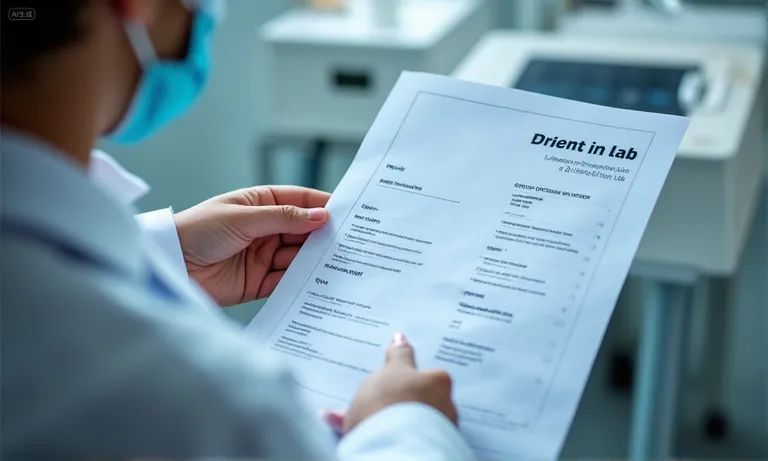
True value in dental outsourcing is not about the lowest number on a quote but about cost predictability, certified quality, and efficient collaboration. Buyers should focus on pricing models, materials, communication, documentation, and digital integration that collectively lower risks and enhance trust.
dental-lab-value-elements
Predictable pricing builds financial stability into outsourcing relationships. Fixed-fee or bundled arrangements allow procurement managers to set budgets with confidence and avoid disputes over minor adjustments. This structure also motivates the lab to maintain efficiency, since unnecessary remakes cut into their own margins rather than generating extra fees.
Reliable labs demonstrate value through the combination of certified inputs and systematic quality control:
Value emerges when labs provide reliable communication pathways. A single point of contact, structured response times, and proactive updates reduce delays caused by misinterpretation or lost information. As an overseas dental lab, Raytops Dental Lab assigns an account manager for large buyers so approval cycles and exceptions are tracked in one place rather than scattered across emails.
Value is reinforced when every case is backed by clear documentation.
Labs with robust digital infrastructure provide measurable value by compressing turnaround times. When CAD files, scan data, and approvals flow seamlessly between clinic and lab, remake requests decline. In our collaborations, integrating ordering portals and viewer access shortened feedback loops by several days per case, translating into fewer hidden costs and higher satisfaction for procurement and clinicians.
Value in cost structures is therefore not abstract—it is tangible, measurable, and linked to reduced risk. Buyers who prioritize predictable pricing, certified quality, transparent documentation, and digital integration position themselves to achieve better outcomes and long-term savings.
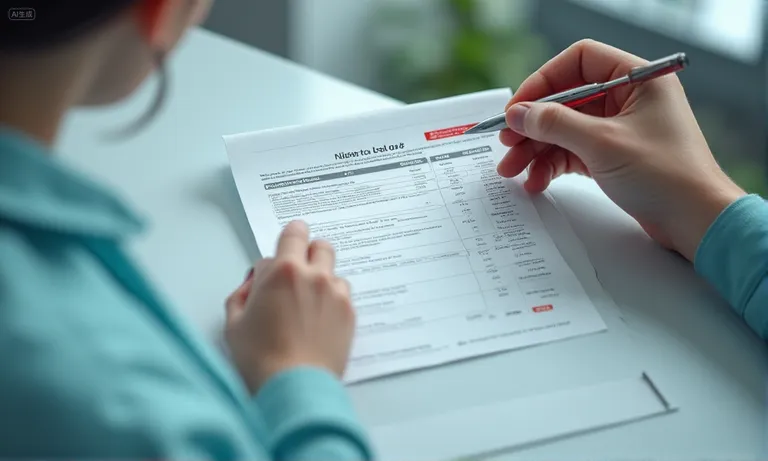
Low-cost outsourcing may look attractive at first glance, but hidden risks often turn these savings into greater long-term expenses. Buyers need to understand where suppliers cut corners, because vague pricing, poor quality control, and weak logistics can quickly erode trust and increase costs.
dental-lab-low-cost-risks
One of the most common red flags is a quote with incomplete or vague pricing terms. Labs may provide a base fee but later add surcharges for shade matching, design modifications, or shipping. Procurement teams that fail to request line-item clarity can end up paying 15–20% more than expected. Transparent suppliers openly share fee structures and service inclusions upfront, which is why requesting full line-item quotes is considered best practice.
Low-cost offers often rely on shortcuts in materials and QA:
The biggest hidden expense in dental outsourcing is remakes. A crown that costs $50 less initially may need two or three remakes, multiplying chair time and delivery delays. In our own collaborations, we have seen procurement managers reverse outsourcing decisions after hidden remake rates exceeded 12%, effectively doubling their true lab spend. Reliable overseas dental labs invest in digital QA to keep remake rates consistently below industry averages.
Hidden costs also arise when cases are delayed due to poor communication or logistics gaps:
Another overlooked risk is complete reliance on one offshore location without contingency planning. Political events, port closures, or sudden courier restrictions can halt deliveries for weeks. Labs with diversified or nearshore backup options mitigate this risk, while ultra-low-cost providers usually lack such safety nets. Procurement managers should ask suppliers about their contingency logistics before signing contracts.
Low-cost outsourcing often hides the most expensive risks—unpredictable billing, poor quality, frequent remakes, and delays that damage clinic reputation. Buyers who look beyond the initial number and assess these hidden pitfalls gain a clearer picture of the true long-term cost of outsourcing.
Evaluating cost structures is not just about comparing numbers but about establishing a fair, transparent framework that highlights quality, reliability, and value. Buyers who benchmark, request detailed quotes, audit quality metrics, and spot red flags are more likely to build sustainable partnerships with trustworthy suppliers.

dental-lab-cost-comparison
Benchmarking provides context for evaluating whether a lab’s quote is competitive and realistic.
Transparent suppliers present full quotes that include materials, labor, technology, shipping, and compliance. Buyers should also ask for service-level agreements (SLAs) that define turnaround times, remake policies, and communication standards. When Raytops Dental Lab collaborates with procurement teams, we often provide sample SLA templates to reduce uncertainty and ensure both sides align on expectations before production begins. This clarity avoids disputes and supports long-term trust.
Auditing quality metrics ensures that cost savings are not offset by hidden inefficiencies.
| Metric | Why It Matters | Benchmark Target |
|---|---|---|
| Remake rate | Reflects material + QA reliability | < 5% of cases |
| Turnaround compliance | Measures delivery consistency | > 90% on-time |
| Communication response | Tracks supplier responsiveness | < 24 hours |
Procurement managers can request historical data from suppliers. Labs that share these figures openly demonstrate confidence in their quality systems.
Certain warning signs often indicate unreliable partners:
Structured evaluation turns dental lab cost comparisons into a transparent decision-making process. Buyers who benchmark prices, demand detailed SLAs, and monitor quality metrics can confidently select overseas partners that deliver both affordability and long-term reliability.
Choosing the right cost structure in dental implant outsourcing is ultimately about balancing transparency, value, and risk. Buyers who look beyond headline prices and focus on predictable models, certified materials, and clear quality metrics gain more reliable results and stronger supplier partnerships. Hidden costs from vague pricing, remakes, or logistics delays can quickly outweigh initial savings, making careful evaluation essential. By collaborating with an experienced overseas dental lab that provides full cost clarity, SLA commitments, and digital workflow support, procurement managers can reduce uncertainty, improve long-term efficiency, and build a supply chain that delivers consistent value.