For dental procurement teams and lab coordinators, seamless communication is no longer a preference—it’s a baseline requirement for digital collaboration with external dental labs. As digital workflows become the norm in restorative production, ensuring that communication tools support real-time updates, traceable approvals, and time zone coordination is essential to reduce delays and avoid costly remakes.
To evaluate a dental lab’s digital communication readiness, consider these core dimensions:
Understanding and verifying these capabilities helps procurement teams not only prevent workflow breakdowns, but also establish scalable, long-term partnerships with aligned expectations around speed, visibility, and accountability.
In cross-border dental partnerships, communication is not just an operational tool—it’s a foundation for accuracy, speed, and mutual accountability. As labs and clinics increasingly rely on digital workflows, gaps in communication create cascading risks, from delayed approvals to production errors. The ability to exchange information clearly, in context, and in real time has become a non-negotiable element of modern dental outsourcing.
digital-dental-lab-communication-ecosystem
Delays in replying to design approvals, sending missing files, or clarifying specs can derail timelines and compromise outcomes.
Inconsistent communication leads to more remakes, patient chair-time waste, and frustrated clinical teams.
Legacy methods like email, WeChat, or phone calls don’t scale with digital collaboration.
In contrast, modern systems bundle messages, visuals, approvals, and case data in one trackable thread—essential for complex or multi-case workflows.
Seamlessness means communication that is persistent, contextual, and integrated.
In digital lab partnerships, seamless communication isn’t a bonus—it’s an infrastructure layer that protects clinical intent across borders and time zones.
✅ Seamless digital communication ensures accuracy and predictability in global lab partnerships – TRUE
It reduces avoidable errors, clarifies expectations, and keeps production moving without guesswork.
❌ Assuming email and messaging apps are sufficient for modern lab coordination – FALSE
Traditional methods don’t support approvals, version history, or SLA compliance, creating avoidable miscommunication.
Modern dental labs no longer rely on fragmented communication. Instead, they use integrated digital platforms to centralize case tracking, feedback, approvals, and messaging—making collaboration faster, clearer, and traceable.
These tools aren’t just conveniences; they are core infrastructure for reducing production delays, avoiding remakes, and maintaining client trust.
digital-dental-lab-platform-dashboard
Yes—especially among labs that serve international or high-volume clients.
For multi-location DSOs or mobile clinicians, these systems are indispensable.
A robust lab dashboard includes more than just progress bars. Key features often include:
Well-designed dashboards reduce miscommunication and improve case turnaround by enabling asynchronous, contextual collaboration.
Cloud-based systems make it easier to upload, preview, and revise 3D files without download friction or version loss.
According to a recent overview of lab digitization, cloud-based platforms reduce turnaround friction by 20–30% in clinics using structured case portals.
Core Platform Capabilities Summary
Together, these tools create a collaborative environment where both clinics and labs operate with confidence, transparency, and speed.
Not all digital labs offer the same level of communication transparency. Before selecting a partner, it’s critical to assess whether a lab’s systems are structured, trackable, and designed to support accountability—not just convenience.
While many labs claim to offer digital coordination, only some provide the verification mechanisms needed to maintain reliable case flow under pressure.
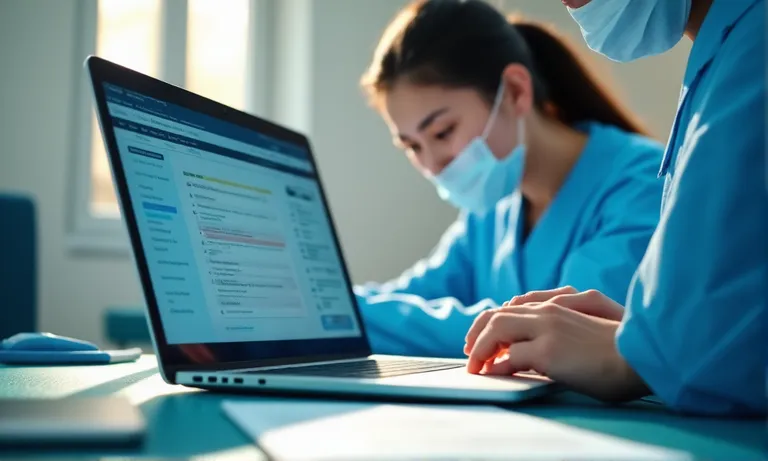
dental-lab-dashboard-evaluation-checklist
Ask for a sandbox login or guided walkthrough.
Seeing the system in action is more valuable than reading about it.
Transparent systems log every file upload, approval action, and revision step.
Version history ensures accountability across both clinic and lab users.
Automated notifications are only useful if they’re structured and traceable.
Labs using structured alerts usually integrate SLA reminders directly into their communication flow.
✅ Labs that offer demo access and timestamped logs demonstrate true system transparency – TRUE
They enable clients to preview and verify real functionality before entering a contract.
❌ Assuming any lab with a “portal” provides structured, traceable communication – FALSE
Some platforms offer only cosmetic interfaces without audit logs, case versioning, or SLA visibility.
In a fully digital workflow, labs must go beyond receiving files—they need to ensure those files are compatible, traceable, and contextually linked to clinical instructions. From STL models to diagnostic images, every file plays a role in shaping the final restoration.
Labs with mature digital protocols don’t just accept uploads—they create closed-loop systems that log, track, and validate every change along the way.

dental-lab-digital-file-feedback-system
Modern labs should accept a full spectrum of digital formats across various case types.
Ideally, the platform previews files in-browser, reducing the need for offline software.
Effective labs create threaded feedback systems:
This minimizes errors from ambiguous email chains or version conflicts.
Yes—in robust systems, every case has a structured history.
With this level of access, clinics can diagnose issues, reuse successful designs, or provide evidence during disputes.
Key Mechanisms Summary
When digital assets are tracked, versioned, and interpreted in clinical context, labs become not just producers—but accountable collaborators.
Time zone differences are often cited as barriers in global lab-clinic partnerships—but well-structured communication systems can make distance invisible.
A lab’s ability to manage urgency, respond across hours, and escalate when needed is what separates a responsive vendor from a risky one.
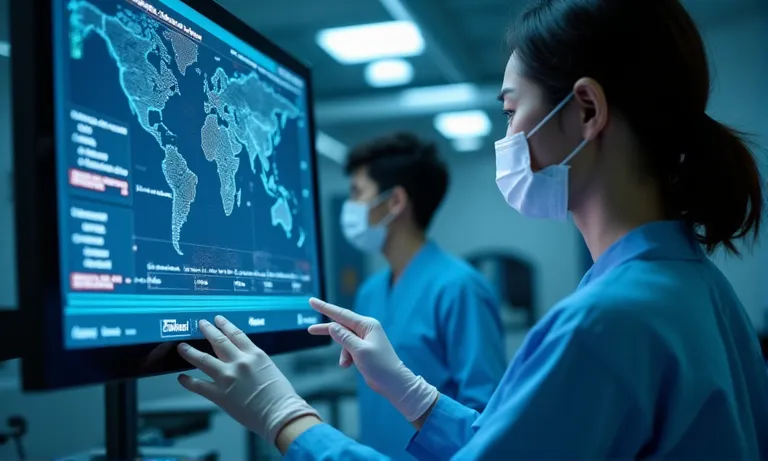
global-dental-lab-timezone-management
Well-prepared labs rely on systems that don’t require both sides to be online simultaneously.
Asynchronous channels reduce missed updates and prevent overnight bottlenecks.
Some labs assign regional coordinators or multilingual support agents available during client business hours.
This hybrid coverage model strengthens response reliability during your core hours.
Urgency doesn’t follow a schedule, so labs must prepare for exception handling.
True emergency coordination requires not just willingness, but structured fallback pathways.
✅ Global labs with async alerts, escalation logic, and regional coverage ensure dependable response—even across time zones – TRUE
These systems convert geographical distance into predictable operational flow.
❌ Assuming time zone gaps automatically lead to delays and miscommunication – FALSE
Modern digital labs integrate layered support systems to maintain responsiveness regardless of clock differences.
A lab’s communication promise means little without clear systems to back it up. Before formal onboarding, clinics and procurement leads should ask precise, operational questions that reveal how structured, traceable, and scalable the lab’s communication really is.
These aren’t just IT questions—they’re partnership readiness questions.

dental-lab-procurement-communication-checklist
This is the baseline of digital readiness.
A “yes” without proof isn’t enough—request visual or login-based verification.
Labs should provide average response time benchmarks for:
For urgent cases, ask if they offer guaranteed SLA-based response within 2–4 hours. Documented response speed = real accountability.
Urgent cases require a separate handling logic.
SLAs are only meaningful if tracked and enforced in daily workflows.
Communication Readiness Checklist Summary
When procurement teams ask these questions, they shift from guessing vendor readiness—to verifying it.
In modern dental outsourcing, a lab’s ability to communicate is as critical as its ability to mill a crown or scan a model. From asynchronous alerts and timestamped logs to escalation protocols and portal demos, communication systems aren’t secondary—they are the scaffolding that holds every workflow together.
Labs that treat communication as a structured, measurable process—not just ad-hoc coordination—create fewer errors, reduce case friction, and build trust that lasts beyond a single restoration.
For procurement leaders and clinicians alike, the takeaway is simple: ask for systems, not just service promises. Because in digital dentistry, how a lab communicates reveals how it truly operates.