
Certifications and compliance standards define the reliability of a dental implant lab. Buyers and procurement managers rely on internationally recognized frameworks such as ISO 13485, CE marking, FDA registration, and regional approvals to ensure products are manufactured safely, consistently, and in alignment with medical device regulations.
Procurement teams focus on six key dimensions:
By understanding these layers of certification, procurement leaders minimize risk, streamline supplier qualification, and secure partnerships with overseas dental labs that meet global expectations. Robust compliance not only protects patients and ensures regulatory acceptance but also signals a lab’s readiness for sustainable, long-term collaboration.
Certifications and compliance in dental implant labs are essential because they safeguard patient safety, reduce procurement risks, and ensure market access across multiple regions. For decision-makers, understanding these requirements is not just about paperwork—it is about minimizing liability and ensuring that restorations meet consistent quality standards.
dental-lab-certification-audit
Certifications such as ISO 13485 provide a structured quality management framework that covers every stage of the dental implant workflow. By embedding standard operating procedures, labs can reduce remake rates and avoid quality disputes. From a factory perspective, having certified processes also builds trust during audits, as clients can verify that cases are handled under documented quality controls.
For overseas buyers, working with uncertified labs introduces hidden risks—products may fail customs inspections, or worse, fail in clinical use due to nonconformance. Regulatory compliance minimizes these risks by aligning lab operations with international norms. This gives procurement managers greater confidence that supply will not be disrupted by enforcement actions or recalls.
Certifications act as passports to global trade. Without FDA registration, CE marking, or equivalent local approvals, dental restorations cannot legally enter certain markets. A Chinese dental lab that aligns with multiple certification systems can support distributors and clinics to expand internationally, providing smoother entry into regulated regions. This is why certifications are not optional—they are strategic assets in global supply chains.
When viewed from the procurement side, certifications are more than a checklist—they are the foundation for quality assurance, legal compliance, and reliable collaboration with overseas partners.
The mandatory international standards for dental implant labs include ISO 13485 for medical device quality management, ISO 9001 for general process consistency, and MDSAP for multi-country regulatory compliance. Together, these standards establish a recognized global framework that ensures consistent product quality, legal acceptance, and smoother international distribution.

dental-lab-international-standards
ISO 13485 is the most critical standard for dental implant labs because it sets a dedicated quality management system for medical devices. It covers design, production, documentation, and post-market surveillance. For labs, compliance means every restoration is manufactured under a controlled process, with full traceability and documented risk management. Overseas procurement teams often make ISO 13485 certification a non-negotiable requirement when evaluating suppliers.
While ISO 9001 is not specific to medical devices, it ensures that overall business processes—such as leadership, resource allocation, and continuous improvement—are well managed. In dental manufacturing, ISO 9001 complements ISO 13485 by aligning management systems with broader quality principles.
| Standard | Focus | Relevance to Dental Labs |
|---|---|---|
| ISO 13485 | Medical device quality management | Directly governs production of dental implants and restorations |
| ISO 9001 | General quality management | Improves overall lab efficiency and consistency, supports non-device processes |
The Medical Device Single Audit Program (MDSAP) allows a lab to be audited once and recognized in multiple countries, including the U.S., Canada, Australia, Brazil, and Japan.
Labs that achieve MDSAP certification demonstrate readiness for complex, multi-country partnerships, giving procurement managers greater confidence in cross-border sourcing.
For global buyers, these international standards serve as a common language of trust. They not only minimize compliance risks but also make collaboration with overseas dental labs more predictable and scalable.
The mandatory international standards for dental implant labs include ISO 13485 for medical device quality management, ISO 9001 for general process consistency, and MDSAP for multi-country regulatory compliance. Together, these standards establish a recognized global framework that ensures consistent product quality, legal acceptance, and smoother international distribution.

dental-lab-international-standards
ISO 13485 is the most critical standard for dental implant labs because it sets a dedicated quality management system for medical devices. It covers design, production, documentation, and post-market surveillance. For labs, compliance means every restoration is manufactured under a controlled process, with full traceability and documented risk management. Overseas procurement teams often make ISO 13485 certification a non-negotiable requirement when evaluating suppliers.
While ISO 9001 is not specific to medical devices, it ensures that overall business processes—such as leadership, resource allocation, and continuous improvement—are well managed. In dental manufacturing, ISO 9001 complements ISO 13485 by aligning management systems with broader quality principles. Buyers can review the ISO 9001 standard overview to understand how it supports operational consistency beyond device-specific processes.
| Standard | Focus | Relevance to Dental Labs |
|---|---|---|
| ISO 13485 | Medical device quality management | Directly governs production of dental implants and restorations |
| ISO 9001 | General quality management | Improves overall lab efficiency and consistency, supports non-device processes |
The Medical Device Single Audit Program (MDSAP) allows a lab to be audited once and recognized in multiple countries, including the U.S., Canada, Australia, Brazil, and Japan.
Labs that achieve MDSAP certification demonstrate readiness for complex, multi-country partnerships, giving procurement managers greater confidence in cross-border sourcing.
For global buyers, these international standards serve as a common language of trust. They not only minimize compliance risks but also make collaboration with overseas dental labs more predictable and scalable.
Regional regulatory approvals such as FDA registration for the U.S., CE marking under the EU MDR, and local pathways like TGA in Australia, PMDA in Japan, and SFDA in China are essential because they determine whether dental implants can legally enter and remain in those markets. Without these approvals, even high-quality restorations cannot be distributed or used clinically.

dental-lab-regulatory-approvals
The U.S. Food and Drug Administration (FDA) requires dental implant labs to register and comply with current Good Manufacturing Practices (cGMP). This framework ensures device safety, labeling accuracy, and traceability. Noncompliant imports risk being seized at customs or recalled. For procurement teams, verifying FDA registration through the FDA medical devices registration database is a critical step before entering contracts.
Under the European Union Medical Device Regulation (EU MDR), CE marking certifies that dental implants meet essential health and safety requirements. The process typically involves:
Beyond the U.S. and EU, labs must also comply with local regulators:
By mapping regulatory pathways early, buyers reduce the risk of shipment delays and ensure smoother integration into local markets.
For dental implant procurement managers, regional approvals are not just technical hurdles—they are the legal gatekeepers of international trade. Choosing labs that already comply with these approvals reduces entry barriers and builds long-term market security.
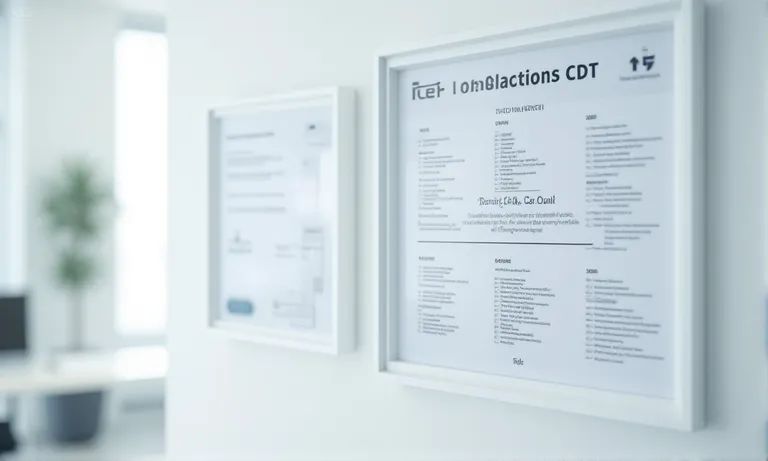
Industry-specific certifications and professional guidelines such as DAMAS, CDL/CDT, and ADA or ISO standards for dental materials strengthen credibility, standardize production, and provide external validation that labs follow recognized best practices. These certifications go beyond legal compliance and signal to buyers that a lab is committed to continuous improvement and professional accountability.
dental-lab-industry-certifications
The Dental Appliance Manufacturers Audit Scheme (DAMAS) is a UK-based quality system specifically for dental laboratories. It requires labs to follow documented procedures for material traceability, staff training, and quality assurance. Although primarily adopted in the UK, DAMAS provides international buyers with confidence that a lab has undergone an independent audit process dedicated to dental appliances.
Professional certifications such as CDL for labs and CDT for technicians are widely recognized in North America. They signal that both the organization and its technicians have met high benchmarks of technical skill, safety, and ongoing education.
These designations reassure buyers that the team behind implant restorations has demonstrated qualifications beyond regulatory minimums.
Dental material safety and performance are regulated through standards from the American Dental Association (ADA) and the International Organization for Standardization (ISO).
| Organization | Standard Type | Relevance |
|---|---|---|
| ADA | Material specifications and clinical performance | Ensures dental alloys, ceramics, and resins meet professional guidelines |
| ISO | International standards for biocompatibility and durability | Provides a globally harmonized benchmark for material testing and acceptance |
By adhering to both ADA and ISO standards, labs demonstrate that materials used in implants are safe, durable, and internationally validated.
For procurement teams, industry-specific certifications provide a clear signal of professionalism and accountability. Choosing a lab that meets these guidelines reduces uncertainty, enhances trust, and ensures smoother collaboration with global partners.
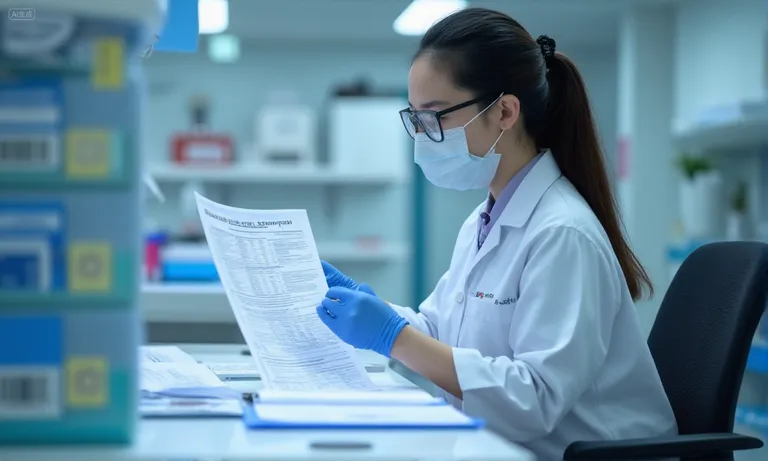
Dental implant labs ensure material safety and traceability by conducting biocompatibility testing, maintaining proper documentation such as MSDS and lot records, and undergoing continuous audits from internal teams or third-party organizations. These measures protect patients, reduce procurement risks, and give buyers confidence that every restoration is produced under strict material controls.
dental-lab-material-traceability
Biocompatibility is a non-negotiable requirement in implant dentistry. Testing under ISO 10993 verifies that materials do not cause toxicity, sensitization, or long-term biological harm. Dental labs sourcing alloys, ceramics, and polymers must ensure suppliers provide ISO 10993-compliant test reports. This validation allows procurement teams to trust that restorations are safe for patient use.
Maintaining proper documentation ensures transparency across the supply chain.
For buyers, these documents provide reassurance that a lab can prove exactly which material went into each case.
Ongoing monitoring is essential to maintain trust.
| Audit Type | Purpose | Benefit to Buyers |
|---|---|---|
| Internal audits | Verify adherence to SOPs and training | Ensures lab maintains consistency day to day |
| External third-party audits | Independent validation of processes | Builds buyer confidence with unbiased evidence |
| Customer-driven audits | Direct oversight from procurement teams | Provides hands-on assurance before scaling cooperation |
Labs that welcome third-party and client audits often demonstrate a higher level of operational maturity, making them more reliable long-term partners.
For procurement managers, robust material safety and traceability measures are not optional—they are safeguards that directly protect patients and brand reputation. Labs that invest in these controls show they understand the critical role of compliance in global dental supply chains.
Dental implant labs must follow operational compliance requirements that include workplace safety standards, data protection regulations, and continuous training with internal audits. These measures ensure safe environments, protect patient information, and maintain readiness for external inspections—factors that directly affect procurement reliability.

dental-lab-operational-compliance
Labs must comply with occupational safety rules to protect staff and maintain productivity.
Data protection is often overlooked in manufacturing, but labs handling digital scans and patient information must comply with HIPAA (U.S.) and GDPR (EU). These frameworks regulate how personal health data is stored, transmitted, and shared. A compliant lab encrypts files, controls access to sensitive data, and trains staff in privacy protocols. For procurement managers, this reduces the risk of regulatory fines and reputational harm if breaches occur.
Compliance is not a one-time exercise but an ongoing process. Labs can maintain readiness through:
Labs that invest in systematic training and self-assessment demonstrate operational maturity, making them more resilient partners in long-term cooperation.
Operational compliance ensures that a lab is not just technically qualified but organizationally reliable. For global buyers, this reduces hidden risks and builds confidence in the lab’s ability to handle scale without disruption.
Procurement teams can verify a dental lab’s certifications and compliance by requesting documentation, checking certificate authenticity through official databases, and being alert to red flags in claims. These steps ensure that partnerships are based on reliable, proven standards rather than unsupported promises.

verifying-dental-lab-certifications
Buyers should ask for a structured package of compliance records, including:
These documents provide a baseline of evidence that a lab operates under recognized quality and safety systems.
Verification should follow clear steps:
This process prevents reliance on outdated or fabricated documents.
Procurement managers should be cautious if they encounter:
Spotting these signals early helps avoid costly risks in supply partnerships.
Verifying certifications and compliance is not only about documentation—it is a test of a lab’s transparency and willingness to be accountable. Reliable overseas dental labs, such as Raytops Dental Lab, typically welcome such scrutiny, as it reinforces buyer trust and supports long-term collaboration.
Certifications and compliance are not just checkboxes but the foundation of trust in global dental implant sourcing. By aligning with internationally recognized standards and regional regulations, buyers protect patients, reduce risk, and secure predictable outcomes. For procurement managers, this means confidence that every restoration meets both clinical and regulatory expectations. Partnering with an overseas dental lab that embraces transparency, safety, and continuous audits ensures smoother collaboration and fewer disruptions. When a lab demonstrates readiness across quality systems, operational compliance, and material traceability, it becomes more than a supplier—it becomes a reliable extension of the clinical team.