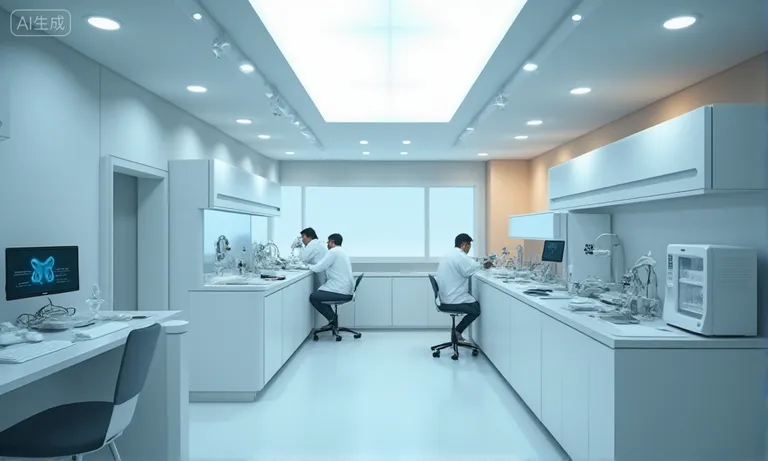
Outsourcing full arch implant cases to dental labs has been consistently shown to reduce costs across case studies and industry reports. By eliminating the need for expensive in-house infrastructure and leveraging the efficiencies of specialized labs, practices and procurement teams achieve measurable financial benefits. Real-world comparisons highlight substantial savings in per-unit costs, overhead reduction, and improved profitability.
Key findings from case studies include:
These outcomes show outsourcing is not simply cost cutting—it creates a scalable, efficient, and predictable model for full arch implant workflows. By collaborating with specialized dental labs, procurement teams and practices unlock both immediate savings and sustainable strategic value.
Outsourcing full arch implant cases delivers clear financial advantages over in-house lab operations, driven by eliminated overhead, reduced capital expenditures, and streamlined workflows—benefits that often reflect stark savings per case. These comparisons highlight why many clinics choose outsourcing as a cost-effective strategy.
Comparison-InHouse-vs-Outsourced-Dental-Lab
Running an in-house lab often requires substantial upfront and ongoing investments:
Industry comparisons underscore the disparity. In one scenario, a U.S. practice calculated joint annual costs of approximately $200,000 for equipment, facilities, and staff to maintain an in-house lab. By contrast, outsourcing full arch implant cases at $40 per unit reduced their per-case cost to one-fifth of the in-house equivalent. This shift represents not just savings, but a conversion of capex-heavy models into flexible, pay-per-case arrangements.
These cost comparisons show that outsourcing pulls clinics out of the “overhead trap”—replacing fixed lab investments with scalable per-case pricing that improves profitability and financial clarity. As an overseas dental lab collaborator, Raytops Dental Lab consistently enables clinics to transition from capital-heavy setups to cost-efficient outsourcing models. For additional financial breakdowns and benchmarking, resources like Dental Economics often publish cost analyses that echo these findings.
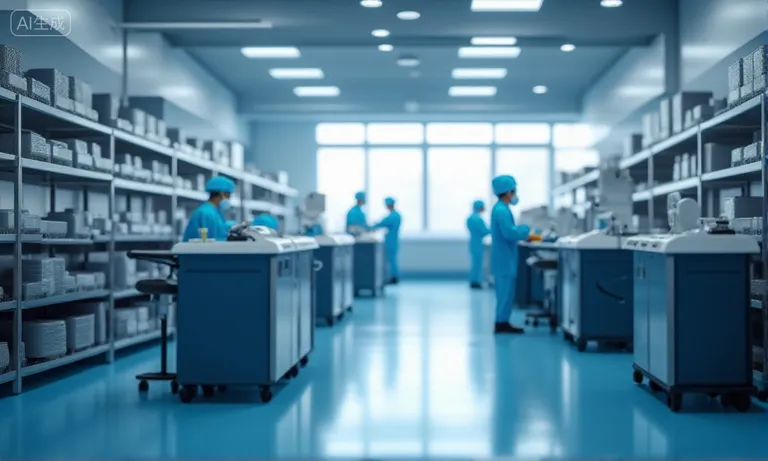
Outsourced dental labs achieve significant cost savings by leveraging bulk purchasing and economies of scale, passing those advantages directly to clinics. By consolidating material sourcing and centralizing production, these labs reduce unit costs that smaller in-house operations cannot match.
Dental-Lab-Bulk-Purchasing-Economies-of-Scale
Large outsourcing labs buy zirconia discs, implant components, and milling burs in bulk quantities that lower per-unit costs. Unlike single clinics or small in-house labs, which purchase materials case by case, large-scale labs negotiate discounts with suppliers by ordering thousands of units monthly. These savings are not only internal but are passed along to clinics through reduced case fees.
These examples show that cost savings at the lab level directly benefit clinical partners, especially when dealing with expensive implant materials.
| Factor | Small In-House Lab | High-Volume Outsourced Lab | Resulting Impact |
|---|---|---|---|
| Material procurement | Retail prices, case-by-case orders | Bulk supplier contracts | 20–40% savings on materials |
| Equipment utilization | Idle time during low case flow | Continuous 24/7 usage | Lower depreciation per case |
| Technician labor | Few staff with broad roles | Specialized teams with repetitive efficiency | Higher speed, fewer errors |
| Per-unit full arch cost | $250–$300 | $120–$160 | Consistent unit cost reduction |
By spreading fixed costs and material savings across hundreds of cases, large outsourcing labs deliver predictable per-unit prices that smaller labs cannot achieve.
Clinics outsourcing to scale-oriented partners consistently report savings that go beyond line-item costs—they gain pricing stability and reliable supply chains. As an overseas dental lab, Raytops Dental Lab operates at volume levels that let clinics capture these economies of scale without managing the burden of bulk purchasing themselves. For more insights on material sourcing efficiency, Inside Dental Technology frequently reports on lab procurement and supply chain trends.
Regional outsourcing demonstrates substantial cost variations between countries, with China and Vietnam frequently offering lower unit prices compared to local Western labs. These differences, often reaching up to 50% savings, reflect both material sourcing and labor structures unique to each region.

Dental-Lab-Regional-Outsourcing-Cost-Differences
| Region | Average Full Arch Unit Cost | Typical Savings vs Local Lab | Notes |
|---|---|---|---|
| Local U.S./U.K. Lab | $300–$400 | — | High labor + overhead costs |
| China Outsourced Lab | $120–$150 | 50–60% | Strong digital integration, high case volume |
| Vietnam Outsourced Lab | $140–$180 | 40–50% | Lower costs, but logistics less established |
| Other Asian Regions | $160–$200 | 30–40% | Competitive but varied quality systems |
This comparison shows that both Chinese and Vietnamese labs consistently deliver significantly lower unit prices than local in-house or regional providers.
These cases highlight that outsourcing decisions are not marginal optimizations—they are transformational cost shifts.
While cost savings are clear, logistics and delivery times remain key variables. China’s advanced shipping networks and established export systems often enable 7–10 day turnaround for full arch cases, balancing cost and speed. Vietnam, while competitive on price, may add a few days to delivery timelines due to less established courier infrastructure. Procurement teams must weigh whether deeper savings are offset by slightly longer lead times, depending on their scheduling flexibility.
For practices managing multi-site workflows, the cost benefits of outsourcing regionally are strongest when paired with reliable logistics partners. As a Chinese dental lab, Raytops Dental Lab combines cost efficiency with predictable delivery schedules, making it possible for overseas clinics to achieve both savings and operational reliability. For further analysis on regional dental outsourcing trends, Dentistry Today provides frequent reports on international market comparisons.
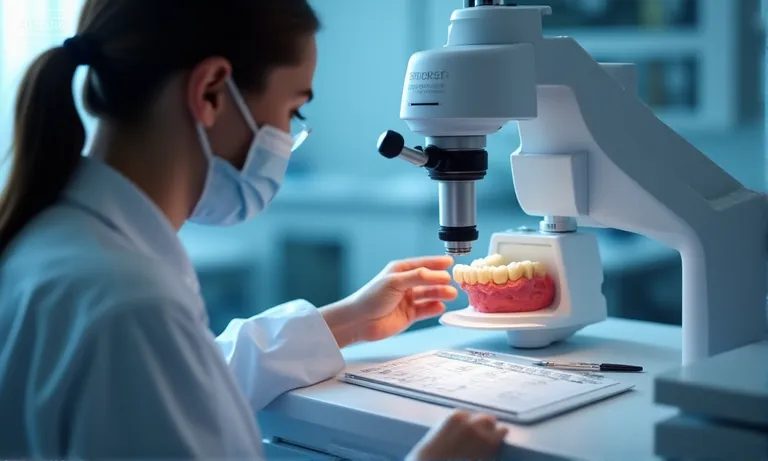
Remakes are a hidden but significant cost factor in full arch implant workflows. By outsourcing to specialized labs with digital QA systems, practices consistently lower remake rates to below 5%, unlocking major financial and clinical benefits.
Image
ALT: Dental-Lab-Remake-Rate-QA-Inspection
Prompt: A highly realistic, ultra-detailed, professional-quality photo captured in a clean, well-lit environment. Materials must be photorealistic, and rendered with DSLR-level clarity. Lighting should be soft daylight or studio white light, avoiding cold or bluish clinical tones. A dental technician inspecting a zirconia full arch restoration under magnification with a digital QA checklist visible, emphasizing low remake rates.
Every remake consumes chair time, materials, and staff resources—costs often underestimated in financial planning. A single full arch remake can require hours of extra adjustments, duplicate lab fees, and rescheduled patient appointments. These indirect costs can equal or even exceed the original unit price, turning remakes into a serious profit drain if not managed effectively.
Such examples show that outsourcing reduces waste not only in lab work but also in downstream clinical operations.
| Factor | High Remake Rate | Low Remake Rate (≤5%) | Financial Impact |
|---|---|---|---|
| Chairside adjustment time | 2–3 hrs per case | 30–45 min | Lower staffing costs |
| Material & lab duplication | Frequent duplicate parts | Rarely required | Direct cost savings |
| Patient rescheduling | Common, delays treatment | Rare, predictable schedules | Higher patient throughput |
| Annual financial impact | +$100k hidden costs | Minimal overhead | Improved clinic margins |
By cutting remakes, clinics save on labor, material, and scheduling disruptions—turning workflow efficiency into measurable profitability.
Across case studies, reduced remake rates are consistently cited as a driver of financial improvement. As an overseas dental lab, Raytops Dental Lab integrates multi-stage QA to minimize rework, ensuring clinics see both predictable outcomes and leaner cost structures. For additional industry data on the impact of remakes, Inside Dentistry offers detailed reports on clinical and lab inefficiencies.
Long-term outsourcing partnerships deliver sustained ROI by reducing costs, freeing capital for reinvestment, and enabling scalable service growth. DSOs and clinics that measure results over years, not months, find outsourcing creates both financial stability and strategic flexibility.

Dental-Lab-ROI-MultiYear-Outsourcing-Review
DSOs often track ROI through a blend of direct and indirect metrics: average per-case savings, reductions in remake rates, and improved delivery times. They also calculate the opportunity cost of not maintaining in-house labs. Over three to five years, these metrics show whether outsourcing has produced consistent cost savings while freeing resources for growth. Multi-year ROI tracking reveals that outsourcing is not a short-term fix but a durable value driver.
These examples demonstrate how outsourcing provides the financial breathing room for practices to scale patient care rather than internal infrastructure.
| Investment Area | Enabled by Outsourcing Savings | Impact on Practice Growth |
|---|---|---|
| New clinical staff | Funding redirected from in-house lab salaries | Increased patient throughput |
| Digital equipment | Budget freed from lab overhead | Expanded treatment options |
| Multi-site expansion | Capital saved over 3–5 years | New clinics opened, larger market reach |
| Advanced services | ROI reinvested in guided surgery & prosthetics | Higher-value treatments added |
By converting cost savings into growth capital, outsourcing turns financial efficiency into competitive advantage.
Long-term ROI is most visible when outsourcing partnerships evolve into strategic collaborations. As an overseas dental lab, Raytops Dental Lab has supported DSOs in scaling implant programs by aligning cost efficiency with growth strategies.
Case studies consistently show that outsourcing delivers strategic value beyond immediate cost savings. By improving workflow reliability, enabling predictable budgeting, and ensuring operational consistency, outsourcing becomes a long-term performance upgrade rather than a short-term financial tactic.

Dental-Lab-Outsourcing-Strategic-Value
Case studies highlight that outsourcing reduces remakes, improves delivery timelines, and enables scalable production volumes. For example, a U.S. DSO outsourcing to Asia not only saved 50% on costs but also cut turnaround times by 30%. Similarly, a European multi-clinic group emphasized that outsourcing stabilized scheduling across locations, improving clinician productivity alongside financial gains.
These advantages make outsourcing a strategic budgeting tool as much as a cost-reduction mechanism.
| Dimension | In-House Lab | Outsourced Partnership | Strategic Impact |
|---|---|---|---|
| Cost profile | High overhead, fluctuating | Predictable per-case fees | Reliable budgeting |
| Workflow stability | Dependent on staff & equipment | Standardized processes, digital QA | Consistent outcomes |
| Scalability | Limited by resources | Flexible, high-volume capacity | Growth without new investment |
| Risk exposure | Equipment breakdowns, staff shortages | Diversified, specialized teams | Lower operational risk |
By balancing financial savings with reliable workflows, outsourcing positions itself as a strategic partner model.
For clinics and procurement leaders, the evidence is clear: outsourcing is a pathway to both financial and operational resilience. As an overseas dental lab, Raytops Dental Lab has seen partners move from cost-driven pilots to long-term collaborations focused on reliability, predictability, and growth. For broader industry perspectives, Dental Economics regularly covers how procurement strategies extend beyond pricing into efficiency and risk management.
Outsourcing full arch implant cases is not simply a cost-cutting exercise—it is a strategic shift that unlocks financial stability, workflow efficiency, and scalable growth. Case studies across regions and practice types show that clinics save significantly on overhead while gaining predictable budgeting and improved outcomes. By reinvesting savings into staff, technology, and expanded services, practices turn outsourcing into a long-term growth engine. Partnering with an overseas dental lab ensures not only lower costs but also consistent quality and reliable collaboration, helping procurement teams achieve both immediate savings and sustainable strategic advantage.