
Outsourcing dental implant work to China provides cost efficiency and access to large-scale production, but it also introduces risks that can affect both clinical outcomes and procurement reliability. Buyers must weigh advantages against challenges such as quality consistency, compliance with international standards, logistics delays, communication barriers, and intellectual property protection. Addressing these issues upfront is essential to ensure predictable results and sustainable collaboration.
Procurement teams should focus on five critical areas when assessing partners:
By applying thorough due diligence, starting with pilot cases, and building strong communication protocols, buyers can reduce outsourcing risks while maintaining cost advantages. Partnering with a trusted overseas dental lab transforms outsourcing from a price-driven gamble into a stable, value-oriented supply chain that supports long-term growth and clinical confidence.
Quality is often the first concern when outsourcing dental implant work to overseas labs. Buyers must recognize that quality risks are not always visible upfront—they surface during case delivery, remake rates, or long-term reliability. In China-based dental labs, three areas are particularly important: production consistency, remake frequency, and digital file compatibility.
dental-lab-quality-risks
Inconsistency across batches is one of the most common quality risks. For single-unit cases, a slight margin error may be manageable. But in full-arch restorations or multiple-unit cases, even small deviations in milling precision or shade matching can compromise the entire case. Procurement managers should look for evidence of standardized protocols, internal QA checkpoints, and calibration routines. Studies in the Journal of Prosthodontics on implant accuracy show that consistent production standards directly reduce costly remakes in large orders.
The remake rate is a quantifiable measure of quality. A supplier offering low upfront pricing but with remake rates above 10% erodes cost savings through hidden expenses in chairside adjustments, patient dissatisfaction, and extended treatment timelines. By contrast, a reliable lab should keep remake rates below 5%. As an overseas dental lab partner, we often recommend buyers request historical remake data, since it is one of the clearest indicators of whether a supplier prioritizes accuracy over volume.
A large share of remakes stems from errors in file transfers rather than fabrication itself. If STL or DICOM files are incompatible with the lab’s CAD/CAM systems, distortions or missing details can occur. Buyers should confirm whether the lab’s digital infrastructure accepts multiple file formats and maintains version control. This compatibility reduces technical rework, accelerates approvals, and ensures precise outcomes in implant planning and final restorations.
When outsourcing to China, buyers should focus not just on cost but also on metrics such as consistency, remake rate, and digital compatibility. These indicators separate reliable partners from risky providers and establish the foundation for predictable quality in long-term collaborations.
Compliance is a critical factor in dental implant outsourcing because it determines whether restorations meet international safety and quality standards. Buyers working with China-based dental labs must ensure that suppliers are properly certified and that documentation can withstand regulatory scrutiny in their home markets. The most common challenges involve verifying which standards apply, confirming the authenticity of certifications, and understanding the risks of working with non-compliant labs.

dental-lab-compliance-certification
Without internationally recognized certification, buyers risk importing products that may not pass customs or could be rejected during regulatory inspections. This can lead to shipment seizures, financial penalties, or clinical liabilities if devices are later found non-compliant. Beyond legal exposure, partnering with uncertified labs undermines trust with patients and institutions, as regulatory compliance is increasingly viewed as a basic requirement in global procurement.
Compliance is a critical factor in dental implant outsourcing because it determines whether restorations meet international safety and quality standards. Buyers working with China-based dental labs must ensure that suppliers are properly certified and that documentation can withstand regulatory scrutiny in their home markets. The most common challenges involve verifying which standards apply, confirming the authenticity of certifications, and understanding the risks of working with non-compliant labs.

dental-lab-compliance-certification
Without internationally recognized certification, buyers risk importing products that may not pass customs or could be rejected during regulatory inspections. This can lead to shipment seizures, financial penalties, or clinical liabilities if devices are later found non-compliant. Beyond legal exposure, partnering with uncertified labs undermines trust with patients and institutions, as regulatory compliance is increasingly viewed as a basic requirement in global procurement.
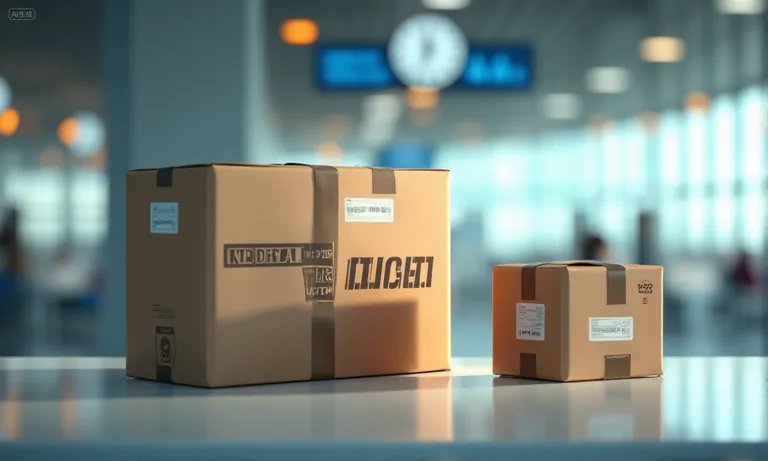
Turnaround time is one of the most sensitive factors in outsourcing dental implant cases. Even with precise production, delays in shipping or customs can derail treatment schedules and increase costs for clinics. Procurement teams should assess not only a lab’s technical capability but also its cross-border logistics discipline and delivery reliability.
dental-implant-logistics-delays
International shipments from China can be held for extra checks when goods are classified as medical devices or when paperwork is incomplete. Seasonal congestion and route disruptions also add days to transit time. Knowing the rules for importing medical devices (for example, the FDA’s Importing Medical Devices overview) and, for EU-bound goods, checking MDR guidance for importer responsibilities (see MDCG-endorsed guidance) helps prevent avoidable holds.
Delays in global supply chains are inevitable, but disciplined logistics planning, clear SLAs, and qualified carriers keep timelines predictable. As an overseas dental lab partner, Raytops coordinates pickup windows and documentation reviews with clients up front, which helps reduce customs queries and preserves treatment schedules.
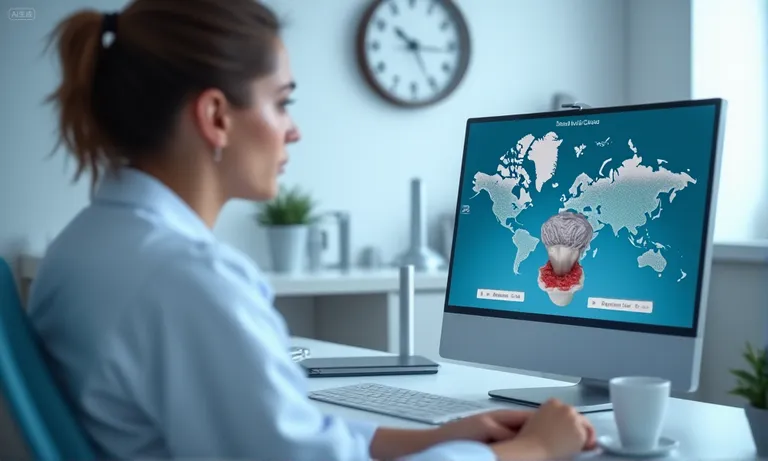
Communication is the backbone of smooth outsourcing. Even when labs deliver technically strong restorations, small missteps in coordination can cascade into costly delays or remakes. Buyers need to anticipate the barriers of language, time zones, and workflow integration when working with overseas dental labs, and establish structured communication systems from the outset.
dental-lab-communication-barriers
Different working hours between Asia and Western markets can stretch feedback cycles, leading to one-day delays in even minor clarifications. Language differences may cause misinterpretation of design requests or shade instructions, especially when technical terms are translated loosely. Over time, these small barriers compound into workflow inefficiencies. Establishing agreed response windows and using shared terminology guides helps maintain alignment.
Strong communication protocols minimize misunderstandings and keep cases moving smoothly. For procurement teams, aligning on submission templates and dedicated contacts upfront is as important as verifying lab quality. If the lab also supports collaboration features within its CAD platform (see the “Collaborate effortlessly” capability in exocad DentalCAD), cross-border case exchange and feedback typically become faster and more predictable.
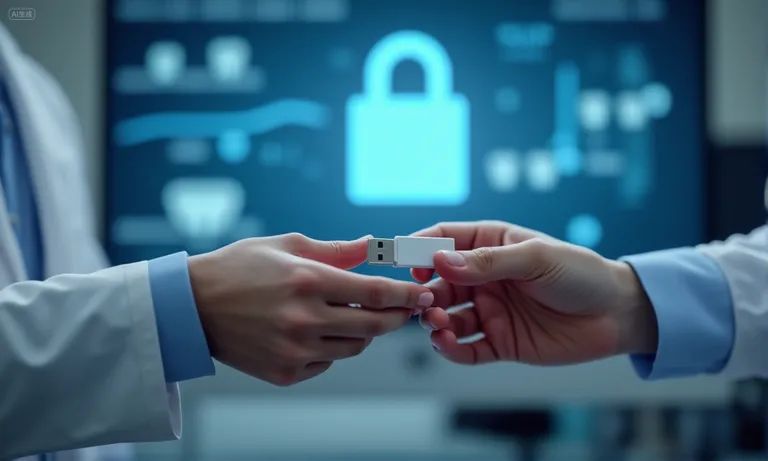
Protecting intellectual property (IP) is often overlooked when outsourcing dental implant cases, yet it is one of the most strategic concerns for procurement teams. Proprietary abutment designs, unique shade-matching workflows, or digital libraries of restorations can all be exposed if files are not transferred and managed securely. Buyers should assess how labs handle confidentiality, contractual protections, and digital data security before entering into long-term agreements.
dental-lab-intellectual-property-risks
Labs may be required to work with clinic-owned CAD libraries or custom implant components. If protections are weak, competitors could replicate these designs. Procurement teams should clarify ownership terms in contracts and confirm that labs do not reuse proprietary designs without permission. Tools like WIPO’s IP management guidelines provide frameworks to strengthen oversight in international collaborations.
By addressing IP risks proactively, buyers protect not only their proprietary assets but also patient trust and long-term brand equity. As an overseas dental lab, Raytops emphasizes contractual safeguards and encrypted digital workflows to ensure that clinic data remains confidential and designs are never misused.
Outsourcing to China offers cost advantages and access to advanced production capacity, but procurement teams cannot ignore the risks highlighted in quality, compliance, logistics, communication, and IP. Effective risk management depends on structured due diligence, phased cooperation, and building partnerships that evolve beyond transactional buying. When done correctly, these steps transform outsourcing from a cost gamble into a predictable and value-driven collaboration.

managing-outsourcing-risks-china
Pilot orders reveal how a lab performs under real working conditions without committing large volumes upfront. Buyers can observe whether delivery times align with agreed schedules, whether communication is responsive, and whether quality meets the required consistency. A small-scale order is the safest way to identify potential issues before they become large-scale risks, and allows procurement teams to fine-tune expectations.
By combining structured due diligence with stepwise trust-building, buyers can significantly reduce uncertainty. Rather than treating Chinese labs as interchangeable low-cost vendors, a partnership model anchored in shared accountability delivers the most sustainable results. Raytops, as an overseas dental lab, supports this approach by offering transparent pilot programs and scalable workflows designed for long-term alignment with clinic partners.
Outsourcing dental implant restorations to China presents both opportunity and risk. A clear-eyed approach allows procurement teams to leverage competitive pricing and advanced production capacity without compromising quality or compliance. The key lies in structured risk management: verifying certifications, securing digital workflows, piloting small orders, and building communication systems that minimize delays.
When buyers evaluate suppliers with discipline and treat outsourcing as a partnership rather than a transaction, they gain predictable quality, faster turnaround, and stronger safeguards against hidden costs. This approach not only protects intellectual property but also ensures long-term patient trust.
As an overseas dental lab, Raytops emphasizes transparent collaboration, certified processes, and secure data handling. For procurement teams, partnering with a lab that shares these values reduces uncertainty and turns global outsourcing into a reliable foundation for sustainable growth.