Gold crown fabrication has entered a new era—where digital precision and material science redefine what’s possible for both labs and clinics. Without embracing these innovations, dental teams risk delays, poor fit, and higher remake rates that directly affect patient satisfaction. By adopting CAD/CAM, 3D printing, and optimized alloys, practices can improve clinical outcomes, reduce costs, and meet modern patient expectations with confidence.
The latest advances in gold crown fabrication include CAD/CAM design, 3D-printed wax models, and high-performance gold alloys. These innovations improve crown fit, strength, and workflow efficiency—enhancing outcomes for both labs and dental practices.
What Are the Key Technological Advances in Gold Crown Fabrication?
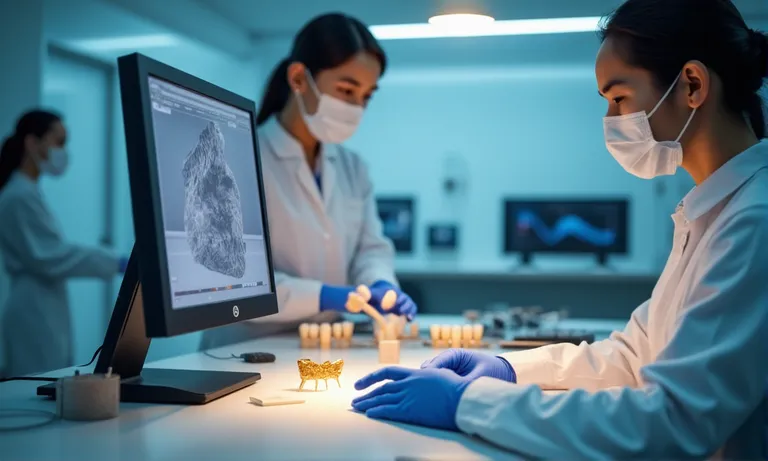
Gold crowns have traditionally been associated with manual craftsmanship—but today’s innovations in CAD/CAM, 3D printing, and high-performance alloys are redefining what’s possible. These advances not only improve clinical outcomes but also reshape how international labs like ours support overseas dental practices.
Image ALT: gold-crown-cadcam-3d-print-lab-process Prompt: High-tech dental lab with CAD/CAM software on-screen designing a gold crown, nearby 3D printer building wax models, alloy ingots on table, well-lit modern environment
How Does CAD/CAM Technology Improve Gold Crown Fabrication?
Digital workflows bring new levels of consistency and fit precision.
More Accurate Replication: Complex occlusal and contact anatomy is retained more precisely.
Reduced Labor Dependency: Consistency improves, even with less experienced technicians.
Batch Efficiency: Multiple crowns or components can be printed simultaneously for casting cycles.
What New Materials Are Improving Gold Crown Durability and Fit?
New alloy formulations and process refinements push gold crown performance further.
High-Stability Gold Blends: Improved gold-palladium or gold-platinum alloys offer better strength and corrosion resistance.
Alloy Behavior Tuned for CAD: Certain blends are optimized for smoother milling and polish.
Consistent Shrinkage Control: Modern materials respond more predictably to casting temperatures and thickness variations.
Digitalization and material innovation are rapidly elevating gold crown fabrication. Request our digital crown fabrication kit or connect with us to review sample outcomes that match your clinical standards.
How Do New Fabrication Techniques Improve the Quality of Gold Crowns?
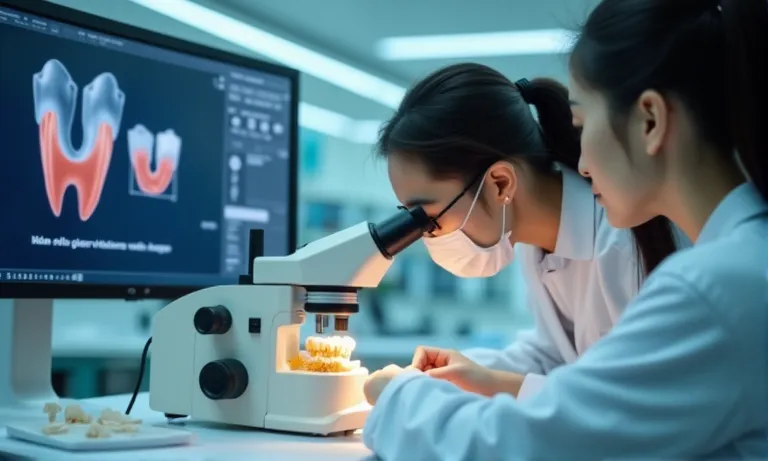
Advanced fabrication methods don’t just speed up crown production—they also enhance the end result. From tighter fits to smoother margins, digital tools and updated workflows have redefined the quality standards for gold crown delivery.
digital-gold-crown-quality-enhancement
How Do Digital Design Tools Enhance Fit and Precision?
Modern tools help minimize human error and improve adaptation consistency.
Optimized Cooling Profiles: Digital burnout and casting protocols prevent thermal stress fractures.
How Do Advanced Fabrication Techniques Enhance Aesthetic Outcomes?
Even gold crowns can benefit visually from new precision workflows.
Smaller Margins Improve Soft Tissue Response: Cleaner contours mean less irritation and better integration.
Polishing Standardization: Digital finishing guides ensure a consistently high-gloss, smooth surface.
Better Occlusal Morphology: Digital anatomy libraries create crowns that look and function more naturally.
✅ Modern fabrication techniques significantly improve fit, strength, and crown aesthetics – TRUE Digital workflows reduce error margins and raise the baseline quality of every unit delivered.
❌ Traditional handcraft methods always produce better quality than digital workflows – FALSE While craftsmanship still matters, digital tools offer consistency, reproducibility, and speed that handwork alone cannot match.
How Do Fabrication Advances Improve Production Efficiency and Workflow?
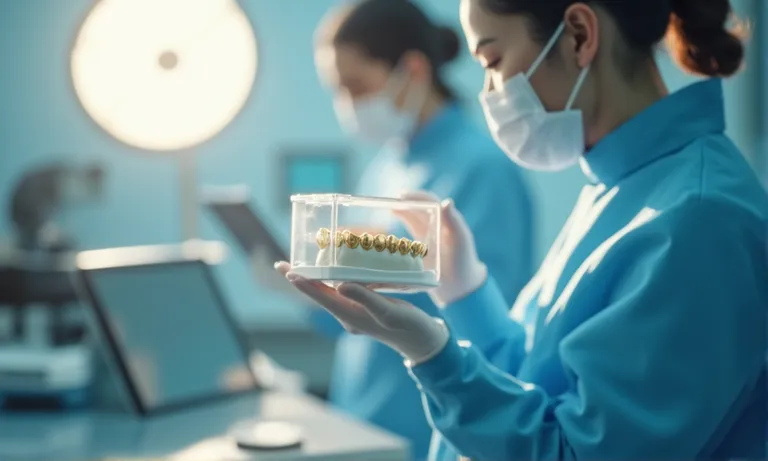
As demand for shorter turnaround and consistent output increases, modern fabrication methods help labs produce gold crowns faster, with fewer errors and better cost control. These improvements directly impact lead time, remake rate, and clinic satisfaction.
Image ALT: gold-crown-production-efficiency-digital-workflow Prompt: Multi-station dental lab using digital scanners, automated milling, and casting stations working simultaneously, technician monitoring progress on screen, overhead view with bright lighting
How Do Automated Processes Speed Up Gold Crown Production?
Automation reduces manual labor and shortens multi-step workflows.
Automated Wax Pattern Printing: Crown models are printed within hours, not sculpted by hand over days.
Milling Path Optimization: CAM software pre-calculates toolpaths for efficiency without compromising detail.
Batch Casting Scheduling: Crown production is organized by workflow cycles, not case-by-case urgency.
How Can Advanced Fabrication Techniques Reduce Errors and Waste?
Modern systems integrate real-time quality control and design safeguards.
Undercut & Margin Alerts: Digital design flags critical geometry issues before printing or milling.
Consistent Wax Pattern Output: 3D printers produce uniform walls and margins, reducing miscasts.
Controlled Alloy Consumption: Material usage is planned digitally, avoiding excess or scrap.
Standardized Workflows Lower Remake Rates: With fewer variables, there’s less room for error.
How Do Streamlined Fabrication Processes Reduce Costs?
Faster cycles and fewer remakes lead to better margins for both labs and clinics.
Less Chairside Adjustment Time: High initial fit means fewer minutes spent in the operatory.
Lower Labor Cost per Unit: Automation allows fewer technicians to handle more cases per shift.
Reduced Rework and Delivery Delays: Time and material savings compound over volume.
Enables Scalable Batch Fulfillment: Ideal for DSOs and distributors with regular high-volume needs.
Digital fabrication is more than a tech upgrade—it’s a workflow advantage. Contact us to explore our gold crown production model or request a process overview to see how it fits your delivery goals.
What Benefits Do Advanced Gold Crown Fabrication Techniques Offer Dental Practices?
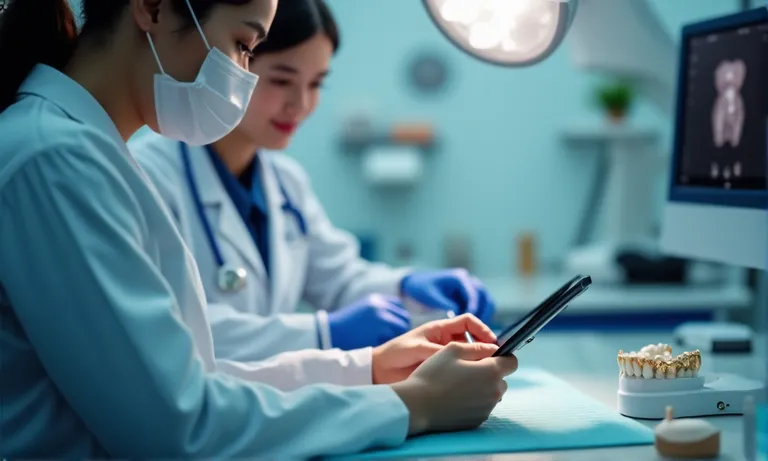
Modern fabrication methods don’t just benefit labs—they directly improve clinical delivery, reduce chair time, and elevate patient satisfaction. Practices that adopt lab partners using these methods often see better outcomes and fewer complications.
Image ALT: dental-practice-benefits-from-digital-gold-crown-workflow Prompt: Dental clinic receiving gold crowns in labeled delivery box, assistant inspecting crowns alongside digital work order on tablet, clinician preparing for patient placement, clean daylight setting
How Do Faster and More Precise Crowns Improve Patient Satisfaction?
When crowns arrive ready to seat, patients notice—and appreciate—the difference.
Fewer Adjustment Visits: Better fit translates to less grinding and fewer appointments.
Improved Comfort on First Placement: Smoother margins and refined occlusion reduce initial discomfort.
Faster Delivery = Less Wait Anxiety: Quick turnaround improves the overall treatment experience.
Confidence in Quality: Patients trust restorations that look and feel right the first time.
How Do Advanced Techniques Help Reduce Crown Remakes?
Digital consistency means fewer surprises for both dentist and patient.
Fewer Seating Failures: Accurate margins and occlusion reduce chairside rejection.
Predictable Lab Output: With templates and automation, every crown meets the same standard.
Error Catching at Design Stage: Digital alerts for undercuts, taper, or margin issues prevent flawed cases.
Fewer Complaints About Appearance or Bite: Visual and functional precision improves patient feedback.
How Can Advanced Fabrication Give Your Practice a Competitive Advantage?
Labs with cutting-edge systems enable clinics to deliver care faster, smoother, and with more confidence.
Strong Lab Relationships Support Growth: Aligned workflows and digital data exchange create scalable efficiency.
✅ Digital crown fabrication directly improves patient outcomes and clinic performance – TRUE From first-time fit to long-term comfort, practices benefit from the consistency and accuracy advanced labs deliver.
❌ Crown fabrication methods have little impact on what patients experience – FALSE Poorly fitting or delayed crowns impact satisfaction, retreatment risk, and trust—often traceable to outdated lab workflows.
How Can You Choose the Right Gold Crown Fabrication Technique for Your Practice?
With multiple fabrication technologies now available, choosing the right one depends on balancing clinical outcomes, workflow needs, and budget realities. Understanding what to prioritize helps practices make more confident, cost-effective decisions.
dentist-choosing-digital-gold-crown-lab-options
How Should You Evaluate Your Practice’s Needs and Budget for Gold Crown Fabrication?
Aligning technique selection with real-world priorities starts with structured assessment.
Define Your Patient Demographics Are you treating long-term crown users, elderly, or cost-sensitive patients?
List Your Current Pain Points Frequent remakes, poor marginal fit, or inconsistent turnaround?
Set Target Turnaround Goals Can you support in-house scans or rely on external scan file transfers?
Determine Acceptable Unit Costs Balance material quality with workflow savings to establish a viable budget range.
Estimate Case Volume Low-volume private practices and high-volume DSOs may benefit from different lab models.
How Can You Compare Fabrication Techniques and Their Impact on Outcomes?
Each method offers different strengths—your choice should reflect performance priorities.
Traditional Casting: Still effective but slower and more operator-dependent.
CAD/CAM Milling: Excellent for fit and repeatability; more cost-efficient at scale.
3D Printed Patterns: Best suited for complex geometries and speed; requires trusted workflow.
Hybrid Workflows: Combine manual polish with digital design for balance of precision and finish.
How Can You Build Partnerships with Suppliers of Advanced Fabrication Services?
Choosing a supplier is as strategic as choosing a technique.
Review Sample Work First: Assess margin, occlusion, polish, and finish quality.
Check Digital Compatibility: Ensure scanner/software formats are supported.
Establish Clear Turnaround Times: Know lead times before scaling up volume.
Request Small-Batch Trials: Test process quality before committing to long-term plans.
Finding the right fabrication partner starts with understanding your own clinical priorities. Contact us for a sample case review or discuss how our workflow can match your goals and volume.
Conclusion
Modern fabrication techniques are transforming how gold crowns are designed, produced, and delivered—bridging the gap between lab innovation and clinical performance. Digital workflows, advanced materials, and smarter design tools create lasting benefits for dental teams and their patients alike.
Gold crown fabrication advances include CAD/CAM, 3D printing, and new alloy formulations that improve consistency and reduce error.
Quality improvements from digital design enable tighter margins, stronger structure, and more esthetic results than traditional methods alone.
Production efficiency gains from automation and batch casting streamline lab operations while lowering remake rates.
Clinical benefits include shorter turnaround, higher first-time fit rates, and improved patient trust and comfort.
Technique selection depends on clinic goals, volume, and patient needs, allowing customization of workflow for optimal results.
Supplier partnerships with advanced labs support scalability, digital compatibility, and long-term success in restorative care.