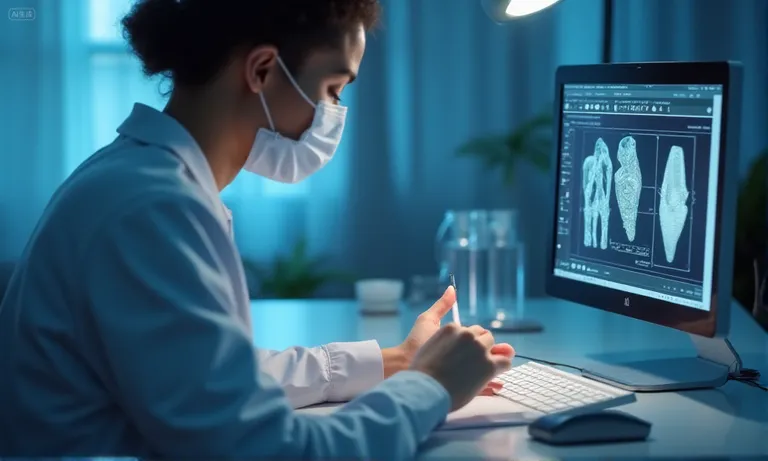
Managing high-complexity implant cases requires more than clinical skill—it depends on technologies that deliver precision, personalization, and consistency. CAD/CAM systems, AI-assisted planning, 3D printing, and digital workflows have become essential in ensuring predictable outcomes. With these tools, overseas dental labs like Raytops support clinicians in tackling multi-unit, full-arch, and highly esthetic restorations with confidence.
By integrating these technologies into daily operations, Raytops helps dental teams reduce uncertainty, improve efficiency, and achieve superior patient outcomes. Investing in labs equipped with these capabilities empowers clinicians to handle even the most demanding implant cases while maintaining long-term reliability and value.
Managing high-complexity implant cases requires an ecosystem of advanced technologies that can translate clinical planning into precise, reliable restorations. Unlike straightforward single-tooth implants, multi-unit, full-arch, and hybrid restorations demand accuracy at every stage—from digital design to final prosthesis delivery. The combination of AI-assisted planning, CAD/CAM systems, and 3D printing has become the foundation for predictable outcomes.
high-complexity-implant-technologies
AI-driven planning tools allow clinicians and labs to simulate bone density, nerve positioning, and occlusal dynamics before surgery. In complex implant cases, such tools reduce uncertainty by providing personalized implant positioning and prosthetic design. For example, AI software can optimize angulation in full-arch cases, lowering the risk of stress fractures or misfit. By incorporating patient-specific data, AI ensures that treatment plans are both safe and reproducible.
CAD/CAM systems transform digital planning into precise restorations. Custom abutments, crowns, and bridges can be designed with micron-level accuracy, ensuring that multi-unit and hybrid cases align seamlessly with clinical requirements. This precision reduces chairside adjustments and remake rates. Compatibility with open-file STL systems also allows seamless integration with clinics using intraoral scanners, which is particularly important in cross-border collaborations with an overseas dental lab.
3D printing provides the agility needed for complex implant cases by enabling rapid prototyping and personalized prosthetic frameworks. Labs can produce surgical guides, try-in prostheses, and final restorations with faster turnaround times than conventional casting. This capability is particularly valuable in full-arch implant cases, where time-sensitive adjustments can affect treatment success. By combining additive manufacturing with CAD/CAM design, dental labs like Raytops deliver more consistent results with reduced lead times.
The integration of AI, CAD/CAM, and 3D printing marks a shift from traditional trial-and-error methods to data-driven, precise workflows. Together, these technologies reduce clinical risk, speed up delivery, and enhance patient outcomes in high-complexity implant cases.
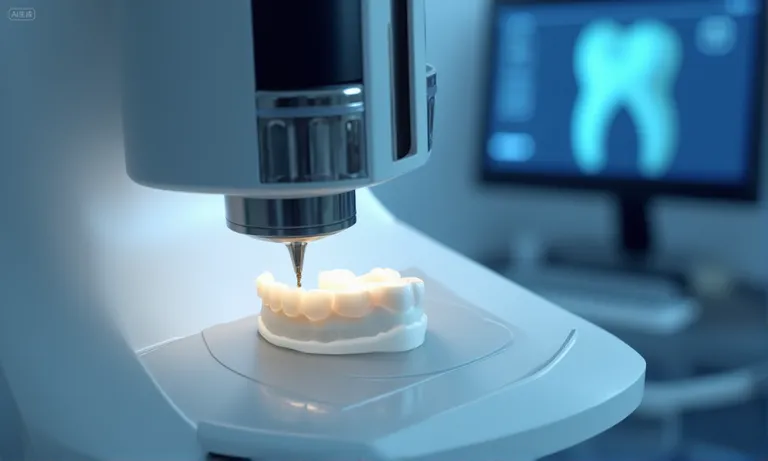
CAD/CAM technology ensures that digital implant planning is transformed into restorations with clinical precision. In complex cases involving multiple implants, hybrid frameworks, or full-arch reconstructions, even minor deviations can cause biomechanical stress or misalignment. By using CAD/CAM, dental labs can achieve exact customization while reducing remake rates and improving long-term stability.
cad-cam-dental-implant-accuracy
CAD/CAM systems allow technicians to design and fabricate custom abutments that match patient-specific angulation and gingival contours. For full-arch and multi-unit restorations, this customization ensures an ideal emergence profile and improved esthetics. Crowns produced by CAD/CAM reduce manual errors common in traditional waxing and casting methods, providing a better fit and higher consistency.
Digital design software calculates spatial relationships among multiple implants, ensuring accurate alignment and occlusion. This prevents prosthesis misfit, which could otherwise result in patient discomfort or implant failure. In full-arch reconstructions, CAD-driven workflows minimize distortion across long-span bridges, helping maintain predictable load distribution. Clinics benefit from fewer chairside adjustments and improved efficiency when partnering with implant-focused dental labs that operate robust CAD/CAM systems.
| Evaluation Factor | Why It Matters in Complex Implant Cases | What to Verify with the Lab |
|---|---|---|
| File Format Compatibility | Ensures smooth transfer of intraoral scan data | Check for STL and open system support |
| Software Integration | Prevents errors between clinic and lab workflows | Confirm alignment with your scanner software |
| Milling Capabilities | Impacts precision and turnaround time | Ask about multi-axis milling equipment |
| Material Flexibility | Supports titanium, zirconia, and hybrid restorations | Verify validated material libraries |
By prioritizing CAD/CAM compatibility, clinicians ensure smoother collaboration with overseas labs and achieve higher predictability in complex implant cases. Raytops Dental Lab for instance, integrates with open systems and multi-material workflows to align with global clinical practices.
3D printing plays a central role in modern implant dentistry because it enables high customization and faster turnaround for complex cases. Unlike conventional methods, additive manufacturing builds restorations layer by layer, producing surgical guides, models, and provisional restorations with high accuracy. This capability is especially valuable in multi-unit or full-arch implants, where precision and efficiency directly influence treatment outcomes.

3d-printing-dental-implant-models
With 3D printing, dental labs can quickly create prototypes of implant frameworks or provisionals before final delivery. This allows clinicians to evaluate esthetics, occlusion, and fit earlier in the workflow. Rapid prototyping minimizes risks in high-stakes cases like hybrid or full-arch restorations by giving the clinical team a preview and adjustment opportunity before committing to the final prosthesis.
Additive manufacturing reduces the need for multiple physical impressions or stone models, significantly shortening production cycles. For patients, this means fewer appointments, less chairside adjustment, and a more comfortable treatment journey. Clinics that rely on dental 3D printing solutions often report faster turnaround and higher patient satisfaction because restorations are produced with a closer match to digital plans.
Each implant case has unique anatomical and esthetic demands. 3D printing allows for one-to-one personalization of surgical guides, temporary restorations, and complex frameworks. This ensures better integration with patient-specific bone and tissue profiles while maintaining esthetic harmony. Overseas labs like Raytops leverage industrial-grade 3D printing to deliver customized implant components that align with global clinical expectations and demanding timelines.
Digital workflows bring order and predictability to the most demanding implant cases. By linking diagnostic scans, planning software, and manufacturing tools into a seamless process, they reduce errors and improve efficiency across every stage of treatment. For multi-unit or full-arch restorations, digital case management helps synchronize clinicians and dental labs, ensuring restorations meet both functional and esthetic requirements.

digital-workflow-intraoral-scanner-implant-planning
Planning software allows clinicians to merge CBCT scans, intraoral scans, and virtual articulators into a single dataset. This integration ensures that implant positioning accounts for bone density, angulation, and occlusion before surgery begins. When labs and clinicians collaborate digitally, adjustments are made earlier in the process, minimizing downstream errors and costly remakes.
Intraoral scanners provide direct digital impressions that feed seamlessly into CAD/CAM workflows. For high-complexity cases, scanner compatibility with lab systems ensures that data transfer is accurate and efficient. Clinicians using validated intraoral scanning systems often experience fewer distortions compared to traditional impressions, leading to more precise restorations and faster turnaround.
Digital workflows eliminate the delays inherent in shipping physical models or impressions. By transmitting files electronically, labs can begin design work immediately, shortening lead times. Overseas dental labs such as Raytops make use of integrated CAD/CAM and 3D printing platforms, enabling them to deliver complex restorations with consistent accuracy and predictable turnaround times, even across borders.
The choice of materials directly determines the durability, esthetics, and biological integration of complex implant restorations. For demanding cases such as full-arch rehabilitations or anterior esthetic zones, advanced materials provide the precision and reliability that traditional alloys cannot achieve. By combining proven strength with biocompatibility, they ensure long-term stability and predictable outcomes for patients.
zirconia-titanium-implant-crowns-on-lab-tray
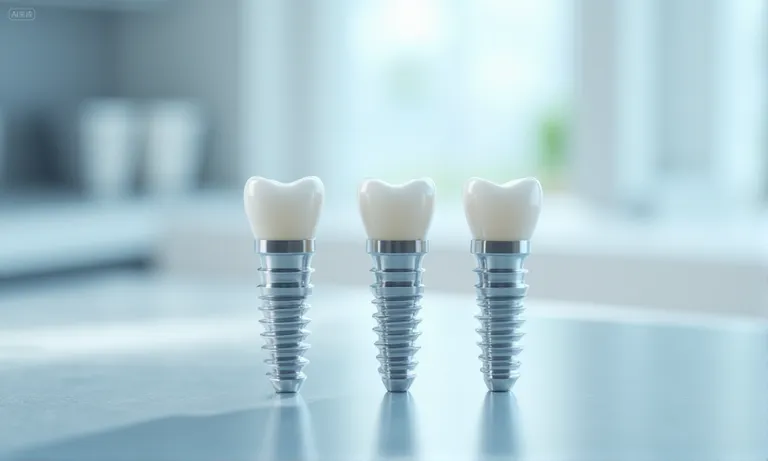
Titanium remains the gold standard for implant frameworks because of its exceptional strength and proven biocompatibility. Zirconia, on the other hand, provides esthetic benefits in anterior regions while maintaining durability under high occlusal loads. In complex restorations, combining titanium bases with zirconia abutments or crowns creates a balance of strength and natural appearance, making them the preferred solution in most advanced implant cases.
Precision milling of zirconia and titanium allows for a highly accurate fit between abutment, implant, and prosthesis. Transparency in material sourcing—ensuring all blocks and discs come from recognized dental-grade suppliers—gives clinicians confidence in the consistency of outcomes. For long-span restorations, small deviations in fit can multiply into complications, which is why verified quality and precise manufacturing are critical.
Emerging materials enhanced with nanostructures are designed to accelerate osseointegration and improve soft tissue adhesion. These technologies create micro-topographies on the implant surface, increasing cell attachment and promoting faster healing. While still developing, such materials are becoming part of advanced workflows in overseas dental labs, where research-driven adoption helps support complex implant cases with better long-term biological outcomes.
Complex implant cases demand more than technical skill—they require advanced technologies and materials that ensure precision, predictability, and long-term clinical success. From AI-assisted planning to CAD/CAM systems, 3D printing, and biocompatible materials such as zirconia and titanium, these innovations help clinicians manage complexity with confidence. Partnering with an experienced overseas dental lab that integrates digital workflows and verified quality standards allows practices to reduce risk, control costs, and deliver better outcomes. By leveraging these technologies, decision-makers can align clinical excellence with operational efficiency, securing consistent results across even the most challenging implant cases.