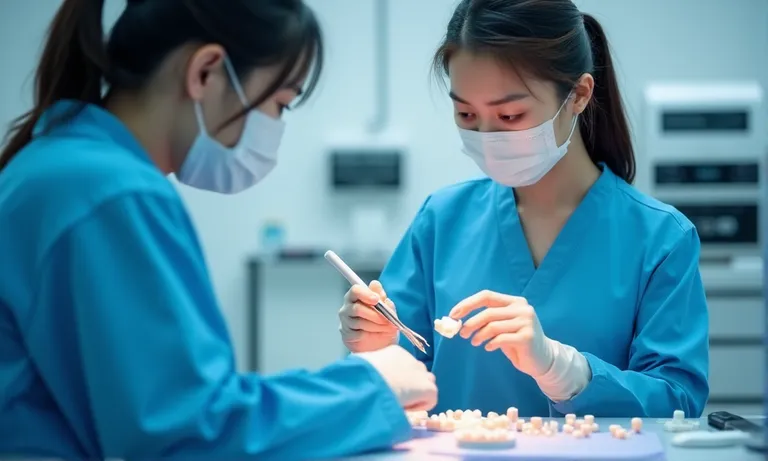
Sourcing non-precious PFM crowns internationally may seem like a straightforward cost-saving strategy.
Yet, buyers often encounter hidden risks in fit quality, alloy traceability, and communication that affect long-term outcomes.
By understanding quality indicators, alloy standards, and partner evaluation frameworks, clinics and distributors can reduce errors while maintaining budget efficiency.
Non-precious PFM crowns are widely used in global dental procurement due to their affordability, functional reliability, and compatibility with bulk production. These restorations reduce material costs and avoid precious metal price volatility, making them ideal for volume-focused buyers and public dental programs that prioritize cost-performance balance.
Non-precious PFM crowns have become a strategic choice for global dental procurement due to their cost efficiency and reliable performance across diverse clinical indications. Especially for clinics and distributors managing volume and price sensitivity, these restorations offer a compelling balance between function and affordability.
Dental-Lab-Non-Precious-PFM-Global-Case
Cost-effectiveness is the primary driver behind the shift from precious to non-precious PFM restorations. Here’s how the economics compare:
These crowns serve a wide range of indications in cost-conscious clinical settings. Common applications include:
Labs apply different techniques to maintain a balance between aesthetics and budget:
| Technique | Impact on Cost | Aesthetic Outcome |
|---|---|---|
| Opaque layering only | Lowest | Moderate opacity, functional |
| Cutback + layering | Medium | Improved translucency |
| Selective anterior customization | Higher | Natural gingival margins, better shade matching |
This balance depends on client type—clinics may accept baseline esthetics, while labs for specialist clients often apply higher ceramic control.
Several macro trends are sustaining this demand:
The popularity of non-precious PFMs stems not from compromise, but from strategic cost-performance balance. For volume-oriented buyers or price-sensitive markets, these crowns continue to offer relevance. Get a sample case to evaluate aesthetic consistency and alloy handling from a trusted offshore partner.
Consistent quality remains a critical concern when sourcing non-precious PFM crowns from overseas labs. Misalignments in expectations, standards, and documentation often lead to performance or communication gaps that affect clinical outcomes and reorder rates.
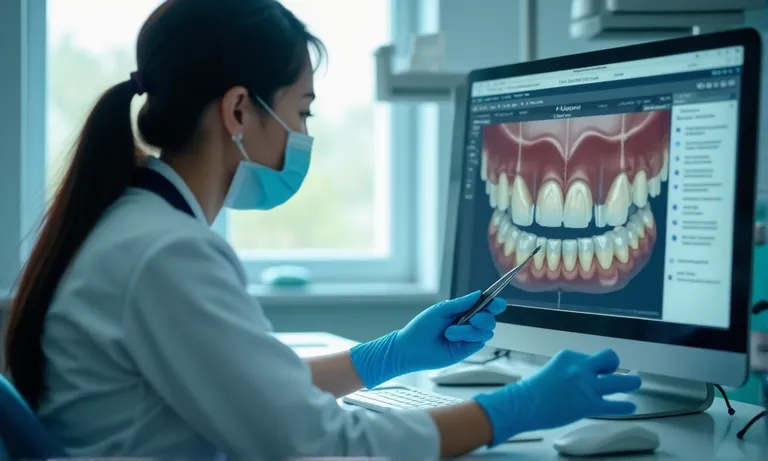
Dental-Lab-PFM-Crown-QC-Issues
Fit discrepancies are among the top causes of remakes in global crown sourcing. Key issues include:
These errors not only delay delivery but also increase chair time, denting trust in lab partnerships.
The integrity of the porcelain-metal interface is essential for long-term durability. Common causes of bonding failures include:
| Cause | Impact on Restoration |
|---|---|
| Alloy oxide layer not properly treated | Porcelain fracture under load |
| Incorrect firing temperature | Cracks during cooling |
| Contaminated bonding surface | Delamination or chipping in early use |
Weak bonding is rarely visible before delivery, which makes preventive QA essential during production.
Oxidation-related color shifts are common in lower-quality non-precious PFMs:
Distributors and DSOs receiving high volumes should define oxidation acceptance standards in early engagement.
Lack of documented alloy batch numbers or CE/FDA identifiers limits a clinic’s ability to prove biocompatibility:
Traceability is not just paperwork—it’s protection against regulatory or clinical liability.
✅ Oxidation and discoloration are inevitable in all non-precious PFMs – TRUE
Proper alloy handling, glaze control, and packaging protocols significantly reduce long-term discoloration risks.
❌ As long as crowns fit on the model, clinical fit is guaranteed – FALSE
Model-only verification overlooks in-mouth dynamics like tissue compression, margin depth, and functional occlusion.
Alloy selection plays a central role in the durability, safety, and regulatory compliance of non-precious PFM crowns. When sourcing internationally, understanding the nuances between alloy types and certifications helps buyers avoid long-term risks in performance and clinical liability.
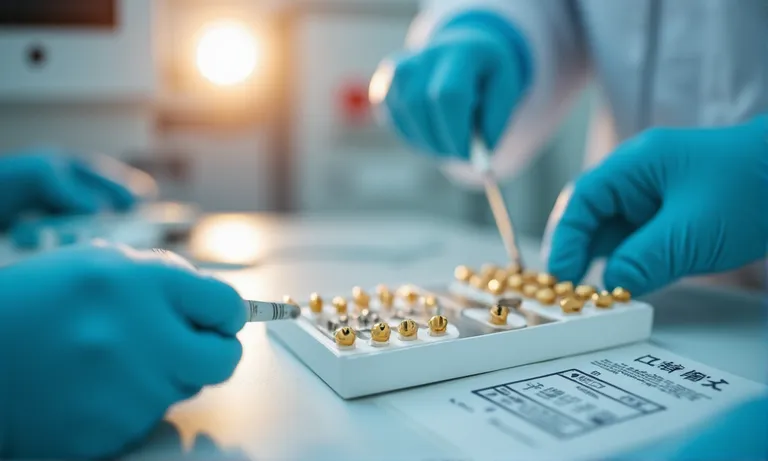
PFM-Alloy-Composition-Dental-Lab-Testing
Not all non-precious alloys meet the same standards. Key risks of low-grade options include:
These issues often only surface post-placement, creating long-term clinical liability for practices or distributors.
| Property | Ni-Cr Alloy | Co-Cr Alloy |
|---|---|---|
| Biocompatibility | Lower (risk for Ni-sensitive patients) | Higher, more inert |
| Bonding performance | Acceptable | Excellent oxide layer stability |
| Cost | Lower | Moderate |
| Adjustability | Softer, easier to polish | Harder, more durable |
Nickel-based alloys are still widely used, but more buyers are shifting toward cobalt-based solutions for safety and global compliance reasons.
Alloy purity and stabilizer content influence how restorations behave over time:
Clear material reports and pre-shipment testing are crucial, especially for large or government-affiliated buyers.
To ensure exportability and patient safety, international orders should meet:
Labs should proactively provide these documents during onboarding and trial phases.
Alloy choice affects more than fit—it defines safety, performance, and your ability to meet regulatory audits. Ask for alloy compliance documentation early in your sourcing process to avoid downstream risks.
While the upfront unit price may look attractive, sourcing PFM crowns internationally often comes with hidden costs that can erode your expected margins. Understanding these indirect expenses helps you build a more realistic and sustainable procurement strategy.

Dental-Lab-PFM-Shipping-Cost-Issues
Unpredictable customs and transport issues can offset low product prices:
Proactive documentation and buffer times are key to avoiding urgent remakes or reschedules.
Remakes are not just about material—every case rework carries ripple costs:
Well-structured remake protocols and photographic records reduce disputes and friction.
Global warranty policies vary greatly. Watch for:
| Warranty Element | Common Pitfall |
|---|---|
| Return window | Too short to detect late clinical failures |
| Shipping terms | Return at buyer’s cost, including customs |
| Remake scope | Often limited to fabrication flaws only |
| Communication time zone | Delayed dispute resolution |
Buyers should clarify return conditions and escalation procedures during onboarding.
Time zone lag and communication friction create bottlenecks:
Set clear SOPs for case submission and escalation to minimize time loss.
✅ Not all cost comes from unit price – TRUE
International sourcing introduces non-obvious costs such as remake shipping, VAT, and time-zone delays that impact actual ROI.
❌ Most international labs offer the same warranty support as local labs – FALSE
Warranty coverage, return terms, and remake handling vary significantly between suppliers. Standardizing these early is essential.
With hundreds of dental labs offering non-precious PFM crowns, buyers need a structured framework to identify the right partners. Whether you’re a DSO, clinic chain, or distributor, effective lab evaluation minimizes risk and accelerates trust-building.
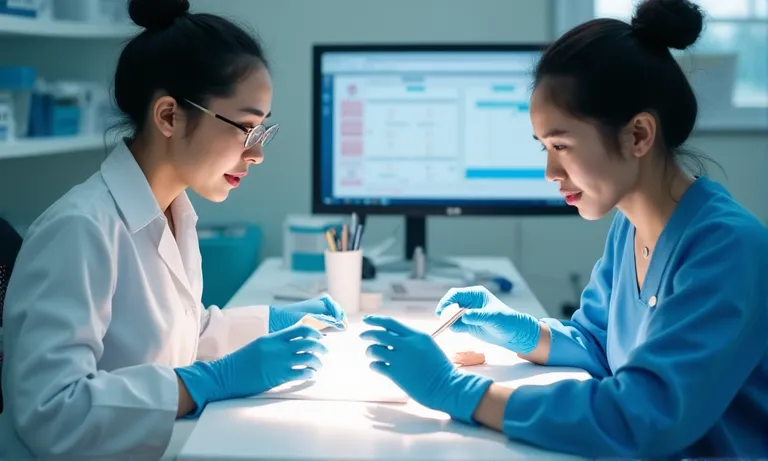
Dental-Lab-Audit-Evaluation-Documents
Before trialing a lab, request documentation that proves material safety and traceability:
These are foundational to ensuring biocompatibility, customs clearance, and post-sale assurance.
Standard operating procedures (SOPs) are signals of operational maturity:
Labs that share their SOPs up front show transparency and readiness for long-term partnership.
Trial phases reduce blind risks and allow hands-on evaluation:
This structured approach turns subjective impressions into data-backed selection.
Customer service isn’t a “soft factor”—it’s a performance multiplier:
Labs that invest in support structure become extensions of your workflow.
Choosing a global lab isn’t just about product quality—it’s about operational reliability, compliance readiness, and communication structure. Request a performance-based trial before scaling to full-volume orders.
Sourcing PFM crowns globally goes beyond unit pricing—it encompasses material integrity, regulatory alignment, and operational reliability. Dental buyers who implement structured sourcing protocols can protect both patient outcomes and financial margins through informed decision-making.
Want to trial a CE/FDA-compliant lab that delivers cost-efficient, well-documented non-precious PFMs? Contact Raytops Dental Lab for a sample evaluation and onboarding support.