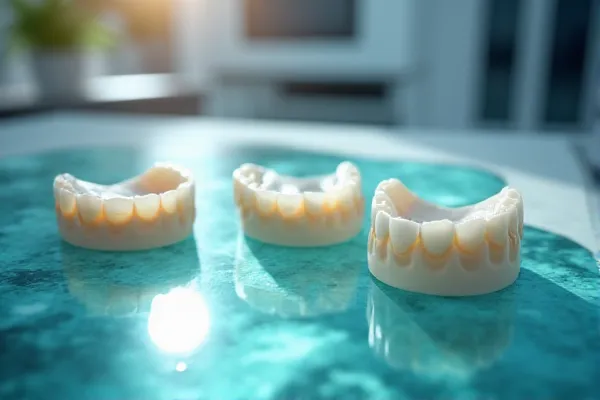
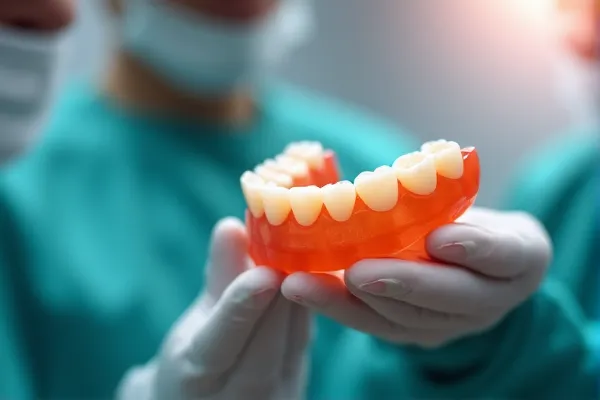
Standard dental bridge designs may not address the diverse clinical and esthetic needs of patients. Poor fit, shade mismatch, or discomfort from generic designs can lead to remakes and lower patient satisfaction. By leveraging advanced customization options—from alloy selection to digital contouring—dental labs and clinics can ensure each semi-precious bridge is tailored to achieve optimal fit, longevity, and visual harmony.
Customization options for semi-precious dental bridges include alloy selection, connector design, pontic shaping, margin placement, shade mapping, and CAD-based contouring. These adjustments enhance esthetics, fit, and functionality, allowing clinics to match patient-specific needs and improve long-term clinical outcomes.
What Are the Best Ways to Customize Semi-Precious Dental Bridges for Fit and Aesthetics?
Customizing semi-precious dental bridges requires balancing strength, patient comfort, and visual harmony. By selecting the right alloy, refining design parameters, and paying attention to shade integration, dental teams can ensure each bridge meets both clinical standards and patient expectations.
Custom-semi-precious-dental-bridge-design
How Do You Choose the Right Alloy for Strength and Aesthetic Results?
Composition balance: Alloys with higher palladium or platinum content offer brighter aesthetics but may affect workability.
Castability and bond strength: Alloys must support strong ceramic bonding and precise marginal adaptation.
Color tone: Select alloys that complement the veneering porcelain without casting a dark hue beneath.
Clinical location matters: Posterior bridges may favor higher strength alloys; anterior bridges may prioritize lighter-colored metals.
How Can You Customize Bridge Design for Fit and Comfort?
Connector dimensions: Adjust size based on span length, tooth position, and occlusal load distribution.
Pontic contouring: Choose ridge-lap, ovate, or hygienic shapes depending on soft tissue profile and hygiene access.
Emergence profile: Digital tools allow precise adjustment for better gingival transition and patient comfort.
Occlusal contact planning: CAD/CAM simulation helps ensure the bridge does not introduce new interference or TMJ strain.
Why Is Shade Matching Important for Aesthetic Outcomes in Bridges?
Consistent layering: Semi-precious frameworks must support even porcelain application to avoid shade variation.
Substructure reflection: Metal tone can influence final appearance—especially in thin ceramic zones.
Adjacent tooth harmony: Bridges typically span multiple units, so harmony with natural teeth on both sides is critical.
Lighting and translucency: Patient photos under natural light help labs match value, chroma, and hue more accurately.
✅ Customizing alloys, design contours, and shade matching significantly improves bridge performance – TRUE Each factor affects how the bridge looks, feels, and functions, and should be adapted to the patient’s anatomy and case needs.
❌ All semi-precious bridges follow a standard design template—customization isn’t necessary – FALSE Ignoring customization often leads to esthetic mismatch, patient discomfort, and early failure—especially in longer-span bridges.
How Can You Customize Semi-Precious Bridges for Different Clinical Cases?
Every clinical scenario presents unique functional and anatomical challenges. Whether you’re restoring a visible anterior gap or replacing multiple posterior units under heavy load, customizing semi-precious bridges ensures durability, esthetics, and patient satisfaction across a wide range of indications.
How Should You Customize Bridges for Anterior vs Posterior Teeth?
Anterior bridges:
Prioritize esthetics—lighter alloys and thinner frameworks to reduce substructure visibility
Use ovate pontics for emergence profile and soft tissue sculpting
Margin placement is often subgingival to mask transitions
Posterior bridges:
Focus on strength—bulkier connectors and occlusal design to handle mastication
Hygienic pontics or modified ridge-lap shapes improve cleaning access
Metal-ceramic bond strength is critical for functional longevity
How Can Bridge Designs Be Adapted for Bruxism or High Occlusal Stress?
Reinforced connectors: Thicker and wider designs reduce flex under load
Minimal layering: Avoid bulky porcelain layering on functional cusps to minimize chipping risk
Metal occlusal surfaces: Expose metal on second molars or heavy-function zones to improve wear resistance
Flattened occlusal anatomy: Simplified designs reduce lateral forces and help preserve longevity
How Should Bridge Designs Be Adjusted for Full-Mouth Rehabilitation?
Occlusal plane harmonization: CAD tools help realign worn or collapsed arches
Segmented span planning: Divide longer spans into smaller, more manageable units to reduce distortion
Multiple pontic types: Combine ridge-lap, ovate, and hygienic pontics depending on tissue conditions per region
Digital articulation: Simulate the bite across the arch to avoid interference and ensure balanced load
Custom bridge design adapts material strength to real-world function. For help tailoring semi-precious restorations to your clinical cases, request a custom bridge design consultation with our technical team.
What Aesthetic Factors Should Be Considered When Customizing Dental Bridges?
Aesthetic performance in semi-precious bridges depends on more than ceramic shade—it’s the result of metal selection, design strategy, and how well all elements blend with the patient’s natural dentition. Proper customization ensures restorations look lifelike, not lab-made.
Aesthetic-customization-semi-precious-bridge
How Can You Achieve a Natural Look with Semi-Precious Bridge Materials?
Use high-brightness alloys: Alloys with higher palladium content reflect less grey through porcelain.
Control coping thickness: Thinner metal in esthetic zones prevents shadowing beneath ceramic.
Apply cutback design: Allow sufficient space for layered porcelain in labial or incisal areas.
Simulate anatomical contours: Match mamelons, line angles, and incisal translucency of adjacent teeth.
How Do Translucency and Shade Matching Affect Aesthetics in Visible Areas?
Translucency control: Use more opaque layering in metal-heavy areas and translucent ceramics in incisal zones.
Photo-based shade selection: Reference patient images in natural and dental lighting for accurate mapping.
Try-in evaluation: Use bisque or trial restorations to fine-tune layering before final glazing.
Stump shade compensation: Adjust ceramic layering based on underlying tooth or abutment color to prevent mismatched value.
How Can You Balance Aesthetic Appeal and Durability in Custom Bridges?
Strategic layering: Concentrate ceramic in visual zones while reinforcing functional zones with metal.
Occlusal metal exposure: Accept exposed occlusal metal in posterior to protect ceramic from fracture.
Margin placement decisions: Subgingival in anterior, supragingival in posterior to balance esthetics with hygiene.
Gingival ceramic tinting: Slight staining around pontics can help bridge blend with natural tissue tone.
✅ Aesthetic outcomes in semi-precious bridges depend on smart design and ceramic handling – TRUE Proper case planning and lab execution make it possible to match natural teeth even in high-visibility areas.
❌ Metal-based bridges can’t be made to look natural—only full ceramics are aesthetic – FALSE Well-designed metal-ceramic bridges can achieve high esthetic performance when contour, shading, and translucency are correctly managed.
How Can You Choose Customization Options Based on Patient Needs?
Patient satisfaction depends on more than technical success—it’s shaped by how well the restoration reflects personal goals, comfort expectations, and lifestyle considerations. Customizing semi-precious bridges around these needs strengthens both clinical results and patient trust.
Patient-centric-customization-dental-bridge
What Patient Preferences and Treatment Goals Influence Bridge Customization?
Aesthetic priorities: Some patients prioritize a natural appearance; others are comfortable with minor visibility in posterior zones.
Functionality concerns: Patients with high bite force or history of failure may need metal-reinforced occlusal zones.
Maintenance preferences: Patients who value hygiene ease may prefer hygienic pontic designs and supragingival margins.
Longevity expectations: Older patients may prioritize stability and low-maintenance over perfect shade match.
How Does Material Selection Affect Bridge Durability and Aesthetic Results?
Alloy selection: High-palladium alloys offer brightness but can be more rigid; softer alloys allow better fit but may affect porcelain bond if not layered correctly.
Porcelain compatibility: Material must be compatible in coefficient of thermal expansion to prevent delamination.
Span length and support: Material choice directly impacts the bridge’s flexural resistance and load capacity over time.
Esthetic compromise points: Some patients may accept posterior metal exposure to gain longer-lasting results.
How Can You Explain Customization Benefits to Patients Clearly?
Use visual models: Side-by-side comparisons help patients understand the difference between standard and customized designs.
Frame options around goals: Instead of “technical specs,” talk about comfort, appearance, and long-term peace of mind.
Anticipate objections: Be ready to explain why a metal margin may still yield a natural look if done correctly.
Emphasize shared decision-making: Invite patient feedback and approval throughout the planning process.
Custom bridge design isn’t just about lab work—it’s about understanding who’s wearing the restoration. To support better patient communication, download our customization planning checklist and patient conversation guide.
How Can You Evaluate the Cost of Customizing Semi-Precious Dental Bridges?
Customizing a dental bridge doesn’t always mean driving up costs. With the right planning and patient alignment, customization often delivers better long-term value by reducing remakes, enhancing satisfaction, and improving clinical longevity.
Cost-analysis-custom-dental-bridge-options
What Cost Factors Are Involved in Bridge Material and Design Customization?
Alloy composition: Higher-palladium or platinum alloys cost more per gram but offer better brightness and workability.
Pontic and connector design: Complex anatomical shaping and larger connectors may require more material and labor.
Porcelain layering time: Cut-back and multi-layer techniques require skilled ceramists and additional bench time.
Digital planning: Design customization may involve advanced CAD time or external design fees if outsourced.
How Does Customization Influence the Total Cost of Treatment?
Upfront investment: Custom bridges may be 10–20% more expensive initially due to enhanced design and materials.
Fewer adjustments: Better initial fit and patient satisfaction reduce chair time and remake costs.
Higher patient value perception: Patients are more likely to accept cost when design is clearly aligned with their preferences.
Improved retention: A well-executed, comfortable, aesthetic bridge strengthens long-term trust in the clinic.
What Are the Cost-Benefit Differences Between Customized and Standard Bridges?
Customized bridges:
Higher design cost
Lower rate of returns/remakes
Greater patient satisfaction and long-term retention
Standard bridges:
Lower initial fee
Higher risk of shade mismatch or functional complaint
More likely to require unplanned adjustments or rework
✅ Customization can reduce long-term costs by minimizing adjustments and enhancing patient satisfaction – TRUE Upfront planning pays off through fewer clinical problems and stronger case acceptance.
❌ Customized bridges are always more expensive and rarely worth it – FALSE The total cost must be weighed against long-term clinical time, lab remakes, and patient trust—where customization often wins.
Conclusion
Customizing semi-precious dental bridges is not a luxury—it’s a strategic necessity for achieving stable, aesthetic, and patient-approved outcomes. From selecting the right metal base to fine-tuning margins and contours, every design decision contributes to how the bridge performs and how patients feel about their care.
Want to simplify the customization process? Download our bridge customization guide and access digital templates, shade maps, and patient communication tools to elevate your next case.