
Chinese dental implant labs receive mixed reviews from clinics and labs worldwide. Many highlight cost savings, diverse implant solutions, and access to advanced technologies as reasons for choosing Chinese partners. At the same time, others point to concerns about quality consistency, communication barriers, and regulatory compliance, showing why careful evaluation is essential before collaboration.
Procurement teams consistently focus on several key areas:
or buyers, reviews are most useful when treated as decision tools rather than standalone opinions. By combining structured feedback analysis with trial orders, certification checks, and transparent communication, clinics and labs can reduce uncertainty and achieve more reliable outcomes. This approach transforms reviews into a practical framework for building stronger, cross-border implant partnerships with overseas dental labs.
Many clinics and partner labs describe positive outcomes when working with Chinese implant factories, especially in areas of cost efficiency, product diversity, and global collaboration. These advantages are not only financial but also tied to the scale, technology, and adaptability that overseas dental labs can offer. For buyers evaluating outsourcing, these benefits explain why many peers have chosen China as a trusted partner.
dental-lab-positive-collaboration
Clinics consistently highlight the ability to reduce expenses without sacrificing clinical outcomes. For example, a medium-sized DSO in Australia reported that outsourcing posterior crowns to a Chinese lab cut restoration costs by nearly 40% compared to their local supplier. These savings provided budget space for new equipment investment and patient care upgrades. While low cost alone cannot justify a decision, combining price advantage with consistent delivery is a common reason clinics continue the relationship. Reference: Dental Economics on outsourcing cost benefits.
Chinese implant labs often offer a wider portfolio than many domestic labs, ranging from standard abutments to complex custom bars and hybrid dentures. A clinic in the UK working with an overseas partner found that rare cases—such as angled screw-retained designs—could be produced more reliably offshore. Having one vendor that can handle both simple and advanced restorations gives procurement teams fewer handoffs and more predictable workflows.
Positive reviews also point to strong digital adoption. Large-scale Chinese labs integrate CAD/CAM, 3D printing, and even laser-sintered frameworks at scale, enabling fast turnaround of complex cases. One case study described how a Canadian lab outsourcing zirconia frameworks saw a 25% reduction in remake rates once they switched to a Chinese partner using Exocad digital design protocols. The takeaway is that overseas labs can often invest in advanced machinery earlier due to larger production volumes.
Buyers in Europe and North America frequently mention the ability to coordinate cases across multiple branches. A DSO with clinics in both Germany and the US highlighted that their Chinese partner could deliver consistent quality to both locations, ensuring a unified patient experience. Labs like Sunflower Dental Lab have scaled service models that align with global shipping schedules and multilingual support, showing how Chinese partners can bridge international operations.
In summary, many clinics recognize outsourcing to Chinese dental labs as a way to balance cost efficiency, access to advanced technology, and global coverage. As an overseas dental lab, Raytops has also seen clients achieve sustainable collaboration when cost advantages are matched with reliable communication and predictable outcomes.
Clinics and partner labs often emphasize that outsourcing to Chinese implant labs delivers cost advantages, but it is not free of challenges. Reported risks typically involve quality variation, collaboration barriers, logistics delays, and compliance concerns. Understanding these issues upfront helps procurement teams plan safeguards instead of being surprised later.
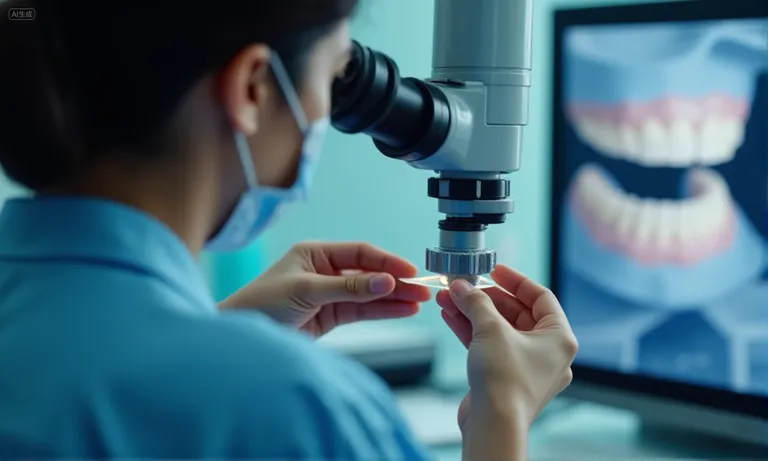
dental-lab-quality-control-issues
One of the most frequent complaints is that restoration fit can be inconsistent. Clinics in Germany and the US have reported margin discrepancies that required chairside adjustment or remakes. While this is not unique to China, scale and cross-border coordination can amplify the impact when remake cycles stretch to weeks. Buyers often highlight the need for clear remake policies and strict QC protocols before full-scale collaboration.
Collaboration can break down when communication is not clear. Reported barriers include:
Even when production is timely, cross-border shipping can create uncertainty. Delays usually come from three stages:
Material safety is another area of scrutiny. Some clinics voiced concerns over unknown alloy compositions or the presence of nickel, which can cause patient reactions.
| Material Risk | Common Concern | Clinic Response |
|---|---|---|
| Nickel alloys | Allergy potential | Request certificates of alloy composition |
| Lead traces | Regulatory red flag | Independent lab testing |
| Non-CE zirconia | Unknown biocompatibility | Insist on CE/FDA documentation |
Some clinics report frustration when documentation is incomplete or not aligned with their local regulatory framework. For instance, US buyers require FDA device listing, while European buyers focus on CE certificates. When these are missing, customs risks rise and patient trust may be affected. A UK distributor shared that a shipment was held for weeks because the lab failed to provide a translated conformity document. These gaps can often be avoided if compliance review is built into the sourcing process.
In short, while outsourcing to Chinese dental labs can unlock value, clinics repeatedly note that risks center on quality, communication, logistics, and compliance. As an overseas dental lab, Raytops works with clients to pre-define remake procedures, establish clear documentation standards, and set realistic logistics timelines—helping reduce the very pain points that peers frequently highlight.
Clinics often compare Chinese dental implant labs with US and European options by weighing cost, quality, innovation, and workflow integration. The differences are not absolute—each region has strengths and weaknesses—but recognizing these trade-offs helps procurement managers decide where China fits within their global sourcing strategy.
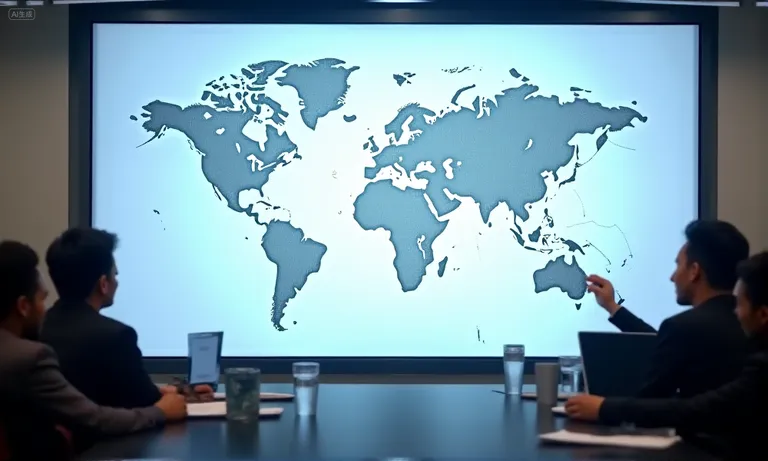
dental-lab-global-comparison
| Region | Cost Level | Quality Perception | Typical Feedback |
|---|---|---|---|
| China | Low to moderate | Variable; high in leading labs, inconsistent in smaller labs | Attractive pricing but requires careful lab selection |
| US | High | Strong emphasis on precision and regulation | Reliable but cost can be prohibitive for bulk outsourcing |
| Europe | High to very high | High regulatory alignment, innovation focus | Quality trusted, but turnaround slower and costliest |
Clinics often describe China as the most cost-effective, though quality depends heavily on vendor vetting. By contrast, US and European labs enjoy strong trust but at a premium price. Reference: ADA-supported lab registration recommendations.
Feedback suggests that large Chinese labs have closed the gap in reliability through ISO-aligned workflows and CAD/CAM adoption. However, US and European labs are seen as quicker to adopt cutting-edge innovations, such as AI-driven margin detection or novel ceramic composites. Clinics weighing options often note:
When clinics assess whether to outsource to China or stay local, three decision filters often shape the outcome:
Procurement teams often mix suppliers, using Chinese labs for volume cases and domestic labs for complex or urgent procedures.
Integration strength is increasingly a deciding factor. Clinics look for:
Chinese labs that demonstrate compatibility with Western digital systems are more likely to gain long‑term contracts, since technical misalignment can be more disruptive than cost differences. Reference: 3Shape Dental System
Overall, clinics find that Chinese labs excel in cost efficiency and scalability, while US and European labs dominate in innovation and regulatory leadership. Many procurement managers now adopt a hybrid sourcing strategy, using partners like Raytops Dental Lab for predictable digital workflows and volume cases, while keeping select cases in local labs for regulatory or innovation advantages.
One pattern in clinic feedback is how decision-makers interpret cost savings in relation to consistency. For example, a DSO in Canada noted that while they saved 30% on implant abutments with an overseas supplier, variability in margins sometimes offset the benefit due to chairside adjustments. This illustrates how reviews should be read with attention to both financial and clinical outcomes.
Many reviews include lessons from trial-and-error. One UK clinic reported that their first Chinese partner shipped crowns without CE documentation, which created delays. After switching to a lab that provided proactive compliance packets, the workflow stabilized. These stories show that reviews often reveal both pitfalls and solutions, making them a valuable guide for new buyers.
When read carefully, reviews help clinics see beyond marketing claims and focus on the practical realities of outsourcing. As an overseas dental lab, Raytops has observed that clients who actively cross-check feedback and run small pilots before scaling up achieve more predictable results and longer-term satisfaction.
Before committing to a long-term partnership, clinics emphasize the importance of verifying reviews and validating lab credentials. The most reliable strategies include checking compliance documents, running trial cases, and establishing strong communication channels. These steps help buyers confirm that positive reviews reflect real capabilities rather than marketing promises.

dental-lab-verification-process
Clinics reduce risk by requesting official documents before collaboration. These often include:
Many clinics prefer to validate quality through practical trials before scaling. The process often involves:
Even with certifications and trial cases, communication is the glue that ensures reliability. Clinics that set up regular reporting, bilingual coordinators, and clear remake procedures often find outsourcing smoother. Conversely, when communication is reactive or vague, reviews that looked positive may not translate into sustainable results.
In practice, clinics that verify compliance, test quality through trial orders, and set clear communication protocols are less likely to face unpleasant surprises. As an overseas dental lab, Raytops has seen clients succeed when they treat review validation as a structured process rather than a one-time check, building a stronger foundation for long-term collaboration.
Reviews and feedback show that outsourcing to Chinese dental implant labs offers both opportunity and caution. Clinics value cost savings, diverse implant solutions, and digital scalability, yet they also highlight the importance of managing quality consistency, communication, and compliance. The most effective buyers interpret reviews critically, validate labs through certifications and trial cases, and maintain transparent collaboration structures. For many, the best results come from a balanced approach—leveraging China’s scale and technology while keeping safeguards in place. As an overseas dental lab, Raytops supports clients by combining cost efficiency with structured verification and digital workflow integration, giving clinics confidence that their outsourcing partnerships will be reliable, compliant, and sustainable.