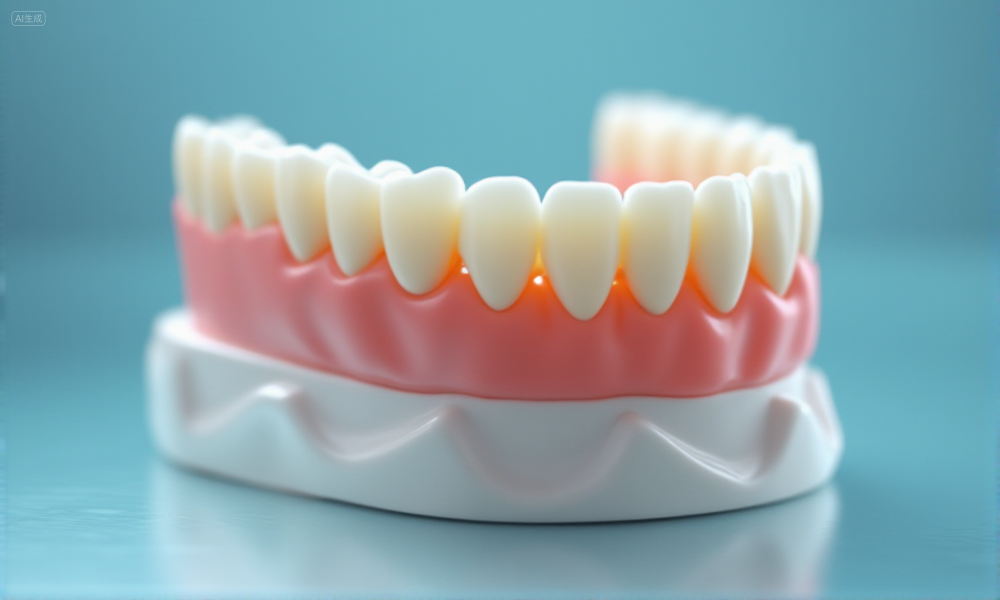
Before partnering with a dental implant lab, asking the right questions can reveal how well they meet your clinical standards, workflow requirements, and long-term business goals. Decisions should be based on measurable evidence, not assumptions, ensuring the lab’s capabilities, reliability, and integrity are clear from the outset.
Key factors to evaluate include:
By addressing these areas early, procurement teams can select a lab that enhances operational efficiency, safeguards quality, and integrates seamlessly into their workflow—supporting predictable outcomes for both practice and patient.
Before committing to a partnership, procurement teams should confirm that a dental implant lab has the experience, credentials, and client feedback to back up its promises. The most reliable partners have a documented history of quality work, formal certifications, and a proven approach to client support.
Dental-implant-lab-certifications
An Australian distributor told us they switched to our overseas dental lab after learning we had over 15 years of focused implant work, including complex angled screw-channel restorations.
One European DSO requested a mixed portfolio of anterior esthetic cases and posterior load-bearing cases before awarding a three-year supply contract.
A Middle Eastern partner fast-tracked vendor approval after verifying our ISO, CDT, and DAMAS credentials.
Beyond technical output, a lab’s responsiveness in resolving issues often defines its reputation. Look for dedicated account managers, escalation protocols, and documented case-resolution timelines. In our experience, having a 24-hour initial response commitment builds confidence and prevents delays in active cases.
By combining verification of history, case evidence, and formal credentials with an understanding of the lab’s support culture, procurement teams can confidently identify trustworthy partners.
An implant lab’s ability to maintain high quality, material authenticity, and regulatory compliance is essential for both clinical outcomes and procurement risk management. The most reliable labs combine rigorous quality control processes with certified materials and genuine components.

Dental-lab-quality-control-compliance
One UK-based client reduced remake rates by 25% after aligning with our staged QC workflow.
An Australian clinic passed a hospital procurement audit without delays after switching to FDA-registered zirconia from our overseas dental lab.
One Middle Eastern distributor avoided warranty disputes by requiring OEM part documentation for all custom abutments.
Effective labs have clear remake policies, prioritizing root cause analysis to prevent recurrence. Our standard protocol includes immediate client notification, technical review within 24 hours, and prioritized remake production to minimize clinical disruption.
By combining strict QC, certified materials, genuine parts, and a proactive remake policy, a lab demonstrates its commitment to consistent, compliant, and trustworthy implant restorations.
A lab’s ability to integrate digital workflows efficiently—and the skill level of its technicians—directly affects case accuracy, turnaround speed, and client satisfaction. A capable partner combines system compatibility, direct scanner integration, and advanced technical training.

Dental-lab-digital-workflow-capabilities
A UK-based practice cut data transfer time by 40% after switching to a lab with native iTero integration.
One Canadian clinic avoided multiple case delays after their lab adopted direct uploads from their scanner of choice.
Efficient labs link digital impressions directly to CAD/CAM production. Our process involves importing the scan, verifying margin accuracy, designing in 3D, and milling restorations in-house—minimizing data loss and reducing remake risk. This workflow ensures that every stage, from impression to delivery, remains connected and traceable.
A Middle Eastern distributor maintained consistent first-time fit rates above 98% after partnering with a lab whose CAD team had formal training on the latest 3D design tools.
Combining advanced digital workflow capabilities with skilled technicians allows a lab to deliver faster, more accurate results—strengthening collaboration and clinical outcomes.
Turnaround time and delivery reliability directly impact treatment schedules and patient satisfaction. A dependable lab not only meets agreed deadlines but also adapts to urgent needs while ensuring smooth global delivery.
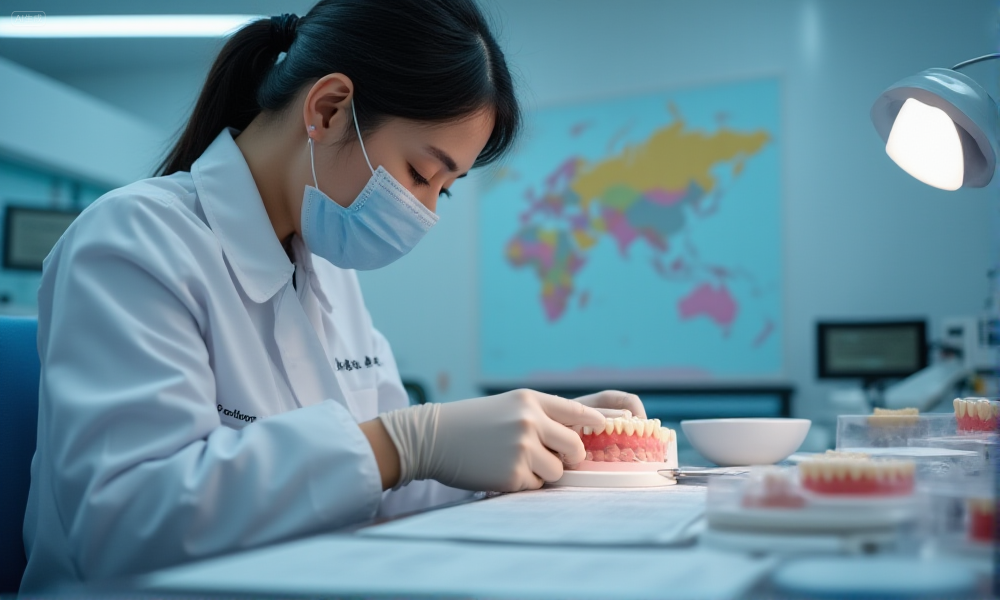
Dental-implant-lab-turnaround-delivery
A Scandinavian clinic improved case scheduling accuracy after aligning with our overseas dental lab’s production timelines.
One Middle Eastern distributor reduced patient waiting time by four days through our expedited production protocol.
An Australian dental group avoided a two-week holiday delay because our logistics team pre-cleared all customs paperwork in advance.
Labs that combine accurate production scheduling with responsive expedited options and efficient logistics create a reliable supply chain that clients can trust.
Pricing transparency and sustainability are essential for building long-term, trust-based partnerships. A clear structure ensures both parties understand costs, while sustainable models align incentives for consistent quality and service.
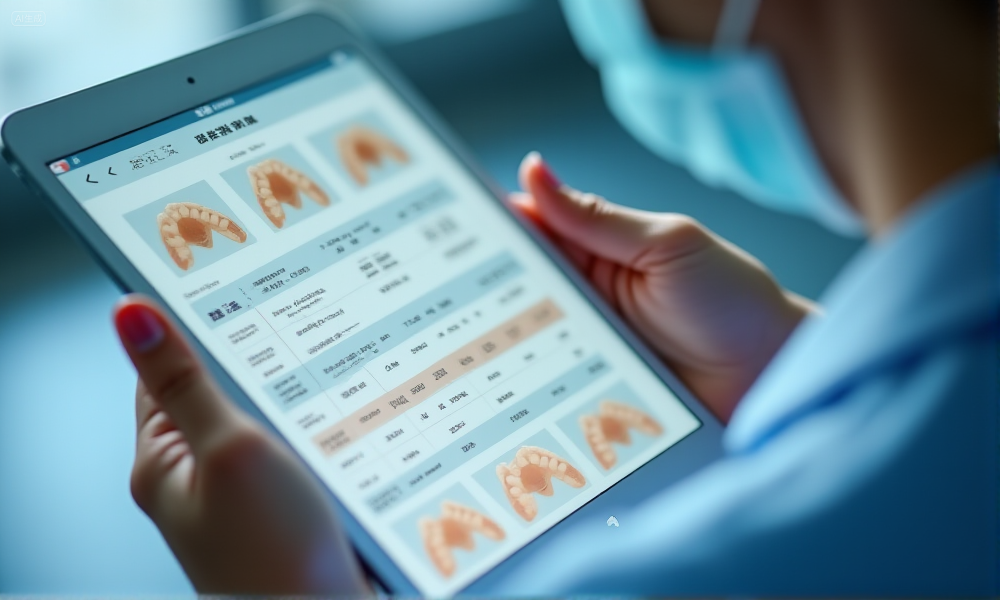
Dental-implant-lab-pricing-transparency
One European distributor reduced procurement disputes by adopting a standardized, itemized price list from our overseas dental lab.
A North American DSO locked in cost savings for three years by committing to a partnership pricing model tied to quarterly order volumes.
An Australian clinic avoided unexpected costs during peak season because all rush and shipping fees were disclosed upfront.
Labs that provide transparent, sustainable pricing structures make it easier for clients to forecast costs, allocate budgets, and invest in long-term collaboration with confidence.
A lab’s communication structure and coordination processes directly influence workflow efficiency, case accuracy, and client satisfaction. The most reliable partners have clear points of contact, predictable response times, and structured planning protocols.

Dental-implant-lab-communication-coordination
A US-based clinic improved case turnaround by 15% after being assigned a dedicated lab coordinator for all communications.
One European DSO reduced project delays by implementing a 12-hour maximum response policy with their implant lab partner.
Strong labs coordinate case planning through shared schedules, treatment planning sessions, and regular status reviews. Our overseas dental lab typically aligns milestones with the clinic’s patient booking system, ensuring design, fabrication, and delivery are synchronized. This proactive alignment reduces last-minute changes and minimizes chairside adjustments.
Labs that combine clear points of contact, prompt responses, and integrated planning processes build trust and keep projects on track—no matter the distance or time difference.
These questions help screen for a reliable partner, but they’re only part of the picture. For a complete guide on how to evaluate outsourcing options for dental implant production, see the full framework.
Partnering with the right dental implant lab is a strategic decision that shapes clinical outcomes, operational efficiency, and long-term cost control. A well-chosen partner acts as an extension of your team—delivering consistent quality, integrating seamlessly into your digital workflow, and maintaining open communication that keeps cases on schedule.
As an overseas dental lab experienced in global collaboration, we understand the value of predictable turnaround times, precise restorations, and proactive problem-solving. By prioritizing measurable standards—experience, compliance, digital readiness, service responsiveness, and transparent pricing—procurement teams can build partnerships that reduce risk and drive sustainable growth. The result is not just successful individual cases, but a reliable supply chain foundation that supports your practice for years to come.