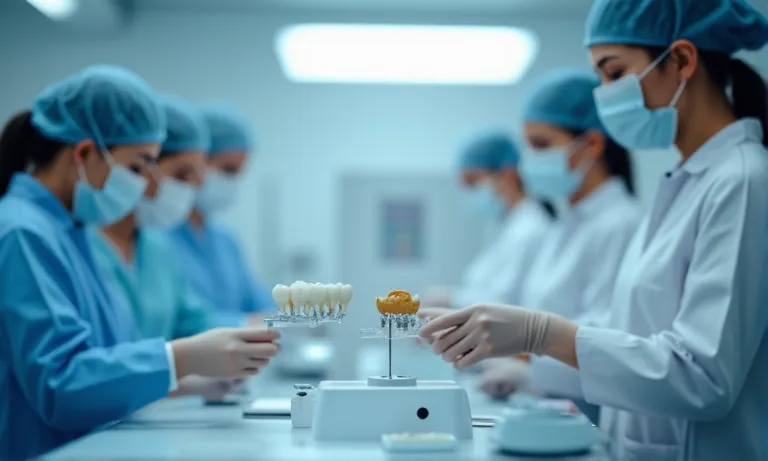
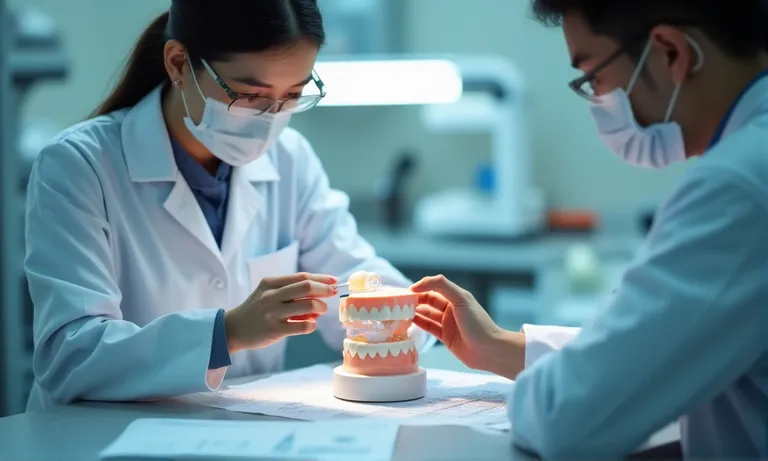
Regulatory uncertainty around non-precious PFM crowns can create hesitation among dental clinics and procurement leaders. Without clear certification, patient safety and legal exposure become real concerns, particularly in large-scale operations. By understanding how FDA and ISO standards apply to these restorations, decision-makers can identify compliant suppliers, ensure traceable materials, and maintain clinical confidence across every delivered crown.
Non-precious PFM crowns are safe and regulatory-compliant when produced under FDA Class II and ISO 13485/22674 frameworks, using biocompatible, traceable alloys with validated quality control protocols. These certifications ensure material safety, manufacturing consistency, and clinical performance required for dental use.
What Are the Key Regulatory Standards for Non-Precious PFM Crowns?
Understanding regulatory standards is critical when selecting non-precious PFM crowns, especially for clinics, DSOs, and dental procurement teams focused on safety, compliance, and risk control. Regulatory compliance ensures the crown materials used in patient treatments meet both international safety and clinical performance benchmarks.
dental-lab-pfm-certification-inspection
How Do FDA and ISO Certifications Ensure Safety for PFM Crowns?
Certifications from agencies like the FDA and ISO help ensure that materials used in non-precious PFM crowns are safe, tested, and fit for clinical use. These certifications create the regulatory backbone of trust for clinics and procurement teams sourcing from global labs.
FDA (U.S. Food and Drug Administration): Classifies dental crowns as Class II medical devices. Manufacturers must submit 510(k) documentation demonstrating substantial equivalence to legally marketed devices. Material composition and biocompatibility data are mandatory.
ISO 13485: Sets out quality management system requirements specific to medical devices. It mandates documentation, traceability, and controlled processes—crucial for large-scale dental labs.
ISO 22674: Defines mechanical properties and safety classifications of dental alloys, including those used in non-precious PFMs. Alloys must pass corrosion resistance and biocompatibility tests.
How Do Non-Precious PFM Crowns Meet Regulatory Safety Standards?
Below is how non-precious PFM crowns typically align with core safety criteria:
Regulatory Focus
Non-Precious PFM Compliance Notes
Material Traceability
Batch-numbered alloy with supplier certification
Biocompatibility
Nickel/chromium alloys tested under ISO 10993 series
Mechanical Strength
Verified per ISO 22674 Type 4 or Type 5 classifications
Surface Quality & Fit
Internal QC validated by digital scans and master models
Manufacturing Process
ISO 13485-compliant procedures with retained documentation
What Role Does Compliance Play in Ensuring Patient Safety?
For dental buyers and clinical teams, understanding a supplier’s regulatory adherence is more than a checklist—it’s about preventing real-world complications. Compliance plays a key role in:
Minimizing adverse reactions by ensuring only certified, non-toxic materials are used
Maintaining long-term performance through predictable fit, durability, and stability
Reducing rework and chair time by setting tighter standards for lab processing and documentation
Strengthening legal and insurance positioning in case of patient complaints
By sourcing from labs that demonstrate clear FDA and ISO documentation, clinics can better protect both patient outcomes and business risk.
Requesting full documentation sets or scheduling a supplier compliance audit are practical steps dental buyers can take to assess safety upfront. Contact us to request sample compliance records or book a remote quality consultation.
How Do Non-Precious PFM Crowns Compare to Other Materials in Terms of Safety and Compliance?
When choosing materials for fixed prosthetics, dental buyers must weigh not only performance and aesthetics, but also safety and compliance. Non-precious PFM crowns offer an affordable, widely-used option—but how do they truly compare to precious metal and full ceramic alternatives when it comes to meeting regulatory standards and protecting patient health?
pfm-vs-metal-vs-ceramic-dental-crowns-comparison
How Do Non-Precious PFM Crowns Compare to Precious Metal Crowns in Terms of Safety and Compliance?
This comparison is common in cost-sensitive practices or high-volume DSOs seeking to balance patient care with operational budgets. While both materials can meet ISO and FDA requirements, they differ in user experience and biocompatibility:
Biocompatibility: Precious alloys (e.g., gold) are inert and rarely cause allergic reactions. Non-precious alloys, often containing nickel, may trigger allergies in sensitive individuals.
Cost & Accessibility: Non-precious PFM crowns are more cost-efficient and widely available, making them a practical choice in many clinical situations.
Regulatory Fit: Both options can be FDA-cleared and ISO-tested, but precious metals typically require less rigorous biocompatibility data.
Durability: While precious metal crowns have proven longevity, well-processed non-precious PFMs can meet comparable strength standards under ISO 22674.
How Does Material Selection Impact Patient Health and Safety?
Every material used in a restoration carries potential clinical implications. The crown’s impact depends on patient sensitivity, restoration location, and long-term behavior.
Allergy Risk: Non-precious alloys must be disclosed to patients with known metal sensitivities, especially regarding nickel content.
Tissue Response: Improperly processed metal frameworks may corrode over time, affecting gum health—though this is largely preventable through ISO-compliant production.
Occlusal Forces: In patients with bruxism or heavy bite forces, high-strength PFM frameworks offer good resistance, provided materials and processing are controlled.
Visual Outcomes: Material choice also affects patient satisfaction; full ceramic may outperform PFM in anterior cases.
How Do Non-Precious PFM Crowns Compare to Full Ceramic Crowns in Terms of Regulatory Compliance?
Aspect
Non-Precious PFM Crowns
Full Ceramic Crowns
Biocompatibility
May contain nickel; ISO 10993 testing required
Generally hypoallergenic; zirconia and lithium-based
Fracture Resistance
High (metal core); suitable for posterior zones
High with zirconia, moderate with lithium disilicate
Aesthetics
Opaque core can limit translucency
Excellent translucency and color blending
Regulatory Clarity
Requires alloy traceability + ISO 22674/13485
Must meet material-specific ISO (6872, 13356)
Lab Processing Sensitivity
Moderate; requires metal-ceramic bond quality checks
✅ Material compliance always depends on correct processing – TRUE Even the safest material can pose risks if the lab fails to follow regulatory or technical protocols. Processing quality is a core part of safety and compliance.
❌ Full ceramic crowns are universally superior in all cases – FALSE While they offer excellent esthetics, full ceramics may not be ideal for posterior zones or bruxism cases where PFMs offer better mechanical strength.
How to Verify the Safety and Compliance of Non-Precious PFM Crowns?
Procurement teams, dental groups, and partner labs often rely on supplier claims—but without direct verification, they risk using products that may not meet required safety or compliance thresholds. A structured approach to checking documentation, processes, and quality control safeguards both patient outcomes and your organization’s liability.
dental-lab-compliance-audit-checklist
What Steps Can You Take to Check Certifications and Regulatory Compliance?
Verifying certifications is a foundational step in evaluating supplier reliability. These steps help dental buyers gain clear visibility:
Request Full Documentation Ask for FDA 510(k), ISO 13485, and alloy test certificates (e.g., ISO 22674 or equivalent). Cross-verify expiration dates and scope.
Review Regulatory Traceability Ensure every batch of crowns has a traceable lot number linked to certified input materials.
Audit Manufacturing Process Records Request SOPs or validation reports for workflows such as casting, veneering, and polishing.
Match Claims with Third-Party Validations If the supplier mentions biocompatibility or strength testing, ask for third-party lab reports, not just internal declarations.
How Can You Confirm Supplier Adherence to Safety Standards?
Beyond paperwork, process alignment is key. Clinics and group procurement teams can assess safety commitment by checking:
Material Handling Discipline: Are incoming metals stored separately, clearly labeled, and batch-controlled?
Internal Quality Audits: Does the lab perform regular internal compliance audits and act on findings?
Staff Certification: Are technicians trained on medical-grade production protocols?
Corrective Action History: How are previous quality issues documented and prevented from recurring?
A supplier who can openly share these details likely has a mature, safety-oriented culture in place.
How to Verify Testing and Quality Control Procedures of Suppliers?
Material and crown-level testing protocols are non-negotiable for regulated markets. Focus on these points:
Biocompatibility Testing: Confirm whether alloy suppliers perform ISO 10993-based toxicity tests and share updated reports.
Dimensional Accuracy Reports: Check if random batches are measured digitally and documented for internal tolerances.
Fit Test Protocols: Ask whether the lab runs standardized try-in or die-fit tests before final delivery.
Surface Integrity Inspections: Verify if magnification and polishing checks are performed at multiple points.
Labs working with DSOs or exports often have dedicated QA teams and digital logs for every production cycle.
Evaluating supplier transparency and compliance habits helps reduce clinical risk and boosts buyer confidence. Request a compliance audit checklist or schedule a technical session with our QA lead to assess our workflow.
What Are the Common Concerns About the Safety of Non-Precious PFM Crowns?
Despite their clinical success and regulatory acceptance, non-precious PFM crowns still face skepticism from clinicians and patients alike. Concerns often center around allergic reactions, material longevity, and how to communicate technical risks clearly. Addressing these with lab-level insights can help buyers and partners build trust and make informed material choices.
dental-crown-allergy-discussion-lab-setting
How to Address Concerns About Biocompatibility and Allergic Reactions?
One of the most cited concerns about non-precious alloys is the presence of nickel, a known allergen. However, not all non-precious alloys pose the same risk, and regulatory compliance plays a critical role in mitigating it.
Nickel-free Alloys Available: Labs can offer cobalt-chromium alternatives, which are ISO-certified and have lower allergenic potential.
ISO 10993 Testing: Certified labs provide alloy-level biocompatibility data through cytotoxicity and sensitization testing.
Clear Labeling: Every case should include a material ID label to ensure transparency with patients, especially in DSO protocols.
Patient Disclosure Support: Labs can supply data sheets that help clinics document material use and potential risks.
How Can You Ensure the Long-Term Durability and Safety of Non-Precious Materials?
Longevity concerns are often tied to corrosion resistance, strength retention, and fracture risk under occlusal load. These concerns can be managed with rigorous lab practices:
ISO 22674 Type Matching: Selecting Type 4 or 5 alloys ensures they’re suitable for high-load posterior zones.
Surface Polishing & Finish Control: Proper finishing reduces plaque retention and metal ion release over time.
Veneering Bond Reliability: Adherence to metal-ceramic bonding specs minimizes chipping or delamination.
Controlled Thermal Processing: Overheating during porcelain firing can weaken alloys—labs must follow validated temperature curves.
How Can You Discuss Safety Concerns with Patients?
Clinics often look to their partner labs for clarity when patients ask, “Is this crown safe?” While labs do not interface with patients directly, they can equip clinicians to answer confidently.
Provide Clear Material Descriptions Include concise notes in delivery cases that specify alloy type and compliance standards.
Offer Backup Documentation Make patient-facing datasheets or certificates available on request.
Help Clinics Set Expectations Provide visual or verbal cues (e.g., opacity vs translucency) to help clinicians explain why certain materials are chosen.
Support Risk Disclosure Supply standard wording or summaries that clinics can incorporate into informed consent forms.
✅ Biocompatibility depends on alloy choice and processing – TRUE Nickel presence alone doesn’t define risk. Properly tested and processed cobalt-chromium alloys meet stringent safety criteria.
❌ All non-precious crowns are unsafe for metal-sensitive patients – FALSE Modern materials offer tested, nickel-free options. With documentation and communication, safety concerns can be proactively addressed.
How to Choose a Safe and Compliant Non-Precious PFM Crown Supplier for Your Practice?
For dental groups, procurement managers, and independent clinics alike, selecting a crown supplier is a strategic decision. The right partner should not only offer competitive pricing and delivery reliability but also provide strong proof of regulatory compliance, material safety, and long-term traceability. Here’s how to identify suppliers that meet those standards.
dental-lab-supplier-selection-discussion
How Can You Evaluate Supplier Reputation and Compliance Track Record?
Before signing a supply agreement, it’s essential to assess how well a lab aligns with safety and regulatory expectations. These are signs of a trustworthy partner:
Certification Transparency: Can provide FDA/ISO documentation without delay, including recent renewals
Client References: Has existing DSO or multi-site clinic clients with positive feedback on compliance and fit quality
Incident Reporting: Maintains a clear record of complaint handling, including documented root cause analysis and resolutions
Audit Willingness: Open to third-party or client-led audits, with structured documentation available for review
Material Disclosure Standards: Supplies full batch-specific datasheets with every case shipped
How Can You Negotiate Contracts with a Focus on Regulatory Compliance?
Regulatory terms should be embedded into your supply contracts—not just pricing and turnaround time. Here’s a recommended approach:
Define Documentation Requirements Include clauses that require suppliers to provide certifications, test results, and traceability logs upon request.
Include Non-Compliance Penalties Clearly state response timelines and consequences for missing documentation or verified safety issues.
Set Review Frequency Establish regular technical review cycles (e.g., quarterly) to assess case performance, rework data, and compliance trends.
Request Risk Mitigation Measures Ask the lab to outline preventive quality actions or workflow controls specific to metal-ceramic restorations.
How Can You Build Trust with Patients Using Certified and Compliant Products?
Your supply chain impacts patient experience more than most realize. Here’s how a certified lab helps enhance trust:
Traceable Materials: Provide printed material labels or QR codes linking to product specs and certifications
Standardized Informed Consent: Help clinics explain the nature and safety profile of the materials used
Consistent Quality: Reduce variation that leads to remakes, chair time, or patient frustration
Ethical Transparency: Demonstrating supplier compliance adds credibility to your treatment planning process
Partnering with the right lab helps protect your clinical standards and your reputation. Request a compliance sample set or schedule a supplier evaluation call with our team.
Conclusion
Choosing non-precious PFM crowns doesn’t mean compromising on safety or regulatory clarity—as long as labs follow proven certification, traceability, and process validation. From understanding global compliance frameworks to evaluating long-term biocompatibility, clinics and dental procurement teams can proactively mitigate risks by aligning with technically capable, transparent partners.
Non-precious PFM crowns can be safe and compliant when processed under verified regulatory standards with documentation support.
Key certifications like FDA 510(k) and ISO 13485/22674 establish trust through material traceability and quality systems.
Material comparisons highlight both the strengths and limitations of PFMs versus precious metals and full ceramics in regulated care settings.
Verification practices such as documentation review, batch tracking, and lab audits help procurement teams validate safety.
Common concerns around allergies or durability can be mitigated by nickel-free options and ISO-based process controls.
Supplier selection should prioritize transparency, documentation readiness, and quality system maturity to reduce liability and support patient confidence.