Many clinics struggle to control crown costs while maintaining functional reliability in posterior or multi-unit cases.
The high price of precious metals often restricts treatment flexibility and patient acceptance.
Non-precious PFM crowns, when fabricated with certified alloys and controlled protocols, offer durable performance in load-bearing zones.
Non-precious PFM crowns are cost-effective metal-ceramic restorations made with base metal alloys such as cobalt-chromium. They provide strong structural support and reliable porcelain bonding, making them ideal for posterior or multi-unit use. These crowns deliver dependable outcomes when produced using certified materials and proper lab protocols.
Non-precious PFM crowns offer a cost-effective solution without compromising on essential clinical outcomes. For dental labs working with diverse client types, understanding their proper use and value potential opens doors to scalable and dependable restorative solutions.
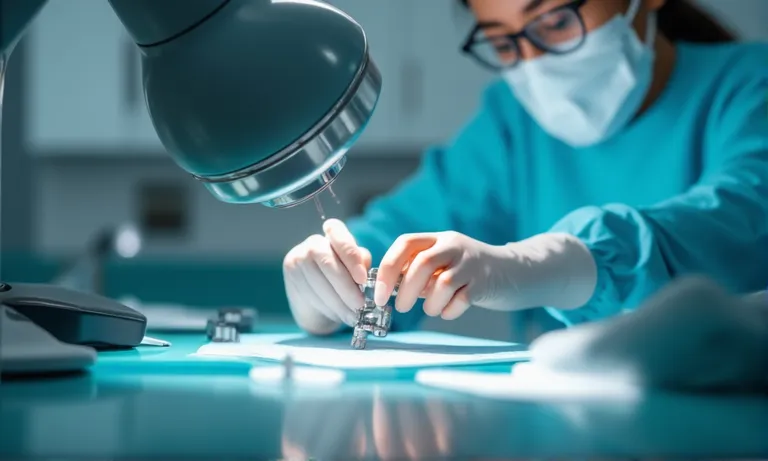
Dental-Lab-Non-Precious-PFM-Crown-Workflow
While both categories share a similar structural foundation, their cost, handling, and technical characteristics differ in ways that directly influence lab operations.
Not every case requires high-cost materials. Identifying the right patient profiles for non-precious PFM crowns helps clinics deliver value-based care without compromise.
In many markets, economic pressure shapes treatment plans. Labs can add strategic value by recommending these restorations when the clinical indication fits.
| Use Case | Cost-Sensitive Market Strategy | Lab Role |
|---|---|---|
| Public Clinics | Material choice aligned with public health budget | Provide consistent production and low unit cost |
| Insurance-Limited Patients | Maximize restorative coverage per policy limit | Help clinics select viable crown options |
| DSO Networks | Optimize margins across multisite operations | Offer volume-based pricing and streamlined QC |
| Regional Distributors | Serve mid-market clinics affordably | Deliver certified products at lower alloy cost |
✅ Non-precious PFM crowns provide lasting performance in posterior restorations – TRUE
Their high strength and proven bonding techniques ensure reliable outcomes under functional load without raising cost thresholds.
❌ Non-precious PFM crowns are only suitable for temporary use – FALSE
With proper case planning and lab control, they serve successfully as definitive restorations in permanent treatment plans.
Choosing non-precious PFM crowns requires alignment between clinical indication, budget, and long-term expectations. For labs, understanding when to recommend or support these crowns is key to optimizing both cost and functional outcomes across varied case types.
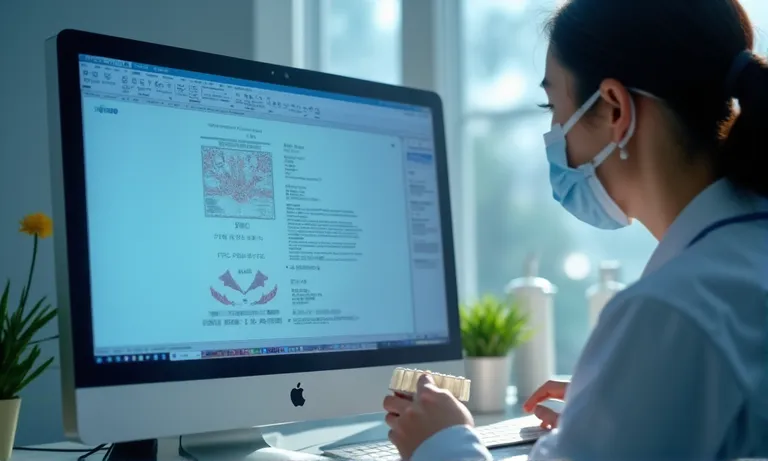
Dental-Lab-Case-Selection-Non-Precious-PFM
Labs often assist in material selection based on the case type and location. Non-precious PFM crowns are especially suitable in the following scenarios:
Understanding the patient’s priorities helps determine when cost-effective materials can meet needs without over-treatment.
| Patient Type | Why It’s a Fit for Non-Precious PFM |
|---|---|
| Cost-Conscious Individuals | Affordable without compromising durability |
| Public Healthcare Beneficiaries | Aligns with fixed-fee insurance coverage |
| Elderly Patients | Function-focused with predictable wear behavior |
| Patients With Full-Arch Needs | Reduces cost per unit for large-span restorations |
Labs can proactively support clinicians by flagging these patient profiles during Rx intake or communication on treatment planning calls.
The lab’s input often becomes pivotal when margins are tight or treatment expectations need aligning. Labs can add value by:
Many practices value this level of proactive engagement, especially when working across borders or in high-volume treatment settings.
When a patient’s case calls for function over form—or when budget, insurance, or timeline require compromise—non-precious PFM crowns become a logical, reliable option. Contact our lab to explore case-specific indications and get tailored material recommendations.
Material selection is not just about cost—it’s about understanding how alloy behavior affects clinical outcomes. Labs that master the material science behind non-precious PFM crowns are better positioned to prevent failure, reduce remakes, and support long-term function in real-world cases.
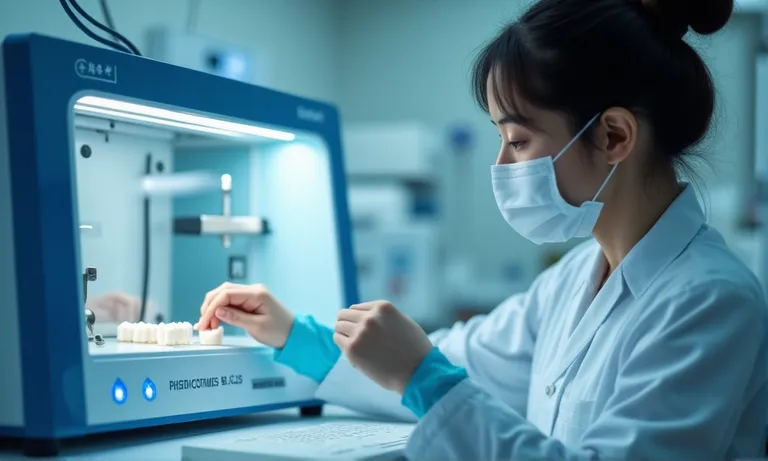
Dental-Lab-Alloy-Testing-Non-Precious-PFM
Not all non-precious alloys behave the same. Their mechanical and casting characteristics define the crown’s long-term reliability.
A key performance factor lies in the strength and reliability of the porcelain-metal bond—one of the main areas where lab control truly matters.
While non-precious PFM crowns have improved drastically in safety, understanding biocompatibility nuances helps labs provide better material guidance.
| Property | Clinical Impact | Lab Consideration |
|---|---|---|
| Corrosion Resistance | Prevents metal ion leaching and marginal staining | Avoid alloys with excess iron/nickel for long-term cases |
| Tissue Compatibility | Maintains gingival health and avoids inflammation | Recommend Co-Cr for high-sensitivity cases |
| Ion Stability in Moisture | Ensures base integrity in oral fluids | Use alloys tested in ISO/CE-certified environments |
✅ High-strength non-precious alloys provide reliable long-term performance – TRUE
Their rigidity and improved bonding behavior support durability in bridges and molar crowns, even under high-stress conditions.
❌ Non-precious alloys are too reactive or weak for clinical use – FALSE
Modern dental-grade alloys undergo corrosion resistance testing and achieve CE/ISO certification, ensuring stable intraoral performance when handled correctly.
For dental labs balancing quality and production efficiency, non-precious PFM crowns offer a practical route to cost savings. By rethinking alloy usage, minimizing waste, and optimizing workflows, labs can enhance profitability without undermining restorative reliability.
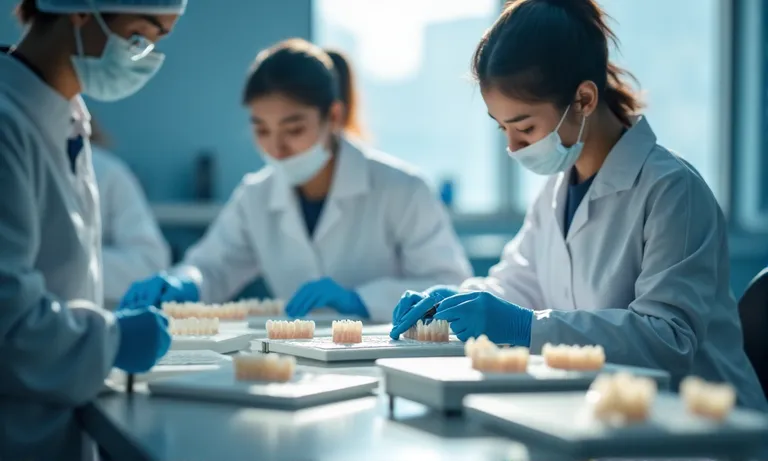
Dental-Lab-Production-Efficiency-PFM-Crowns
Material savings are the first and most direct cost advantage non-precious alloys offer—especially in high-volume or bulk-order lab environments.
Every gram of alloy lost in trimming or casting adds up over time. Non-precious systems allow for better material efficiency at multiple stages.
| Production Step | Efficiency Gain with Non-Precious Alloys |
|---|---|
| Wax-Up and Spruing | Less need for overcasting due to alloy affordability |
| Casting | Easier remelting cycles and alloy recycling |
| Finishing and Trimming | Faster adjustment without worrying about gold loss |
| Final QC | Standardized shrinkage reduces trial-and-error cycles |
Some labs report up to 20% reduction in average material waste when switching to non-precious alloys for posterior units.
While non-precious alloys require specific firing protocols, their consistency in casting and finish can actually improve turnaround time.
By refining material usage and production routines, labs not only lower direct costs but also create smoother, faster delivery systems. Request a lab cost comparison to see where non-precious PFM crowns fit into your current workflow strategy.
Cost efficiency doesn’t have to come at the expense of clinical reliability. When dental labs apply standardized protocols, use certified materials, and integrate digital precision, non-precious PFM crowns can consistently deliver high-quality outcomes that meet both patient and clinician expectations.
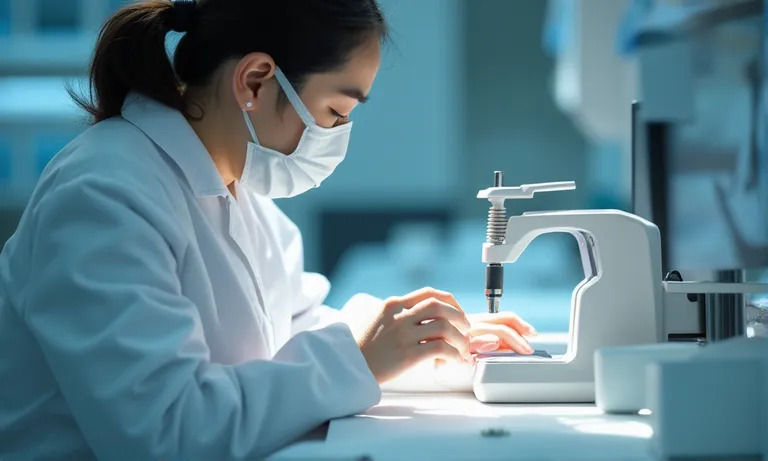
Dental-Lab-Quality-Control-Non-Precious-Crowns
Quality starts with validated materials. Reputable labs ensure every crown is fabricated using traceable and compliant inputs.
Digital workflows play a vital role in maintaining fit, occlusion, and anatomical integrity—even with non-precious materials.
Non-precious PFM crowns have seen renewed trust among clinics—particularly when delivered by labs that emphasize predictable execution.
| Feedback Source | Common Insight |
|---|---|
| Clinics in Insurance-Limited Markets | “Reliable function at 60% cost of gold-based crowns” |
| Implant-Support Practices | “Preferred for long-term provisionals on multi-unit cases” |
| DSO Procurement Leads | “Fewer remakes and better fit compared to monolithic units in posterior cases” |
| Partner Labs in Europe | “Metal strength makes adjustments easier without compromising esthetics” |
✅ Certified non-precious PFM crowns meet clinical quality expectations – TRUE
With CE/ISO-compliant alloys and digital fabrication, they perform reliably in both aesthetic and functional zones.
❌ Low-cost crowns are inherently lower in quality – FALSE
When material sourcing and lab processes are standardized, non-precious PFM crowns offer dependable quality despite their lower price point.
Non-precious PFM crowns empower dental labs and clinics to deliver functional, cost-conscious restorations without compromising quality. When properly selected and executed, they create efficiency across production, patient communication, and long-term restorative outcomes.
Ready to integrate cost-effective solutions without compromising reliability? Get in touch with Raytops Dental Lab for tailored case planning and non-precious crown strategies.