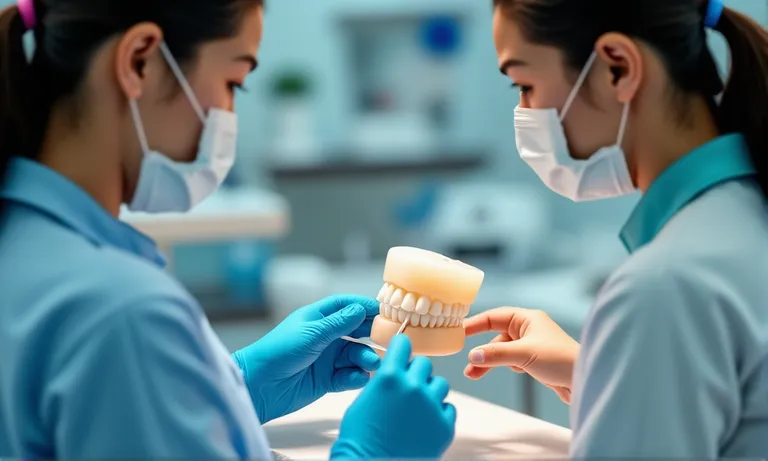
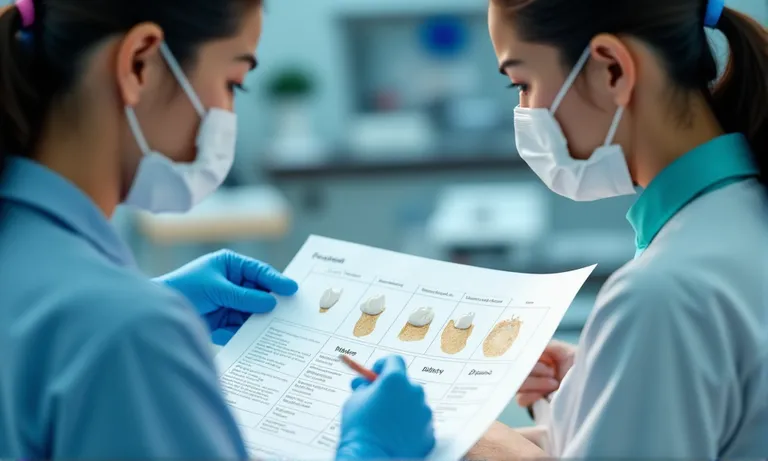
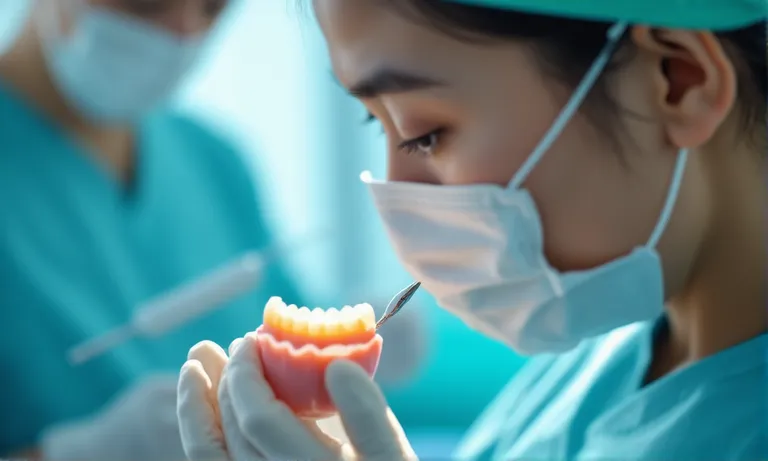
Restorative choices in cost-sensitive dental cases often lead to doubts about balancing affordability and longevity. This uncertainty can erode clinic trust and lab-clinic alignment, especially when patients expect results that outlast cheap options. Non-precious PFM crowns fill this gap with durable performance, reasonable esthetics, and optimized lab protocols that support dependable, budget-conscious care.
Non-precious PFM crowns are metal-ceramic restorations made from cost-efficient base alloys like cobalt-chromium, designed to deliver functional strength and acceptable esthetics in budget-sensitive dental treatments. They are ideal for posterior applications, offering clinical stability, reduced remakes, and predictable outcomes when aesthetics are not the primary concern.
What Benefits Do Non-Precious PFM Crowns Offer for Budget-Conscious Patients?
Non-precious PFM crowns are often underestimated, yet they deliver consistent value in cost-driven cases. For dental clinics, group practices, and labs serving insurance-sensitive markets, these restorations balance affordability, strength, and long-term performance—making them a reliable choice when budgets are tight.
Non-Precious-PFM-Crown-Benefits-Dental-Lab
Why Are Non-Precious PFM Crowns Considered Durable and Cost-Effective?
These crowns are structurally engineered to handle functional zones while controlling lab and patient costs.
Alloy Strength: Made from non-precious metals like cobalt-chromium, they provide high resistance to occlusal stress—especially in molar zones.
Affordable Fabrication: Non-precious alloys are lower in cost than noble metals, allowing labs to offer reduced rates without compromising base strength.
Low Fracture Risk: With proper metal support under porcelain layering, these crowns show low incidence of bulk failure or deformation under load.
How Do Non-Precious PFM Crowns Balance Aesthetics and Affordability?
Though not as lifelike as ceramics, these crowns are surprisingly adaptable in visual zones that don’t demand perfection.
Porcelain Layering: A well-controlled layering process still allows shade matching and basic translucency.
Strategic Placement: When used in second premolars or posterior areas, they offer a visually acceptable compromise at a fraction of the cost.
Opaque Base: Modern opaque systems help mask the metal substructure more effectively than in earlier-generation PFM designs.
What Long-Term Value Do Non-Precious PFM Crowns Provide in Budget Cases?
Over time, their stability and predictability make them a dependable solution in many treatment plans.
Consistent Fit: Labs experienced in PFM workflow maintain reliable marginal fit and occlusal contour.
Fewer Replacements: Compared to resin-based alternatives, PFMs last longer and are less prone to discoloration or collapse.
Reduced Maintenance: When used properly, these crowns require less follow-up adjustment or polishing, keeping overall cost of care lower.
Their strength, cost-effectiveness, and long-term clinical track record make them a practical option for molar restorations and general coverage cases.
❌ Non-precious PFM crowns always compromise aesthetics and function – FALSE
When crafted and placed correctly, they meet functional demands and provide acceptable esthetics—especially in non-anterior zones.
How Do Non-Precious PFM Crowns Compare to Other Restorations in Cost and Performance?
Choosing the right crown material often comes down to balancing budget, strength, and esthetic demand. In cost-conscious cases, non-precious PFM crowns offer a middle ground that outperforms cheaper materials in durability and competes favorably with more expensive options in posterior zones. This section offers a side-by-side breakdown with common alternatives.
Dental-Crown-Cost-Durability-Comparison
How Do Non-Precious PFM Crowns Compare with Full-Ceramic Options on Cost and Durability?
While full-ceramic crowns are known for their beauty, they may not always be the right choice for every patient—especially when budget is a concern.
Criteria
Non-Precious PFM Crowns
Full-Ceramic Crowns
Material Cost
Low to moderate
High
Durability (Posterior)
High—strong under chewing force
Moderate—risk of chipping in molars
Esthetics
Moderate—opaque base
High—natural translucency
Biocompatibility
Good for most; not for metal allergies
Excellent
Recommended Zones
Posterior molars, second premolars
Anterior teeth, visible smile zones
Non-precious PFMs provide higher durability at a lower cost—especially in functional areas not visible in the esthetic zone.
What Are the Trade-Offs Between Non-Precious PFM and Resin-Based Crowns?
Resin-based crowns are the most affordable option upfront, but they carry compromises that clinics and labs must weigh carefully.
Price Advantage: Resin crowns are cheaper initially, making them suitable for temporary or provisional use.
Durability Limitations: Resin wears faster, discolors over time, and may crack under occlusal pressure.
Replacement Frequency: Long-term maintenance costs can exceed those of PFMs due to more frequent repairs or remakes.
Indications: Best used for short-term solutions—not ideal for final restorations under full-load zones.
How Do Non-Precious PFM Crowns Compare with Gold Crowns in Terms of Cost and Strength?
Gold remains a benchmark for strength and biocompatibility—but its price point makes it inaccessible for many.
Material Cost: Gold is significantly more expensive and subject to market fluctuations; PFMs offer pricing stability.
Occlusal Performance: Both handle occlusal load well, but gold is gentler on opposing dentition.
Patient Perception: Some patients prefer metal-free options or reject visible gold restorations, especially in mixed dentition.
Practical Application: For those prioritizing strength and budget, PFMs provide similar performance in less visible zones.
When discussing restorative choices, it’s helpful to use visuals and cost-performance charts to guide patients through realistic options. If your clinic or lab is reviewing crown material protocols for budget-sensitive cases, we invite you to evaluate sample designs or request a comparison matrix to support informed selection.
When Might Non-Precious PFM Crowns Be the Right Choice for Patients?
Not every patient needs the highest-end restoration. In many cases, a well-made non-precious PFM crown offers the best balance of durability and affordability. Knowing when to recommend them can help clinics align treatment outcomes with real-world constraints—without sacrificing quality or trust.
Dentist-Reviewing-Crown-Options-With-Patient
Which Patients Might Prioritize Cost Over Aesthetic Perfection?
Understanding patient expectations is essential. Non-precious PFMs are a strong fit for:
Posterior-Only Visibility Patients: For patients whose restorations won’t be visible in their smile line, function outweighs esthetics.
Budget-Conscious Self-Pay Patients: Individuals paying out-of-pocket or with limited insurance coverage often prioritize long-term value over premium visuals.
DSO or Medicaid-Covered Plans: Clinics operating under cost-restricted fee schedules frequently adopt PFMs to meet functional benchmarks within budget.
How Can You Weigh the Pros and Cons of Non-Precious PFM Crowns?
Every material has trade-offs. Understanding both sides helps ensure appropriate case selection.
Pros:
Lower cost without major compromise in function
Lab familiarity = reliable outcomes
Effective in molar and non-visible zones
Cons:
Less esthetically ideal in anterior cases
Potential metal sensitivity in rare cases
May show gray margin if gingival recession occurs
Why Is Communication Important When Discussing Crown Options with Patients?
Transparent communication builds trust and reduces remakes. A simple, structured approach:
Frame the Choice by Need: Clarify if strength or appearance matters more for the patient.
Use Visuals: Show examples of PFM crowns versus alternatives in posterior and anterior placements.
Set Realistic Expectations: Explain possible limitations of PFM in terms of esthetics—especially if used near visible zones.
Confirm Alignment: Ensure the patient agrees on function, look, and cost before proceeding.
✅ Non-precious PFM crowns are suitable for patients prioritizing function over esthetics – TRUE
These crowns perform reliably in molars and premolars where visibility is low and durability matters most.
❌ Non-precious PFM crowns are appropriate for all cosmetic zones – FALSE
Due to opacity and possible metal margins, they are not recommended for highly visible anterior restorations.
What Are the Limitations of Non-Precious PFM Crowns in Budget-Conscious Cases?
While non-precious PFM crowns are practical and cost-effective, their limitations must be understood to avoid mismatched expectations. For labs and clinics, identifying these constraints helps optimize case selection and reduce patient dissatisfaction or rework.
Dental-Crown-Esthetic-Limitations-Explained
How Can You Address Aesthetic Limitations of Non-Precious PFM Crowns?
Esthetics are often where non-precious PFMs fall short—especially in visible zones.
Metal Shadowing: The gray hue from the underlying metal can show through, particularly near gingival margins.
Lower Translucency: Unlike full ceramics, PFM crowns can appear dull or flat under light.
Visible Margin Risk: Over time, soft tissue recession may reveal the metal base, reducing natural appearance.
These concerns are minimized when PFMs are reserved for posterior use or paired with masking techniques in borderline esthetic cases.
How Does Wear and Tear Impact the Longevity of Non-Precious PFM Crowns?
While PFMs are generally durable, specific wear risks should be considered.
Porcelain Fracture: Chipping can occur if there’s insufficient metal support or occlusal overload.
Rigidity of Alloy: Non-precious metals are stiffer than gold, transferring more stress to the veneering ceramic.
Opposing Wear: In some cases, the glazed porcelain surface can cause wear on natural enamel over time.
Clinical success depends on proper prep, occlusion, and lab technique to reduce long-term stress points.
How Can You Balance Strength and Aesthetics in Non-Precious PFM Cases?
Finding the right compromise between durability and visual outcome is key in budget-constrained treatment plans.
Zone-Specific Material Choice: Use PFMs in functional, non-visible areas; reserve ceramics for esthetic zones.
Design Adjustments: Cutback or layered designs can improve the visual outcome without switching materials.
Expectation Management: Proactively align patient understanding about what PFMs can and cannot achieve esthetically.
Knowing these limitations isn’t about disqualifying PFMs—it’s about using them where they deliver the most value, without misapplying them in situations that demand more visual refinement.
How Can Labs and Clinics Optimize the Use of Non-Precious PFM Crowns in Budget Plans?
Maximizing the value of non-precious PFM crowns requires more than material selection—it depends on how clinics and labs work together. From supplier strategies to workflow integration, optimization ensures consistent quality at controlled costs, especially in high-volume or budget-sensitive care environments.
Dental-Lab-Clinic-Collaboration-Non-Precious-PFM
How Can Supplier Strategies Help Reduce Costs in Crown Production?
Strategic sourcing directly affects downstream pricing and production efficiency.
Bulk Material Agreements: Committing to monthly or quarterly material volumes helps lock in favorable pricing with alloy and porcelain vendors.
Multi-SKU Batching: Grouping PFMs with other fixed restorations in a single lab dispatch saves time and logistics cost.
Lab-Supplier Transparency: Sharing long-term demand forecasts with material suppliers improves availability and reduces emergency surcharges.
These strategies allow labs to offer clinics more competitive and consistent pricing.
How Can Labs Maintain Quality Control While Keeping Costs Low?
Low cost should not equal low quality. A streamlined, standardized QC process maintains reliability without increasing production overhead.
Unified Case Intake Protocols: Digital scan checks, impression quality screening, and photo intake ensure accurate design from the start.
Centralized QC Stations: Use dedicated checkpoints for margin finish, contour verification, and shade match before glazing.
Remake Data Tracking: Monitor and categorize remakes by failure type—adjust lab SOPs accordingly to reduce recurring issues.
Standardizing checkpoints reduces back-and-forth with clinics and builds trust in consistent delivery.
How Can Non-Precious PFM Crowns Be Integrated for Better Treatment Outcomes?
Material is just one piece—the bigger picture lies in integration across lab and chairside workflows.
Zone-Based Planning: Combine PFMs for posterior zones with full ceramics for the anterior, ensuring both cost-efficiency and esthetic balance.
Pre-Defined Prep Guidelines: Provide clinics with PFM-specific prep templates to reduce errors and improve lab fit.
Shared Case Reviews: Schedule monthly case retrospectives between clinic and lab leads to identify what’s working and where to adjust.
This structured feedback loop drives incremental improvement and ensures alignment on clinical expectations.
If you’re working to optimize non-precious PFM usage across your practice or partner network, we’re ready to support your planning with real-world templates, QC workflows, and case planning tools.
In dental workflows constrained by budget but driven by outcomes, non-precious PFM crowns remain a smart, serviceable solution. Their true value lies not only in material affordability, but also in how labs and clinics deploy them collaboratively to meet patient needs with reliability and precision.
Looking to streamline your lab-clinic workflow for budget-driven cases? Contact Raytops Dental Lab to explore sample designs, QC protocols, and collaborative planning tools tailored to your practice.