
Evaluating partnerships with 3D printing dental labs requires measurable standards that go beyond technology alone. Procurement teams must assess both the operational capabilities and the long-term collaboration potential of a lab to ensure consistent quality, efficiency, and predictable return on investment.
Key factors in vendor selection include certifications and compliance (ISO 13485, FDA, CE), service level agreements (SLA) that define turnaround and remake guarantees, and technical workflow integration such as CAD/CAM compatibility and STL file accuracy. Equally important are quality benchmarks with proven precision and biocompatible materials, and communication systems that provide transparency, structured feedback, and responsive support.
Beyond day-to-day operations, procurement teams should also evaluate cost transparency, experience and reputation, and the lab’s ability to scale capacity without sacrificing consistency. By applying these criteria as a structured decision-making framework, buyers can reduce risk, avoid hidden costs, and secure sustainable partnerships. Overseas dental labs like Raytops Dental Lab demonstrate how compliance, digital workflows, and collaborative mechanisms can create confidence and long-term value for clinics and DSOs.
Certifications and compliance are the baseline for any qualified dental lab partnership. Standards such as ISO 13485, FDA, and CE approvals ensure that implant restorations meet global safety and quality requirements. For procurement teams, these certifications reduce the risk of legal exposure, guarantee biocompatibility, and signal that the lab operates within a structured quality management system.
Dental-Lab-ISO-Compliance-Certificates
ISO 13485, FDA, and CE certifications demonstrate that a lab complies with internationally recognized standards for medical devices.
Compliance audits verify that labs consistently follow protocols and document their workflows.
Before committing to a partnership, procurement teams should request key compliance documents:
Having these documents upfront prevents hidden compliance risks. In one case, a distributor in the Middle East avoided a costly dispute by confirming a lab’s ISO certificate validity before signing a multi-year agreement.
Certifications and compliance are not just paperwork—they are the foundation of reliable implant partnerships. Overseas dental labs like Raytops Dental Lab regularly provide ISO, FDA, and CE documentation to partners, ensuring procurement teams have confidence in both regulatory alignment and clinical safety.
Service Level Agreements (SLAs) provide clinics and DSOs with measurable safeguards for turnaround times, remake policies, and escalation procedures. A well-structured SLA transforms a dental lab partnership from informal cooperation into a predictable, accountable collaboration that minimizes operational and legal risks.

Dental-Lab-SLA-Agreement-Signing
Turnaround commitments in SLAs give clinics confidence when scheduling implant procedures. A fixed lead time—for example, seven business days for single crowns—ensures patients can be booked without risk of last-minute cancellations.
In one DSO network, inconsistent turnaround from a non-SLA supplier forced multiple reschedules, adding costs and frustrating patients. After moving to a lab with an SLA-defined delivery timeline, patient chair utilization increased by 18%. This shows how SLAs stabilize both operations and patient flow.
Clear remake policies and guarantees protect clinics from hidden costs:
SLAs should also include escalation pathways to resolve issues quickly.
| With Escalation Mechanism | Without Escalation Mechanism |
|---|---|
| Issues assigned to account managers with clear timelines | Problems circulate without ownership |
| Disputes escalated to senior management if unresolved | Resolutions delayed, increasing client frustration |
| Predictable outcomes reduce procurement risk | Risk of losing clients due to unmanaged disputes |
A DSO in Singapore required a two-step escalation ladder in its SLA: technician-level response within 24 hours and management-level escalation within 72 hours. This framework halved the time taken to resolve disputes compared to labs without escalation policies.
SLAs protect clinics by formalizing expectations for turnaround, remakes, and escalation. Overseas dental labs like Raytops Dental Lab incorporate SLA terms into their partnerships, giving clinics predictable scheduling, reduced disputes, and greater confidence in long-term collaboration.
Evaluating a dental lab’s technical capabilities goes beyond equipment lists. Clinics and DSOs need assurance that CAD/CAM systems, 3D printing technology, and digital integration workflows work seamlessly together. Strong digital infrastructure reduces errors, accelerates turnaround, and ensures scalability when implant case volumes grow.

Dental-Lab-CADCAM-3D-Printing-Workflow
CAD/CAM integration and STL file compatibility are fundamental to efficient implant workflows.
Investment in next-generation 3D printing technology is a strong signal of a lab’s ability to deliver consistent precision. Advanced printers with micron-level resolution allow restorations to meet tight tolerances required for implants. They also support higher production capacity, critical for DSOs managing multiple clinics.
For instance, a Canadian distributor partnered with a lab that upgraded to multi-material 3D printers. The result was faster crown production and a 20% improvement in marginal fit consistency. Such investments demonstrate commitment to long-term scalability and reliability.
Digital integration eliminates unnecessary hand-offs by connecting scanners, CAD software, and production systems.
When a DSO in Australia adopted seamless integration with its overseas dental lab, average case turnaround improved by two days. This illustrates how digital workflows not only reduce errors but also improve speed at scale.
Technical capabilities are not just about machines—they are about how systems connect. Overseas dental labs like Raytops Dental Lab have shown that when CAD/CAM compatibility, advanced 3D printing, and seamless integration come together, clinics gain reliable precision, faster case cycles, and the confidence to scale digital implant programs.
Reliable quality in dental implant restorations comes down to consistent precision, trusted material sourcing, and structured QA processes. Without these safeguards, clinics face unpredictable outcomes, higher remake rates, and potential risks to patient safety. A dependable lab demonstrates accuracy not only through advanced technology but also through strict quality governance.
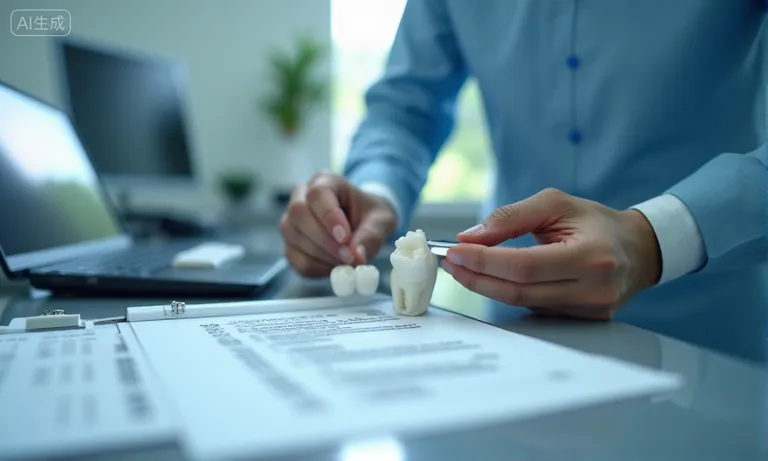
Dental-Lab-Implant-QA-Precision-Check
Precision is the foundation of implant reliability. Labs demonstrate accuracy through repeatable results across hundreds of cases. Regular calibration of CAD/CAM systems and printers ensures tight tolerances. For example, a U.S. clinic group reported a drop in adjustment time at chairside after their lab introduced automated calibration logs. This improvement made appointments shorter and increased trust in the lab’s work.
Material integrity directly affects implant performance and patient health.
QA processes define whether quality is consistent or left to chance.
| With Defined QA Processes | Without QA Processes |
|---|---|
| Standardized margin checks and occlusion testing | Inconsistent fits requiring frequent remakes |
| Documented traceability of materials | Limited visibility and higher liability risk |
| Predictable implant outcomes | Uncertainty for both clinic and patient |
A DSO in the Middle East reported that introducing QA checkpoints into its overseas lab’s workflow reduced remake rates by 22% in the first year. This demonstrates how structured QA translates into measurable operational stability.
Quality and accuracy in 3D printed restorations are built on more than technology—they rely on verified materials and robust processes. Overseas dental labs such as Raytops Dental Lab integrate precision checks, material traceability, and QA workflows, giving clinics and DSOs confidence in every implant case delivered.
Strong communication and dedicated support systems ensure that clinics and labs stay aligned across every implant case. Transparent updates, structured feedback, and reliable service models reduce miscommunication, minimize errors, and build the trust needed for long-term collaboration.
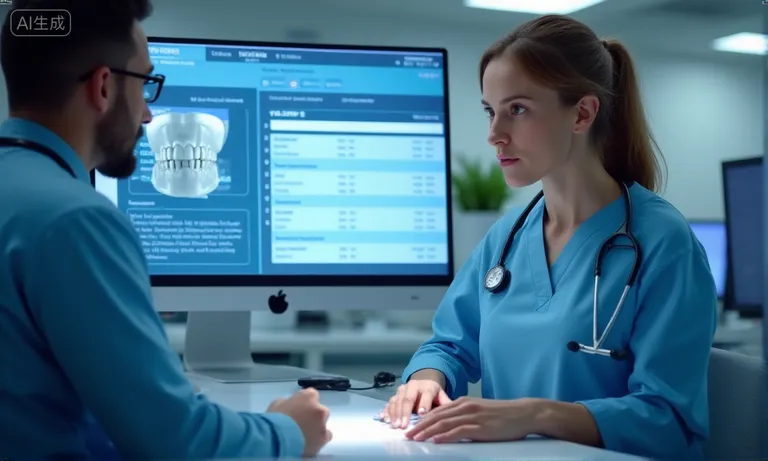
Dental-Lab-Digital-Communication-Support
Real-time platforms allow clinics to track case status without waiting for manual updates. Shared dashboards display which stage a restoration is in—design, printing, or QA—giving procurement teams visibility at all times.
A DSO in Germany reported fewer delays after adopting a lab’s digital dashboard, as clinics could proactively adjust schedules based on real-time lab progress. This transparency also reduced the number of status inquiry emails by nearly 40%.
Feedback loops give clinics a formal way to report issues and ensure that adjustments are recorded.
Service models determine how quickly clinics get help when issues arise.
| Dedicated Account Manager | Generic Support Team |
|---|---|
| Single point of contact familiar with clinic needs | Rotating contacts with limited case context |
| Faster issue resolution due to continuity | Delays from repeated explanations |
| Builds long-term trust and collaboration | Frustration from inconsistent support |
A distributor in Australia noted that appointing a dedicated account manager in its lab partnership cut response times in half and made clinics more confident in scaling implant orders.
Effective communication and strong support models are not optional—they are what make collaboration sustainable. Overseas dental labs such as Raytops Dental Lab strengthen partnerships by combining digital platforms, structured feedback, and dedicated support, ensuring clinics feel guided rather than left alone in complex implant workflows.
Cost transparency ensures clinics and DSOs can accurately evaluate total investment, avoid hidden charges, and secure predictable ROI. When labs clearly communicate pricing structures, procurement teams reduce financial disputes and build partnerships based on trust rather than guesswork.

Dental-Lab-Cost-Transparency-Invoice
Per-unit pricing often appears competitive but can mask hidden costs. Procurement teams should calculate total cost structures, including shipping fees, remake expenses, and material upgrades. For example, a U.S. DSO discovered that a lab with lower per-unit pricing actually cost 12% more annually once remake fees and expedited shipping were included. By analyzing full cost breakdowns, decision-makers avoid misleading comparisons.
Different pricing models influence long-term financial outcomes:
Transparent quoting clarifies expectations before production begins.
| With Transparent Quoting | Without Transparent Quoting |
|---|---|
| Itemized breakdowns prevent cost surprises | Hidden surcharges discovered after billing |
| Clinics align budgets with actual production needs | Procurement teams struggle with unexpected variance |
| Trust reinforced through upfront clarity | Relationship strain from repeated disputes |
One Middle Eastern clinic group shared that adopting labs with transparent quoting reduced billing disputes by 30%, freeing up staff time previously spent on invoice reconciliation.
Cost transparency does more than protect budgets—it builds confidence in the partnership. Overseas dental labs like Raytops Dental Lab use itemized pricing and clear quoting processes, allowing clinics and DSOs to plan implant programs with financial certainty and long-term trust.
Experience and reputation give procurement teams confidence that a lab can deliver consistently over time. While pricing and technology may look competitive on paper, a proven track record and trusted references reduce uncertainty, minimize risk, and strengthen decision-making in long-term implant partnerships.

Dental-Lab-Reputation-Client-Testimonials
A lab’s history of successful implant restorations shows how it performs under real-world conditions. Case portfolios demonstrate technical range, while testimonials provide insights into responsiveness and reliability. For example, one U.K. distributor evaluating two labs chose the one with detailed client case studies—even though its unit cost was slightly higher—because the documented outcomes provided stronger evidence of reliability.
Objective performance data allows procurement teams to make informed comparisons:
Certain signals indicate potential risk:
| Trustworthy Indicators | Concerning Red Flags |
|---|---|
| Documented case studies with verified outcomes | Lack of published work or vague claims |
| Transparent remake statistics | Refusal to share remake or return data |
| Positive peer references | History of sudden quality drops or disputes |
A DSO in the Middle East avoided costly delays by rejecting a lab that could not provide verified remake statistics. This decision reinforced the importance of demanding transparency during vendor evaluation.
Experience and reputation are not soft factors—they are measurable trust signals. Overseas dental labs like Raytops Dental Lab demonstrate reliability by sharing case portfolios, remake ratios, and client feedback, giving clinics and DSOs the confidence to build long-term, scalable partnerships.
Sustainable dental lab partnerships rely on clear agreements, resource planning, and ongoing technical support. For DSOs and distributors handling high implant volumes, these mechanisms reduce risks of disruption and ensure that the lab can scale alongside clinical demand.
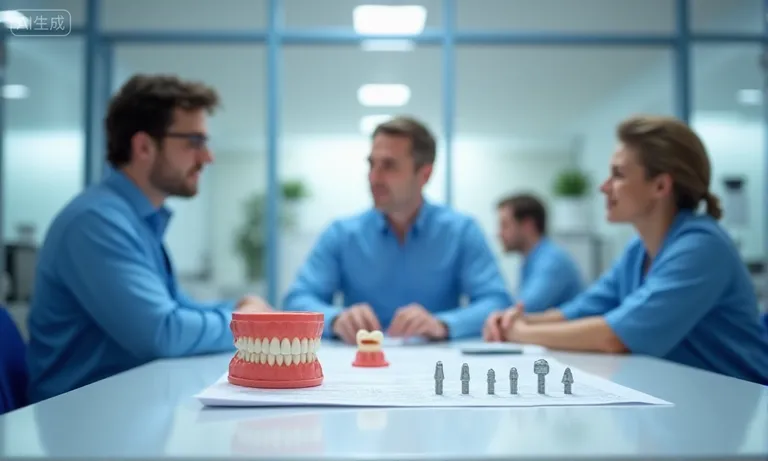
Structured contracts create predictability by outlining volume commitments, service levels, and pricing stability over time. For example, a North American DSO secured consistent delivery by negotiating a three-year framework agreement that included priority scheduling for high-volume cases. This reduced the uncertainty of relying on multiple small suppliers with variable timelines.
Labs that plan resources effectively can absorb demand surges without sacrificing quality.
Continuous training ensures labs adapt to evolving digital workflows and material innovations.
| With Ongoing Training & Support | Without Training & Support |
|---|---|
| Staff stay updated on latest CAD/CAM and 3D printing techniques | Outdated practices increase error rates |
| Clinics receive guidance during workflow transitions | Clients left to troubleshoot integration issues |
| Stronger long-term alignment and trust | Higher turnover and weaker partnerships |
In one case, an Australian DSO reduced integration issues by 20% after its overseas dental lab provided regular online training sessions for clinic teams adapting to new scanners.
Long-term scalability requires more than production capacity—it demands structured agreements, proactive resource planning, and continuous technical alignment. Overseas dental labs like Raytops Dental Lab combine these mechanisms to help DSOs and distributors scale implant programs with confidence and operational stability.
Evaluating 3D printing dental lab partnerships requires more than comparing unit prices—it demands a holistic review of compliance, SLA commitments, technical workflows, quality assurance, communication, cost transparency, reputation, and scalability. Clinics and DSOs that prioritize these factors reduce risk, strengthen procurement confidence, and ensure predictable implant outcomes. By partnering with an overseas dental lab that combines regulatory alignment, advanced digital workflows, and structured support, decision-makers gain both operational stability and long-term value. Raytops Dental Lab exemplifies this collaborative model, providing the consistency and trust needed to scale implant programs with confidence.