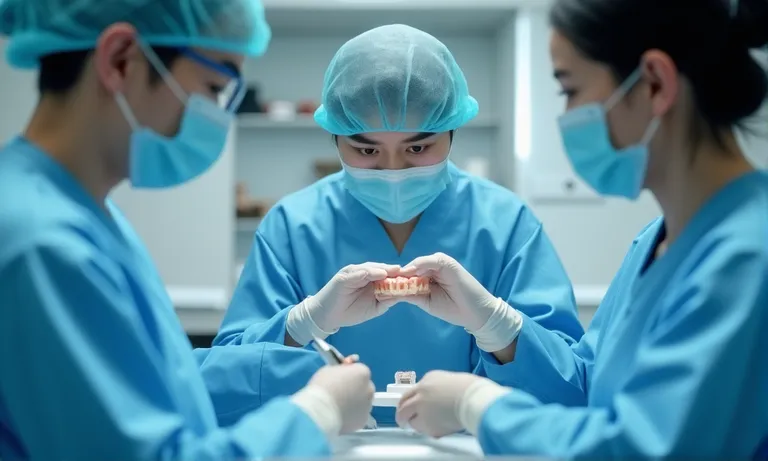
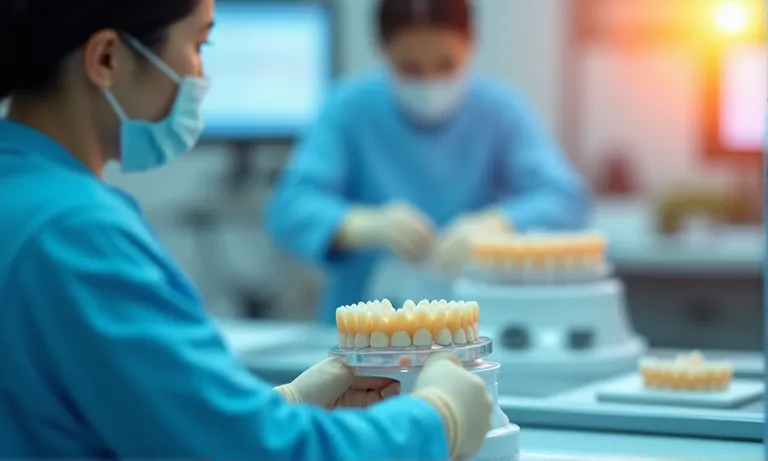
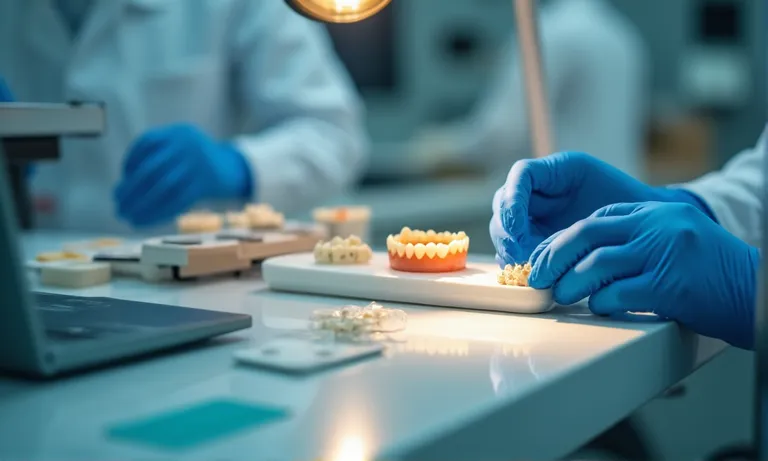
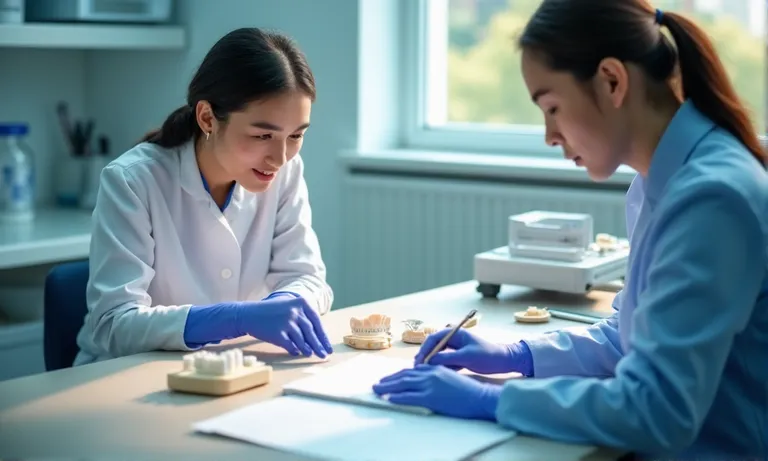
Unanticipated fractures or remakes from non-precious PFM crowns can undermine clinical trust and inflate operational costs. Without insight into alloy behavior, crown design, and occlusal management, restorations are prone to early failure. By integrating lab-supported material choices and validated production protocols, dental teams can ensure crown durability while balancing esthetic and functional priorities.
The strength and longevity of non-precious PFM crowns depend on factors such as ISO-compliant alloy composition, coping thickness, veneering support, and precise occlusal fitting. When these elements are optimized during lab processing, the crowns demonstrate reliable performance across posterior and high-load applications.
What Factors Affect the Strength of Non-Precious PFM Crowns?
The strength of non-precious PFM crowns is influenced by multiple technical variables that must be managed at both the design and manufacturing stages. For dental labs and procurement teams, understanding these factors helps prevent structural failure, reduce remakes, and ensure long-term clinical success.
pfm-crown-metal-composition-lab-check
How Does Alloy Composition Impact the Strength of Non-Precious PFM Crowns?
Alloy selection plays a critical role in the structural integrity of PFM crowns. While all non-precious metals may meet ISO 22674, their performance varies significantly by formulation:
Nickel-Chromium Alloys: Offer high stiffness and affordability but may pose higher brittleness risk if improperly processed.
Cobalt-Chromium Alloys: Preferred for their corrosion resistance, lower allergic potential, and consistent performance under occlusal load.
Trace Element Inclusion: Molybdenum or beryllium may enhance castability or bond strength, but excessive use can reduce ductility or biocompatibility.
Alloy Certification: Only alloys classified as Type 4 or 5 under ISO standards are recommended for posterior PFM frameworks.
How Do Thickness and Design Impact the Durability of Non-Precious PFM Crowns?
Crown design must strike a balance between function, esthetics, and strength. Inadequate thickness or poor margin design can lead to early failure.
Metal Coping Thickness: A minimum of 0.3–0.5mm is required to support occlusal forces without flexing.
Porcelain Layer Uniformity: Uneven veneering increases stress and risks chipping or delamination.
Connector Dimensions: Especially in bridge units, connector size must comply with load-bearing standards to prevent fracture.
Support for Veneering: Metal frameworks should be anatomically designed to support ceramic under functional load.
How Does Proper Fitting Affect the Strength of Non-Precious PFM Crowns?
Achieving a precise fit between crown and abutment is essential for mechanical stability and long-term function. Here’s how fitting contributes to strength:
Margin Adaptation: Well-adapted margins reduce micro-movement and prevent stress concentrations.
Internal Clearance: Controlled cement space allows optimal seating and avoids pressure points.
Occlusal Contact Adjustment: Prevents high stress zones that could cause porcelain fracture.
Try-In and Adjustment Protocol: Labs must perform accurate die-fit and bite-check protocols before final delivery.
A strong PFM crown is the result of controlled lab variables and informed material design. Contact us to request design guidelines or a sample case study demonstrating best practices for strength optimization.
How Do Non-Precious PFM Crowns Compare to Other Materials in Terms of Longevity?
When selecting restorative materials, long-term durability is a key factor for clinics and dental procurement teams. While non-precious PFM crowns are widely used, their performance must be assessed against full ceramic and other alternatives to determine clinical suitability in different conditions.
pfm-vs-ceramic-crown-durability-comparison
How Do PFM Crowns Compare to Ceramic Crowns in Terms of Durability?
Aspect
Non-Precious PFM Crowns
Full Ceramic Crowns
Core Strength
High (metal substructure resists flexing)
Variable: high with zirconia, lower with lithium disilicate
Veneer Bond Integrity
Strong metal-ceramic bond when properly handled
Risk of chipping in multi-layer systems
Long-Term Stability
Proven 10–15 year survival in posterior use
Zirconia matches, but glass ceramics may degrade earlier
Sensitivity to Load
Tolerates bruxism if alloy is Type 4/5 ISO compliant
High load can cause fractures in layered ceramics
Aesthetic Lifespan
May show metal margins over time
Superior esthetics, especially in anterior teeth
How Do Non-Precious Materials Perform Over Time in Various Clinical Scenarios?
Longevity is not just about material choice—it’s also about how the restoration performs across patient types and treatment zones.
Posterior Load-Bearing Zones: PFM crowns remain reliable due to their high core strength and stability under functional loads.
Multiple Unit Bridges: The metal framework in PFMs offers rigid support across longer spans, reducing connector failures.
Deep Bite or Bruxism Patients: With proper occlusal adjustment, non-precious PFMs can outperform full ceramics that risk fracture.
Anterior Esthetic Demands: Full ceramic restorations may be preferred visually, but PFM still serves well if margin placement is precise.
How Does Patient Lifestyle Affect the Longevity of Non-Precious PFM Crowns?
Material strength can only go so far—long-term success depends on how the restoration is used and maintained.
Diet Habits: Hard or abrasive foods may cause microfractures in porcelain layers over time.
Bruxism: Uncontrolled grinding exerts abnormal forces that challenge veneered surfaces, even with strong alloys.
Oral Hygiene: Poor plaque control accelerates corrosion in some metal systems, especially if surface polish is insufficient.
Recall Compliance: Patients who skip checkups risk minor issues becoming structural failures.
✅ PFM crowns remain a clinically durable solution for high-stress zones – TRUE With proper design and material selection, non-precious PFMs provide long-term performance in posterior and bridge applications.
❌ Full ceramic crowns always last longer than PFM crowns – FALSE Durability depends on material type and clinical conditions. While zirconia may match PFM, glass ceramics are more prone to fatigue over time.
How Can You Maximize the Longevity of Non-Precious PFM Crowns?
Maximizing the life span of non-precious PFM crowns requires coordination between dental labs, clinics, and patient care habits. By understanding maintenance essentials and risk factors, procurement teams and clinical leads can reduce rework, avoid patient dissatisfaction, and ensure restorations last their intended lifecycle.
pfm-crown-maintenance-guidelines-check
What Are the Best Practices for Care and Maintenance of Non-Precious PFM Crowns?
Consistent maintenance significantly extends crown durability. Here are key lab and chairside recommendations:
Proper Surface Finishing: Final glaze or polish reduces plaque accumulation and surface wear.
Fluoride-Free Cleaning Products: Avoid agents that may accelerate corrosion in exposed metal margins.
Use of Night Guards for Bruxism Cases: Especially critical when posterior load forces are high.
Oral Hygiene Reinforcement: Patients must be educated on brushing techniques around crown margins.
Avoid Abrasive Toothpastes: Particularly important for veneered PFM crowns to prevent micro-scratches.
How Do Regular Check-Ups Help Extend the Life of Non-Precious PFM Crowns?
Routine evaluations help detect early signs of failure and allow timely interventions:
Occlusion Review: Check for wear patterns, premature contacts, or shifting occlusal dynamics.
Margin Integrity Check: Spotting marginal gaps early prevents bacterial leakage and secondary decay.
Bond Strength Inspection: Loose veneers or minor fractures can be addressed before progressing.
Soft Tissue Response: Gingival inflammation or recession may signal issues in crown contour or cementation.
What Are the Common Causes of Premature Failure in Non-Precious PFM Crowns and How Can You Avoid Them?
Identifying and addressing failure factors early in the process greatly improves outcomes:
Inadequate Design: Undersized connectors or unsupported porcelain layers are prone to fracture.
Improper Alloy Selection: Using low-grade or uncertified alloys can reduce fatigue strength.
Thermal Cycling Damage: Mismatched CTE between metal and porcelain can cause delamination over time.
Inconsistent Bite Adjustment: Unbalanced load distribution increases failure risk, especially in bruxism patients.
Clear protocols and patient communication play a key role in extending crown longevity. Download our care checklist or book a technical Q&A with our team to explore design or maintenance protocols.
What Are the Common Issues That Can Affect the Strength and Longevity of Non-Precious PFM Crowns?
While non-precious PFM crowns offer a strong and cost-effective solution, several common clinical and technical issues can shorten their service life. For labs, DSOs, and procurement managers, understanding these pitfalls allows for better preventive strategies and long-term success.
pfm-crown-common-failures-wear-alignment
How Does Wear and Tear Impact the Strength and Longevity of Non-Precious PFM Crowns?
Over time, physical stress degrades crown surfaces and structures, especially if the restoration isn’t designed for heavy function.
Porcelain Chipping: Repeated masticatory cycles or habits like chewing pens can cause veneer fracture.
Loss of Polish: Surface roughness increases plaque retention and accelerates metal corrosion.
Thermal Cycling: Daily exposure to hot and cold can strain the metal-ceramic bond if expansion rates differ.
Microfractures: Subtle cracks develop over time and propagate under high load, especially with bruxism.
How Does Poor Bite Alignment Affect the Strength of Non-Precious PFM Crowns?
Occlusal issues are one of the top contributors to premature failure, often due to insufficient chairside adjustment or missing lab protocols.
High Contact Zones: Unadjusted interference areas concentrate stress on porcelain.
Cantilever Forces: In bridges, asymmetric force application can fracture connectors or debond retainers.
Lateral Stress: Unbalanced occlusion leads to torque loading, which PFM crowns aren’t built to absorb repeatedly.
No Protective Devices: Omission of night guards in known grinders leads to early veneer wear or core deformation.
How Does Material Selection Affect the Durability of Non-Precious PFM Crowns?
The wrong choice of alloy or unverified source materials can compromise both mechanical and biological performance.
Low-Grade Alloys: Some alloys fail to meet ISO mechanical thresholds for tensile strength or fatigue resistance.
Unmatched CTEs: Porcelain-metal mismatch leads to internal tension and eventual cracking.
Unlabeled Composition: Lack of traceable batch certification increases risk for allergic reactions or reduced lifespan.
Inconsistent Melting Range: Alloys with unstable fusion behavior can weaken during firing, affecting integrity.
✅ Bite stress and material quality directly impact crown longevity – TRUE Precise occlusal design, proper alloy classification, and lab-level finishing are key to resisting long-term failure.
❌ All failures are due to patient habits or hygiene – FALSE Many issues stem from lab design flaws, occlusal misalignment, or incompatible material choices, not just patient-related behavior.
How Should You Choose Non-Precious PFM Crowns Based on Strength and Longevity for Different Patient Needs?
Not all cases require the same crown solution. For labs and clinics working together, choosing the right non-precious PFM crown starts with evaluating the patient’s functional demands, esthetic expectations, and long-term goals. Matching these criteria with design and material selection can significantly improve case outcomes.
pfm-crown-patient-selection-clinical-evaluation
How Do You Assess the Patient’s Needs for Durability vs. Aesthetic Appeal in PFM Crowns?
Each clinical case has different restoration priorities. Here’s how to balance the most common trade-offs:
Posterior Functional Zones: Prioritize high-strength alloys and design bulk over translucency.
Anterior Esthetic Zones: Aim for precise margin control and minimal metal show-through.
Bruxism or Deep Bite Cases: Emphasize rigid coping design, occlusal thickness, and protective occlusion guards.
Elderly or Medically Compromised Patients: Favor simplified prep and materials with low biological reactivity.
How Can You Align Crown Selection with Long-Term Treatment Goals?
Strategic material choice supports broader clinical planning. A collaborative, phased approach ensures the restoration supports future interventions.
Define Primary Case Objective Understand whether the crown is part of a full rehab, bridge, or standalone restoration.
Evaluate Expected Load Duration Consider if this is a temporary stabilizer or a 10–15 year functional anchor.
Identify Material-Sensitive Conditions Check for allergies, metal sensitivities, or esthetic limitations that could restrict options.
Coordinate with Lab on Substructure Design Request lab input on coping thickness, connector sizing, and veneering support before prep.
Why Is It Important to Consult with Labs for Optimal Material Selection in Non-Precious PFM Crowns?
Labs bring material science and fabrication expertise that can fine-tune choices beyond basic catalogs:
Real-World Alloy Feedback: Labs know how different brands perform under different veneering systems.
Process Compatibility: Some alloys perform better in casting vs. milling workflows.
Batch Traceability Advice: Labs can ensure selected alloys are fully certifiable and traceable.
Design Trade-Off Guidance: Labs can recommend where to reinforce strength without compromising esthetics or prep limits.
Better outcomes start with better collaboration. Request a case review or book a technical consult to explore the best-fit non-precious PFM crown options for your patient needs.
Conclusion
Understanding the mechanical and clinical behaviors of non-precious PFM crowns helps dental professionals reduce risk and improve case longevity. Whether selecting materials, designing frameworks, or educating patients, long-term strength relies on collaborative decisions between clinics and certified labs.
PFM crown strength and longevity depend on alloy choice, framework design, and controlled lab processing, not just clinical placement.
Key strength factors include metal composition, thickness, fitting precision, and veneering technique—each managed during fabrication.
Material comparisons show PFMs remain durable in load-bearing zones, especially versus layered ceramics in stress-prone applications.
Maintenance protocols like polish quality, bite checks, and hygiene support extend crown life significantly.
Failure risks such as misaligned occlusion, low-grade alloys, or poor CTE compatibility must be preemptively managed.
Case-by-case selection ensures PFM crowns meet specific patient demands, balancing durability with esthetics and cost-efficiency.
Ready to reduce remakes and increase restoration success? Schedule a design consultation or request our strength-optimized PFM crown spe to see how our lab helps clinics ensure long-term crown performance.