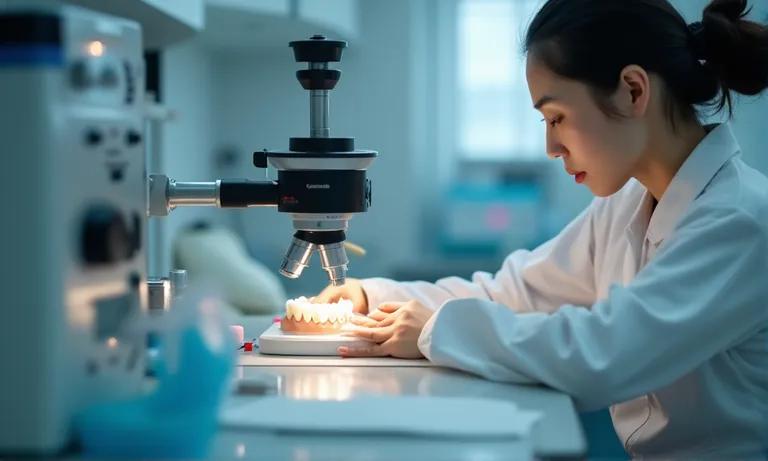
Pressed veneers like IPS Empress demand more than good materials—they require precise lab control at every stage. Rushing or skipping key pressing steps leads to poor fit, esthetic mismatch, or remakes that hurt chairside trust. By mastering wax-up, pressing, and layering protocols, labs can deliver consistently beautiful, high-performance IPS Empress restorations.
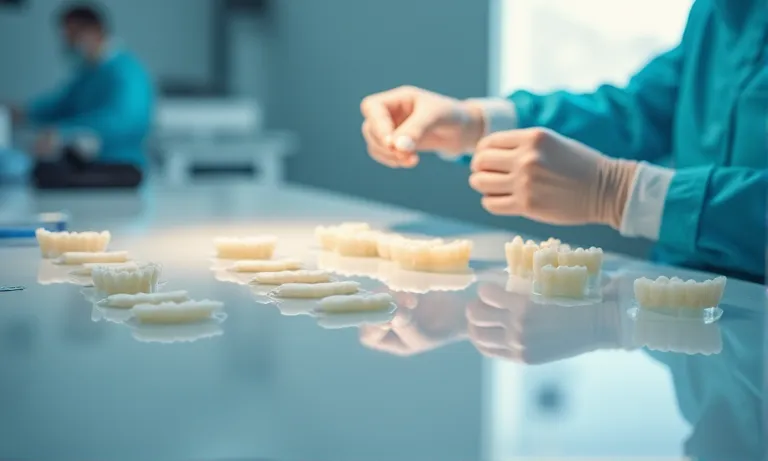
IPS Empress veneers are made using a pressed ceramic workflow that involves wax pattern creation, mold investment, burnout, ceramic pressing, cutback layering, and esthetic finishing. Each step must follow precise parameters to achieve optimal fit, translucency, and surface quality for anterior veneer cases.
What Should Labs Know About the IPS Empress Esthetic System?
Before working with IPS Empress, it’s essential for labs to understand the full scope of the Esthetic system—its material behavior, clinical indications, and processing compatibility. This foundation not only impacts pressing quality but also ensures predictable results when collaborating with clinicians focused on anterior esthetics.
IPS-Empress-esthetic-system-components-lab
What Is Pressable Glass-Ceramic Technology in Veneer Fabrication?
IPS Empress uses a leucite-reinforced glass-ceramic designed for precision pressing
The ingots are heated and pressed into a mold formed around a wax pattern
The material delivers high edge integrity, translucency, and enamel-like reflectivity
Pressing offers better marginal control and shade depth compared to milling.
How Does Material Composition Affect IPS Empress Veneers?
Leucite crystals strengthen the glass matrix while maintaining optical clarity
The ceramic structure supports minimal prep thickness (0.3–0.5 mm) without structural compromise
The formulation resists wear and staining over time, especially in the esthetic zone
The balance between strength and translucency is what defines Empress’s role.
In What Cases Are IPS Empress Veneers Commonly Indicated?
High-esthetic anterior restorations
Minor alignment or shape correction
Non-prep or minimally invasive veneer cases
Moderate discoloration masking (when supported by prep)
Empress is especially reliable for 4–8 unit smile zone cases and mock-up driven smile designs.
Why Is IPS Empress Still a Preferred Material for Aesthetic Veneers?
Excellent light diffusion and depth with cutback-layering flexibility
Predictable handling during pressing and minimal post-press warping
Consistent esthetic outcomes across cases and technician teams
Clinicians often request Empress by name when prioritizing esthetic realism over raw strength.
IPS Empress Esthetic remains one of the most reliable pressed systems for anterior esthetics. Labs that understand its material behavior and case compatibility are better equipped to deliver repeatable, high-satisfaction results.
What Are the Steps Involved in the Pressed Ceramic Veneer Workflow?
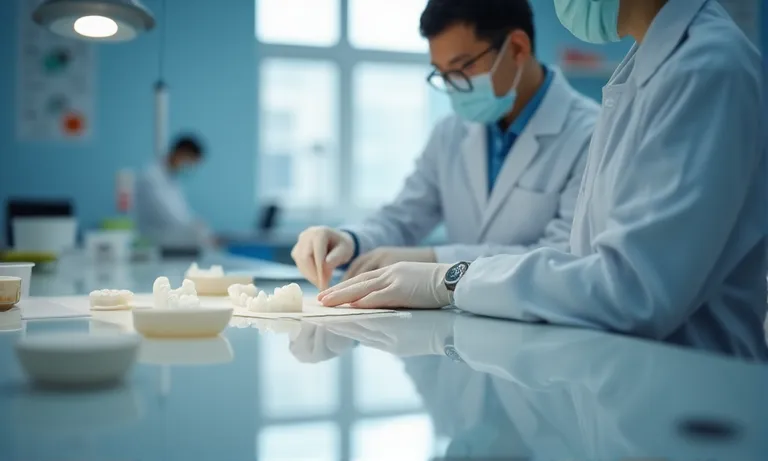
The pressed ceramic workflow for IPS Empress veneers requires precision at every phase—from wax-up to pressing and finishing. Unlike digital-only systems, pressed ceramics demand a hands-on approach that combines traditional lab artistry with material-specific controls. Here’s how the process unfolds.
Pressed-ceramic-veneer-workflow-empress-lab
How Is the Wax Pattern Created and Verified for Fit?
Wax patterns are sculpted on die models, mimicking final tooth contours and thickness
Margin lines are respected with a defined edge for pressing accuracy
Lab teams check contacts, emergence profile, and facial thickness before moving forward
Precise wax-ups are the foundation of predictable pressed veneer fit.
How Is the Mold Prepared Using Investment and Burnout?
Sprues are attached to the wax units and placed into a casting ring
A high-heat investment material is poured to encase the wax pattern
Once set, the ring is placed in a furnace and burned out to leave a cavity for pressing
Proper burnout avoids residue that can affect press integrity or internal fit.
What Controls Ensure Accuracy in the Pressing Phase?
IPS Empress ingots are placed in the heated press chamber with a calibrated plunger
Ivoclar-recommended press parameters (temperature, hold time, pressure) are followed exactly
Each press cycle is recorded in our QA logs to ensure batch consistency
Over-pressing can cause flash or deformation; under-pressing leads to incomplete margins.
How Are IPS Empress Veneers Finished and Polished?
Once divested and sandblasted, the veneers are cut back (if required) and layered
Fine contouring refines incisal edges and surface anatomy
Final polishing or glaze firing is performed to enhance gloss and lifelike reflection
The balance between texture and translucency is adjusted per case type and light environment.
The IPS Empress pressed veneer workflow blends technical control with artistic adaptation. Each step—wax-up, pressing, finishing—is an opportunity to influence fit, esthetics, and chairside satisfaction.
How Can Labs Ensure Precision and Fit with Empress Veneers?
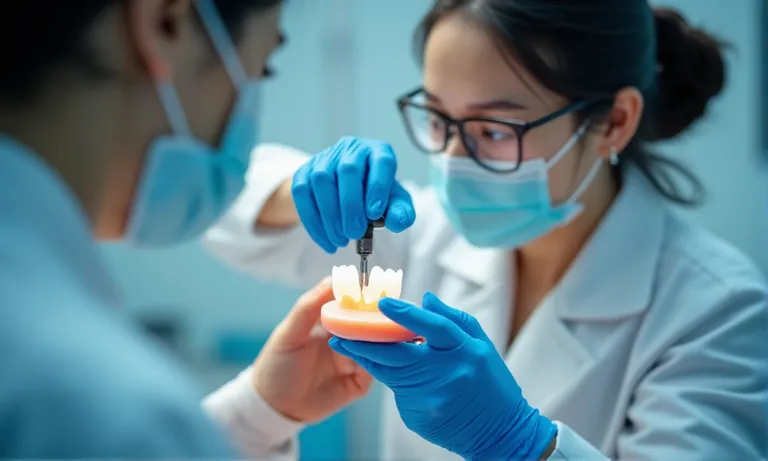
Pressed ceramics like IPS Empress offer high esthetic potential—but only when precision is tightly controlled. Unlike milled restorations, pressing introduces manual variability that must be managed through wax design, mold accuracy, and technician skill. Fit issues, remakes, or seating challenges often trace back to small missteps in these upstream phases.
Empress-veneer-fit-precision-lab-technique
What Techniques Help Maintain Marginal Integrity in Veneers?
Maintain 0.3 mm wax edge thickness at the margin to avoid feathering or chipping
Avoid wax bridging or pooling near interproximal zones
Double-inspect margin cleanup post-divestment before proceeding to cutback or stain
Clean margins reduce cement overflow and improve bonding confidence.
How Do Mold Accuracy and Pressing Parameters Affect Fit?
Improper burnout can leave residue that interferes with ceramic flow
Overheating the mold leads to oversintering, causing shrinkage or distortion
Pressing temperature and time must follow exact ingot type recommendations (e.g., LT vs. HT)
Labs logging press cycles and investment batch data see fewer misfits.
What Adjustments Help Match Natural Tooth Contours?
Surface finishing should follow patient-specific incisal edge and curvature references
Occlusal mapping can guide facial contour transitions in the smile line
Contour corrections done pre-polish ensure gloss is even and not overly flat
This helps match the veneer not only to the model—but to the real oral environment.
How Does Final Polishing and Glazing Influence Aesthetics?
Excess glaze can mute incisal texture and reflectivity
Under-polishing leads to surface dullness and premature staining
Layered Empress surfaces should reflect light similarly to adjacent enamel under operatory light
Technicians should preview veneers under both daylight and chair light before final approval.
✅ IPS Empress veneers achieve optimal fit and esthetics when pressing parameters and lab workflows are tightly controlled – TRUE Precision is a cumulative result—from wax to finish—and directly impacts clinical efficiency and satisfaction.
❌ Pressed veneers will always fit as long as the wax-up looks good – FALSE Even well-shaped wax-ups can fail if mold prep, pressing heat, or finishing steps are inconsistent.
Which Shade and Layering Techniques Enhance Veneer Aesthetics?
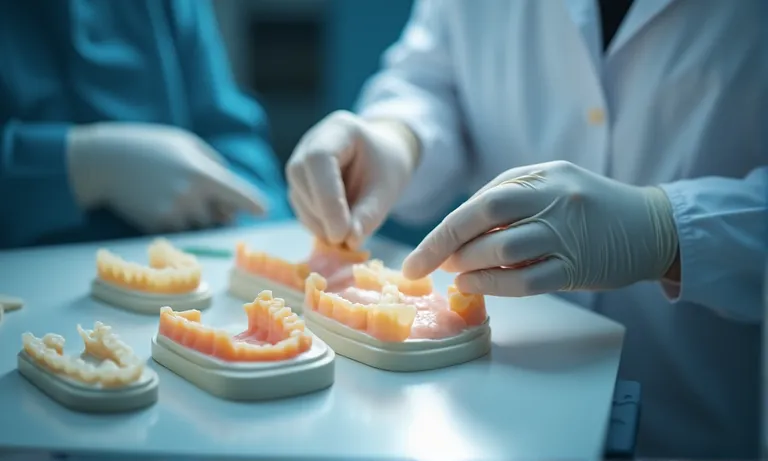
The true visual strength of IPS Empress veneers lies in how the lab handles color, translucency, and depth. While the ingots provide a strong base, it’s the layering, staining, and finishing techniques that ultimately define whether a veneer looks “nice” or “natural.” These decisions must align with patient expectations, case context, and dentist photos—especially in high-smile-line work.
How Does the Choice Between Cutback and Full Contour Affect Results?
Full-contour Empress (glaze-only) is faster and more durable but less nuanced visually
Cutback with layered porcelain enables natural translucency, internal halo, and surface depth
The decision depends on smile zone visibility, case value, and esthetic demand
Cutback layering is standard in cases requiring natural integration and incisal transparency.
How Are Stains and Glazes Applied for Natural Effects?
Internal stains simulate cervical warmth, incisal blue-grey, or youthful opacity
Surface stains help harmonize shade and match patient photos
Controlled glaze firing maintains texture while locking in color without excess shine
Each shade system (Vita Classic, Bleach, 3D Master) reacts differently under glaze cycles.
What Role Does Light Transmittance Play in Veneer Aesthetics?
Empress veneers diffuse and reflect light similarly to enamel, especially in 0.4–0.6 mm cross-sections
Lab control of thickness and layering determines depth effect under daylight vs. chairlight
Over-layering reduces vitality; under-layering may look flat or too value-heavy
Visual trials under dual light sources help us calibrate the final veneer character.
How Is Shade Matching Done Using the Vita Guide?
Shade matching includes stump shade reference, tab photography, and neutral background lighting
For bleach cases (BL1–BL4), we calibrate both value and translucency by ingot + layering combo
For A2–C2 natural shades, we match cervical saturation using a base-liner or stain blend
Best results come when the Rx includes clear tab photo, stump guide, and pre-op smile image.
Empress layering is more than color—it’s light, contour, and emotion made visible. To see how our lab handles different aesthetic styles, ask for a veneer shade-matching sample or review our layered Empress portfolio across smile zones.
What Common Fabrication Errors Affect IPS Empress Veneers?
Even with a well-designed system like IPS Empress, small missteps during the pressed ceramic workflow can compromise the final result. From inaccurate wax-ups to improper pressing or glaze cycles, each error point carries consequences for fit, esthetics, or long-term performance. Labs that recognize and control these failure risks consistently deliver better veneers.
Undercuts, overbulk, or poorly defined margins result in overpress or incomplete fill
Thin sections (<0.3 mm) are prone to deformation or fracture during pressing
Asymmetrical wax-ups lead to esthetic imbalance between left/right units
We recommend a second technician review before investing every esthetic veneer case.
How Does Overheating During Pressing Compromise Veneer Quality?
Excess temperature can cause oversintering, increasing shrinkage and internal stress
Flash lines or rough surfaces may appear, affecting margin adaptation
Over-pressing softens fine features like incisal lobes or defined texture
Each press cycle should be matched exactly to the ingot type and mold size.
How Do Incomplete Burnout or Poor Investment Affect Press Results?
Wax residue or moisture in the mold cavity prevents smooth ceramic flow
Investment breakdown or cracking distorts the press cavity shape
Marginal fit and internal seating are often compromised before devesting even begins
Burnout schedules must be adapted for ring size, wax volume, and investment type.
Why Does Improper Staining or Glazing Reduce Esthetic Quality?
Over-glazing dulls microtexture and reduces light reflectivity
Uneven stain firing may result in blotchy or artificial-looking enamel zones
Rushed polishing can leave open grain structure, leading to early stain pickup
All final esthetic steps should be done under controlled lighting with neutral visual background.
✅ Small deviations in pressing, staining, or waxing can result in veneer failure or remake – TRUE Most fit issues and esthetic complaints stem from overlooked details—not the material itself.
❌ As long as the veneer looks good on the model, it will work clinically – FALSE Visual appeal does not guarantee margin fit, bonding surface integrity, or long-term esthetic durability.
Conclusion
IPS Empress requires more than material familiarity—it demands lab precision, technician skill, and protocol consistency. Mastering this workflow elevates not just your output, but your reputation in esthetic dentistry.
Understanding the full IPS Empress system helps labs match material behavior with clinical intent — revisit the esthetic system overview.
From wax-up to polish, each pressing step must be controlled for margin clarity, fit, and visual effect — review the pressing workflow.
Margin fit and contact precision depend on careful wax design, burnout integrity, and calibrated press parameters — ensure lab accuracy.
Advanced layering, cutback, and stain/glaze methods enhance the depth and natural light behavior of Empress veneers — explore layering techniques.
Preventable fabrication errors—like over-pressing or investment flaws—are often the hidden cause of veneer failure — avoid common mistakes.
Labs that follow Empress protocols closely reduce remakes and deliver more lifelike restorations with confidence — see esthetic consistency.
Want Empress veneers pressed with lab-level precision and esthetic integrity? Partner with Raytops Dental Lab to receive consistently layered, CE-compliant restorations crafted by technicians who specialize in pressed ceramic workflows.