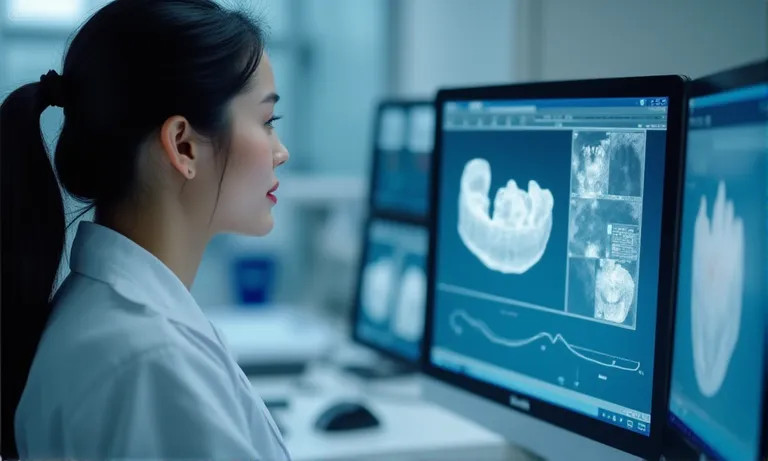
Working digitally with an overseas dental lab is not just about transferring scans—it is about creating a reliable, end-to-end workflow. Success depends on compatibility, communication, and quality systems that keep cases moving without disruption.
Key factors buyers should evaluate include:
By approaching overseas lab partnerships with these dimensions, procurement teams turn outsourcing into a repeatable digital process. The payoff is fewer delays, lower remake rates, and a stable foundation for scaling implant and restorative cases across borders.
A digital workflow with an overseas dental lab follows a structured, step-by-step process that turns intraoral scans into completed restorations delivered across borders. Understanding each stage helps procurement teams align expectations, avoid confusion, and build smoother collaboration with their partners.
overseas-dental-lab-digital-workflow-stages
The digital workflow usually begins with the clinic capturing intraoral scans. Files are then transferred to the lab, where CAD software is used to design the restoration. After design approval, CAM milling or 3D printing produces the restoration, which undergoes layering, finishing, and quality control. Finally, the completed case is packaged and shipped internationally. Each handoff requires clarity to prevent data loss or delays.
Most overseas labs accept STL as the universal standard, while PLY and OBJ formats support color and texture data. DICOM files are used for CT imaging, especially in implant planning. On the software side, 3Shape, exocad, and Medit are the most common ecosystems. Procurement teams should confirm compatibility early, since mismatches in file type or software version often create rework.
Smooth collaboration depends on clear division of roles. Clinics are responsible for capturing accurate scans, completing digital prescriptions, and submitting case notes or photos. The lab manages file intake, design proposals, production, and quality checks. Approval points—such as margin confirmation or design approval—should be agreed in advance to avoid time-zone delays. Overseas dental labs like Raytops Dental Lab often provide digital intake portals that clearly log each responsibility, ensuring accountability across both sides.
A digital workflow is only as strong as its weakest link. When both clinic and lab understand their roles, use compatible tools, and manage handoffs carefully, digital outsourcing becomes predictable, efficient, and scalable.
Digital outsourcing can save time and costs, but buyers often face recurring challenges when working with overseas dental labs. Understanding these risks upfront helps procurement teams set realistic expectations and avoid costly delays.

overseas-dental-lab-digital-collaboration-challenges
File compatibility remains one of the most common friction points. While STL is universal, metadata such as color, margin lines, or bite information can be lost when exporting from one CAD system and importing into another. For example, a case designed in exocad may not display margin marks properly when opened in 3Shape. Procurement managers should confirm which formats are fully supported before sending cases to overseas partners.
Common coordination risks include:
Incomplete prescriptions, absent photos, or unclear bite registration often force labs to pause production or remake cases. A missing occlusion note can add days to a case, even if the lab’s internal workflow is efficient. Overseas labs rely heavily on the clinic to submit complete and accurate files—otherwise, even advanced digital workflows cannot compensate for gaps.
Beyond clinical costs, digital collaboration often introduces hidden expenses:
Challenges are inevitable, but they are manageable with clear agreements, compatible tools, and structured communication. Overseas dental labs like Raytops Dental Lab help reduce these risks by providing pre-validated file formats, clear approval protocols, and bundled portal access, making cross-border digital workflows less prone to disruption.
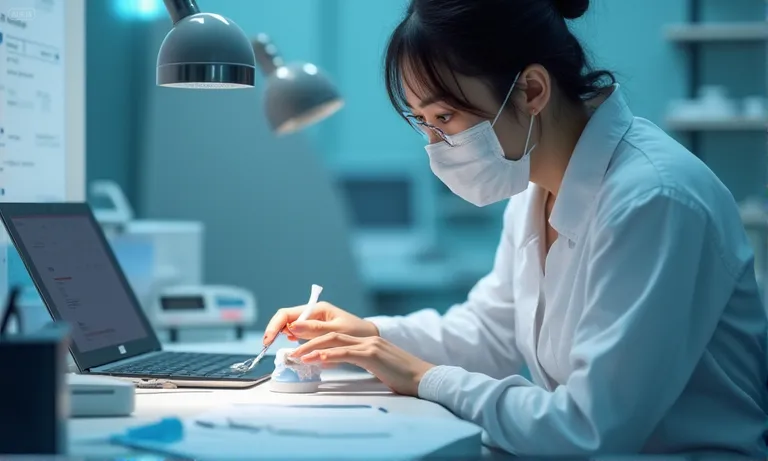
When working digitally with an overseas dental lab, file compatibility and secure data transfer are two of the most important foundations. Without them, even the most advanced workflow will face delays, remakes, or compliance risks. Procurement teams can minimize disruption by standardizing formats, validating data before submission, and securing all transfers.
dental-lab-secure-data-transfer-checklist
| File Type | Common Use | Key Quality Gate | Risks if Ignored |
|---|---|---|---|
| STL | Universal 3D geometry | Margin clarity | Missing detail causes poor fit |
| PLY/OBJ | Color and texture | Accurate shade & gingiva data | Loss of esthetic accuracy |
| DICOM | CT and implant planning | Complete metadata, no corruption | Implant guide misalignment |
Labs often recommend STL as baseline, but complex cases benefit from PLY/OBJ or DICOM. Checking color fidelity, margin lines, and bite data before submission reduces downstream errors.
Procurement teams can standardize submissions by following a pre-flight checklist:
To comply with privacy standards and protect patient health information (PHI), secure methods are essential:
Most remakes from digital outsourcing stem from poor scan quality or incomplete margin capture. Clinics can reduce errors by ensuring dry fields during scanning, capturing full arch context for occlusion, and confirming margins in viewer software before approval. Overseas dental labs like Raytops Dental Lab often run incoming scans through automated QC filters to flag incomplete files, saving days of potential delays.
Compatibility and security are not optional—they are prerequisites. By treating file preparation and transfer as a standardized process, procurement teams can avoid hidden costs, protect patient data, and achieve smoother collaboration with overseas labs.
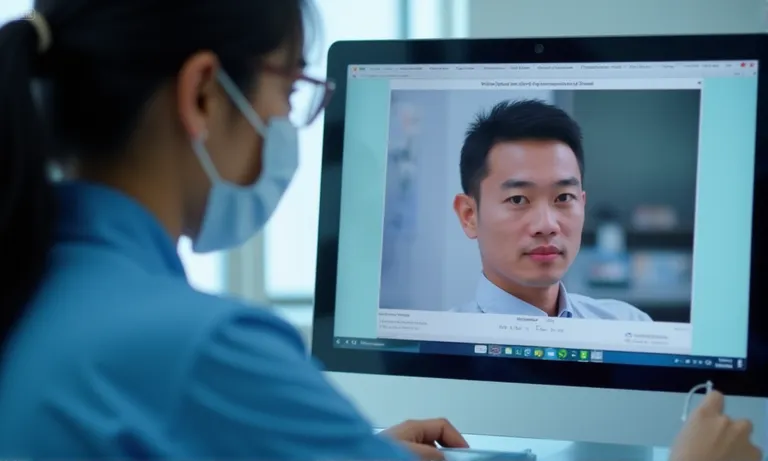
Clear communication is one of the strongest predictors of success in digital outsourcing. When clinics and overseas dental labs agree on response times, communication channels, and approval workflows, collaboration becomes predictable and far less prone to errors or remakes.
overseas-dental-lab-communication-practices
Strong collaborations set expectations for response times. For example:
Unstructured communication—emails scattered across multiple staff—often leads to lost files or overlooked comments. Case portals centralize assets, design revisions, and chat history in one place, creating a single source of truth. Clinics benefit from searchable records, while labs gain clarity on instructions and approvals. Structured platforms also allow procurement managers to track performance across multiple cases.
A structured approval process avoids confusion and delays:
Reliable communication transforms potential risks into managed workflows. Overseas dental labs such as Raytops Dental Lab have adopted SLAs and structured case portals, giving procurement teams confidence that instructions are followed, approvals are documented, and urgent cases are not lost in translation.
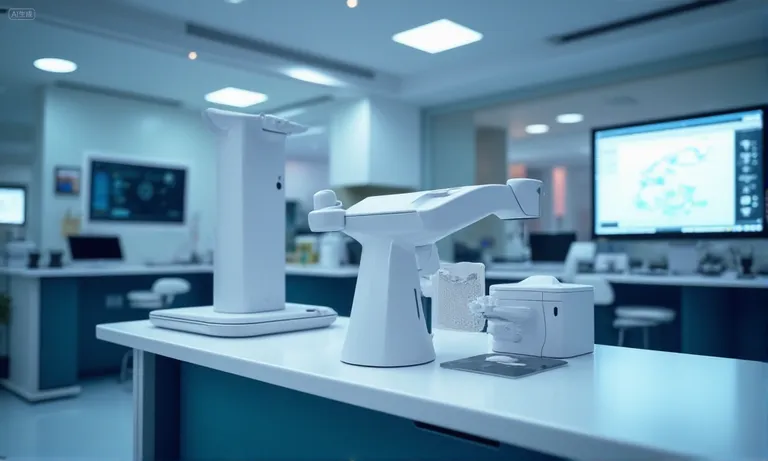
Selecting the right tools is essential for clinics working with overseas dental labs. Compatibility and transparency in digital systems reduce delays, ensure design integrity, and minimize costly remakes. A well-matched digital stack allows both sides to share files, review designs, and track progress without friction.
best-digital-tools-for-overseas-dental-lab-collaboration
A successful workflow starts with a compatible digital stack.
| Tool Category | Common Options | Collaboration Role |
|---|---|---|
| Intraoral Scanners | 3Shape TRIOS, Medit i700, Carestream | Capture and export scans in STL/PLY/OBJ |
| CAD/CAM Suites | exocad, 3Shape Dental System, Dental Wings | Design restorations, manage libraries |
| Lab Information Systems (LIS/LIMS) | Evident, LabStar, custom LIS | Track cases, manage approvals and logistics |
Selecting tools that share standard file types and allow API or portal integration reduces cross-platform errors.
These systems minimize miscommunication and give procurement managers visibility into every stage of production.
Some overseas labs now support virtual try-ins using 3D viewers or simulation platforms. Dentists can check occlusion, margins, and esthetics before production, reducing the chance of remakes. By simulating adjustments digitally, chair time is shortened, and patients face fewer repeat visits.
Well-chosen platforms turn outsourcing into a structured, predictable process. Overseas dental labs such as Raytops Dental Lab actively work across 3Shape, exocad, and Medit ecosystems, showing clinics that compatibility is not an obstacle but a solved process when handled professionally.
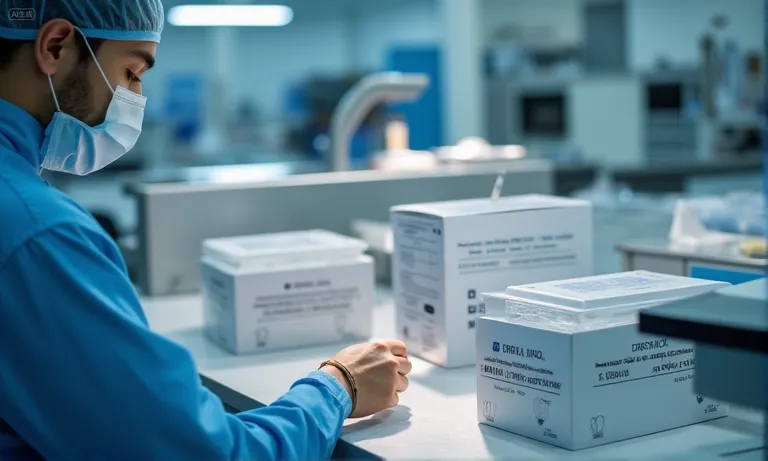
Turnaround time is one of the first things procurement managers look at when outsourcing digitally. Digital workflows can shorten production, but cross-border logistics, approvals, and case complexity still add variability. By understanding each stage of the timeline, buyers can plan more accurately and prevent schedule disruptions.
managing-digital-turnaround-time-overseas-dental-lab
| Case Type | Digital Production Time | International Shipping (Avg.) | Total Turnaround (Estimate) |
|---|---|---|---|
| Single crowns/bridges | 2–3 days | 3–5 days | 5–8 days |
| Full-arch zirconia | 4–6 days | 3–5 days | 7–11 days |
| Implant abutments | 3–5 days | 3–5 days | 6–10 days |
| Complex hybrids | 6–8 days | 4–6 days | 10–14 days |
These are averages; actual times vary by lab capacity and shipping routes.
Proactive planning transforms turnaround time from a risk into a predictable KPI. Overseas dental labs such as Raytops Dental Lab often share production calendars and shipping cutoffs with clients, enabling clinics to set patient appointments with greater confidence.
Outsourcing implant or crown cases overseas only works if both technical quality and legal protection are well defined. Even with the speed of digital workflows, the reliability of an overseas dental lab depends on how systematically it manages QA checkpoints, remake policies, compliance standards, and liability terms. Procurement teams should treat these as non-negotiable pillars when selecting a partner.

digital-quality-control-overseas-dental-lab
Reliable labs commit to remake or adjust cases at no cost if errors are within lab control. Service-level agreements (SLAs) often define remake windows, turnaround for adjustments, and shared shipping responsibilities. Buyers should confirm whether these clauses are written, not just verbal promises, as this protects against hidden costs in the event of repeat work.
| Certification | What It Covers | Why It Matters |
|---|---|---|
| ISO 13485 | Medical device quality management | Ensures controlled processes across design and production |
| CE Mark | EU device compliance | Required for restorations entering Europe |
| FDA Device Listing | US market compliance | Confirms lab products are legally cleared for US distribution |
These credentials provide assurance that materials and processes meet international standards, reducing regulatory risks during audits.
When working across borders, liability allocation must be explicit. Contracts should state who bears responsibility for remakes, defective products, and potential patient claims. Indemnification clauses protect clinics from downstream risks if a restoration fails due to lab error. Labs like Raytops Dental Lab usually formalize these agreements with overseas clients, combining technical reliability with contractual clarity.
Clear QA systems and legal safeguards transform outsourcing from a cost-driven gamble into a predictable, professional relationship.
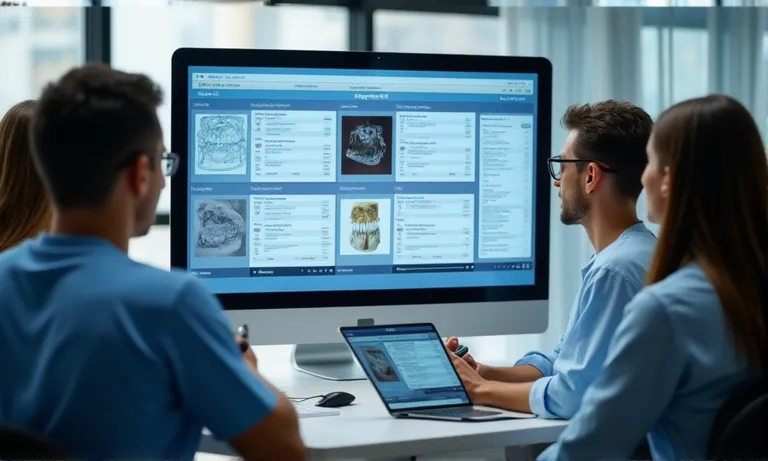
A digital outsourcing relationship becomes sustainable when both clinic and lab treat collaboration as an ongoing system, not a one-off transaction. Long-term reliability depends on structured review mechanisms, cultural alignment, team training, and careful partner selection. Procurement teams who establish these practices create more predictable outcomes and stronger partnerships.
long-term-collaboration-overseas-dental-lab
Cross-border teams may interpret tone and criticism differently. Clinics can reduce friction by providing feedback in specific, measurable terms (e.g., “margin fit gap measured 80 μm above tolerance”) rather than vague judgments. Overseas labs like Raytops Dental Lab often train project managers to bridge language and cultural gaps, making collaboration smoother.
Training raises internal consistency, which reduces rework and makes outsourcing more predictable.
| Selection Factor | Why It Matters | What to Look For |
|---|---|---|
| Digital ecosystem | Ensures seamless file exchange | Compatibility with 3Shape, exocad, Medit |
| Proven QA record | Lowers remake risk | Documented QC checkpoints and remake rate reports |
| Certifications | Demonstrates compliance | ISO 13485, CE, FDA device listing |
| Partnership maturity | Supports long-term scaling | Willingness to share KPIs and participate in QBRs |
Procurement teams that apply these criteria not only secure a capable partner but also reduce hidden risks of misalignment.
Sustained collaboration with an overseas dental lab requires structured routines, cultural awareness, and shared accountability. When both sides commit to continuous improvement, the relationship grows beyond price and speed into a dependable, long-term partnership.
Working digitally with an overseas dental lab is reliable when processes are structured, secure, and transparent. Beyond cost savings, long-term value comes from how well both sides align workflows, manage turnaround, and uphold quality.
The essentials include consistent file standards, protected data transfer, structured communication protocols, and enforceable quality controls. When procurement teams also confirm remake policies, certifications, and liability measures, outsourcing shifts from uncertain to predictable.
By partnering with an overseas dental lab such as Raytops Dental Lab, clinics gain a collaborator that invests in digital capability, accuracy, and accountability. The result is fewer delays, lower remake rates, and a stable foundation for scaling restorative and implant cases across borders.