Outsourcing dental restoration workflows across borders can bring both efficiency and complexity. For procurement professionals, the key to streamlining this process lies in establishing shared protocols, ensuring digital compatibility, and clarifying roles early on. Delays often stem from fragmented submissions, unclear case parameters, or communication gaps—issues that can be preemptively resolved with standardized workflows and proactive alignment.
When evaluating a dental lab partner’s workflow readiness, decision-makers should consider:
Structuring these workflows upfront not only reduces turnaround time and error rates—it lays the foundation for a scalable, long-term collaboration between overseas dental labs and clinical teams.
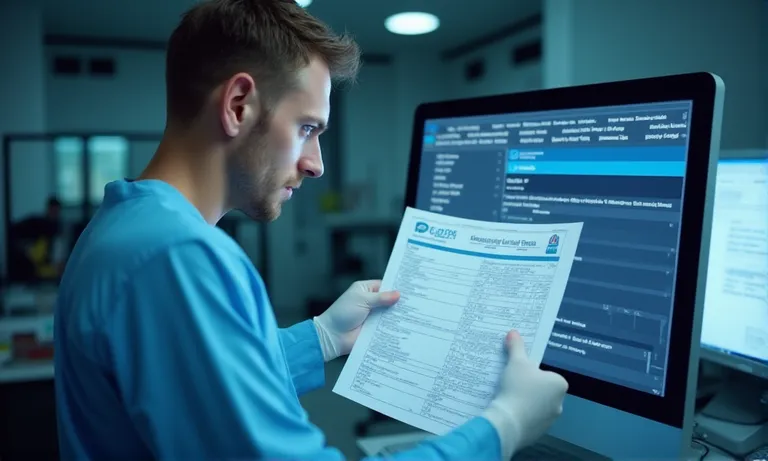
Workflow bottlenecks in dental lab collaborations often stem from vague submissions, design interpretation gaps, and missing documentation—issues that compound delays and inflate remake rates. Identifying these early allows dental clinics and DSOs to build more responsive, scalable outsourcing systems with their lab partners.
Dental-Lab-Case-Submission-Delay
Delays typically originate from incomplete intake forms, unclear margin data, or missing bite registrations—each disrupting lab prep cycles.
These early-stage missteps can derail even simple crown cases. According to our internal audit of 200+ crown submissions, 37% of delays stemmed from intake inconsistencies.
Misinterpretations between what clinicians envision and how labs read that design intent are a leading cause of revisions and remakes.
| Issue Type | Description | Result |
|---|---|---|
| Margin ambiguity | Blurred or unclear margin line in STL file or drawing | Requires lab-side follow-up or case rejection |
| Design notes mismatch | Clinician request vs. STL data (e.g., wrong prep type) | Intra-lab delays + remake likelihood |
| Vague shade or anatomy cues | Missing shape preference, lack of antagonist data | Visual assumptions = patient dissatisfaction |
To avoid these errors, we encourage clinics to use structured design communication tools such as visual design maps and digital order templates.
Documentation gaps are responsible for a high percentage of avoidable remakes, especially in multi-unit cases or implant-supported restorations.
Overseas dental labs rely on consistent documentation to reduce rework. Including photographic evidence and clear material selection is the fastest path to reducing back-and-forth.
✅ Workflow delays often start at intake level – TRUE
Clear intake forms, standard file formats, and restoration checklists reduce bottlenecks at the first stage of collaboration.
❌ Most lab delays are due to production inefficiencies – FALSE
Delays usually stem from upstream submission inconsistencies, not lab-side capacity or execution.
Digital compatibility directly accelerates turnaround and reduces human error by aligning clinical inputs with lab systems. When intraoral scans, STL files, and design preferences integrate seamlessly into the lab’s CAD/CAM workflow, rework and clarification loops drop dramatically—improving consistency across large-scale submissions.
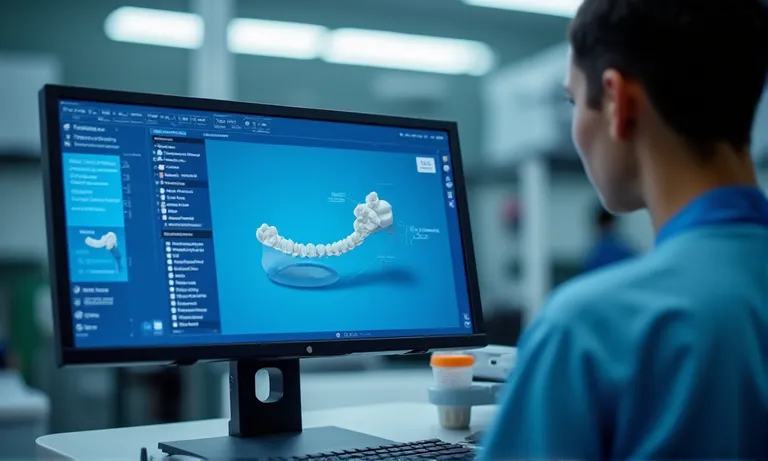
Digital-Workflow-Validation-Dental-Lab
When file formats and data flows are mismatched, labs spend time reformatting, rescaling, or seeking clarification—delaying output and increasing costs. Seamless compatibility enables direct import into CAD workflows.
See our STL workflow checklist to validate if your case files are structured for direct processing.
Digital feedback loops are essential to avoid midstream breakdowns. Labs that offer prompt, structured feedback on file quality prevent downstream surprises.
This allows the clinic to resolve scan issues within hours, not days, improving fit rate and reducing unnecessary communication delays.
Digital validation ensures that a case cannot proceed until all critical elements are confirmed, drastically reducing lab-side handling time and error risks.
Step-by-step validation process:
This kind of proactive digital gatekeeping is essential when managing volume or time-sensitive cases.
Key benefits of digital compatibility include:
By optimizing digital integration, labs become more predictable and scalable outsourcing partners.
Efficient communication with your dental lab partner starts with defining contact roles, standardizing intake documentation, and addressing time zone responsiveness. Without clear protocols, even routine crown cases may involve multiple unnecessary loops—slowing production and frustrating clinical teams.
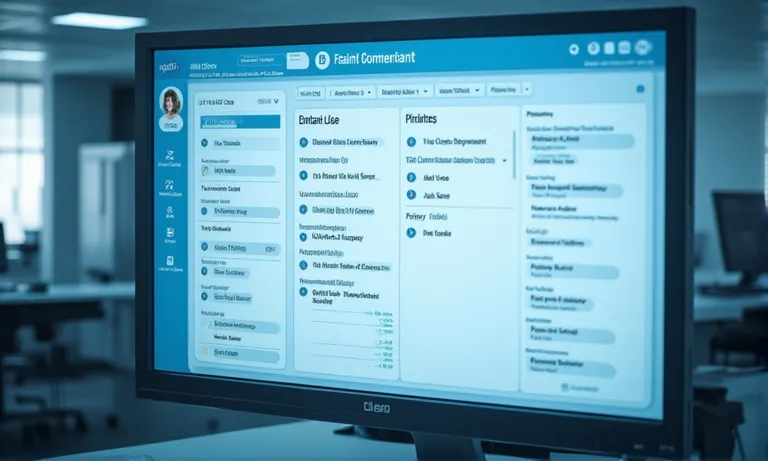
Dental-Lab-Communication-Dashboard
Defining a consistent point of contact (POC) at both ends prevents miscommunication, missed details, and role confusion.
In our experience, labs with structured internal routing complete crown cases 22% faster than those relying on general email inboxes.
Standardized documentation reduces ambiguity and enables lab teams to take immediate action without additional clarification.
Explore our case intake standardization kit for downloadable templates and visual aids.
When a case needs urgent adjustment, poor time zone handling can cause 12–24 hour delays. A proactive protocol minimizes this.
Suggested coordination steps:
Raytops implements “24h case bridge tracking”, enabling both clinic and lab staff to see revision flags and timestamps across time zones.
✅ Defined roles and SOPs reduce unnecessary back-and-forth – TRUE
Clear responsibility, escalation paths, and standardized inputs help both sides respond with minimal friction.
❌ Quick replies alone ensure smooth collaboration – FALSE
Speed is meaningless if responsibilities are unclear or submission content is inconsistent.
A streamlined case intake SOP should standardize required information, define material and turnaround options, and support diverse restoration workflows. A clear submission system helps avoid production delays and improves consistency across clinicians and cases.
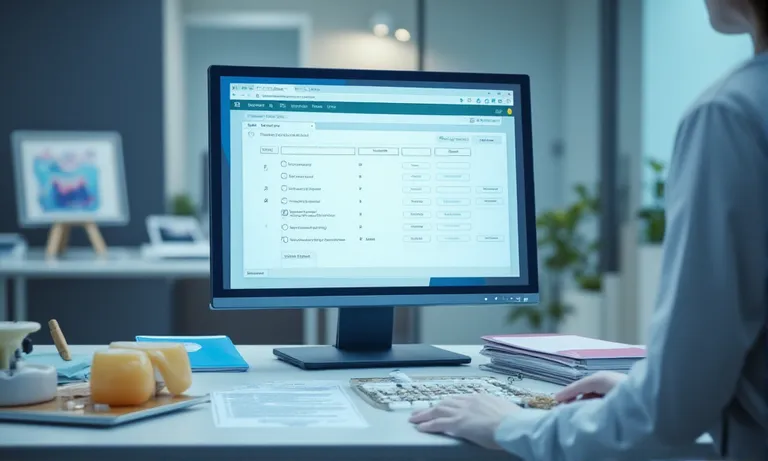
Dental-Case-Intake-SOP-Form
A shared, structured submission form eliminates back-and-forth by ensuring the lab receives complete, legible case data upfront.
Step-by-step intake system features:
A high-performing intake SOP allows clinicians to make informed decisions by visualizing all key variables at the point of submission.
This clarity at intake stage helps prevent misaligned expectations and reduces remake risk by 24%, based on a study by the Journal of Prosthodontics.
Labs that proactively support workflow differentiation across restoration types reduce client-side friction and lab-side errors.
Standardization is especially useful in DSO systems with rotating clinicians, ensuring procedural continuity and reduced onboarding variance.
Key benefits of a structured intake SOP include:
Continuous workflow improvement with a dental lab depends on structured error tracking, regular case review mechanisms, and shared visibility into performance metrics. Without these tools, clinics risk repeating preventable mistakes and missing insights that could drive efficiency gains.
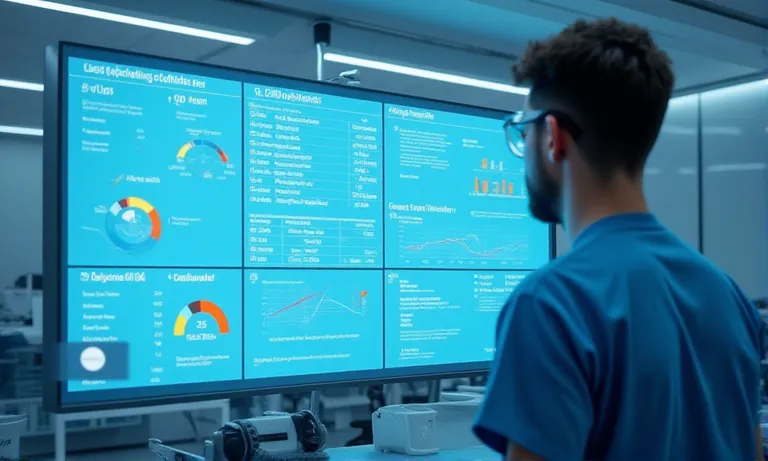
:Dental-Lab-Workflow-Improvement-Dashboard
Recording case issues in a categorized, traceable manner is the foundation of workflow refinement. Labs that rely on ad hoc emails or verbal notes miss opportunities to identify recurring problems.
Scheduled case reviews and visual performance dashboards help both clinics and labs reflect and improve collaboratively.
Suggested steps for monthly/quarterly review:
Even small-cycle reviews (10–15 cases/month) can yield significant ROI in long-term error reduction.
Transparency tools allow clinics to view lab-side metrics and drive vendor accountability.
Top-tier labs offer web-based portals with KPI views customized by client group, location, or time frame—empowering DSOs to scale confidently.
✅ Structured feedback and review cycles improve lab-client alignment – TRUE
These tools support long-term trust, reduced waste, and smoother scaling of outsourcing workflows.
❌ Rework trends can be fixed case by case without metrics – FALSE
Without structured review and categorization, clinics tend to repeat hidden process errors indefinitely.
Before partnering with a dental lab, clinics and procurement teams should assess whether the lab has documented, testable workflows and can transparently answer operational questions. This readiness check helps ensure alignment, reduce ramp-up friction, and prevent costly disruptions.

Dental-Lab-Workflow-Readiness-Evaluation
Well-prepared labs can explain their end-to-end process with diagrams, SOP manuals, or real-time dashboards—indicating operational maturity.
Labs unable to provide structured documentation may lack internal standardization—raising long-term risks for DSO partnerships.
A pilot run is the most effective way to validate operational fit before signing volume commitments.
Typical pilot program steps:
A well-managed pilot reveals not only technical skill but also coordination habits and communication responsiveness.
Key operational questions reveal whether the lab is process-driven or improvisational. These apply to all lab types—from small outfits to scaled export operations.
Pre-onboarding evaluations help clinics avoid:
To support growing DSOs and multi-site clinics, a dental lab must offer collaboration tools that centralize case management, provide real-time updates, and ensure efficient queue handling under increasing volume. Without scalable systems, even a technically skilled lab may become a bottleneck as networks grow.
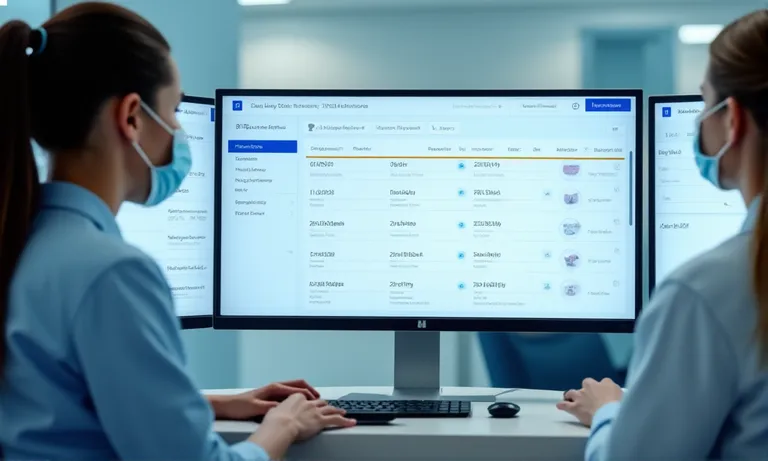
Dental-Lab-Multi-Clinic-Collaboration-System
Unified dashboards allow geographically distributed teams to track cases, share notes, and view turnaround progress in real time—without internal email chains or platform confusion.
According to Dental Group Practice magazine, DSOs with unified dashboards report 23% faster case coordination across locations.
Timely, automated updates eliminate guesswork and reduce the need for follow-up emails or calls—especially in fast-moving clinical environments.
Labs that offer app-based or email-integrated alerts enhance visibility while maintaining workflow continuity across departments.
As volume scales, queue management becomes critical to prevent production jams and delayed delivery windows. Labs must implement mechanisms to prioritize and organize incoming cases efficiently.
Queue management framework:
These systems allow labs to remain responsive and predictable—even during peak periods or when onboarding new clinic branches.
Scalable collaboration tools must offer:
To handle urgent dental cases effectively across global workflows, a lab must offer clear rush protocols, manage communication across time zones, and provide production flexibility—especially for time-sensitive restorations. Without this, urgent requests can derail timelines or compromise quality.
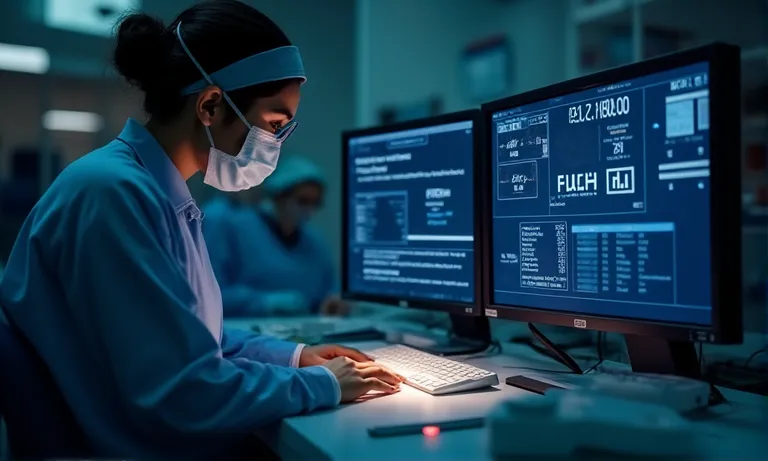
Dental-Lab-Rush-Case-Night-Shift
Labs must distinguish between routine and urgent workflows—and have predefined response paths to handle time-sensitive cases reliably.
Labs that lack structured rush lanes often resort to reactive juggling—resulting in higher error rates or delivery delays.
Global workflows demand a lab team that understands time-sensitive communication across client geographies.
A clear timezone strategy prevents “email ping-pong” delays and builds confidence in round-the-clock collaboration.
Some urgent restorations—like temp bridges for Monday surgeries—require production during off-hours. Labs that can extend shifts offer valuable agility.
Labs must balance responsiveness with sustainable workload. Clearly defined cutoff times and transparent rush surcharges maintain feasibility.
✅ Labs with rush protocols and timezone coverage improve urgent case handling – TRUE
This ensures reliability across time zones, reduces delays, and enhances service quality for time-sensitive restorations.
❌ All dental labs can handle urgent cases anytime if requested – FALSE
Without defined paths and capacity control, ad hoc rushes often fail or compromise case integrity.
Efficient outsourcing to an overseas dental lab depends on structured workflows, digital integration, and proactive communication. Labs that offer standardized intake processes, digital compatibility, and scalable collaboration tools enable smoother case handling and faster turnaround times.
By aligning on these workflow fundamentals, dental clinics and DSOs can reduce rework, improve delivery consistency, and build long-term, scalable partnerships with their lab.