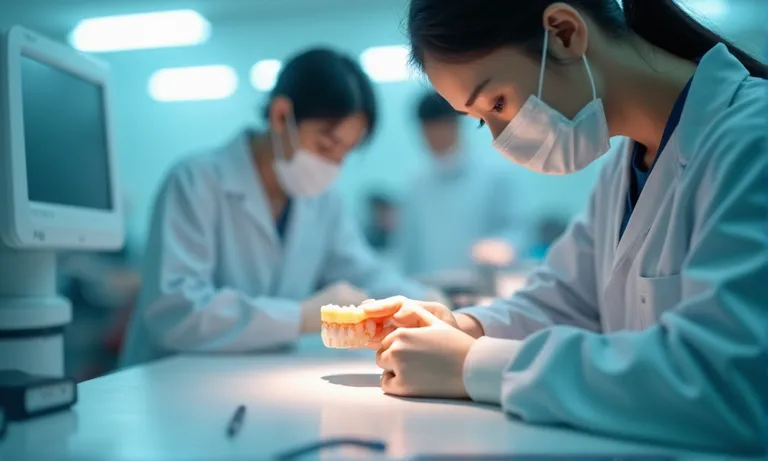
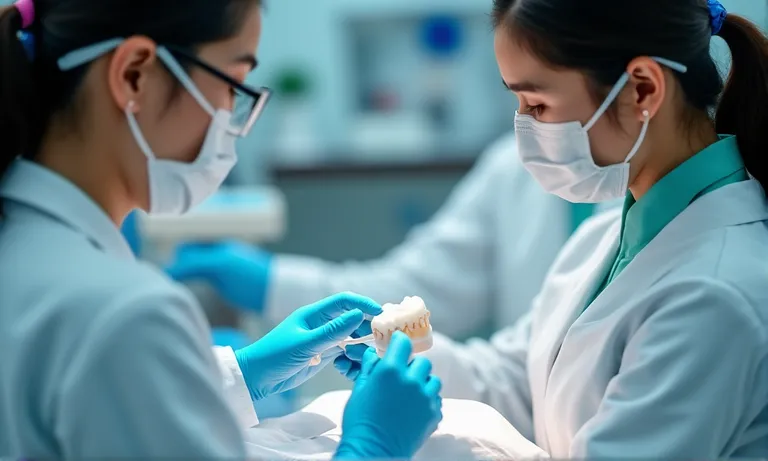
High remake rates in outsourced crown & bridge cases drain clinical time and strain lab relationships. When errors stem from unclear scans, vague prescriptions, or mismatched expectations, even skilled labs can’t deliver predictably. By improving submission clarity, technician reviews, and shared quality tracking, clinics and labs can reduce remakes and build a smoother workflow together.
Most common causes of remakes in outsourced crown & bridge cases:
Margin gaps, open contacts, or occlusal discrepancies
Incomplete or incorrect digital submissions (e.g., missing STL files or prep data)
Misalignment between clinic design intent and lab interpretation
These issues can compromise fit, function, and esthetics, increasing the likelihood of remakes.
What are the most common causes of remakes in outsourced crown & bridge cases?
Remakes often result from preventable issues—technical flaws, submission gaps, and misaligned expectations. Understanding these root causes is the first step to reducing remake rates and ensuring predictable outcomes in outsourced crown & bridge workflows.
Ambiguous connector style: strength vs. appearance trade-offs misread
Undocumented implant prosthetic plan: mismatch in retention type or emergence
Clinician expects copy of previous case: but no reference provided
Alignment starts with communication—not assumptions.
✅ Remakes are often caused by submission or expectation mismatches – TRUE Most remakes result from communication breakdowns, not just technical faults.
❌ All remakes are due to lab execution errors – FALSE Upstream data quality and unclear case intent contribute significantly to remake risk.
How can proper file submission and documentation reduce remake risks?
Well-prepared digital submissions significantly reduce remake risk by enabling the lab to interpret the case accurately and manufacture precisely. Clear STL data , complete prescriptions, and supporting visuals minimize guesswork and enhance consistency in crown & bridge restorations.
Complementary files provide clinical context that data alone can’t capture:
Intraoral photos: to confirm margin position and tissue color
Opposing model scans: ensure bite alignment
Bite registration or CR indicators: guide occlusal harmony
Annotated designs or drawings: mark problem zones or reference shapes
Historical case samples: replicate proven restorations
Together, these inputs improve lab decision-making and execution precision.
Proper submission isn’t about volume—it’s about clarity. Well-prepared cases reduce remake risk, turnaround time, and chairside adjustments. Download our STL submission and prescription checklist to ensure your next crown & bridge case starts with the right data.
What role does technician review play in preventing errors before production?
Technician review acts as a safeguard between file submission and case production. This internal QA checkpoint helps catch inconsistencies, unclear margins, or problematic occlusion before any crown or bridge is milled—reducing remakes and improving delivery reliability. Studies have shown that technician assessment of preparation quality significantly correlates with clinical fit outcomes, highlighting its value as a lab-level QA step.
Before any case moves into design or production, experienced technicians conduct a technical review:
Margin verification: Is it sharp, clean, and continuous?
Prep analysis: Are depths and angles suitable for chosen material?
Opposing model check: Is the occlusal relationship accurate and stable?
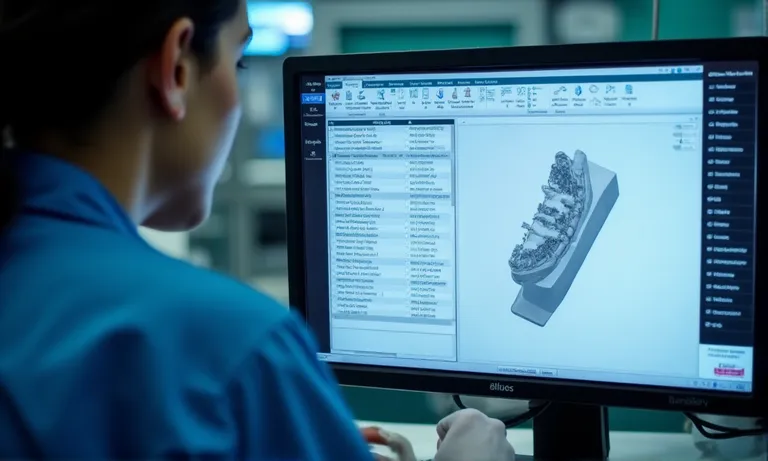
File integrity: Are scan files complete, labeled, and correctly oriented?
Prescription cross-check: Are all required details provided?
These steps allow early correction requests and avoid wasted production time.
Detecting clinical ambiguity or inconsistent bite records
Trained technicians can identify red flags often missed in scan uploads:
Floating contacts: bite doesn’t match opposing model
Implant case without platform data: missing scanbody info
Margin line suddenly vanishes: tissue interference or prep angle too steep
Shade tab visible but unreferenced: missing shade code
Contradictory instructions: material vs. prep depth mismatch
Technician insight helps interpret unclear inputs and flag before design begins.
Technician-clinic communication on complex bridge or implant cases
When data isn’t enough, proactive labs initiate clarification:
Direct message via email or portal: highlight specific questions
Annotated screenshots: show margin concerns or connector risks
Design mockups: suggest modifications before proceeding
Multi-case tracking: link back to previous outcomes to inform adjustments
Escalation to lab coordinator: when multiple input issues conflict
This two-way loop minimizes rework and builds trust.
Technician-led case screening isn’t an optional extra—it’s a structural defense against remakes. Their input bridges the gap between clinical intent and manufacturing logic, keeping cases accurate from the start.
How can labs and clinics build a data-based quality feedback loop?
A structured quality feedback loop allows both the clinic and the lab to reduce remake rates, detect recurring issues, and improve overall case outcomes. By tagging errors, tracking trends, and sharing notes across teams, quality assurance programs become a continuous process—not just a reactive fix.
Cross-case analysis: similar case types, same client, different results
Shared access with clinics: fosters trust and collaboration
Follow-up comments: technicians and clinicians log post-case feedback
It transforms each case from a one-off to part of a shared learning process.
✅ Feedback loops reduce remake risk over time – TRUE A structured data loop identifies patterns early and builds consistency into production.
❌ Remakes are isolated events that don’t require trend analysis – FALSE Ignoring remake trends can lead to persistent, undetected issues that affect quality and trust.
What remake accountability standards should a lab follow?
Clear remake accountability standards establish trust between clinics and labs by defining when a remake is accepted, who bears the cost, and how quickly the issue will be resolved. A transparent remake policy reduces friction and builds confidence in long-term collaboration.
Shared cost: when root cause is unclear or case was highly complex
Redelivery terms: whether lab covers remake + shipping, or remake only
Documentation protocol: remake requests should include evidence—photos, models, feedback notes
This clarity saves both parties time and negotiation.
Turnaround priority and escalation process for remake cases
Timely remake handling is as important as responsibility:
Initial review: lab reviews remake request within 1 business day
Evidence review: file comparison and photo validation
Remake approval or clarification request
Priority scheduling: remake case moves to urgent queue
Escalation path: if unresolved within agreed timeframe, contact designated coordinator or manager
Speed and ownership prevent frustration on both ends.
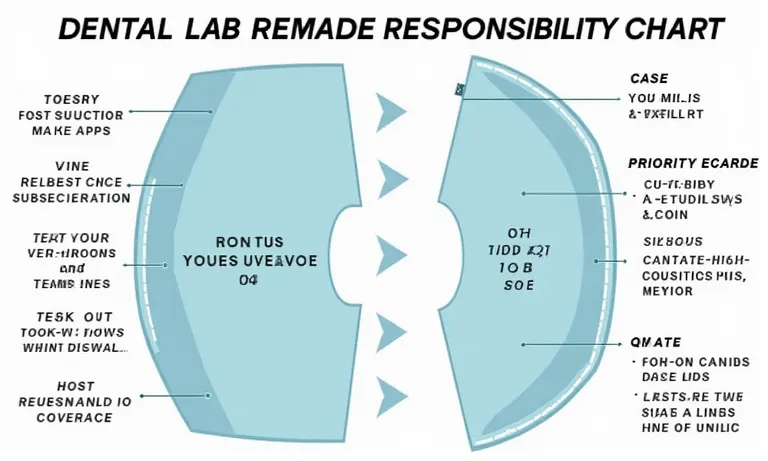
A mature remake policy is not just a repair protocol—it’s a trust mechanism. Download our lab-side vs. clinic-side remake responsibility checklist to align expectations and minimize avoidable conflict.
Conclusion
Reducing remake rates in outsourced crown & bridge workflows requires more than technical accuracy—it calls for aligned expectations, structured submissions, and a shared commitment to quality. At Raytops Dental Lab, we focus on helping clinics avoid preventable errors by embedding support mechanisms throughout the case lifecycle.
Predictable outcomes start with identifying the core causes of crown & bridge remakes such as margin flaws, data gaps, and mismatched design expectations.
Clinics benefit from a shared data-based quality feedback loop that tags remake causes, tracks trends, and fosters transparent, continuous improvement.
To reinforce these safeguards in your daily case flow, contact Raytops Dental Lab and explore how our remake prevention protocols support your clinic’s efficiency.