
Shipping crown and bridge cases internationally requires more than careful handling—it demands strategic packaging and precise labeling. Even small oversights can result in delays, damage, or case confusion that disrupt clinical schedules and erode trust.
Yet many clinics and DSOs underestimate how shipping impacts delivery accuracy, rework rates, and overall workflow integration. A missed label or unclear separation can create far-reaching operational friction.
To reduce these risks, global dental labs must align with client expectations across every touchpoint—from case segregation and barcode formats to customs documentation and clinic-specific intake systems. Packaging is no longer just physical protection; it’s part of the data and workflow pipeline.
This article outlines what dental procurement teams should examine when evaluating overseas lab partners:
By mastering these elements, clinics can ensure safer deliveries, smoother intake, and stronger long-term collaboration with overseas dental labs.
Proper packaging and labeling play a decisive role in ensuring the safety, traceability, and timely delivery of crown and bridge restorations during international shipping. Inconsistent labeling or inadequate packaging doesn’t just increase breakage risk—it jeopardizes clinical schedules and patient trust. Understanding the downstream impact of these oversights is critical before engaging any overseas dental lab.
Unprofessional packaging or unclear labeling can lead to case mix-ups, customs delays, product damage, and even lost cases. For overseas shipments, packaging isn’t just protection—it’s part of the communication system between clinic and labWhat risks are involved in overseas shipping for dental restorations?
International shipping exposes dental restorations to multiple stress points: vibration, compression, humidity, and customs handling. Even small fractures or internal dislodgement of a bridge unit during transit can render the entire case unusable. We’ve encountered situations where a clinic’s anterior 4-unit bridge was returned fractured due to a loose inner casing and insufficient padding.
In addition to physical risks, documentation errors (such as missing customs codes or illegible case IDs) can trigger delays of days or even weeks. Overseas clients have told us that even a single misidentified case can disrupt their clinic’s scheduling and undermine patient confidence.
Such issues often result in refabrication, patient dissatisfaction, and ultimately, added cost on both sides.
We’ve seen clinics penalized with import storage fees just because a shipment lacked proper invoice documentation.
By proactively addressing these avoidable issues, dental labs can help clients protect both clinical outcomes and logistic efficiency.
In our collaboration with clinics across the US and Europe, packaging and labeling has become a joint checkpoint in the onboarding process. A client once told us: “The first thing I check in a new lab trial isn’t the crown margin—it’s whether the box makes sense.”
You can refer to this overview of shipping hazards in dental logistics for more insight on real-world shipping challenges.
When labs treat packaging and labeling as an extension of client workflow—not a shipping afterthought—it becomes a trust driver. As an overseas dental lab, we treat every case box not just as cargo, but as a clinical commitment that must arrive intact and traceable.
Choosing the right packaging materials is not just about protection—it’s about ensuring precision dental work arrives safely, undamaged, and presentable. Overseas shipping adds layers of stress—impact, compression, temperature shifts—that demand tailored packaging at both inner and outer levels.
Unfit or generic packaging can lead to cracked units, distorted margins, and moisture damage that clinics may only notice after seating attempts. Dental labs must select packaging materials that can handle real-world shipping pressures and support the clinical value of what’s inside.
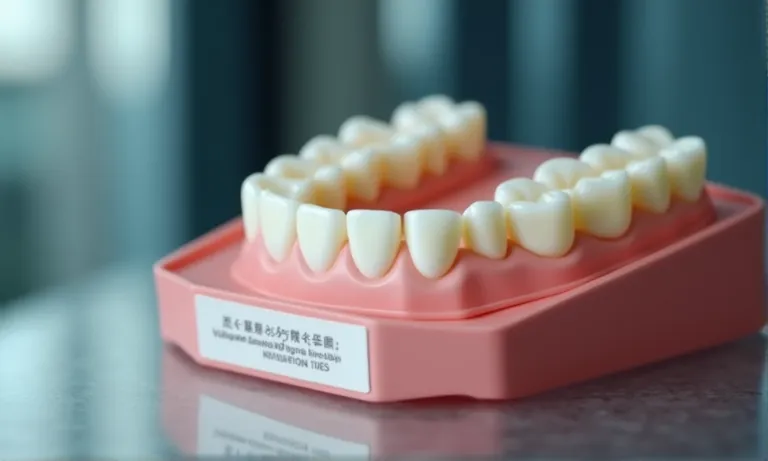
A client once told us, “What convinced me wasn’t the zirconia, but that your tray didn’t rattle when I shook the box.”
| Case Type | Inner Packaging | Outer Packaging |
|---|---|---|
| Single-unit crown | Small snap-on capsule tray with foam insert | Compact rigid box, no internal movement |
| Multi-unit bridge | Wide tray with segmented compartments, foam lining | Oversized moisture-proof box with layering |
| Full-arch | Customized immobilization base, sometimes 3D-printed | Reinforced crate-style box with warning labels |
Each layer serves a function: immobilization, moisture control, and impact resistance.
In many regions, yes—but only with proper design. Corrugated recycled boxes can match strength ratings of virgin fiber cartons if thickness and wall layering are optimized. Biodegradable air pillows and molded pulp trays are now accepted in most EU import hubs.
However, one critical rule remains: do not compromise rigidity or moisture control just for sustainability points. Overseas clinics still prioritize intact delivery over eco-packaging if both cannot be achieved.
In our recent EU trial partnership, a DSO requested plastic-free packaging. We co-developed a hybrid pack using starch-based fill and high-strength kraft outer wrap—earning approval for wider rollout.
For more details on medical device packaging standards, you can refer to ISO 11607-1 guidelines governing shipment safety.
When materials are selected not just for cost, but for compatibility with clinical use and logistic realities, they protect more than products—they protect trust. As an overseas dental lab, we work closely with clients to match packaging to restoration type, delivery time, and even local climate conditions.
For overseas dental shipments involving multiple cases, internal separation and labeling is not just a matter of organization—it’s a safeguard against costly clinical errors. When multiple crown or bridge cases arrive mixed, unlabeled, or improperly referenced, it becomes nearly impossible for the clinic team to assign restorations correctly.
Every case must arrive in a way that makes it unmistakably clear: what belongs to whom, and how it should be handled upon receipt.
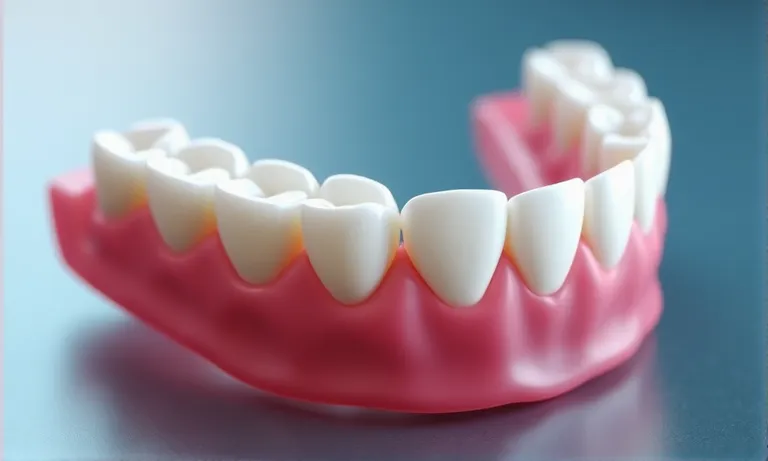
A DSO client in Florida once shared, “It’s not the number of cases that bothers us—it’s when we have to guess which crown goes where.”
Ideally, all three. Most dental labs now use systems that can cross-reference these IDs, and many clinics rely on barcode scanners for intake. Including:
These identifiers reduce communication back-and-forth and improve traceability in audit trails.
| Method | Description | Benefit |
|---|---|---|
| Individual hard trays | Each case stored in its own snap-shut plastic tray | Prevents physical damage or contact |
| Foam/paper separators | Between trays inside the shipping box | Adds vibration protection |
| Colored tray stickers | Color-coded trays by case or doctor | Easy clinic-side visual sorting |
| QR-code labeled zip bags | Each bag includes restoration + digital label | Seamless digital/physical tracking |
In one trial shipment for a UK-based clinic group, we introduced a color-coded tray plus barcode system. The client reported a 40% reduction in unpacking time and flagged zero identification issues over three months.
You can read this industry breakdown on case identification best practices for more applied ideas.
When each case arrives clearly labeled, cleanly separated, and traceable across both clinic and lab systems, it reflects a supplier’s respect for the workflow on the receiving end. As an overseas dental lab, we don’t just ship—we co-deliver clinical clarity.
External labeling and documentation are critical checkpoints in international dental logistics. Without compliant and legible labels, even a perfectly fabricated crown can be delayed or held in customs—costing both time and client confidence.
Overseas-bound cases must meet both logistics and regulatory standards, which vary slightly by region but follow a core framework.

Some DSO clients prefer “white-label” shipping with minimal lab branding—this can be coordinated upon request.
Customs forms are non-negotiable in cross-border shipping. For example:
Failure to include the proper HS code or under-declaring value often leads to shipment holds.
In one case, a client’s shipment to Canada was delayed for 7 days due to a missing lab signature on the invoice. We now use a standardized export template reviewed before every pickup.
We’ve supported clinics using Dentrix, EagleSoft, and Oryx by adjusting our shipping label output to match scan requirements.
A dental lab that treats documentation as part of delivery—not an afterthought—helps ensure smoother customs clearance and stronger clinic-side coordination. As an overseas manufacturing partner, our job is not just to fabricate—but to help the case arrive when it’s supposed to.
No two clinics process cases the same way—especially when managing multiple providers, branches, or intake protocols. For overseas dental labs, the ability to adapt labeling and packaging workflows to each clinic’s specific environment isn’t a value-add—it’s a baseline for long-term collaboration.
Customization reflects not just flexibility, but respect for how the client runs their day.

A cloud-based DSO in Australia struggled with intake delays caused by manual entry of patient data from incoming trays. Their workflow required QR-code scanning directly into their ERP system—but their previous lab didn’t support any digital labeling.
When we onboarded them, our team customized a labeling format that matched their platform’s field mapping (patient ID, case type, delivery batch). Within two weeks, their intake time dropped by more than a third. The change was simple—but for them, it was transformative.
This level of integration helps clinics maintain accuracy and scale logistics across locations without adding administrative overhead.
What works in one market may be unworkable in another. Labs that handle multi-regional clients must be willing to adjust formats, materials, and labeling conventions case by case.
These small pieces help procurement teams, front-desk staff, and inventory managers stay in sync—especially under pressure.
Some clinics sort by chairside provider, others by date or procedure type. We’ve worked with clients who requested labeled cartons by chair number so their technicians could hand off cases without opening them. For another group, we aligned our case sequence with their internal routing logic—no relabeling needed on their side.
When a dental lab aligns packaging with clinic behavior, it reduces daily friction. As a global dental lab, we see packaging not as a finish line—but as a handshake at the delivery point.
Once a crown or bridge leaves the lab, every mile it travels introduces potential disruption. Damage, delay, or loss during shipping not only affects a single case—it can ripple into clinical rescheduling, emergency reorders, and loss of trust.
Preventing these issues starts at the packaging table, not at the shipping counter. Labs must prepare each box with both mechanical reality and clinical urgency in mind.
Yes—especially for multi-day international routes. Clinics in humid or tropical regions often report swelling or discoloration on unprotected materials, while long-haul air shipments can expose packages to sharp temperature drops.
In one Southeast Asian delivery, a technician noticed light corrosion on a bridge due to exposure from an improperly sealed box. We now use waterproof wraps for any shipment transiting coastal customs zones.
Many shipment issues trace back to labeling placement or packaging shape. A small carton with a label wrapped over the edge can confuse scanners, and odd dimensions often get pulled for manual inspection.
Design practices that reduce these risks include:
Labs that treat each box as a self-contained data object—not just cargo—improve tracking continuity from factory to front desk.
Clients should always clarify this during onboarding:
You can consult this shipping insurance guide for dental devices for deeper insight into policy options.
When a lab builds its transportation logic around failure scenarios—not just best-case assumptions—it earns a different kind of trust. As a production partner, we see secure transit not as a logistic add-on, but part of delivering the clinical outcome.
A first trial shipment is more than a logistics test—it’s a window into whether the lab understands your clinical priorities, workflow pace, and operational standards. Clear expectations, objective checks, and timely feedback form the foundation for any long-term collaboration.
Labs and clinics that treat the trial as a structured evaluation—not just a formality—make better long-term decisions.

We’ve seen clinics create shared spreadsheets with labs to mark “yes/no/issues” on each of these points—simple, but effective.
Any of these signs should be noted, not overlooked—especially in a first shipment.
Open dialogue is key. Some clinics use annotated photos to show issues, while others prefer structured intake reviews. We’ve found the most productive feedback happens within 48 hours of receipt—when the shipment is fresh and traceable.
From our side, we log every issue reported during a trial period and assign follow-up actions: packaging changes, label updates, internal SOP revisions. The speed of this loop often determines how fast full-scale cooperation can begin.
| Review Item | What to Look For | Flag if… |
|---|---|---|
| Tray Label Accuracy | Clinic ID + Patient ID + Case ID | Any part missing or illegible |
| Case Separation | Physical dividers or separate trays | Multiple cases touching |
| External Labeling | Fragile + Restoration Type + Tracking Barcode | Partially covered or torn |
| Document Completeness | Packing list + Invoice + Customs form | Missing or inconsistent |
| Arrival Condition & Timing | Clean, dry, on expected date | Delay, damage, or seal breached |
When both sides treat the trial seriously—clear standards, real feedback, and fast response—the result is more than a safe delivery. It’s proof that the lab can deliver reliability, not just restorations. As a lab partner, we consider trial shipments not as tests of product, but as tests of alignment.
In international crown & bridge logistics, packaging and labeling are not just operational details—they’re trust signals. From protective materials to workflow-aligned labeling, every element influences delivery reliability and clinical readiness.
Well-executed packaging reflects not only manufacturing precision, but also a lab’s ability to collaborate across systems, regions, and expectations. As an overseas dental lab, we see every shipment as a shared responsibility—not just to deliver restorations, but to support outcomes.
For clinics evaluating new suppliers, how a lab packs its first box often speaks louder than any brochure.