
Miscommunication during crown and bridge logistics isn’t just frustrating—it can lead to case delays, costly remakes, and lost trust between your clinic and lab partner. As international dental lab cooperation becomes more common, so do the risks of unclear shipment instructions, missed updates, and delayed responses across time zones.
Improving logistics communication is no longer optional—it’s foundational to achieving accuracy, timeliness, and mutual accountability. In this guide, we outline the key focus areas for clinics and procurement teams working with overseas dental labs:
By aligning expectations and standardizing communication, you minimize preventable errors, increase operational transparency, and lay the foundation for long-term, trust-based collaboration.
Misaligned expectations, unclear shipment details, and inconsistent communication channels are the top reasons logistics break down between overseas dental labs and clinics. Many delays and case errors can be traced back not to technical skills—but to gaps in everyday coordination. Understanding these patterns can help clinics anticipate and avoid costly missteps.
dental-lab-logistics-communication-error
Crown and bridge cases are highly detail-sensitive. Yet, misalignments often start with basic assumptions:
Such issues compound with volume. One misnamed STL file can delay an entire batch by a day or more.
The downstream effects of poor logistics communication are often underestimated:
| Communication Gap | Impact on Delivery | Impact on Case Accuracy | Patient Risk |
|---|---|---|---|
| Missing shipment details | Delayed customs clearance | Missed deadlines | Rescheduling appointments |
| Incorrect case ID | Wrong prosthesis fabricated | High rework rates | Reduced trust in clinic |
| No tracking updates | Clinic uncertain of status | No proactive planning | Frustration over wait time |
In one case, a U.S.-based clinic had to remake two units because the lab received reversed upper/lower arch data. The issue wasn’t technical—it was traced to a zip file labeled ambiguously: “Case_0915_NEWfinal.zip.”
Logistics often slow down not from errors—but from silence.
A clinic once noted, “We thought they had ignored our message, but it was just 11:30 PM in their timezone.” With no shared response expectations, both sides grew frustrated.
Clear timezone mapping and agreed-upon response windows—like “all messages answered within 12 business hours”—can bridge this silent gap.
Consistent miscommunication doesn’t stem from a lack of effort. It stems from a lack of structure.
When both parties define expectations clearly—through naming rules, compatible formats, shared platforms, and timezone awareness—errors drop sharply. At Raytops, we’ve seen that even small habits like confirming case IDs during hand-off reduce weekly rework by up to 18%. Proactive alignment—not reactive apologies—builds long-term trust.
Clear case documentation, consistent ID labeling, and a shared logistics checklist are essential to prevent confusion and delays in international dental lab shipments. Misalignment before shipment often creates avoidable friction, even when lab work itself is accurate. Clear communication upfront saves time, money, and trust.

dental-lab-shipment-preparation-checklist
Before any shipment leaves the lab, the following information should always be aligned between clinic and lab:
We’ve encountered cases where clients forgot to update the patient ID in their case submission, and two cases with similar initials were swapped in transit—resulting in delays and duplicate shipments. Consistency across documents avoids these mix-ups.
A simple 4-step alignment workflow can prevent 80% of pre-shipping issues:
This process takes less than 3 minutes per shipment—but significantly increases first-pass accuracy.
Yes—checklists are the simplest tool with the biggest impact on shipment reliability.
| Without Checklist | With Checklist |
|---|---|
| High variability in info submitted | Consistent, complete forms |
| Frequent “Did you include…?” emails | All details verified before dispatch |
| Higher chances of missing components | Reduced risk of missing items |
| More disputes over what was sent | Aligned expectations |
We recommend using digital templates or Google Sheets shared in real time. In our lab, adopting a shared logistics checklist reduced “What’s in the box?” queries by 22% within the first month.
When clinics and labs synchronize their data before shipping, everything downstream runs smoother. Even small actions—like syncing on case ID formats—create clarity across borders. As an overseas dental lab, we’ve seen the impact of small standardizations: fewer remakes, faster turnarounds, and better mutual confidence.
Using integrated tracking tools, shared portals, and clear communication checkpoints ensures real-time visibility across borders when working with overseas dental labs. Clinics that rely solely on courier updates often miss critical context—especially when delays occur. A multi-layered tracking approach helps both sides stay aligned and accountable.

dental-lab-cross-border-shipment-tracking-dashboard
Tracking starts with logistics partners but shouldn’t stop there. Options include:
Relying on couriers alone creates blind spots. If a delay occurs, labs and clinics may both assume the other side is aware—only to discover it too late.
Here’s a comparison of common tools clinics use to stay updated:
| Portal Type | Example | Features | Limitations |
|---|---|---|---|
| Courier Portal | DHL ProView | Live transit data, ETA | No clinical linkage |
| Lab-Clinic Portal | 3Shape Communicate | Linked to STL, order status, case ID | Requires both sides’ integration |
| Custom Lab Dashboards | Raytops Web Portal | Shipment tracking + case context | Depends on lab’s digital setup |
We’ve seen that clinics using integrated portals report 43% fewer “where is my case” messages each month.
Timing matters as much as accuracy. A simple frequency rule can prevent confusion:
Clinics often cite frustration when a “delivered” status is shown, but no one on-site has received it. Timely check-ins avoid blame-shifting.
Yes—especially when labs and clinics are on different continents.
In some collaborations, we’ve seen third-party logistics (3PL) providers act as the communication bridge. These teams track shipments in real time, coordinate customs documentation, and proactively alert both sides if there’s an issue. While this adds cost, it often reduces last-minute surprises—particularly for DSOs managing dozens of cases weekly.
We’ve partnered with logistics coordinators in Canada and the UK who send nightly consolidated updates to our clients. For one clinic group, this shift reduced case ETA misalignment from 4.6/day to 0.8/day within one quarter.
Transparency creates accountability. By setting up layered tracking (courier + lab + shared portal), clinics gain peace of mind, and labs reduce guesswork. As an overseas dental lab, we’ve learned that shipment tracking is no longer optional—it’s a partnership baseline.
The best communication tools for overseas dental lab collaboration balance speed, structure, and traceability—often requiring more than one platform. Email alone is too slow. Chat apps lack structure. Portals are powerful but require mutual adoption. A hybrid approach, with clear rules, works best across borders.

dental-lab-multichannel-communication-dashboard
Each tool has strengths and risks:
Most successful cross-border partnerships use a primary + secondary system. For example, portal for documentation, chat app for time-sensitive updates.
| Tool | Pros | Cons | Best Use |
|---|---|---|---|
| Formal, timestamped, searchable | Slow for urgent issues | Order forms, confirmations | |
| Fast, human | Disorganized if overused | Shipment updates, quick Q&A | |
| Portal | Integrated, structured | Onboarding needed | STL uploads, status tracking |
| Phone | Immediate clarity | Timezone conflict, no record | Escalations only |
We’ve had clients rely solely on WhatsApp. When a key technician was out sick, no one else could locate prior notes—resulting in a case delay and remanufacture.
Timezone gaps create more frustration than technical issues. The key is setting shared response rules:
One Australian clinic created a timezone board listing their top five partner labs’ working hours. This simple tool helped their team send messages at better times—cutting average response lag by 40%.
Building a lightweight communication SOP is easier than it sounds. Here’s a four-step example:
Even informal agreements make a major difference. In one Raytops-supported clinic, these steps helped eliminate internal confusion about who should follow up with the lab—and when.
Choosing the right tools matters—but aligning how you use them matters even more. As a global dental lab partner, we’ve seen that structured communication is not about adding work—it’s about reducing avoidable chaos.
The key to managing shipping exceptions is fast, clear, and blame-free communication—supported by predefined escalation paths. Delays or missing cases aren’t always avoidable, but confusion and frustration can be. Clinics and labs that agree on a shared response rhythm resolve issues faster and protect long-term trust.
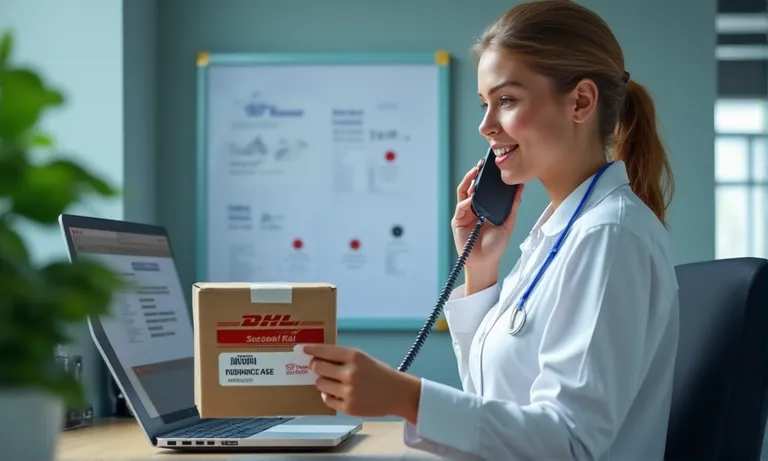
dental-lab-shipment-error-resolution-call
When a shipment is late, incomplete, or incorrect, both sides need clarity fast. Here’s what clinics should immediately provide:
From our experience, when clinics skip this structure and only say “It’s wrong,” it often takes 24+ hours to fully understand the issue. A checklist-style message solves this in minutes.
An effective escalation path helps small problems stay small. Here’s a typical 3-layered approach:
We’ve used this path for high-volume partners and saw issue resolution time cut by 63% over two months.
The most efficient partnerships treat errors as shared issues, not accusations. Clinics and labs can adopt three mindset principles:
One of our DSO clients said it best: “The most helpful labs aren’t perfect—but they respond before we even ask.”
As an overseas dental lab, we believe it’s not about avoiding every mistake—it’s about building a system that handles mistakes fast, fairly, and openly.
Establishing a shared logistics SOP (standard operating procedure) with your dental lab partner is the fastest path to fewer delays, better tracking, and smoother communication. A good workflow doesn’t rely on memory or goodwill—it’s designed, documented, and refined over time. Efficiency is a system, not a hope.

dental-lab-logistics-sop-review-whiteboard
A practical logistics SOP doesn’t need to be complex—but it must be complete. At a minimum, include:
In our experience, labs that help clients co-create this SOP build faster trust and reduce back-and-forth.
Scheduled reviews—monthly or quarterly—turn “accidental collaboration” into intentional partnership. Benefits include:
One of our clients in New Zealand sends a bi-weekly “case exceptions summary,” listing what went wrong (if anything) and why. This transparent loop helps both sides adjust and improve—together.
Tracking feedback doesn’t require fancy software. Here’s a simple before-and-after snapshot of what structured feedback can do:
| Before SOP | After SOP (8 weeks in) |
|---|---|
| Avg. response delay: 18h | Avg. response delay: 5h |
| Repeated case ID issues | Standardized labeling adopted |
| 3–5 remake discussions/month | Reduced to <1/month |
| No trend visibility | Monthly case trend summary shared |
At Raytops, we’ve supported clinics by co-developing SOPs based on real shipment data. One DSO partner reduced back-and-forth messages by 14% simply by agreeing to a shared checklist + weekly sync call.
Repeatability = scalability. When a clinic and lab build repeatable workflows together, they don’t just reduce errors—they increase margin for growth. As a global dental lab partner, we know that long-term logistics success isn’t built on promises, but on process.
Working with an overseas dental lab doesn’t need to feel uncertain. When communication is structured, expectations are shared, and logistics are standardized, cross-border cooperation becomes not only possible—but scalable. From aligning on case IDs to managing real-time tracking and handling delays with clarity, efficient collaboration is built on process, not luck.
As an overseas dental lab, we’ve seen that trust grows fastest when both sides operate within a transparent, repeatable framework. Whether you’re managing ten cases a week or a hundred, the right communication and workflow systems make the difference between friction and flow.