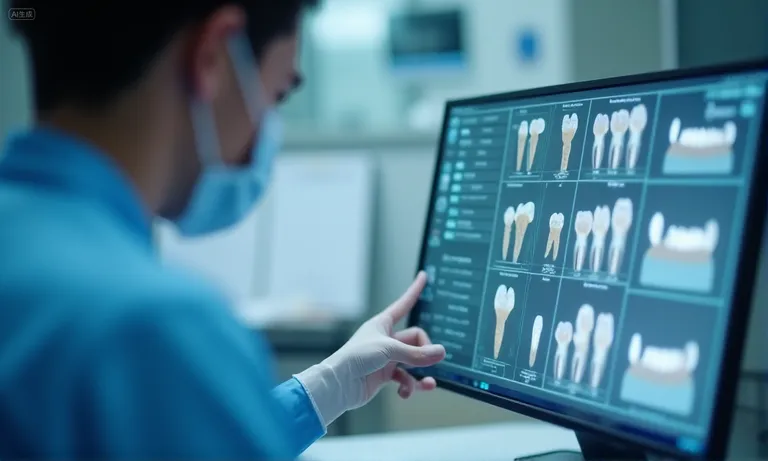
Finding a reliable dental implant lab for a long-term partnership requires more than price checks—it depends on consistent quality, technical capabilities, clear communication, and robust risk management. The right choice is not just a supplier, but a partner who can deliver predictable outcomes and stability for many years.
Procurement teams often face recurring challenges when evaluating implant labs:
The most effective approach is to apply structured qualification checks, run trial cases for performance validation, and confirm documentation workflows upfront. Over time, partnerships built on transparent pricing, stable turnaround, and responsive communication become strategic assets. With the right overseas dental lab, clinics and DSOs gain both clinical confidence and supply chain security, ensuring fewer remakes, predictable costs, and smoother collaboration across every case.
Reliability in a dental implant lab is measured by its ability to deliver consistent quality, comply with global standards, and maintain a proven track record in implant-specific work. For procurement leaders, these benchmarks reduce risk and form the foundation for long-term cooperation.
dental-lab-quality-reliability-check
A reliable lab consistently produces restorations that require minimal adjustments at chairside. Clinics track remake rates as a key performance indicator—labs with remake rates below 5% demonstrate robust processes. Reliability is not perfection, but predictability: when minor issues occur, a professional lab responds quickly and transparently.
Certifications show that a lab’s quality systems meet internationally recognized requirements. ISO 13485 focuses on medical device quality management, FDA registration ensures eligibility for the U.S. market, and CE marking demonstrates compliance for the EU. These credentials reduce legal risks for clinics and confirm that the lab’s workflows meet regulatory standards.
Beyond documents, reliability is demonstrated through history. Labs with many years of implant-specific experience are more likely to handle complex cases accurately. Referrals from peer clinics or distributors provide an extra layer of assurance. A global dental lab like Raytops dental lab often shares anonymized case references or testimonials, which give new partners tangible proof of long-term performance.
When clinics evaluate reliability through quality consistency, compliance credentials, and reputation, they create a first filter that separates stable partners from risky suppliers. This early clarity reduces hidden costs later and builds confidence that the lab can be trusted with complex implant cases.
Technical capability defines whether a dental implant lab can handle simple crown cases as well as complex full-arch restorations. Buyers need to evaluate digital compatibility, product range, material standards, and technician expertise to avoid surprises after cooperation begins.

dental-lab-technical-capability-assessment
Smooth digital integration is critical for efficiency.
A capable lab should support multiple indications, from single-unit crowns to complex full-arch restorations.
Material quality directly impacts patient safety and restoration longevity.
| Material Type | Key Benefits | Reliability Check |
|---|---|---|
| Zirconia | High strength, esthetics | Verify batch certificates, translucency grade |
| PFM (Porcelain Fused to Metal) | Proven durability, cost-effective | Check alloy origin and biocompatibility |
| Titanium & Custom Abutments | Precision fit, implant compatibility | Confirm machining accuracy |
| PMMA / Temporary | Short-term esthetics | Ensure non-toxic and biocompatible sources |
Labs should provide traceable certificates for each material batch. A global dental lab like Raytops dental lab routinely shares documentation to prove sourcing and compliance.
Behind digital tools and materials, skilled technicians make the difference. Evaluate whether technicians are trained in implant-specific workflows, understand occlusion dynamics, and hold certifications from recognized training programs. Labs that invest in technician development are more likely to deliver consistent outcomes across different implant systems.
By assessing digital compatibility, product range, materials, and technician expertise, clinics ensure that their chosen lab is not only equipped for today’s cases but also capable of handling complex and future demands.
Sustainability in a dental implant lab partnership depends on more than technical skill. Clinics and DSOs need predictability in pricing, communication, production stability, and dedicated support. These elements determine whether cooperation remains smooth when scaled over years rather than months.

dental-lab-long-term-partnership-meeting
Clarity in pricing removes hidden risks and improves planning.
| Pricing Element | Why It Matters | Reliability Check |
|---|---|---|
| Unit pricing | Baseline for budgeting | Confirm all-inclusive vs. add-ons |
| Rush case surcharge | Impacts urgent treatment costs | Compare against industry average |
| Shipping fees | Can erode cost savings | Verify by destination and case volume |
| Remake policies | Prevent financial surprises | Ensure conditions are transparent |
Labs that provide a transparent cost structure make it easier for clinics to forecast expenses and calculate ROI.
Reliable labs define how information flows.
A sustainable lab partner can scale with clinic growth. Capacity stability means having enough technicians, machines, and inventory to handle both regular volumes and seasonal peaks. Delivery turnaround consistency is equally critical—predictable 7–10 day cycles for standard implant work are a sign of maturity. A global dental lab like Raytops dental lab demonstrates this by maintaining backup teams to manage peak loads without extending lead times.
Long-term partnerships benefit from a named account manager or support team. This role helps resolve issues quickly, ensures feedback is acted upon, and provides continuity even if personnel change within the clinic. Dedicated support also strengthens trust, as clinics know they have a direct line to the lab for urgent cases or process adjustments.
When transparent pricing, efficient communication, stable capacity, and dedicated support are in place, an implant lab partnership becomes more than transactional. It evolves into a predictable, trusted collaboration that supports growth on both sides.
Outsourcing implant cases to overseas dental labs can deliver cost advantages and technical depth, but it also brings risks in quality assurance, logistics, and communication. Effective risk management reduces uncertainty and ensures clinics receive predictable outcomes.

Image
ALT: overseas-dental-lab-risk-management
Prompt: A highly realistic, ultra-detailed, professional-quality photo captured in a clean, well-lit environment. Materials must be photorealistic, and rendered with DSLR-level clarity. Lighting should be soft daylight or studio white light, avoiding cold or bluish clinical tones. A logistics coordinator and dental lab manager are reviewing shipping documents and quality control charts, with implant models blurred in the background.
A clear quality framework minimizes disruption.
| QA Element | Why It Matters | Best Practice |
|---|---|---|
| Incoming material checks | Prevents defects at source | Verify zirconia batch certificates |
| In-process inspection | Catches errors early | Random QC per production batch |
| Final inspection | Ensures consistency | Digital measurement reports |
| Remake policy | Reduces hidden costs | Transparent remake triggers and timelines |
Labs that publish their remake policies openly show confidence in their processes and provide clinics with financial predictability.
Cross-border cooperation adds extra layers of risk.
Errors often arise not from production but from misaligned documentation. Ensuring case submission forms, STL file naming conventions, and implant system details are standardized prevents avoidable delays. A global dental lab like Raytops dental lab routinely checks files upon receipt and immediately flags mismatches, which saves days compared with discovering problems late in production.
When issues do arise, the real test is how quickly they are resolved. Labs that have a structured feedback loop—acknowledgment within 24–48 hours, corrective action tracking, and post-resolution confirmation—help clinics recover faster. Transparency during troubleshooting builds confidence that problems are treated as exceptions, not patterns.
By implementing robust QA, anticipating logistics challenges, standardizing documentation, and maintaining a structured feedback system, clinics can minimize risks while still benefiting from the scale and expertise of overseas dental labs.
Before committing to a dental implant lab, procurement teams need a structured checklist that balances technical validation with practical workflow checks. This process ensures the chosen partner can meet both clinical and business expectations.

dental-lab-partnership-final-checklist
A side-by-side comparison helps decision-makers weigh trade-offs.
| Factor | Local Lab | Overseas Lab |
|---|---|---|
| Turnaround time | Faster but costlier | Slightly longer, more scalable |
| Cost per unit | Higher | Lower |
| Regulatory compliance | Easier to verify | Must confirm ISO/FDA/CE |
| Range of restorations | Varies | Often broader with OEM focus |
| Communication | Easier in-person | Digital tools bridge distance |
This framework highlights that while overseas labs bring cost and range advantages, due diligence in compliance and communication is essential.
Running trial implant cases before formal commitment is the most reliable way to confirm lab performance. Tracking remake rates, chairside adjustments, and delivery predictability reveals whether the lab can scale without compromising quality. A global dental lab like Raytops dental lab often uses trial runs as structured validation, with both sides agreeing on measurable benchmarks.
Smooth cooperation depends on standardized documentation.
Finalizing a partnership means aligning more than technical details. Both sides should agree on delivery timelines, remake policies, and escalation protocols for urgent cases. Transparent terms create stability and reduce disputes later.
By combining structured comparisons, pilot validations, clear documentation, and aligned expectations, procurement teams can finalize partnerships with confidence. This last step transforms evaluation into action, ensuring the selected lab delivers both reliability and value.
Securing a reliable dental implant lab for a long-term partnership depends on clear qualification, technical validation, and aligned expectations. When procurement teams compare suppliers, run structured trial cases, and confirm documentation and turnaround standards, they reduce the risk of remakes and hidden costs. Over time, the most sustainable partnerships are built on transparent pricing, stable capacity, and efficient communication. Working with an overseas dental lab that combines global certifications with proven experience allows clinics and DSOs to achieve both clinical confidence and business efficiency, turning supplier cooperation into a lasting strategic advantage.