
Evaluating the quality of a dental implant lab requires clear criteria that reflect both technical standards and collaborative reliability. The most trustworthy partners combine proven expertise, recognized certifications, and consistent craftsmanship to deliver implant restorations that meet international expectations.
By weighing these benchmarks, procurement teams can reduce risk, build trust, and identify overseas dental labs capable of delivering consistent implant quality. A structured evaluation process not only secures dependable supply chain value but also fosters long-term collaboration that strengthens clinical outcomes and business stability.
A dental lab’s experience and reputation often act as the first signals of reliability. Years in business demonstrate technical maturity and stability, while recognized certifications show compliance with international standards. Reviews and word-of-mouth further provide social proof that the lab consistently delivers quality implant restorations. Together, these factors help procurement teams separate credible partners from risky ones.
Dental-lab-experience-and-reputation
Longevity reflects more than survival; it shows a lab has adapted to changing materials, technologies, and client needs. A lab that has operated for 15+ years has likely built internal SOPs, managed complex implant cases, and retained skilled technicians. Clinics and DSOs can view years in business as evidence that the lab can sustain consistent production even during industry shifts.
Certifications validate that a lab follows rigorous quality and safety systems.
Client feedback offers an unfiltered view of collaboration. Verified reviews, case-based testimonials, or DSO references highlight how the lab performs under real-world conditions. For example, a distributor in Europe recently noted how a partner lab reduced remake rates by 20% after switching to CAD/CAM zirconia workflows. Such details show future clients what to expect in terms of accuracy, responsiveness, and after-sales support. Reading independent sources like Dental Economics lab reviews can help procurement teams validate these claims.
Building trust with a dental lab is not just about equipment or technology—it starts with credibility. Experience proves operational stability, certifications confirm compliance, and reviews reflect authentic partnerships. For overseas dental labs like Raytops, these reputation markers often make the difference between a one-off order and a long-term collaboration.
Assessing a dental lab’s craftsmanship and material quality is central to predicting the reliability of implant restorations. Work samples reveal the lab’s aesthetic and functional standards, material choice influences long-term biocompatibility, digital workflows improve precision, and robust quality control ensures consistent outcomes. Together, these factors determine whether a lab can meet the demands of both simple and complex implant cases.

Dental-lab-craftsmanship-and-materials
Seeing actual crowns, bridges, or implant-supported cases is the most direct way to judge craftsmanship. Samples display margin fit, shade accuracy, and occlusal morphology. For example, a clinic may compare zirconia crowns from two labs and notice subtle differences in translucency or contour sharpness. These visual cues indicate whether the lab can match the esthetic expectations of demanding patients.
Labs that offer multiple material choices empower clinicians to balance esthetics, durability, and cost effectively. A peer‑reviewed comparison highlighted that polished zirconia surfaces demonstrated greater bacterial inhibition than e.max, underscoring the importance of surface treatment in material performance — see this study on bacterial adhesion to zirconia vs e.max for more.
The materials used directly affect longevity and patient safety:
Digital workflows minimize variability by standardizing design and milling. CAD software ensures accurate margin definition, while CAM milling machines reduce manual errors. A U.S. DSO we collaborated with shifted from manual waxing to a 3Shape + Roland system and saw their average remake rate drop from 12% to under 5%. These workflows also improve turnaround by enabling same-day design approvals, a key advantage in time-sensitive implant cases.
Consistency comes from structured quality checks at multiple stages.
| QC Step | What It Checks | Why It Matters |
|---|---|---|
| Incoming material inspection | Verify zirconia or alloy batch certifications | Prevents hidden material defects |
| Digital design review | Margin, occlusion, and emergence profile accuracy | Reduces chairside adjustments |
| Milling & sintering checks | Dimensions, fit tolerance, sintering shrinkage | Maintains precision across cases |
| Final esthetic inspection | Shade, contour, polish finish | Ensures patient satisfaction |
Without these checkpoints, labs risk uneven outcomes, higher remake rates, and increased costs for clinics.
Evaluating craftsmanship and material quality is not about isolated features but the system behind them. From sample review to QC checks, each step shows whether the lab can deliver repeatable excellence. For clinics working with overseas dental labs, having transparent access to these processes builds confidence that every implant restoration meets both functional and esthetic expectations.
Smooth communication and reliable support practices reduce costly errors in implant cases. Responsive feedback helps prevent missteps, dedicated coordinators streamline collaboration, and file compatibility ensures digital workflows remain uninterrupted. Evaluating these elements shows whether a lab can act as a dependable partner across multiple cases.

Dental-lab-communication-support
Delays in answering case questions can lead to mismatched margins, incorrect shade choices, or late deliveries. Labs that reply within hours—not days—allow clinics to clarify details before production begins. A Canadian clinic once shared that when their lab introduced a same-day reply policy, remake rates on implant abutments dropped by 8%, saving both sides time and cost.
A single point of contact reduces confusion and improves accountability:
Digital implant workflows depend on seamless file exchange. Compatibility issues between CAD systems can cause delays or rework.
| File Type | Common Usage | Compatibility Concern |
|---|---|---|
| STL | Standard for intraoral scans | Widely accepted, but metadata can be lost |
| DCM | Proprietary to certain scanner brands | Requires conversion for lab software |
| PLY | Stores color and texture data | Not all CAM systems can process |
| 3Shape / Exocad project files | Rich design detail | Often lab-specific, limits cross-platform sharing |
Labs that support multiple formats, or provide conversion assistance, ensure that clinics and DSOs do not lose valuable data during transfers. For a practical reference, see how exocad WebView supports STL, OBJ, and PLY file formats to understand real-world compatibility in digital implant workflows.
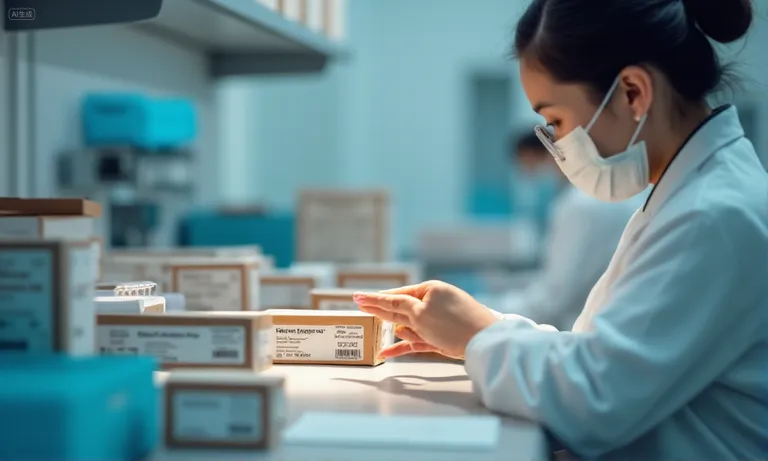
Turnaround time and delivery reliability define how dependable a dental lab really is. Standard lead times set expectations, the ability to handle urgent cases reveals flexibility, and strong logistics ensure that cases arrive on schedule. Clinics and DSOs can reduce operational risk by checking these factors before committing to a new lab partner.
Dental-lab-turnaround-and-delivery
Typical lead times vary depending on restoration type:
Even the best-run clinics encounter emergencies, such as fractured temporaries or last-minute implant loading. A reliable lab shows its flexibility by offering rush protocols—often 48–72 hours for single units. For example, one European distributor noted that its partner lab could slot in rush cases without delaying standard orders by leveraging a dedicated milling line. Evaluating whether a lab has this contingency capacity is critical for busy DSOs.
Consistent delivery depends on both internal processes and external carriers. A U.S. clinic group once shared how shipments were delayed when their lab relied on a single courier. After switching to a lab that partnered with multiple logistics providers, their on-time delivery rate rose above 95%. Tracking systems, customs documentation, and real-time updates reduce risk of loss or delay. For reference, FedEx healthcare logistics highlights how specialized solutions maintain chain of custody for sensitive medical shipments.
Turnaround and delivery define the customer experience as much as craftsmanship. A lab that can balance predictable lead times with reliable global logistics is positioned to support growth. For overseas dental labs, transparent scheduling and courier coordination reassure clinics that cases will arrive exactly when needed.
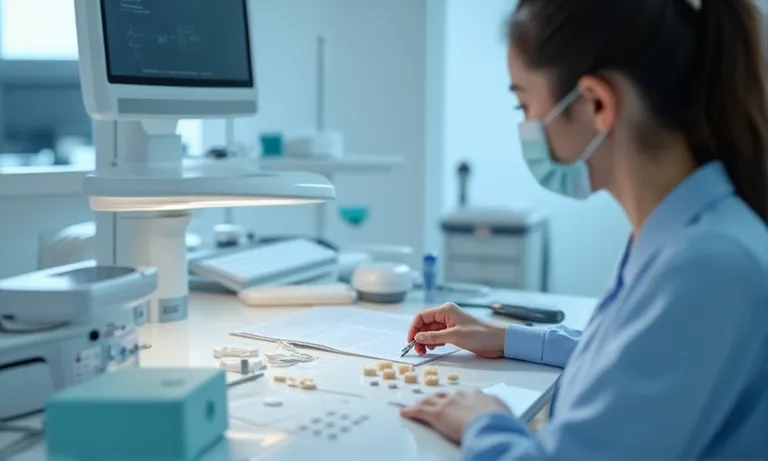
Customization and flexibility determine whether a dental lab can truly support complex implant needs. Unique cases often require adjustments beyond standard workflows, while offering multiple material options ensures clinicians can align treatment with patient-specific priorities. Evaluating these capabilities helps clinics and DSOs predict whether the lab can adapt when reality differs from the textbook.
Dental-lab-customization-flexibility
Not every implant case follows standard protocols. Full-arch restorations, angulated implants, or limited interocclusal space often require creative solutions. Labs with flexible workflows can adjust abutment angles, design screw-retained hybrids, or mill thinner prostheses without compromising strength. A DSO in Australia recently highlighted that its partner lab’s willingness to run a trial production before final milling reduced chairside adjustments by half. This kind of adaptability demonstrates that the lab prioritizes outcome reliability over strict adherence to rigid templates.
Flexibility also comes from material choice. Different patients present different needs:
Labs that provide a wide material portfolio give clinicians the confidence to select the best fit for each case. This reduces compromise and ensures patients get restorations suited to their long-term function and esthetic goals. For example, Ivoclar’s All-Ceramic Report examines material properties—such as strength and translucency—across lithium disilicate and zirconia systems, offering clinicians a scientific reference when comparing options.
Customization and flexibility are not “nice-to-have” features—they directly influence patient satisfaction and clinical efficiency. For global dental labs, demonstrating these capabilities signals that they can handle both the predictable and the exceptional with equal confidence.
Balancing cost with long-term value means looking beyond the cheapest price tag. Transparent pricing structures build trust, spotting hidden fees prevents margin erosion, and consistent value proves more sustainable than cost-cutting. Clinics and DSOs evaluating labs should focus on how costs translate into predictable outcomes and fewer remakes over time.

Dental-lab-cost-vs-value-analysis
Clear pricing avoids misunderstandings and sets realistic expectations. A trustworthy lab provides itemized quotes covering design, materials, shipping, and adjustments.
| Cost Element | Why It Matters | Example |
|---|---|---|
| Base restoration fee | Defines standard service scope | Crown or abutment price |
| Material surcharge | Explains premium charges | Zirconia vs. e.max |
| Shipping & customs | Anticipates international costs | Courier, import duty |
| Adjustment/remake policy | Clarifies coverage terms | Free within 30 days |
Labs that openly share pricing structures demonstrate financial transparency and commitment to long-term collaboration.
Unexpected charges—like rush surcharges, design modification fees, or customs delays—can erode profitability. One U.S. distributor shared how inconsistent shipping invoices added 12% to annual costs until they negotiated flat-rate logistics with a more transparent partner. Identifying and addressing these “silent costs” prevents strained margins. For guidance, the ADA offers a Contract Analysis Service to help practices review and negotiate laboratory agreements more effectively.
Low upfront prices may lead to higher remake rates or more chairside adjustments, which increase chair time and hidden labor costs. A clinic that spends extra hours adjusting every restoration ultimately loses more than it saves. Labs that deliver consistent accuracy and fewer remakes reduce hidden costs and improve overall ROI.
Balancing costs should always consider end-patient results:
Labs that demonstrate this alignment prove their fees translate into real value for patients and practices alike.
Cost is not only a financial measure—it is a reflection of quality, predictability, and trust. For overseas dental labs, proving cost transparency and value alignment reassures clients that each dollar invested delivers sustainable returns.
Evaluating a dental lab for implant restorations goes beyond checking prices or turnaround claims. Clinics and DSOs must weigh experience, craftsmanship, communication, logistics, customization, and long-term value together. Labs that combine transparent processes with proven reliability reduce remakes, shorten chairside time, and support predictable growth. For practices looking overseas, partnering with an overseas dental lab that demonstrates stability, digital integration, and clear cost structures ensures a collaboration built on trust. The result is not only consistent implant outcomes but also sustainable value for both clinicians and patients.