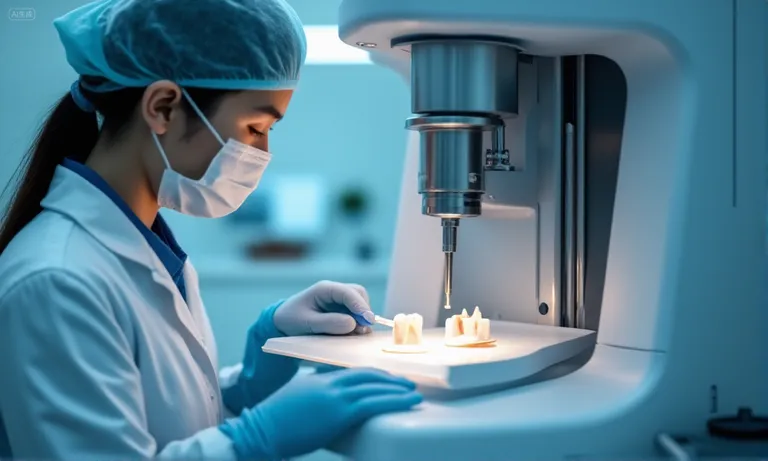
Evaluating the engineering and technical capabilities of an OEM dental lab is critical for ensuring precision, consistency, and long-term reliability in implant products. A lab with strong technical expertise and proven engineering processes can deliver restorations that meet both clinical and regulatory standards, while also supporting scalable growth for your practice or business.
Many dental practices and implant companies face challenges when working with labs that lack advanced digital workflows, produce inconsistent restorations, rely on substandard materials, or fail to meet compliance requirements. These gaps not only increase risks but also undermine clinical trust and efficiency.
By assessing craftsmanship (samples, finishing, durability), engineering competencies (CAD/CAM, 3D printing, material science), quality assurance standards (ISO 13485, FDA, CE, warranties), team expertise, and transparent pricing, you can identify labs that are truly OEM-capable. The result is minimized clinical risks, predictable quality and turnaround, and a foundation for sustainable partnerships that support complex implant cases. Choosing the right lab goes beyond finding a supplier—it’s about securing a technically capable collaborator who can align with digital workflows, uphold the highest quality standards, and strengthen your professional reputation for delivering reliable implant solutions.
Engineering and technical capabilities are not just internal strengths—they directly determine whether an OEM dental lab can consistently deliver safe, precise, and scalable implant products. A reliable lab shows this through craftsmanship, robust engineering systems, and the ability to reduce risks in long-term collaboration.
Dental-Lab-Engineering-Precision
Craftsmanship translates digital designs into restorations that fit seamlessly. Even a 50-micron margin discrepancy can create complications at chairside. High-precision labs use calibrated milling, strict finishing protocols, and esthetic layering techniques to ensure restorations meet both functional and esthetic standards. For procurement managers, visible craftsmanship in samples signals how predictable clinical outcomes will be when scaled.
Engineering capacity underpins a lab’s ability to manage large orders without quality loss. Strong labs integrate engineering teams who can validate designs, adjust CAD parameters, and oversee workflows that meet ISO or FDA expectations. For example, Raytops Dental Lab collaborated with a U.S. distributor to scale production from pilot abutments to batch runs while maintaining FDA 510(k) compliance. This demonstrated how engineering oversight connects scalability with regulatory assurance.
Weak technical systems often reveal themselves through inconsistent fit, higher rework rates, and delayed deliveries. A European clinic once shared that their previous supplier lacked proper CAD/CAM calibration, leading to frequent margin gaps and patient dissatisfaction. Such breakdowns do more than waste resources—they undermine the clinic’s reputation and force costly supplier changes. Identifying these risks early prevents business disruptions and safeguards implant reliability.
Strong engineering and technical capabilities therefore act as the backbone of OEM partnerships. They ensure not only consistent implant performance but also secure business continuity, making the lab a dependable long-term collaborator.
Craftsmanship is the most visible evidence of whether an OEM dental lab can meet international quality expectations. Beyond machinery and software, the finishing detail, esthetics, and durability of restorations provide direct proof of the lab’s capability. Procurement teams can gain confidence by carefully reviewing samples and evaluating how consistently the lab delivers quality across cases.
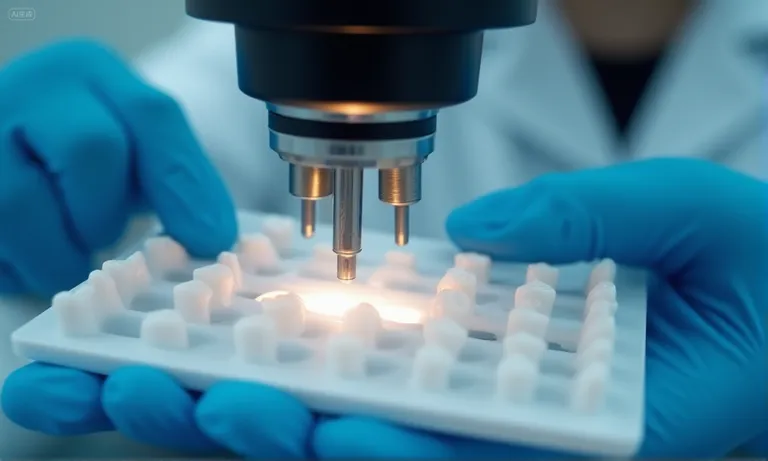
Dental-Lab-Craftsmanship-Sample-Check
Sample review remains one of the most effective ways to assess a lab’s quality. Buyers should look for:
Labs that provide samples willingly, like Raytops Dental Lab does during OEM onboarding, demonstrate transparency and confidence in their craftsmanship.
Quality in implant restorations is judged not just by mechanical fit but also by how restorations appear and perform over time. Durable zirconia or e.max restorations with natural translucency reassure clinicians that esthetics will not compromise longevity. Polishing techniques and uniform surface finishes further prevent plaque accumulation and enhance wear resistance. For procurement managers, visible durability and esthetic quality signal whether the lab’s products will meet both functional and patient-facing demands.
Quality control (QC) at the finishing stage is a critical indicator of consistency. A reliable OEM lab typically applies a structured workflow:
This process confirms that each unit leaving the lab meets agreed quality benchmarks and looks professional when presented to clinicians or patients.
Assessing craftsmanship through samples, esthetics, and QC processes offers buyers a tangible way to judge reliability. Unlike certificates or promises, these details provide visible proof of the lab’s technical standard and readiness for OEM collaboration.
Core engineering competencies form the backbone of a lab’s OEM readiness. Without advanced digital workflows, modern manufacturing capabilities, and informed material selection, even the best marketing claims fall short. Buyers evaluating OEM labs should focus on three technical areas that directly determine scalability, precision, and long-term reliability.

Dental-Lab-CADCAM-3D-Printing
CAD/CAM integration ensures that implant designs flow seamlessly from digital planning into production. Advanced labs connect design platforms such as 3Shape CAD software directly with milling machines and 3D printers, reducing manual transfer errors. When digital workflows are validated by engineering teams, accuracy improves, rework decreases, and turnaround becomes predictable. Labs like Raytops Dental Lab highlight their OEM readiness by maintaining traceable CAD files that link directly to QA systems.
Modern OEM labs invest in manufacturing equipment that balances speed, precision, and scalability. Key elements include:
These systems allow labs to handle pilot cases and high-volume orders with equal precision, minimizing variability and ensuring predictable delivery timelines.
OEM readiness also depends on the ability to recommend and process appropriate materials. A reliable lab typically demonstrates:
| Material | Strengths | Typical Applications | OEM Relevance |
|---|---|---|---|
| Zirconia | High strength, esthetics | Crowns, bridges, abutments | Durable and esthetic OEM option |
| e.max (lithium disilicate) | Translucency, balance of esthetics and strength | Anterior restorations | Offers natural appearance in OEM products |
| Titanium | Biocompatibility, stability | Implant abutments | Standard OEM material for long-term safety |
| Hybrid materials | Flexibility, shock absorption | Full-arch solutions | Expands OEM lab portfolio and adaptability |
Labs that show material certificates and guide buyers through selection not only demonstrate competence but also reinforce patient safety and international compliance.
Engineering competencies define whether an OEM lab is truly ready to serve global markets. When CAD/CAM workflows, advanced manufacturing, and material expertise align, buyers gain a partner who can deliver both innovation and consistency at scale.
Strong engineering is only credible when it is backed by documented quality assurance (QA) and compliance systems. Certifications, structured inspection protocols, and clear warranty policies provide external proof that a dental lab’s engineering processes are reliable and accountable. Buyers evaluating OEM labs should examine how these standards are implemented on a daily basis.

Dental-Lab-QA-Compliance-Certificates
Industry-recognized certifications validate a lab’s compliance with international medical device standards.
| Certification | Region / Scope | What It Confirms |
|---|---|---|
| ISO 13485 | Global | Lab operates under a certified medical device quality system |
| FDA 510(k) | U.S. | Products are cleared for entry into the American market |
| CE Marking | European Union | Products meet EU safety, biocompatibility, and quality standards |
Labs that maintain these certifications—and provide documents transparently—demonstrate that their engineering practices are aligned with international regulatory requirements.
QA systems must go beyond certificates. A reliable OEM lab usually applies a structured inspection process:
This layered system ensures that engineering precision is not left to chance but is verified at every production step.
Strong labs back their engineering quality with clear warranty or replacement policies. For example, Raytops Dental Lab offers written guarantees for certain OEM implant components, reinforcing accountability if performance issues arise. These policies show buyers that the lab is confident in its engineering standards and willing to assume responsibility when problems occur—a vital safeguard in long-term OEM relationships.
Engineering without QA is fragile. Certifications, structured inspections, and enforceable warranties turn technical capability into measurable, trustworthy performance for global OEM partnerships.
Even the most advanced equipment requires skilled people behind it. A dental lab’s ability to provide responsive technical support and demonstrate team expertise often determines whether OEM collaboration runs smoothly or faces constant delays. Buyers should assess support responsiveness, team competencies, and communication practices to gauge if the lab can act as a true engineering partner.
Dental-Lab-Technical-Support-Team
Support speed is a major indicator of reliability. Buyers should look for labs that:
Labs that proactively solve problems demonstrate that they view OEM relationships as long-term partnerships, not transactional jobs.
Beyond response time, the expertise of the team defines whether they can handle complex demands. A capable OEM lab typically employs staff trained in CAD/CAM, 3D printing, and material science. For example, Raytops Dental Lab’s engineering team frequently supports partners by adjusting CAD parameters for better margin fit or advising on material choices for high-load implant cases. These contributions ensure that restorations are not only manufactured but also engineered for success.
Collaboration depends on communication protocols as much as technical skills. A structured approach often includes:
This ensures that both parties can anticipate challenges, address them quickly, and maintain project momentum without costly interruptions.
Technical support and expertise transform a supplier into a collaborator. When a dental lab combines fast response, deep skillsets, and structured communication, buyers gain confidence that the OEM partnership will remain efficient, adaptive, and sustainable.
Even when a lab demonstrates strong technical capabilities on paper, external proof is essential to confirm reliability. Peer feedback, documented case results, and direct facility inspections help buyers verify whether the lab truly performs at the level it claims. These proof points minimize risk and provide confidence that the OEM partnership can scale safely.

Dental-Lab-Reputation-References
Client feedback is one of the most reliable filters for buyers. Useful reputation checks include:
These sources reveal not only technical quality but also whether the lab can maintain dependable service over time.
Reliable OEM labs document their work through published case studies and technical reports. For example, Raytops Dental Lab frequently shares case examples where advanced CAD/CAM workflows and zirconia restorations reduced remakes by more than 20%. Such data-backed proof demonstrates both engineering depth and a track record of solving common OEM challenges. Buyers should request these documents as part of their evaluation.
Direct visits remain the strongest form of proof. A structured audit typically includes:
Seeing how protocols are applied in real time provides tangible confirmation that the lab’s reputation is backed by operational reality.
Reputation without proof is marketing; proof without reputation lacks credibility. When testimonials, case studies, and on-site audits align, buyers gain full confidence in choosing the right OEM partner.
Beyond engineering and compliance, the sustainability of an OEM partnership depends on cost predictability. Transparent pricing models and clear policies allow buyers to budget accurately, while hidden charges erode trust and limit scalability. Evaluating how a dental lab structures its pricing provides a direct window into its professionalism and long-term reliability.
Dental-Lab-Pricing-Transparency
Transparent pricing gives procurement managers confidence that project costs will remain under control. Buyers should expect:
This clarity makes it easier for dental businesses to forecast budgets and align product costs with clinical pricing models.
Unclear or inconsistent charges—such as unexpected shipping fees, remakes billed at full price, or surcharges for urgent cases—create distrust. Over time, these hidden costs prevent OEM relationships from scaling because procurement teams cannot reliably predict total cost of ownership. For example, one clinic switched suppliers after repeated “rush fees” doubled their monthly lab budget. Such practices reveal a lack of professionalism and weaken long-term trust.
Transparent labs demonstrate professionalism through structured quoting and billing processes:
For instance, Raytops Dental Lab provides OEM clients with written cost structures and annual review cycles, ensuring both predictability and adaptability. These practices show buyers that the lab operates with integrity and treats financial transparency as part of quality management.
Pricing transparency is not only about numbers—it is about trust. A lab that communicates openly about costs builds stronger partnerships, supports scalability, and reinforces its role as a dependable OEM collaborator.
Selecting the right OEM dental lab partner requires more than checking equipment lists—it demands proof of engineering strength, rigorous compliance, reliable communication, transparent pricing, and a track record validated by peers. By applying these criteria, dental businesses can secure safe, consistent, and scalable implant solutions. Partnering with an overseas dental lab like Raytops Dental Lab ensures access to advanced workflows, certified quality, and responsive support. The result is a trusted collaboration that not only safeguards implant performance but also reinforces your clinic’s reputation and long-term growth.