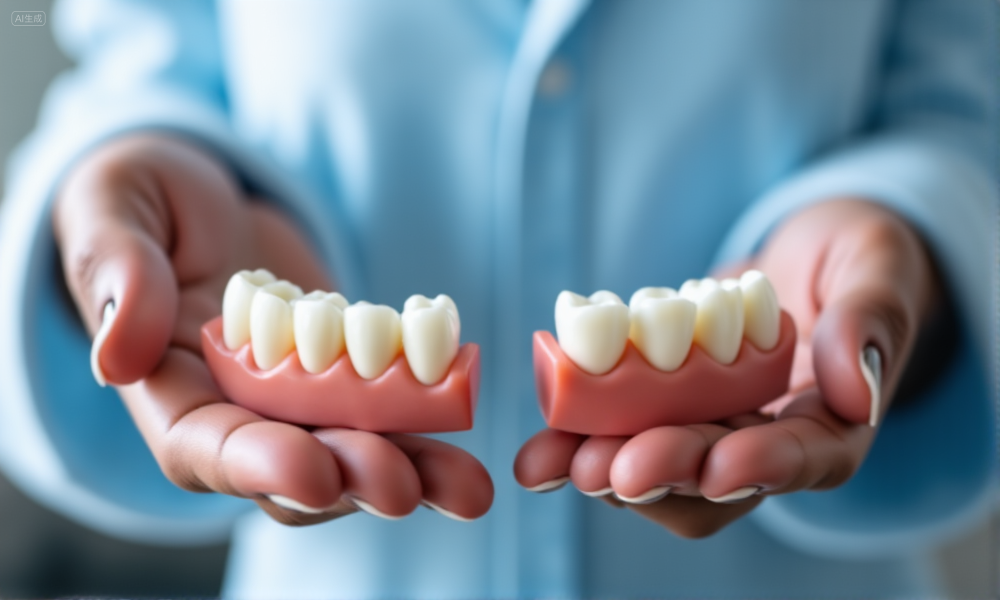
In dental implant restorations, maintaining consistent quality and minimizing remakes are critical for cost control, operational efficiency, and building lasting trust between clinics, procurement teams, and lab partners. From a procurement standpoint, success hinges on defining measurable standards, preventing common production errors, and working in sync with a capable, well-documented supplier.
Key evaluation factors
Strategies to reduce remakes
Embedding these practices into supplier relationships enables procurement teams to secure dependable quality, faster turnaround times, and fewer remakes—strengthening every link in the dental implant restoration supply chain.
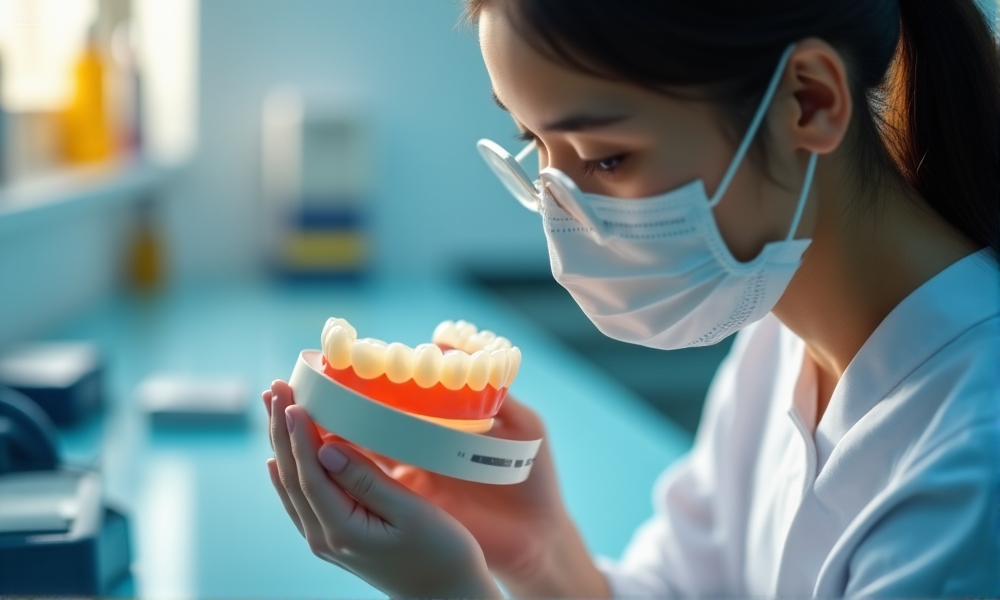
A high-quality dental implant restoration should meet measurable standards for fit, function, and longevity. For procurement teams, three core indicators stand out: accurate seating and occlusion, material performance, and clear visual evidence from sample cases. Focusing on these benchmarks helps identify reliable manufacturing partners and avoid costly remakes.
dental-lab-inspection-implant-restoration-fit
Precise fit is critical to prevent mechanical stress and biological complications.
Material choice determines not only the restoration’s strength but also its interaction with surrounding tissues. Zirconia offers high fracture resistance and minimal wear on opposing dentition, while titanium abutments ensure stable integration with implants. Choosing ISO-certified materials with proven biocompatibility reduces the risk of allergic reactions and long-term failures. These considerations are central to procurement evaluations and should be part of any supplier’s documented specifications.
Reviewing actual work samples—ideally from similar case types—provides tangible proof of a lab’s capabilities. Procurement teams can reference resources like implant prosthetics quality guidelines to standardize evaluations.
A supplier capable of consistently delivering precise fit, proven material performance, and visually verifiable quality positions themselves as a dependable partner. These indicators form the baseline for reducing remakes and ensuring long-term satisfaction in implant restoration projects.
While reducing remakes is vital, it’s only one factor in selecting the right lab. For a complete framework that also covers technical capabilities, certifications, and long-term partnership considerations, read our main guide: What to Consider When Choosing a Dental Implant Lab Partner.
High remake rates in implant restorations are rarely the result of a single mistake—they usually arise from a combination of errors in data capture, incomplete documentation, and inconsistencies during production. Recognizing these root causes allows procurement teams and lab partners to address issues before they become costly.

dental-lab-remake-analysis-comparison
A regional dental group we worked with once faced repeat remakes because case files lacked essential parameters like implant platform size and opposing dentition photographs. Once we standardized their submission forms to include implant system, occlusal scheme, and high-resolution soft tissue images, remake frequency dropped significantly.
Even with perfect inputs, production quality can falter if materials or equipment aren’t controlled. Variations in zirconia sintering temperatures can cause shrinkage, while resin patterns cured under inconsistent conditions may distort. Reliable suppliers track material batches, calibrate equipment regularly, and document every critical step to ensure repeatable quality.
A systematic review on dental prosthesis remakes found that more than 60% of remakes originate from preventable data or documentation errors. By addressing these factors jointly with the lab, dental teams can reduce waste, improve turnaround, and protect patient satisfaction.
Lowering remake rates is most effective when both the clinic and the lab treat quality as a shared responsibility. Clear expectations, structured communication, and small-scale testing before bulk orders can prevent most issues that lead to rework.
overseas-dental-lab-collaboration-qc-meeting
One multi-location clinic we work with reduced remakes dramatically after appointing a single liaison between their practices and our lab. This QC contact pre-reviewed all incoming scans, flagged missing details, and coordinated real-time adjustments with our production team. By centralizing case communication, they cut remake rates by two-thirds in less than four months, while also improving turnaround times for complex implant cases.
When dental teams and labs collaborate on specifications, assign accountable QC roles, and validate workflows before committing to volume, the result is fewer remakes and more predictable quality. As an overseas dental lab partner, we see these practices build trust and strengthen long-term supply relationships.
Quality standards and certifications act as a shared language between dental labs and procurement teams, ensuring every restoration meets defined benchmarks for safety, precision, and durability. By choosing suppliers who maintain recognized certifications and documented processes, dental practices can reduce variability and maintain long-term quality.

dental-lab-quality-certificates-display
In one case, a distributor working with multiple suppliers noticed that only the lab with a fully documented workflow could consistently match shade and fit across orders. The documentation acted as a safeguard—when a deviation occurred, the team could quickly trace the issue and correct it without affecting other cases. This level of process visibility not only helps maintain consistency but also builds confidence in scaling production.
Certifications backed by documented procedures create a predictable baseline for quality. Partnering with a certified dental lab gives procurement teams the assurance that production standards are maintained, regardless of volume or complexity.
Integrating digital workflows between the clinic and the lab minimizes data loss, reduces manual handling, and ensures consistent precision. By aligning CAD/CAM systems, using secure cloud submission tools, and refining digital design protocols, dental teams can prevent many of the issues that lead to remakes.

dental-lab-digital-workflow-cadcam-cloud
A European distributor we support transitioned from mixed analog-digital workflows to a fully integrated CAD/CAM process. This change reduced their need for chairside adjustments by over 40%. By leveraging precise digital margin marking and occlusal mapping, the lab could deliver restorations that required minimal to no touch-ups, saving time for both the clinic and the patient.
A well-executed digital dental workflow streamlines case management, improves communication, and delivers predictable results—helping to eliminate the most common remake triggers.
A structured quality monitoring system allows both the dental practice and the lab to identify trends, address recurring issues, and maintain consistent standards over time. By setting measurable KPIs, reviewing performance regularly, and acting on data insights, teams can achieve sustainable quality improvements.

dental-lab-quality-monitoring-kpi-review
One DSO partner reduced remake rates by 30% after we introduced a shared dashboard for tracking case outcomes. The visibility allowed both teams to spot recurring issues—such as marginal misfits linked to specific scan sources—and adjust scanning protocols and lab workflows accordingly. Over time, this data-driven approach aligned expectations and removed guesswork from quality discussions.
Implementing a shared monitoring system transforms quality control from a reactive process into a proactive collaboration. Partnering with an overseas dental lab that can track and act on these metrics ensures both sides are invested in long-term success.
Consistently high-quality implant restorations are the result of clear standards, transparent communication, and data-driven collaboration between clinics and their lab partners. By focusing on measurable quality indicators, addressing the root causes of remakes, and integrating digital and monitoring systems, procurement teams can reduce risk while improving patient outcomes. Working with an overseas dental lab that understands both manufacturing precision and the realities of clinical workflows ensures every case benefits from proven processes, reliable timelines, and shared accountability—foundations that strengthen trust and long-term partnerships.