
Pricing and ROI in custom dental implant OEM projects are shaped by multiple variables — from material selection and case complexity to order volume and workflow efficiency. Procurement teams need clarity on how these factors influence unit costs and how ROI can be measured reliably beyond the initial quote.
Key challenges arise when hidden costs, remake rates, or delivery delays erode profitability. Without clear cost breakdowns, transparent contracts, and measurable performance indicators, procurement teams face uncertainty that complicates supplier comparisons and long-term planning.
Effective solutions include volume-based agreements, transparent pricing models, and structured feedback loops that stabilize cost and performance. By partnering with an overseas dental lab like Raytops, buyers can align on predictable ROI outcomes, ensure scalable production, and build lasting value into their implant procurement strategy.
Pricing in dental implant OEM projects depends on a mix of material costs, case complexity, and order volume. Buyers who understand these levers can negotiate more effectively and predict long-term economics with greater accuracy.
dental-implant-pricing-factors
| Material | Typical Use | Cost Influence |
|---|---|---|
| Zirconia | Esthetic crowns & bridges | Higher due to strength + esthetics |
| PFM (Porcelain-fused-to-metal) | Standard crowns | Moderate, balanced durability vs. cost |
| Titanium | Abutments, frameworks | Premium when precision machining is required |
Material selection can shift unit costs by 15–30%, especially when esthetic zirconia or milled titanium parts are involved.
Complex cases — such as full-arch restorations or advanced angulation corrections — require additional CAD design time, more milling cycles, and often manual finishing. Each step adds to production time and technical labor. In one Raytops dental lab case, a full-arch zirconia bridge required triple the design hours compared to a single crown, explaining why high-complexity cases command premium fees.
Economies of scale strongly influence implant project pricing. Larger batch orders allow labs to optimize milling machine use, reduce idle time, and negotiate raw material discounts. For example, a procurement team ordering 300 abutments monthly may achieve a 8% lower per-unit cost than a clinic ordering 30 units. Batch scheduling also minimizes shipping frequency, further improving cost efficiency.
Understanding how these factors interact — materials, complexity, and scale — gives procurement teams a framework to evaluate price quotes objectively. Rather than treating per-unit costs as static, buyers can assess whether a lab has the capacity to optimize production economics over time.
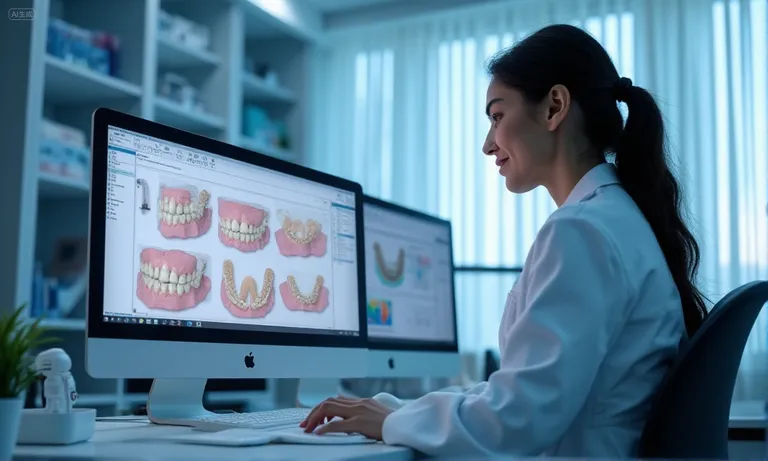
Customization is often the hidden driver of higher costs in dental implant OEM projects. Beyond standard production, tailored workflows demand extra design hours, specialized equipment, and closer coordination between clinic and lab.
custom-dental-implant-oem-costs
Each of these steps adds cost because they demand more technician time and advanced equipment utilization.
Digital workflows increase efficiency but also introduce cost layers. Handling custom STL files requires software validation, error correction, and occasional redesigns when input scans are incomplete. When a clinic sends open-source STL data, the lab must often re-adapt it into proprietary CAD/CAM platforms. This creates additional file-preparation costs, especially in cross-border projects where compatibility issues slow down production.
Complex cases magnify customization requirements. Aesthetic anterior crowns may need multilayer zirconia or porcelain stratification, which doubles technician time. Full-arch restorations involve 3D planning, multiple implant interface checks, and sequential try-ins. In a Raytops dental lab project for a European client, a single-arch zirconia bridge cost nearly 2.5× more than a posterior single crown, not because of material but due to the layered design and verification stages required.
Customization thus directly raises costs by adding labor, digital preparation, and multi-step quality assurance. Buyers should treat “custom implant premium” not as an arbitrary markup but as a reflection of the extra engineering and artistry needed to achieve predictable results.
Return on investment (ROI) is the ultimate measure for procurement teams evaluating dental implant OEM suppliers. A structured calculation highlights not only direct costs but also the impact of remake rates, turnaround time, and long-term value creation.

dental-implant-roi-calculation
| Example Case | Revenue | Total Cost | Investment | ROI Formula Result |
|---|---|---|---|---|
| Standard Implant Crowns (100 units) | $80,000 | $55,000 | $55,000 | 45% |
| Full-Arch Bridge Project (10 units) | $120,000 | $90,000 | $90,000 | 33% |
ROI helps procurement teams compare different project types and supplier offers with a clear, quantifiable benchmark.
Remake rates and slow turnaround add hidden costs. For instance, a 5% remake rate on a 100-unit order equates to five crowns needing replacement. This means lost chair time, higher lab costs, and delayed treatment schedules. Similarly, turnaround delays can cause patient rescheduling, undermining clinic efficiency. Raytops dental lab emphasizes remake control through ISO-certified QA steps, directly supporting predictable ROI for high-volume clients.
In one OEM partnership case, a clinic paying slightly higher unit costs achieved 20% better ROI across two years, because the lab’s lower remake rate and reliable delivery offset initial price differences. This demonstrates that ROI should be measured by total value created, not just upfront cost.
Selecting the right OEM dental implant partner goes beyond comparing unit prices. Procurement teams need to evaluate pricing models, delivery performance, and service transparency to ensure that ROI is sustainable over the long term.

comparing-dental-implant-supplier
| Pricing Model | Benefits | Risks | Best Fit For |
|---|---|---|---|
| Per-unit | Simple, easy to track | Cost variability at high volumes | Small clinics or trial projects |
| Bundled (package deals) | Lower overall costs, simplified billing | May include unwanted extras | Mid-size practices scaling up |
| Long-term contract | Stable pricing, volume discounts | Less flexibility, requires trust | Large DSOs or multi-clinic groups |
Different models shift cost predictability and negotiation leverage. Buyers should map pricing type to their growth stage and case volume.
Delivery reliability is as critical as cost. A lab with a 98% on-time delivery rate creates smoother clinic operations, fewer reschedules, and better patient satisfaction — all of which translate into real ROI. Service support also matters: how quickly does the lab respond to STL file issues or remake requests? At Raytops dental lab, dedicated client managers provide same-day responses for design adjustments, ensuring that production delays do not erode ROI.
Without transparency, two quotes may look similar on the surface but differ drastically in hidden handling or logistics fees. Procurement teams that request detailed breakdowns gain stronger control over cost predictability and ROI outcomes.
Long-term ROI depends not only on pricing but also on the systems that stabilize costs, prevent hidden losses, and create a foundation for scalable collaboration. Procurement teams can take concrete actions to ensure that ROI stays sustainable as project volumes grow.

sustainable-roi-dental-implant-projects
Volume agreements allow procurement teams to negotiate discounted unit rates while ensuring consistent capacity reservation with the lab. Contracts that lock in turnaround standards and penalty clauses for delays also help buyers maintain predictable ROI. For example, DSOs that signed three-year contracts with Raytops dental lab secured both price stability and priority scheduling, reducing long-term procurement volatility.
Communication isn’t just operational — it directly influences cost stability by eliminating errors before they generate hidden expenses.
In one European partnership, Raytops implemented quarterly review meetings with the client’s procurement team. Data on remake rates, turnaround averages, and logistics costs were shared transparently. Over six months, this feedback loop cut hidden costs by 12%, mostly by eliminating repeat STL file errors and optimizing shipment batching. Such structured feedback transforms ROI from a static calculation into a continuous improvement process.
When procurement teams combine volume-based contracts, proactive communication, and feedback-driven improvement, ROI is not only maximized but also protected from future uncertainties.
Evaluating pricing and ROI in custom dental implant OEM projects requires more than comparing unit costs. True value comes from reliable delivery, controlled remake rates, and transparent cost structures that protect long-term margins. By focusing on measurable ROI indicators and aligning with labs that prioritize stability, procurement teams can make confident, scalable decisions.
As an overseas dental lab partner, Raytops supports this process by combining ISO-certified workflows, proactive communication, and feedback-driven improvement. This approach ensures that every investment delivers predictable outcomes while building trust for future growth.