
Evaluating a dental implant lab partnership requires looking beyond price to measure long-term value. Cost matters, but true reliability depends on consistent turnaround times, verified material quality, efficient communication, and documented quality standards supported by international certifications.
Key considerations for buyers:
A structured evaluation balances short-term pricing with long-term performance. By prioritizing transparency, certification, and digital compatibility, procurement teams reduce hidden risks and secure sustainable partnerships that deliver consistent outcomes and growth potential.
Cost alone does not define the value of an implant lab partnership because the lowest unit price often hides quality gaps, remake risks, and long-term inefficiencies. Buyers who focus only on price may face higher overall expenses once hidden costs and inconsistent reliability are factored in.
dental-lab-cost-vs-value-decision
Selecting a lab on price alone exposes buyers to high remake rates, delivery delays, and inconsistent case quality. Even a small error in implant fit can cause costly chairside adjustments, erasing any savings from a cheaper quote. Over time, the “lowest bidder” approach often results in lost productivity and damaged trust with patients.
Beyond invoices, hidden costs accumulate through remake fees, shipping delays, or compliance failures. Opportunity costs are equally important: every extra hour spent resolving lab errors is an hour not serving patients or growing the practice. What looks like savings on paper may actually increase the total cost of ownership.
Reliable turnaround, precise fits, and consistent quality reduce risk over the full partnership cycle. Long-term value is measured not only in financial savings but also in predictability, fewer remakes, and smoother clinical outcomes. Buyers often find that an overseas dental lab with structured QA processes offers better ROI than local vendors who compete mainly on price.
In practice, the most sustainable partnerships are built on a balance of cost and value. Price matters, but it should be weighed against documentation, certifications, and performance records. Raytops Dental Lab supports procurement teams by combining competitive pricing with transparent quality evidence, helping buyers avoid the trap of short-term savings that compromise long-term outcomes.
The direct cost of an implant lab partnership comes from materials, labor, and shipping, plus how pricing models and special policies are applied. Buyers who understand each element can identify whether a lab’s quote is transparent or leaves room for unexpected charges.

dental-lab-cost-breakdown-analysis
| Pricing Model | Description | When It Works Best |
|---|---|---|
| Per-unit | Fixed cost per restoration | Low-volume or trial orders |
| Bundled | Case-level pricing including abutment + crown | Implant cases with predictable workflows |
| Tiered discounts | Lower unit price as order volume increases | Large DSOs or distributors |
Understanding these models helps buyers align procurement with budget cycles and growth plans.
Rush order surcharges and remake fees often decide the real cost of outsourcing. A lab may offer low baseline pricing but apply steep charges when urgent timelines or remakes are involved. Reviewing these policies upfront helps buyers avoid unpleasant surprises. Overseas dental labs with structured remake policies, such as Raytops Dental Lab, often build predictability into contracts, giving buyers clarity about how exceptions will be managed.
Clear visibility into direct cost factors enables procurement managers to make informed comparisons across suppliers. Itemized quotes, transparent pricing models, and clearly defined policies are essential for ensuring that “competitive pricing” truly reflects total cost, not just the base unit price.
Hidden costs in implant lab partnerships include remakes, communication delays, and compliance risks. These factors can quietly erode savings, making a seemingly low-cost supplier more expensive in the long run.
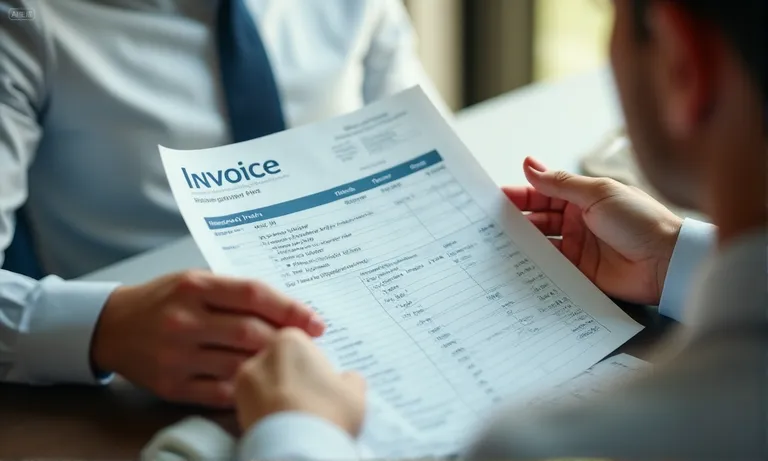
dental-lab-hidden-costs-analysis
Delays in confirming designs, approvals, or case details can push back delivery by days. For busy practices, every delay adds hidden opportunity costs—longer chairside time, rescheduling patients, and extra admin burden. Choosing an overseas dental lab that invests in bilingual support teams and digital communication tools helps minimize this risk.
| Risk Type | Example | Hidden Cost Impact |
|---|---|---|
| Customs delays | Extended clearance at border | Extra storage fees and postponed delivery |
| Non-compliance | Missing FDA/CE certification | Seizure, fines, or unusable product |
| Regulatory mismatch | Misaligned local licensing | Rework costs and liability exposure |
Labs that proactively manage compliance documentation protect buyers from these silent cost escalations.
Hidden costs often outweigh direct price savings. Buyers should evaluate remake data, communication protocols, and compliance readiness before committing. Raytops Dental Lab emphasizes predictable remake policies and transparent compliance records, helping procurement teams calculate the true cost of partnership instead of chasing the lowest quote.
Long-term value in an implant lab partnership is defined by consistency, clinical outcomes, and scalability. These elements show whether a supplier can deliver predictable quality and support practice growth over years, not just a single case.

evaluating-long-term-value-in-dental-lab-partnership
The true measure of value is how restorations perform in patients. Accuracy in fit and occlusion minimizes adjustments, while high case success rates reduce remakes and strengthen patient trust. Labs that document clinical performance data provide procurement teams with evidence that pricing aligns with real-world quality.
Long-term value is achieved when a lab delivers predictable turnaround, measurable clinical success, and scalable capacity. For procurement teams, these factors outweigh price per unit because they directly impact patient satisfaction and operational efficiency. As an overseas dental lab, Raytops Dental Lab emphasizes consistent delivery and scalability, giving buyers confidence that short-term savings will not compromise long-term growth.
Documentation and certifications provide objective proof of lab quality, showing that a supplier follows regulated processes, employs qualified staff, and maintains reliable quality control. These records turn subjective trust into measurable assurance for buyers.

dental-lab-quality-certifications-and-documentation
Certifications also extend to people. Buyers should confirm that technicians hold valid credentials, receive ongoing training, and participate in recognized associations. Continuous education reflects a lab’s commitment to staying current with new techniques and international standards.
Procurement decisions backed by documentation and certifications reduce uncertainty and protect against compliance failures. These records act as a due diligence checklist, giving buyers a reliable foundation for judging long-term value. Raytops Dental Lab makes certifications and SOPs readily available, reinforcing transparency and making it easier for overseas clients to verify quality before scaling cooperation.
Materials, equipment, and technology are the backbone of lab reliability, proving whether restorations meet safety standards, achieve consistent precision, and scale with digital workflows. Buyers should examine traceability, integration, and maintenance records before committing to long-term partnerships.

dental-lab-materials-equipment-technology-quality
Digital tools define modern lab efficiency. CAD/CAM ensures consistent margins and occlusion accuracy, while 3D printing accelerates model production and appliance fabrication. Labs that integrate digital platforms also allow real-time design sharing, reducing approval delays and improving case turnaround.
By verifying material certificates, digital integration, and equipment upkeep, buyers gain insight into a lab’s ability to deliver consistent results. Raytops Dental Lab emphasizes full traceability and proactive equipment maintenance, giving procurement teams measurable proof that technology investments translate into predictable clinical outcomes.
Portfolio reviews and peer feedback give real-world evidence of a lab’s reliability, allowing buyers to see not just what is promised but what is actually delivered. Case examples, testimonials, and retention metrics validate whether cost aligns with long-term value.

dental-lab-portfolio-and-peer-feedback
Referrals from clinics that have long-standing relationships with a lab reveal whether promises translate into practice. Testimonials often describe fit accuracy, turnaround reliability, and patient satisfaction. Peer feedback also serves as an informal audit, exposing hidden weaknesses that certifications alone may not show.
External validation closes the gap between marketing claims and measurable results. For buyers, combining portfolio review with peer insights ensures that a dental lab partnership is based on demonstrated performance. Raytops Dental Lab openly shares case studies and encourages referrals, allowing overseas clients to verify reliability through transparent evidence and professional feedback.
Sustainable implant lab partnerships depend not only on cost and quality but also on how smoothly onboarding is managed, how transparent the pricing model is, and how long-term ROI is measured. These elements ensure the relationship remains productive and predictable over time.

sustainable-dental-lab-partnership-considerations
A well-structured onboarding phase sets the tone for collaboration. Labs that provide clear guidelines, case submission protocols, and trial runs demonstrate commitment to aligning workflows early. Smooth handling of the first few cases reduces miscommunication and builds trust for larger-scale projects.
Sustainable partnerships are built on transparency, trust, and measurable outcomes. When buyers evaluate onboarding, pricing clarity, and long-term ROI, they gain a complete view of value beyond unit price. Raytops Dental Lab emphasizes structured onboarding and open pricing policies, giving overseas clients confidence that collaboration will remain stable and mutually beneficial.
Evaluating cost in an implant lab partnership goes far beyond the unit price. True value is measured through predictable quality, documented processes, transparent pricing, and the ability to scale with confidence. When buyers examine materials, technology, certifications, and peer feedback together, they gain a complete picture of both risks and opportunities. This approach minimizes hidden costs and builds a foundation for sustainable cooperation. As an overseas dental lab, Raytops Dental Lab supports partners by aligning transparent pricing with long-term reliability, giving clinics the confidence to grow restorative and implant cases without uncertainty.