Evaluating a zirconia post and core lab goes far beyond comparing CAD/CAM claims or price points. This guide outlines how to assess lab precision, material reliability, and documentation transparency—so dental professionals and procurement teams can choose partners who consistently deliver predictable, passive-fit restorations with minimal risk.
A high-precision zirconia post and core lab is defined by its ability to deliver restorations with passive fit, marginal adaptation within 20–50 µm, and full traceability of materials and processes. Precision depends on calibrated equipment, experienced technicians, and repeatable QA—not just owning CAD/CAM tools.
Zirconia has become a trusted material for post and core restorations due to its superior biocompatibility, mechanical resilience, and esthetic performance. For both dental professionals and labs, understanding these core benefits helps ensure better collaboration and material selection aligned with case needs.
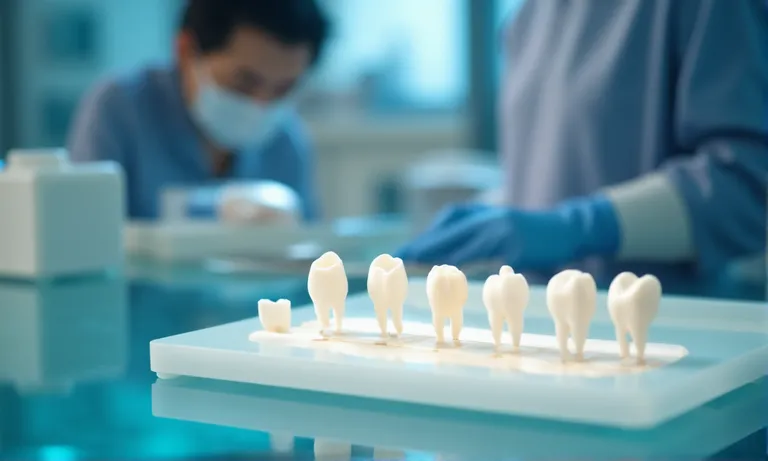
Dental-Lab-Zirconia-Post-Material-Closeup
Zirconia supports both biological compatibility and structural performance—making it suitable for load-bearing restorations where tissue safety is essential.
For anterior or visible zones, zirconia is often the material of choice due to its optical properties and shade-matching capabilities.
Zirconia is chemically stable and free of corrosion risks, which is especially important for patients with sensitivities or where long-term intraoral consistency is a concern.
✅ Zirconia offers a balance of strength, esthetics, and biocompatibility – TRUE
Its properties make it ideal for both anterior and posterior post and core applications, especially in cases requiring cosmetic sensitivity and reliable mechanical behavior.
❌ Zirconia is only used to improve appearance – FALSE
While esthetics is a strength, zirconia also supports high occlusal loads and long-term structural performance when handled properly by a calibrated lab.
Zirconia is not a one-size-fits-all solution. Its success depends on selecting the right clinical cases—where its properties align with the functional and esthetic requirements. From a dental lab perspective, understanding and communicating suitable indications early on helps ensure predictable fit and fewer adjustments.
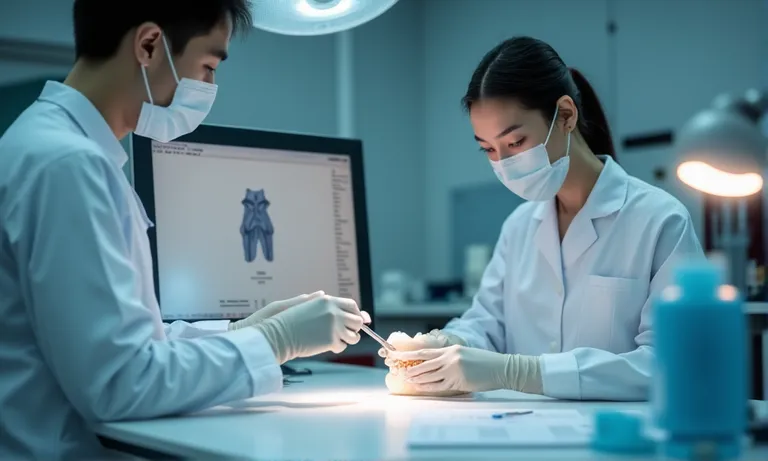
Dental-Lab-Zirconia-Indication-Check
Labs and clinicians often use a shared framework to decide whether zirconia is appropriate. Below is a typical flow used during lab intake:
| Case Type | Zirconia Suitability | Reasoning |
|---|---|---|
| Upper central incisor with thin biotype | High | Natural light diffusion, no gingival shadowing |
| Lower molar with curved canal | Low | Risk of fracture and poor fit due to canal complexity |
| Anterior post after trauma | High | Esthetic restoration with non-metallic internal structure |
| Pediatric or short-root cases | Low | Zirconia may be too rigid or bulky for constrained anatomy |
From a fabrication standpoint, zirconia is ideal when the canal space allows for passive, non-stress seating. In cases where internal retention geometry is needed, labs often recommend switching to cast or fiber posts for better engagement.
Zirconia posts perform best when esthetics and biological harmony are key drivers, and when the canal geometry allows for passive placement. As a partner lab, we support case evaluation early in the workflow to flag potential fit or fracture risks and suggest alternative options when needed.
Precision in post and core fabrication is not abstract—it’s measurable, repeatable, and visible under inspection. From a dental lab’s standpoint, high precision means every unit seats passively, aligns with canal morphology, and bonds predictably. Below, we outline the key quality metrics that define a high-precision outcome.
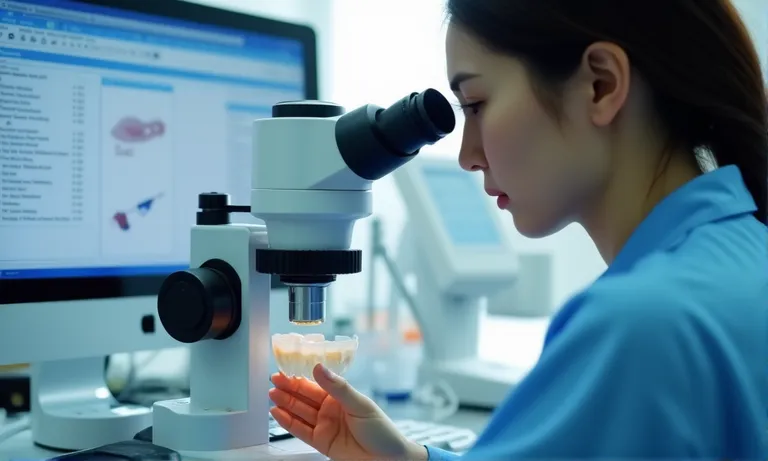
Dental-Lab-Zirconia-Fit-QA
Accurate marginal fit reduces the risk of bacterial leakage and restorative failure. Labs achieve this by combining calibrated digital tools with final technician checks.
A passive fit avoids stress during seating and ensures predictable cementation.
Zirconia’s bondability depends on a controlled surface profile. Over-polishing or unregulated sandblasting can reduce adhesion strength.
| Surface Parameter | Ideal Range | Lab Handling Note |
|---|---|---|
| Surface roughness (Ra) | 0.5–1.2 µm | Too smooth = bond failure, too rough = microcracks |
| Sandblasting particle size | 50 µm Al₂O₃ | Lower pressure reduces risk of weakening core structure |
| Sintered finish integrity | No contamination | Clean environment and handling after sintering |
True precision means every case matches the lab’s best output—not just occasional “perfect” units.
✅ Precision is achieved through controlled, repeatable, and measurable processes – TRUE
It’s not just about one perfect case—precision means every post fits passively, bonds cleanly, and behaves consistently across batches.
❌ Precision means tight friction fit and zero adjustment needed – FALSE
True passive fit is not the same as a tight fit. Friction during seating can create internal stress and compromise long-term success.
Even the best zirconia material can’t deliver clinical value without a lab that understands how to mill it with calibrated precision. From equipment to technician workflow, every variable plays a role in ensuring passive fit, stable bonding, and reproducibility. Here’s how a high-performance lab controls each link in the chain.

Dental-Lab-Zirconia-Milling-Workflow
Shrinkage during sintering can distort fit if not properly accounted for. Labs must fine-tune every cycle:
Labs that don’t adjust these per material batch risk producing out-of-spec restorations—even with good design files.
Scanner precision impacts everything that follows. High-resolution data means better design decisions and cleaner fit outcomes.
No equipment can replace the judgment of an experienced hand—especially with challenging post anatomies.
✅ Precision requires both technology and technician oversight – TRUE
Equipment alone is not enough. Without technician feedback loops and calibration discipline, even premium systems can produce unpredictable outcomes.
❌ High-end machines automatically guarantee passive fit – FALSE
Without human input, real-time adjustment, and case-by-case refinement, technology alone cannot deliver true lab-grade precision.
For clinics, partner labs, or distributors working with zirconia post and core cases, documentation isn’t just paperwork—it’s operational proof. From material traceability to quality control protocols, documentation helps verify consistency, manage compliance, and reduce risk across restorations.

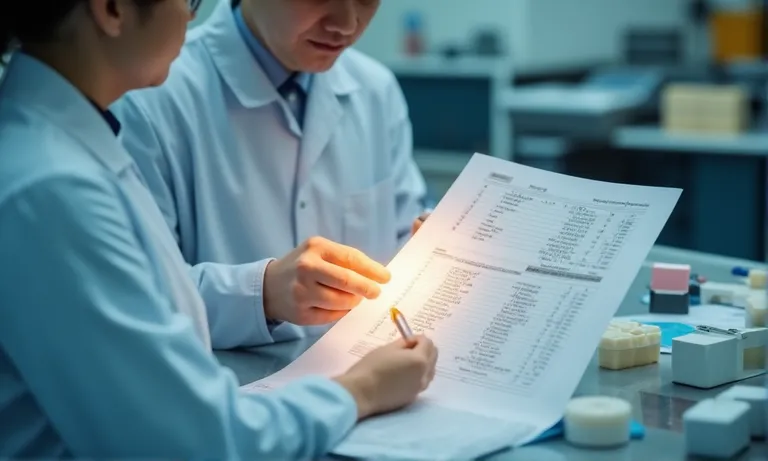
Dental-Lab-Documentation-Zirconia-Traceability
Labs working internationally should provide formal documentation of zirconia source and certification.
A high-precision lab documents every step between design and delivery—especially for post and core seating.
Standard for labs operating at high levels, these documents link materials to technical outcomes and ensure repeatability.
| Document Type | Why It Matters |
|---|---|
| Technical Data Sheet | Confirms strength, translucency, sintering temperature |
| Lot Number Traceability | Links each unit to material origin and batch |
| QA Sign-Off Record | Shows which technician handled each step |
| Safety & Handling Sheet | Ensures regional compliance and safe handling protocols |
Reputable labs don’t just claim quality—they show it through real examples.
Documentation shows whether a lab is operating at a consistent, verifiable level. We provide all clients and partners with access to material certifications, fit verification workflows, and post-delivery QA summaries.
Request a sample case pack or documentation kit to evaluate how our zirconia post and core quality holds up—technically, visually, and traceably—before you commit to a trial case.
Even with good materials and equipment, workflow inconsistency can undermine final fit and restoration success. From a lab’s perspective, these issues are often avoidable—and visible. Here are the most common signs that a lab may lack the precision, traceability, or communication needed for high-quality post and core fabrication.
Dental-Lab-Workflow-Risks-Warning
✅ Recurring fit problems, no documentation, or vague material info signal workflow risk – TRUE
These warning signs suggest process gaps that can lead to inconsistent quality, patient dissatisfaction, and repeat adjustments.
❌ If the case fits eventually, the lab process must be fine – FALSE
A successful outcome does not always reflect a strong process. Labs without documentation or QA structure are harder to rely on long-term—even if some cases appear acceptable.
Choosing a lab for zirconia post and core work is not just a cost decision—it’s a long-term collaboration choice. While pricing matters, the real value lies in how a lab ensures fit quality, communication, and documentation. Below is a practical evaluation framework used by clinics, DSO groups, and partner labs.

ALT: Dental-Lab-Proposal-Comparison-Checklist
Prompt: Realistic scene showing a dental clinic procurement lead reviewing two lab proposals side-by-side, with highlighted notes, post-core samples, and QA documents on table, background includes digital screen showing CAD/CAM designs
| Evaluation Area | Reliable Lab Partner | Risk-Prone Lab |
|---|---|---|
| Documentation & Fit Records | Full QA logs, photos, traceable batches | Minimal or none |
| Turnaround Logic | Scales with complexity and QA checkpoints | Fixed delivery window, no adjustment time |
| Communication Structure | Direct contact with lead technician | Sales-only or delayed technical replies |
| Transparency in Materials | CE/FDA-certified zirconia, declared lot | Generic blanks, no certification |
✅ Strong lab proposals include clear process steps, transparency, and proof of consistency – TRUE
These elements show a lab understands its own workflow, values quality, and is confident enough to prove it before collaboration begins.
❌ A CAD/CAM label and low quote are enough to ensure precision – FALSE
Without supporting documentation, communication channels, or fit verification, even the best-looking offer may result in inconsistent or subpar outcomes.
Choosing the right zirconia post and core lab means looking at the full picture: case suitability, technical precision, process visibility, and lab accountability.
Contact Raytops Dental Lab to request sample fit reports, documentation kits, or schedule a case review with our precision team.