Choosing the wrong crown & bridge outsourcing partner can lead to inconsistent quality, communication delays, and high remake rates.
Many labs fall short on certification, digital integration, or turnaround reliability—wasting your chairside time and eroding patient trust.
By focusing on long-term compatibility—through technical qualifications, product fit, QC protocols, and responsive communication—you can secure a dental lab partnership that strengthens both clinical outcomes and business efficiency.
To effectively evaluate a dental lab for crown and bridge outsourcing and build a sustainable partnership, focus on key factors such as: certifications, case volume capacity, product range, material flexibility, digital workflow compatibility, quality control, communication efficiency, turnaround time, onboarding processes, and long-term collaboration mechanisms. Establishing clear benchmarks, maintaining open communication, and aligning expectations are essential for long-term success.
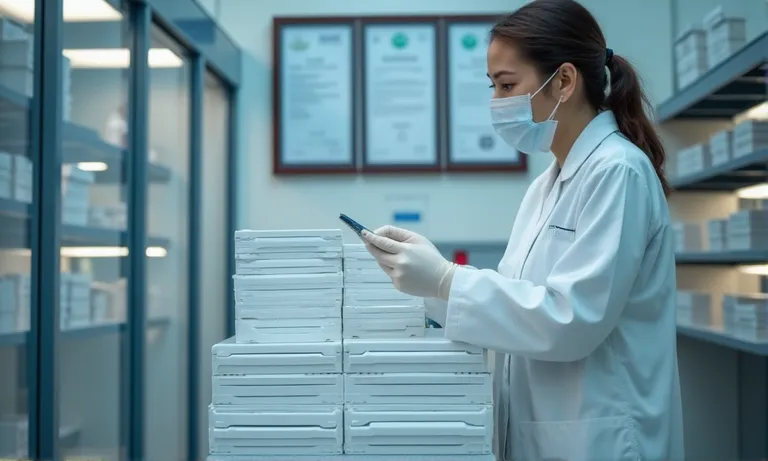
A trustworthy crown & bridge outsourcing dental lab must demonstrate regulatory compliance, product specialization, and the ability to manage volume consistently. For buyers evaluating long-term partners, verifying qualifications upfront ensures reliability, reduces operational risk, and establishes a foundation for scalable cooperation.
Crown-Bridge-Lab-Certification-Volume
Labs specializing in crown and bridge work typically demonstrate deeper understanding of restoration design, margin finishing, and indication-specific fit. General-purpose labs may lack consistency or encounter issues in occlusal balancing and case communication.
Regulatory certifications serve as baseline indicators of quality assurance systems and traceability.
| Certification | Relevance | What to Check |
|---|---|---|
| ISO 13485 | Internal process and documentation control | Validity, scope (specific to dental), annual audits |
| FDA Registration (for US) | Import eligibility and materials compliance | Lab registration number, listed devices |
| CE Marking | Required for EU market | Material-level CE or product category coverage |
These confirm whether the lab can legally and competently serve your region.
Evaluating production capacity reveals whether the lab can scale with your case load over time.
Understanding the lab’s actual operation size, not just its promises, gives you a clearer view of collaboration sustainability.
✅ Certifications and volume consistency define lab credibility – TRUE
Regulatory transparency and large-scale experience enable smoother onboarding and dependable execution.
❌ Any dental lab can handle crown & bridge cases equally well – FALSE
General labs may lack the depth, specialization, and capacity needed for long-term crown & bridge outsourcing.
A capable outsourcing dental lab should offer a broad spectrum of crown and bridge restorations that align with clinical indications, patient needs, and practice workflows. Understanding the lab’s product scope helps ensure your lab partner can support diverse case types without compromising quality or delivery.
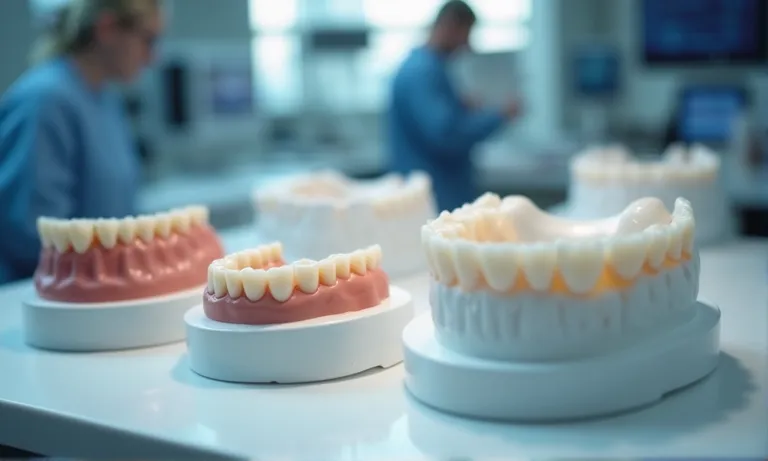
Crown-Bridge-Restorations-Product-Range
A lab’s product range reflects its technical depth and case adaptability. A narrow offering often signals limited technical expertise or production control.
A wide product offering simplifies vendor management and supports long-term growth.
Different indications and patient expectations demand material flexibility. Labs that offer various restorative materials can better support dentists’ clinical decisions.
| Material | Use Case Example | Benefits |
|---|---|---|
| Zirconia | Posterior crowns, full arch bridges | High strength, biocompatibility |
| E.max | Anterior crowns and veneers | Aesthetics, translucency |
| PFM | Metal-support posterior restorations | Strength + cost balance |
| PMMA | Temporary bridges or try-ins | Low cost, quick production |
Clients should check whether material variants (multi-layer zirconia, high translucency E.max) are available for custom needs.
Case type alignment is essential to avoid misfits, weak margins, or functional issues.
Labs that understand how to adapt restorations to different indications tend to reduce remake rates and chairside adjustments.
The range and flexibility of restorations a lab offers directly impact how smoothly it can integrate into your case mix. Choose a lab that not only meets technical expectations but can scale with your growth.
Effective quality control in crown & bridge manufacturing requires a structured final check process, precision in margin and occlusion handling, and transparency in remake tracking. These elements help reduce costly reworks, shorten chairside adjustment time, and build trust across repeated collaborations.
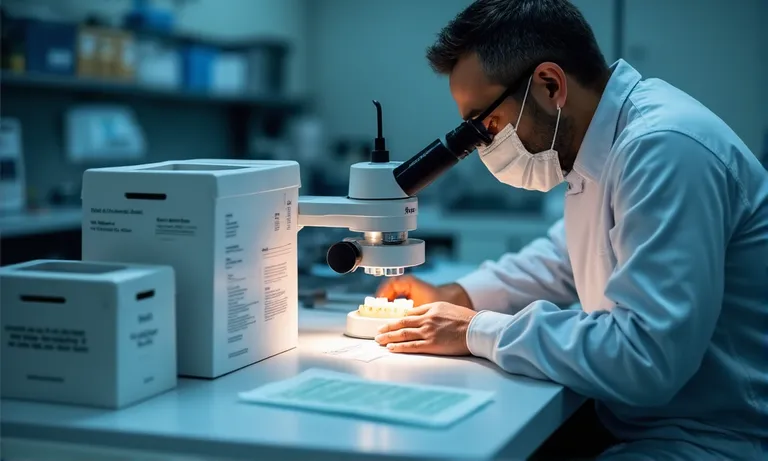
Dental-Lab-Quality-Control-Final-Check
Final quality control is a multi-step process that ensures restorations meet functional and aesthetic standards before shipping.
Each step reduces the chance of chairside adjustments and remakes.
Restoration success often hinges on two critical areas: margin integrity and occlusal stability.
Well-designed margins and occlusion save time for both the clinician and patient.
Reliable labs are open about their remake history and response policies. Use this information to assess both quality consistency and accountability.
| Metric | What to Ask | Ideal Indicators |
|---|---|---|
| Average remake rate | % of cases returned due to lab-side errors | <2% industry standard for crown & bridge |
| Remake request protocol | Channels and required info | Dedicated portal or case ID system |
| Resolution turnaround | Time to re-produce and ship corrected case | ≤ 5 working days |
| Refund or SLA clause | Whether responsibility terms are documented | Stated in onboarding or service policy |
Labs with clear, fast, and fair remake systems reflect professional maturity and long-term readiness.
Understanding a lab’s QC strategy not only helps avoid remakes—it signals how much the lab values your chairside time and patient trust. Contact our team to discuss your remake data or resolution options.
Digital compatibility is a critical factor when outsourcing crown & bridge restorations. A lab that integrates smoothly with your intraoral scans, CAD software, and margin definition protocols ensures fewer disruptions, faster turnaround, and better case precision across all digital touchpoints.
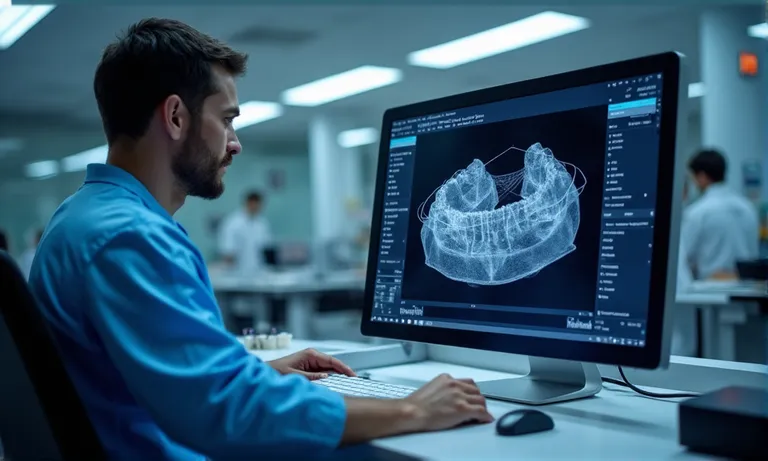
Digital-Workflow-Dental-Lab-STL-Margin
A digital lab must support diverse data formats and ensure seamless import for modeling. Understanding format compatibility avoids delays and file rejection issues.
| Accepted File Types | Key Notes |
|---|---|
| STL | Universal scan file format (standard for crowns) |
| PLY | Includes color and texture data for shade checks |
| OBJ | Sometimes used for advanced implant workflows |
| IOS-specific files | Some labs accept native formats (iTero, TRIOS) |
Labs should provide clear upload methods (via portal, Dropbox, email) and confirm case receipt promptly.
How the lab handles your scan data impacts the precision and efficiency of case production.
Clear internal processes ensure even subpar scans can be optimized for acceptable output.
System-level integration reduces time lost in conversions and supports direct collaboration.
System integration goes beyond just file format—it ensures digital continuity across all stages of your workflow.
A lab’s digital compatibility is foundational to modern collaboration. Material precision starts with file clarity. Evaluate whether your lab partner works with your tools, not around them.
Effective communication and responsive support are critical for reducing delays, clarifying technical details, and ensuring clinical expectations are met. Labs that align their communication setup with clients’ working hours, tools, and feedback needs can become reliable long-term partners.
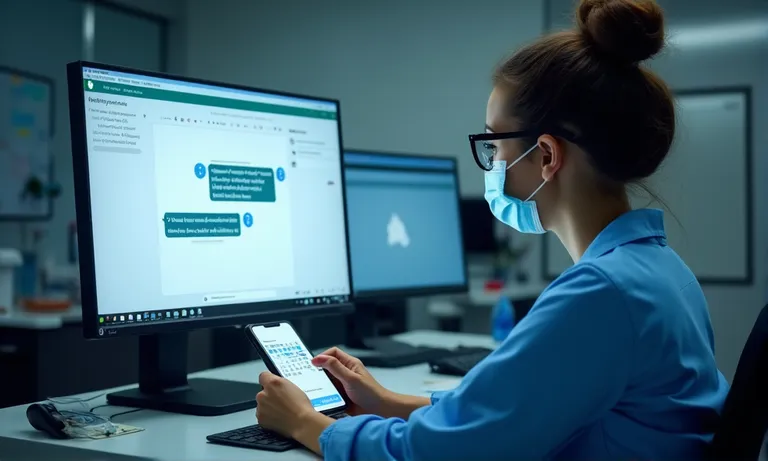
Dental-Lab-Client-Communication-Support
Smooth case coordination starts with language clarity and time zone alignment.
Being understood clearly—and on time—reduces the chance of case rework due to miscommunication.
Labs that offer multiple support channels allow clinicians and procurement teams to communicate through their preferred platforms.
Multi-channel support adapts to different team roles and work styles within client organizations.
Responsiveness impacts not just satisfaction, but also treatment scheduling.
| Support Type | Response Expectation | Ideal Time Frame |
|---|---|---|
| New case quotation | Initial quote after STL received | Within 6–12 hours |
| Technical clarification | Lab questions or design feedback | ≤ 1 working day |
| Urgent revisions | Post-submission file edits | Same-day or overnight |
| Case status updates | Where is my case? | Live portal or <4hr reply |
Labs that operate with time discipline and visible responsiveness give clients more scheduling control and peace of mind.
✅ Clear and timely lab communication reduces delays – TRUE
Efficient support systems directly impact clinical chair time and planning accuracy.
❌ All labs respond the same, so communication tools don’t matter – FALSE
Response time and channel flexibility vary significantly. Labs with structured communication outperform those with ad-hoc processes.
Turnaround time and delivery management are vital benchmarks when evaluating a dental lab’s operational maturity. Understanding standard lead times, flexibility for urgent cases, and shipping reliability helps clinics and procurement teams plan confidently and minimize disruptions.
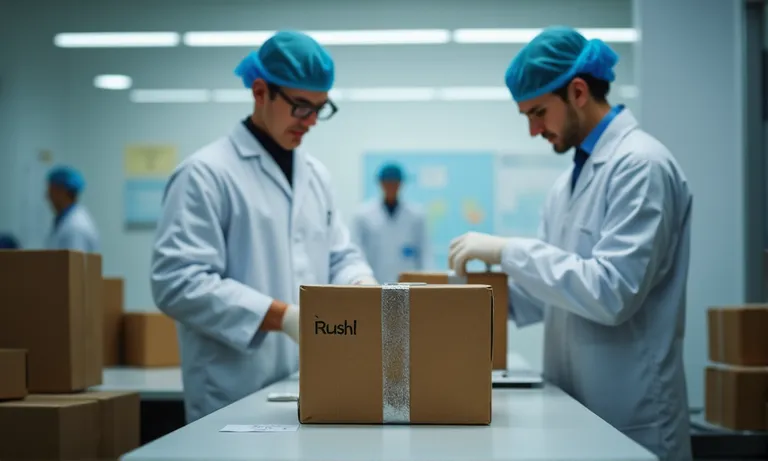
Dental-Lab-Turnaround-Logistics-Packaging
Knowing what to expect for different restorations prevents misaligned delivery expectations and rescheduling.
| Case Type | Standard Lead Time (Business Days) | Notes |
|---|---|---|
| Single crown (Zirconia) | 4–5 days | Common case, faster prep |
| 3-unit bridge | 5–6 days | Includes design + QC |
| Full arch (monolithic) | 7–9 days | May vary with implant support |
| PMMA temporary | 3–4 days | Priority for provisional fitting |
Clear timelines help dentists coordinate seating schedules and minimize chairside gaps.
Flexibility for urgent needs is a sign of lab maturity and production control.
A capable lab can adapt its output without compromising quality.
Global delivery success depends on both speed and protection.
Professional packaging and tracking ensure restorations arrive intact and on schedule.
Efficient turnaround and accurate delivery are foundations of repeatable cooperation. Request a sample turnaround matrix or shipping guidelines to assess how our system fits your clinical rhythm.
A clear and structured onboarding workflow helps clients evaluate lab compatibility with minimal friction. From trial case submission to SLA clarity, a transparent first-run experience sets the tone for reliable long-term cooperation.
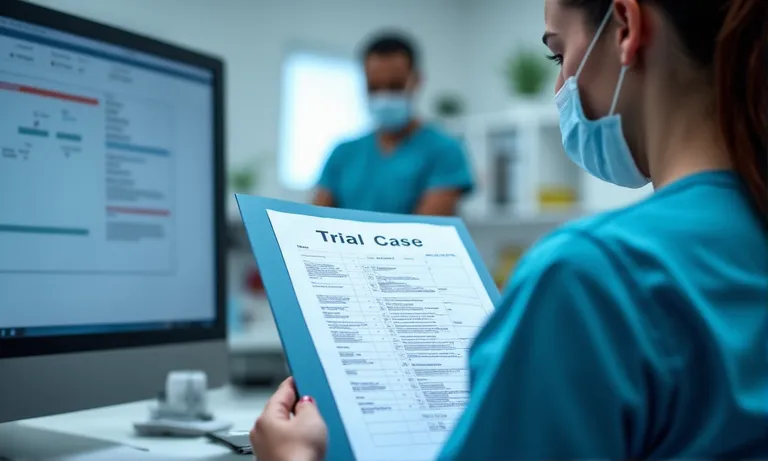
Dental-Lab-Trial-Onboarding-Workflow
A well-structured trial case process helps both sides align expectations and detect workflow compatibility.
This process lets clients assess technical accuracy and collaboration flow with minimal risk.
Transparent pricing and streamlined feedback channels reinforce clarity and trust.
Two-way communication is key to refining fit and understanding preferences early.
Clarity around responsibilities builds confidence and avoids friction when issues arise.
| Responsibility Area | How It’s Handled | Notes |
|---|---|---|
| Remake due to lab error | Covered by lab (no charge) | Within agreed time frame |
| Remake due to unclear file | Shared responsibility, case-by-case | Clarified in onboarding policy |
| Refund request | Available for trial case only | Conditions defined before production |
| SLA availability | Formal SLA upon moving to full account | Outlines remake, turnaround, contact |
Labs that provide written policies upfront demonstrate reliability and fairness.
✅ A transparent trial process helps build trust – TRUE
Clear timelines, file handling, and feedback steps ensure clients feel in control of the trial experience.
❌ All labs handle trials the same way, so onboarding doesn’t matter – FALSE
Onboarding varies widely; lack of structure or unclear policies often leads to early-stage friction and lost opportunities.
Long-term lab partnerships depend on more than good single-case results. Sustainable success comes from systems that support feedback, reorder efficiency, and structured performance improvement. These mechanisms reduce friction and align both teams for growth.
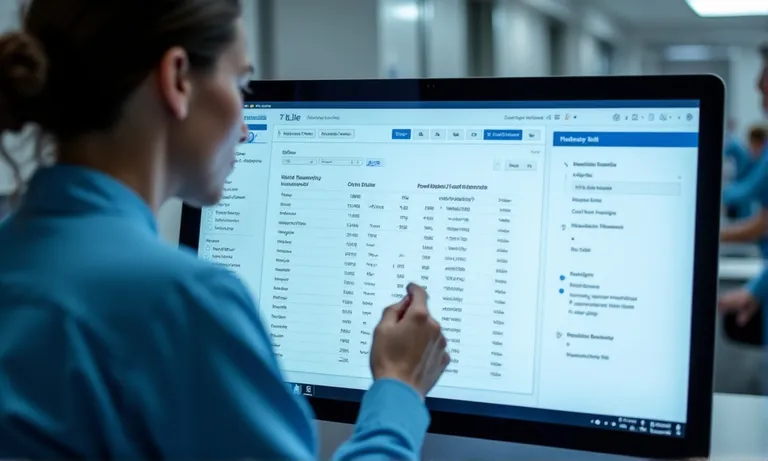
Dental-Lab-Collaboration-System-Reorder-Feedback
An active feedback loop ensures that lessons from each case improve the next.
This creates a learning cycle that enhances precision and satisfaction over time.
Efficient reordering helps reduce planning time and avoids communication redundancy.
| Function | Description | Benefit |
|---|---|---|
| Case ID-based reordering | Clients request remake using unique ID | No need to re-send full instructions |
| Visual case records | Archived scans, designs, and finish photos | Ensures visual match and traceability |
| Material auto-match | Default to previous material settings | Prevents prescription errors |
| Multi-case batch handling | Bundle orders across patient sessions | Streamlines clinic-lab planning |
Labs with structured reordering systems eliminate repetition and improve turnaround efficiency.
Professional labs offer clients structured touchpoints to track performance and surface improvement areas.
These reviews move the lab from reactive vendor to proactive partner.
A well-structured collaboration mechanism turns daily case production into a scalable, low-friction partnership. Investing in feedback loops and system integration ensures your lab grows with your clinical practice.
When evaluating a crown & bridge outsourcing dental lab, long-term cooperation depends on aligning your clinical and business priorities with the lab’s systems, communication, and execution ability. A reliable partner supports your workflow, adapts to growth, and helps avoid costly disruptions through structured collaboration.
Looking to assess how Raytops Dental Lab can support your practice or lab long-term? Contact our team to start a trial case.
1. How to Verify a Dental Crown & Bridge Lab’s Certifications and Compliance
2. What Technical Team Capacity Should a Crown & Bridge Factory Have?
3. What Crown & Bridge Materials Should a Dental Lab Be Able to Provide?
4. How to Assess a Lab’s Fit for Implant-Supported or Posterior Bridges
5. How to Reduce Remake Rates When Outsourcing Crown & Bridge Cases
6. What Quality Control Steps Should a Crown & Bridge Lab Follow?
7. What File Types and Scanning Formats Should a Digital Dental Lab Support?
8. How to Submit STL Files for Crown & Bridge Cases Smoothly
9. What’s the Expected Turnaround Time for Crown & Bridge Orders?
10. How Does a Dental Lab Handle Rush Orders and Shipping Logistics?
11. What’s the Standard Trial Workflow When Starting with a New Dental Lab?
12. What Reordering and Feedback Mechanisms Improve Long-Term Lab Cooperation?