
Ensuring quality control and compliance is one of the most critical challenges in outsourcing dental implant production. For buyers, the stakes go far beyond cost and turnaround time—poor quality or non-compliant implants can create patient safety risks, legal liability, and long-term damage to trust.
Successful outsourcing requires more than price negotiation. Procurement leaders must confirm that overseas suppliers follow robust QC processes such as material inspections, in-process checks, and final validation. They also need to verify compliance with global standards like ISO 13485, EU MDR, and FDA QSR, supported by traceable documentation and third-party audits.
By asking the right questions, requesting audit evidence, and monitoring supplier performance, buyers can minimize hidden costs, prevent recalls, and build reliable long-term partnerships. Quality control and compliance are not just safeguards—they are the foundation for sustainable, risk-free growth in global dental implant outsourcing.
Quality control and compliance are the foundation of safe, reliable dental implant outsourcing. They protect patient safety, reduce legal risks, and give clinics confidence that overseas suppliers can consistently deliver to international standards. Without them, outsourcing quickly becomes unpredictable, exposing buyers to costly remakes, regulatory penalties, and damaged reputation.
dental-lab-qc-compliance-safety
QC systems ensure that every implant part is made from certified materials and meets design specifications. Compliance frameworks verify that labs follow international medical device standards. Together they:
Ignoring compliance exposes both suppliers and clinics to significant risks.
Standardization ensures that every restoration is produced under the same rules, regardless of the destination.
Strong QC and compliance are not optional add-ons; they are the safeguards that make outsourcing dental implants viable and sustainable.
An overseas dental lab must have clear, standardized quality control processes that monitor safety and accuracy from raw materials to final shipment. These processes not only prevent costly remakes but also prove to clinics that restorations meet international safety and performance standards.

Image
ALT: dental-lab-quality-control-process
Prompt:
A highly realistic, ultra-detailed, professional-quality photo captured in a clean, well-lit dental lab environment. Materials must be photorealistic, anatomically accurate, and rendered with DSLR-level clarity. Lighting should be soft daylight or studio white light, avoiding cold or bluish clinical tones. Each tooth showing slight variation in contour, size, and cusp height, with natural occlusal grooves, realistic contact points, enamel translucency, and subtle shade gradient from incisal edge to cervical area; microscopic surface texture and slight asymmetry typical of natural dentition.
→ A Chinese dental technician is inspecting incoming zirconia discs with a barcode scanner, while another workstation displays in-process QC data on screen, and a tray of finished crowns is being sealed in tamper-proof packaging.
Every quality system begins with controlling the materials that enter the lab.
QC must be embedded during production, not just at the end. In-process checks detect errors before they propagate.
For example, automated scanners verify margin lines and occlusal clearance at design and milling stages. Statistical process control (SPC) tracks deviations across batches, ensuring that accuracy remains within tolerance. One North American buyer reported a 20% reduction in remakes after their partner lab implemented SPC reporting, since problems were caught early instead of after shipment.
Final inspection ensures the restoration is ready for clinical use.
Robust QC processes covering incoming materials, in-process checks, and final packaging are what transform overseas labs from low-cost vendors into trusted long-term partners.
Dental implants are classified as medical devices, which means overseas labs must comply with strict international standards. These frameworks ensure products are safe, traceable, and legally marketable in different regions. For buyers, checking a supplier’s compliance is as important as reviewing its technical capabilities, since non-compliance can block shipments or expose clinics to liability.
Image
ALT: dental-implant-compliance-standards
Prompt:
A highly realistic, ultra-detailed, professional-quality photo captured in a clean, well-lit dental lab environment. Materials must be photorealistic, anatomically accurate, and rendered with DSLR-level clarity. Lighting should be soft daylight or studio white light, avoiding cold or bluish clinical tones. Each tooth showing slight variation in contour, size, and cusp height, with natural occlusal grooves, realistic contact points, enamel translucency, and subtle shade gradient from incisal edge to cervical area; microscopic surface texture and slight asymmetry typical of natural dentition.
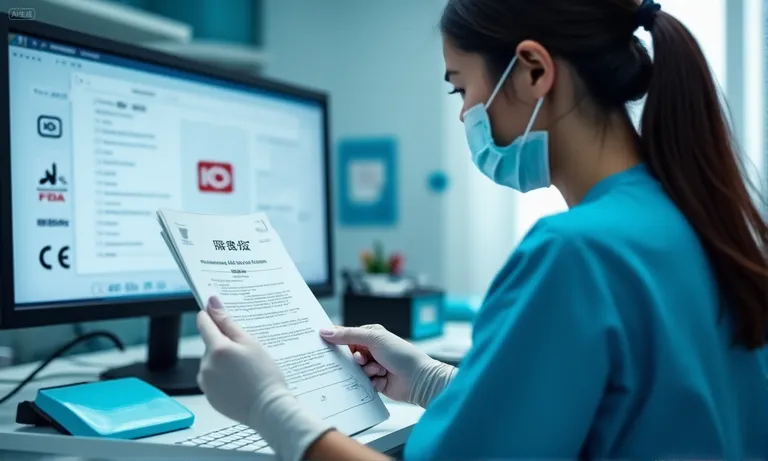
→ A Chinese dental technician holding an ISO 13485 certificate beside a workstation, with CE and FDA logos displayed on a monitor showing compliance documentation for dental implants.
ISO 13485 is the global benchmark for quality management in medical devices. It requires documented processes for material sourcing, production, QC, and corrective actions.
Both Europe and the U.S. apply specific frameworks for implants:
| Regulatory Standard | Scope | Why It Matters for Buyers |
|---|---|---|
| EU MDR (2017/745) | Governs all medical devices sold in the EU | Requires CE marking, clinical evaluation, and post-market surveillance |
| FDA QSR (21 CFR Part 820) | U.S. medical device quality system regulation | Mandates process control, device master records, and CAPA procedures |
| FDA 510(k) | Pre-market notification for certain devices | Needed before legally marketing implants in the U.S. |
For clinics and distributors, choosing a lab aligned with MDR and FDA frameworks avoids delays at customs and ensures implants can be legally used in practice.
Beyond ISO, MDR, and FDA rules, buyers should consider regional frameworks:
For clinics, distributors, and DSOs, confirming a supplier’s certification portfolio is not just due diligence—it is the safeguard that ensures outsourced implants can be marketed, delivered, and used without regulatory obstacles.
Even when a lab claims to follow strict QC and compliance protocols, buyers must verify these practices before committing to long-term outsourcing. Verification prevents hidden risks, ensures documentation is authentic, and helps clinics avoid suppliers that lack transparency or reliability.
dental-lab-qc-audit-verification
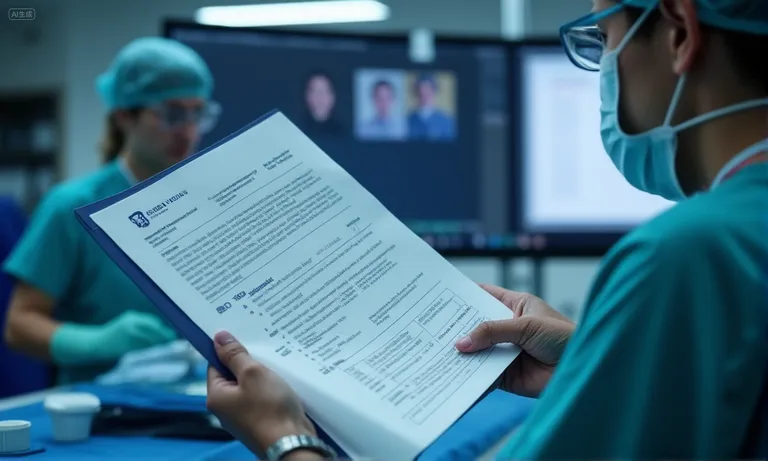
Buyers should insist on documentation that proves a lab’s systems are more than claims.
Site audits give buyers first-hand evidence of how a lab operates. Observing technicians, machinery, and file handling practices reveals whether QC is consistently applied or only written in manuals. When distance makes visits difficult, third-party inspection firms can conduct evaluations on behalf of buyers, providing independent assurance. In one case, a U.K. distributor relied on a third-party audit to confirm packaging integrity and digital traceability, which later prevented costly shipment delays.
Red flags often appear early if buyers know what to look for:
By reviewing documentation, arranging audits, and staying alert for red flags, buyers can confidently distinguish reliable overseas dental labs from those that present hidden risks.
Robust quality control and compliance systems protect buyers from hidden costs, regulatory exposure, and unstable supply chains. When overseas dental labs apply standardized QC and meet international compliance frameworks, clinics can scale outsourcing with confidence rather than constantly firefighting problems.

Image
ALT: dental-lab-qc-compliance-risk-reduction
Prompt:
A highly realistic, ultra-detailed, professional-quality photo captured in a clean, well-lit dental lab environment. Materials must be photorealistic, anatomically accurate, and rendered with DSLR-level clarity. Lighting should be soft daylight or studio white light, avoiding cold or bluish clinical tones. Each tooth showing slight variation in contour, size, and cusp height, with natural occlusal grooves, realistic contact points, enamel translucency, and subtle shade gradient from incisal edge to cervical area; microscopic surface texture and slight asymmetry typical of natural dentition.
→ A Chinese dental technician preparing a final QC report with graphs showing reduced remake rates, while a compliance officer reviews audit files beside a long-term contract folder, symbolizing stable outsourcing partnership.
QC systems embedded at every stage prevent defects from slipping through.
Compliance ensures that implants can withstand regulatory scrutiny. If suppliers lack proper certifications, recalls can wipe out inventory and expose buyers to lawsuits. By aligning with ISO 13485, EU MDR, or FDA QSR, labs create a legal safety net that shields buyers from penalties. This is not only about avoiding fines; it protects clinic reputations and secures patient trust when cases are audited.
Reliable QC and compliance practices create stability between clinics and labs. Buyers know they can count on the same standards over time, regardless of order volume or market expansion. A European distributor renewed its multi-year contract with an overseas dental lab specifically because of consistent QC reporting and transparent compliance updates, proving that strong systems are the basis for durable business partnerships.
Over time, robust QC and compliance transform outsourcing from a transactional purchase into a strategic partnership, reducing risks and building trust that benefits both clinics and suppliers.
Quality control and compliance are what make dental implant outsourcing safe, reliable, and sustainable. When overseas dental labs integrate standardized QC processes and align with global compliance frameworks, buyers gain lower remake rates, reduced liability risks, and smoother cross-border collaboration. For clinics and distributors, this means outsourcing becomes less about managing problems and more about building trusted partnerships. As an overseas dental lab, our role is to maintain transparent systems and continuous compliance, so clients can focus on patient outcomes with full confidence in their supply chain.