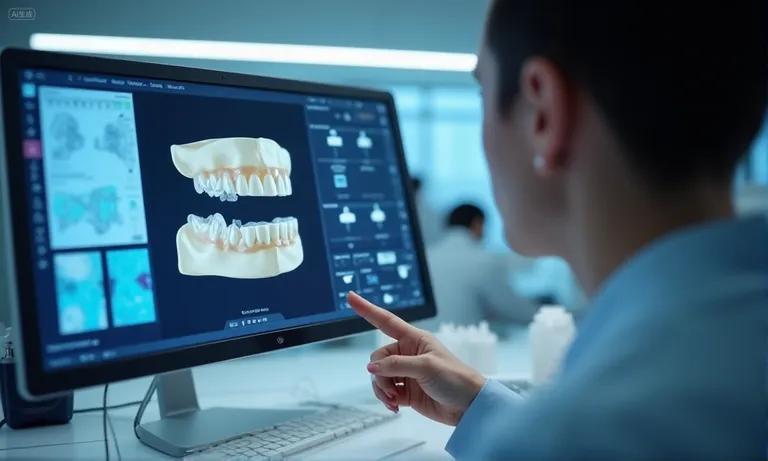
Selecting the right dental lab for complex implant cases means choosing a partner with proven expertise, reliable processes, and collaborative discipline. Multi-unit, full-arch, or hybrid restorations demand higher precision; even small workflow errors can multiply into costly delays. A dependable lab provides not only technical accuracy but also predictable outcomes through standardized QA and transparent support.
Key factors for evaluation include:
By focusing on these dimensions, procurement leaders reduce uncertainty, strengthen supplier partnerships, and secure consistent clinical outcomes. Clear evaluation standards make it easier to identify a dental lab that can manage complexity while also delivering sustainable value in long-term cooperation.
Complex implant cases in a dental lab setting usually involve factors that go beyond a single-unit crown. They require multi-layered planning, precise digital integration, and a deeper understanding of biomechanics. Common scenarios include multi-unit bridges, full-arch restorations, and hybrid prostheses, all of which demand higher accuracy and more coordinated workflows between clinics and labs. For buyers and procurement managers, recognizing these complexities is the first step toward choosing the right partner.
dental-lab-implant-complex-workflow
Complex workflows often include restoring multiple implants that must align seamlessly. Multi-unit and full-arch cases require a higher level of precision in angulation, occlusion, and soft tissue management. Hybrid restorations bring added complexity because they combine multiple materials and techniques, demanding cross-functional coordination.
While single-unit crowns are relatively straightforward, complex implant cases introduce new layers of risk:
| Factor | Simple Implant Crown | Complex Implant Restoration |
|---|---|---|
| Units involved | Single | Multi-unit / full-arch |
| Adjustment tolerance | Moderate | Very low |
| Material handling | Basic zirconia/metal | Multiple material systems |
| Workflow complexity | Low | High, multi-step |
The higher the complexity, the lower the margin for error. A minor misalignment in a full-arch framework can lead to complete remake. Specialized labs offer advanced CAD/CAM tools, validated multi-material workflows, and experienced technicians who understand the risks unique to implant-supported prosthetics. This reduces remake rates and ensures predictable delivery. Procurement managers who underestimate this complexity often face hidden costs in delays, remakes, or patient dissatisfaction.
In our experience as an overseas dental lab, supporting clinics with full-arch and hybrid cases, the difference lies in preparation and precision. Labs accustomed to complex workflows not only prevent errors but also provide smoother collaboration. That trust becomes a deciding factor for long-term partnerships.
Choosing the right dental lab for complex implant cases comes down to measurable standards: proven implant specialization, technician expertise, digital workflow compatibility, turnaround reliability, and strict quality assurance. Labs that consistently meet these criteria reduce remake rates, streamline communication, and deliver predictable outcomes. For procurement managers, applying these filters early prevents costly surprises later.

dental-lab-quality-control-implant-case
Not all labs handle the same case complexity. A lab may excel at single-unit crowns but struggle with full-arch hybrids. When evaluating, ask whether the lab has documented cases of multi-unit restorations, hybrid prostheses, and screw-retained bridges. Experienced labs usually have specialized design teams and a history of repeat implant orders. That history signals consistency, not trial-and-error learning.
Technician expertise matters when it comes to complex frameworks. Certifications such as CDT (Certified Dental Technician) or ISO-accredited training programs show that skills meet international standards. Beyond certificates, look for labs that continuously train on updated CAD/CAM software and implant library systems.
Digital compatibility reduces friction. Complex implant cases often require multiple design iterations. A lab that can accept STL files, align with major CAD/CAM systems, and integrate digital implant libraries avoids delays. The smoother the file exchange, the faster the production cycle.
Complex implant restorations cannot afford unpredictable delivery times. A delay in one framework may disrupt surgical appointments or patient satisfaction. Labs that commit to defined lead times—and prove they meet them—are safer partners. Consistency matters more than occasional speed; a stable 10-day turnaround is better than unpredictable 5-to-15 day variability.
High remake rates erode both profit and trust. Complex implants leave little room for error, so labs should have QA protocols that include fit checks, digital verification, and pre-shipment reviews. Comparing remake rates across labs helps procurement teams estimate hidden costs.
| Lab Metric | Industry Average | Reliable Lab Benchmark |
|---|---|---|
| Remake rate (implants) | 6–10% | ≤ 3% |
| Average turnaround time | 12–15 days | 7–10 days |
| Digital compatibility | Partial | Full STL + CAD/CAM |
Labs like Raytops Dental Lab position themselves as overseas partners by embedding multi-step QA in every shipment, which directly lowers remake risk for clients managing high-value implant cases. This consistency is often the factor that determines whether procurement teams trust a long-term partnership.
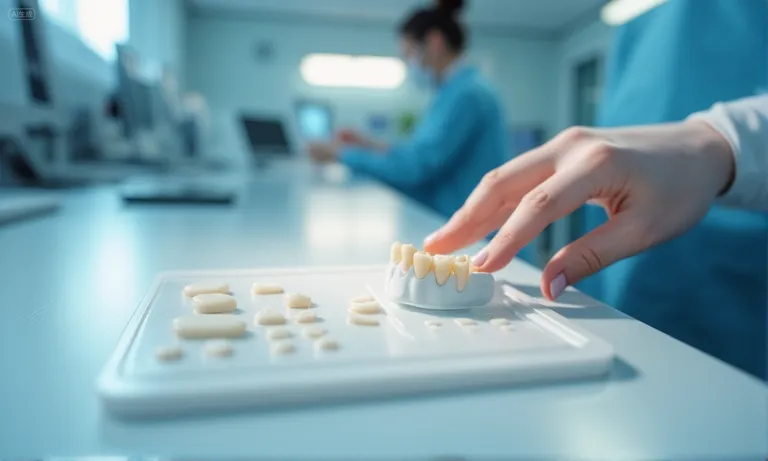
Material quality and aesthetic reliability directly affect the long-term success of complex implant restorations. The right choice of titanium, zirconia, or hybrid materials ensures biocompatibility, strength, and predictable esthetics. Reliable labs not only select proper materials but also enforce shade-matching protocols and durability testing, which helps procurement managers confirm the lab’s ability to deliver consistent results in demanding cases.
dental-implant-materials-zirconia-titanium
Different implant restorations demand different material properties. Titanium remains the gold standard for frameworks because of its strength and biocompatibility. Zirconia is often used for esthetic areas due to its natural translucency. Hybrid combinations allow strength plus esthetics, especially in full-arch or multi-unit restorations.
Reliable labs test not only fit but also mechanical stability. For instance, frameworks undergo milling accuracy checks, and zirconia is sintered under controlled conditions to prevent micro-fractures. Biocompatibility certifications, such as FDA or CE marking for raw materials, confirm safety. Labs with clear documentation of source materials reduce risk for procurement managers.
Anterior implants are judged by patient satisfaction, not just fit. Shade matching, translucency, and surface texture must be consistent across multiple units. Labs that keep digital shade libraries and routinely cross-check against physical shade guides can achieve higher predictability. Procurement managers should request photographic records of past anterior implant cases to verify lab standards.
Esthetic consistency is one of the hardest aspects to control. Comparing how labs manage shade matching reveals their maturity.
| Aesthetic Factor | Low-Maturity Lab Approach | Reliable Lab Practice |
|---|---|---|
| Shade selection | Manual single shade pick | Digital shade scanning + physical guide |
| Translucency control | Basic zirconia use only | Layered zirconia with customized cutback |
| Documentation | None | Photos + digital records per case |
Procurement teams that prioritize these benchmarks find fewer remakes and less chairside adjustment. Raytops Dental Lab, as an overseas partner, often emphasizes material traceability and shade-matching workflows to help clinics handle demanding anterior implant cases with higher confidence.
Cost evaluation for complex implant restorations should not stop at the unit price. True ROI depends on balancing upfront cost, long-term reliability, and flexibility in outsourcing. Procurement managers who include remake rates, shipping efficiency, and hidden chairside adjustment costs in their calculation gain a more realistic view of the total investment. Overseas outsourcing, when managed properly, often provides better ROI through lower unit pricing and scalable production capacity.

dental-lab-outsourcing-cost-roi
Labs structure pricing differently for multi-unit and full-arch restorations. Understanding these categories helps procurement teams benchmark fairly:
Cheaper pricing can look attractive, but remakes and delays quickly erode ROI. A lab that charges slightly more but maintains remake rates below 3% often proves more cost-effective. Procurement teams should calculate “true cost per delivered case,” factoring in remake frequency, chairside adjustment time, and patient rescheduling. A lab with proven QA reduces these hidden costs.
Outsourcing to overseas labs offers two major benefits: lower unit costs and scalability. Many clinics and DSOs find that by outsourcing multi-unit or full-arch work, they gain not only cost savings but also the ability to handle peak demand without local bottlenecks. The key is to evaluate shipping times and customs clearance reliability.
| Outsourcing Factor | Domestic Lab | Overseas Lab (Reliable Partner) |
|---|---|---|
| Unit pricing (multi-unit) | $450–600 | $250–350 |
| Average remake rate | 5–7% | ≤ 3% |
| Capacity for surge orders | Limited | High (scalable) |
| Shipping time | 1–3 days | 4–7 days with express clearance |
Working with an overseas partner like Raytops Dental Lab allows procurement teams to convert cost savings into higher ROI, while still maintaining quality and predictable delivery windows. This flexibility is often what helps DSOs scale complex implant programs without overshooting budgets.
Outsourcing complex implant cases can unlock cost and capacity advantages, but it also introduces risks. The most common issues include miscommunication, inconsistent quality, and regulatory gaps. Buyers can reduce these risks by partnering with labs that follow international compliance standards, enforce strict QA protocols, and maintain clear documentation workflows. Reliable outsourcing is not about avoiding risk entirely but about controlling and minimizing it.

dental-lab-implant-outsourcing-risk-control
Risks usually arise from gaps in control and communication. The more complex the case, the higher the probability that small errors escalate into costly remakes.
Validating compliance is one of the most effective risk-control measures. Labs with ISO 13485 certification demonstrate adherence to medical device quality standards. FDA or CE compliance for materials ensures biocompatibility and traceability. A trustworthy lab will provide documentation of these certifications proactively. From a procurement perspective, these verifications reduce liability and ensure that restorations can be legally used in regulated markets.
Strong documentation processes directly reduce remake risk. Each step, from digital file submission to final shipment, benefits from clear, standardized protocols.
Labs like Raytops Dental Lab integrate compliance and documentation workflows into every shipment, which reassures overseas buyers that risks are proactively managed, not just addressed when problems arise. This kind of disciplined process helps procurement managers sleep better knowing cases will pass both clinical and regulatory checks.
Long-term success in complex implant outsourcing is not only about materials or pricing but about how well both sides collaborate. Effective communication, dedicated support, and a clear cooperation framework build resilience into the partnership. Clinics and procurement managers who prioritize structured collaboration reduce delays, prevent misunderstandings, and secure more predictable outcomes.

dental-lab-collaboration-long-term-success
Communication breakdowns are one of the biggest hidden costs in implant outsourcing. Delays often occur because small clarifications are missed or case details are assumed instead of confirmed. Labs that establish structured update protocols—such as daily status reports or shared case-tracking dashboards—help prevent costly misunderstandings. For procurement managers, this means fewer last-minute surprises and more confidence in scheduling.
Dedicated support staff act as the bridge between technicians and procurement teams. Instead of routing every question through a general inbox, labs with account managers provide faster responses and smoother coordination.
Sustainable collaboration is built on mutual visibility and trust. Long-term partnerships often include trial projects, then expand into standardized frameworks for communication, invoicing, and QA review. Reliable labs share both strengths and limitations early, which helps set realistic expectations. When both sides commit to process transparency, success is easier to repeat at scale.
From our position as an overseas dental lab, we see that the clinics who invest in structured collaboration—regular calls, documented preferences, and transparent feedback loops—experience fewer remakes and smoother scaling. For procurement leaders, this is the difference between a transactional vendor and a true long-term partner.
Selecting the right partner for complex implant restorations requires more than comparing prices. It means evaluating technical expertise, material reliability, risk management, and collaboration practices that ensure predictable outcomes. Clinics and procurement managers who approach outsourcing this way reduce hidden costs and achieve higher treatment consistency. By working with an overseas dental lab that combines digital workflow compatibility, strict QA, and transparent communication, buyers can gain both cost efficiency and confidence in delivery. This balance is what turns outsourcing from a tactical decision into a sustainable long-term advantage.