
Verifying a dental lab’s experience in implant restorations is one of the most reliable ways to reduce procurement risk. Labs with a proven track record, certified technicians, and standardized quality controls consistently deliver restorations that fit, function, and last. Knowing how to check these factors ensures that supplier selection is based on evidence, not assumptions.
Procurement teams often struggle to distinguish true implant specialists from general dental service providers. The most effective evaluation criteria include:
By applying these structured checks, buyers can confidently identify labs with authentic implant expertise. This approach leads to fewer remakes, smoother collaboration, and long-term partnerships with overseas dental labs that deliver predictable and high-quality outcomes.
A dental lab’s experience directly shapes the accuracy, durability, and predictability of implant restorations. Labs with a long track record reduce procurement risk by demonstrating proven workflows and accumulated technical know-how. For procurement managers, evaluating experience is often the first filter before considering pricing or logistics.
dental-lab-implant-experience-discussion
Proven experience improves precision and reduces remakes because technicians can anticipate common issues. For example, experienced labs are familiar with the nuances of implant angulation, emergence profile design, and soft-tissue management in digital models. This allows them to deliver restorations that fit more predictably, saving clinics both time and cost.
Labs without implant experience often struggle with margin definition, screw channel alignment, and component compatibility. This can lead to ill-fitting restorations, increased remake rates, and patient dissatisfaction. For overseas buyers, these risks are magnified because resolving errors across borders is costly and time-consuming.
A long track record signals that the lab has managed diverse implant cases and adapted to evolving technologies. Procurement teams view this as proof of resilience and reliability. For instance, one distributor in the Middle East we worked with requested historical implant case data before trial orders; once they saw consistent results across years of production, they felt confident to start regular cooperation.
In short, lab experience not only reduces remake risk but also makes international collaboration more predictable. Buyers know they are choosing a partner who has seen complex cases before and can deliver consistently reliable outcomes.
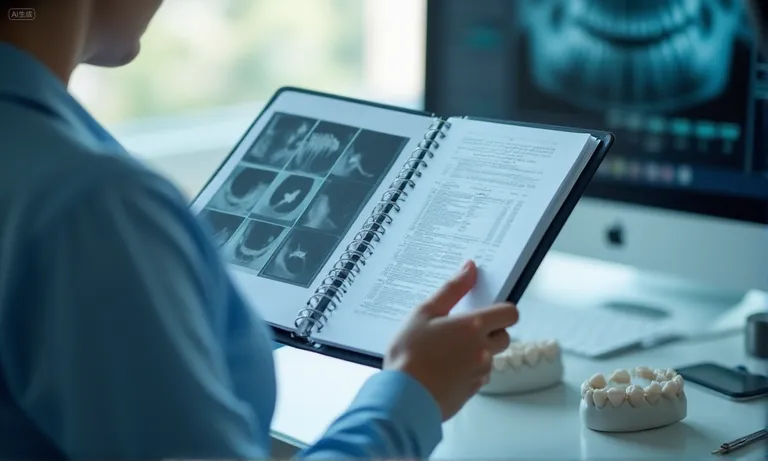
Portfolios and case histories give procurement teams a direct window into a dental lab’s implant experience. Unlike general marketing claims, documented cases show how the lab handles real clinical situations across single units, bridges, and full-arch restorations. A well-prepared portfolio helps buyers verify technical depth, consistency, and adaptability.
dental-lab-implant-portfolio-case-files
Procurement managers should expect portfolios to include:
This level of detail shows whether a lab is truly experienced or only showcasing limited sample work.
Each restoration type tests different aspects of a lab’s capability. Single crowns reveal margin accuracy and esthetics, bridges test occlusion and interproximal design, and full-arch cases show whether the lab can manage complexity at scale. A lab confident in all three indicates versatility and depth of implant experience.
Case studies connect technical outcomes to clinical realities. They often highlight the challenge, the lab’s action, and the final result. For example, a European DSO reviewing one of our zirconia full-arch case studies saw that we documented both the design adjustments and the corrective steps taken before final delivery. This reassured them that we could manage complexity transparently and professionally.
Well-documented portfolios and real case studies are therefore the most direct proof of a lab’s implant restoration expertise. They reduce uncertainty for overseas buyers and demonstrate that the lab’s claims are backed by evidence rather than marketing.
Years of implant-focused operation and industry recognition are strong indicators of a lab’s stability and credibility. A lab that has survived regulatory changes, material innovations, and shifting client expectations demonstrates resilience that newer labs may lack. Procurement teams use these signals to assess whether a supplier can be trusted for long-term implant collaboration.

dental-lab-industry-recognition-awards
Procurement managers typically look for at least 5–10 years of implant-specific work, not just general dental experience. This period usually means the lab has seen a range of clinical indications, handled both simple and complex cases, and developed standardized workflows. A shorter history may indicate limited exposure to variation, which increases procurement risk.
Recognition through awards, publications, or membership in professional associations adds external validation. When a lab is affiliated with organizations like the International Team for Implantology (ITI) or participates in regional implant congresses, it signals engagement with the broader clinical community. Buyers see this as proof that the lab keeps up with evolving standards and best practices.
Long-term relationships with DSOs or large distributor clients are practical signs of reliability. Maintaining multi-year contracts demonstrates that the lab consistently delivers on turnaround, quality, and collaboration. For example, a North American DSO we worked with maintained a continuous partnership for over five years, citing stable remake rates and predictable logistics as reasons for renewal. Such partnerships prove that the lab can meet the high-volume, repeat demands of organizational buyers.
Together, years of experience, external recognition, and long-term partnerships form a strong credibility triangle. They reassure procurement teams that the lab is not only experienced but also validated and trusted by the market.
The expertise of dental technicians is a decisive factor in implant restoration quality. Even the most advanced digital systems cannot compensate for insufficient technician skills. Procurement teams must evaluate whether a lab’s technicians are certified, continuously trained, and allocated in ratios that ensure personalized support for complex cases.

dental-lab-technician-qualification-training
Certified technicians demonstrate that they have undergone formal training in implant workflows. Certification proves competence in handling implant libraries, designing abutments, and integrating CAD/CAM processes. For buyers, this reduces the risk of errors during critical steps such as screw channel design or occlusal adjustment, which directly impact patient comfort.
Ongoing education is essential because implant technologies evolve quickly. Buyers should check if the lab ensures:
This commitment proves that the lab invests in keeping its expertise current.
The ratio of technicians to cases reflects whether a lab can provide sufficient attention per restoration.
Procurement managers often see a lower technician-to-case ratio as a sign of deeper involvement and more reliable outcomes.
A lab with certified technicians, structured training, and balanced workloads demonstrates real implant expertise. This reassures buyers that technical competence supports not only precision but also long-term reliability in overseas collaboration.
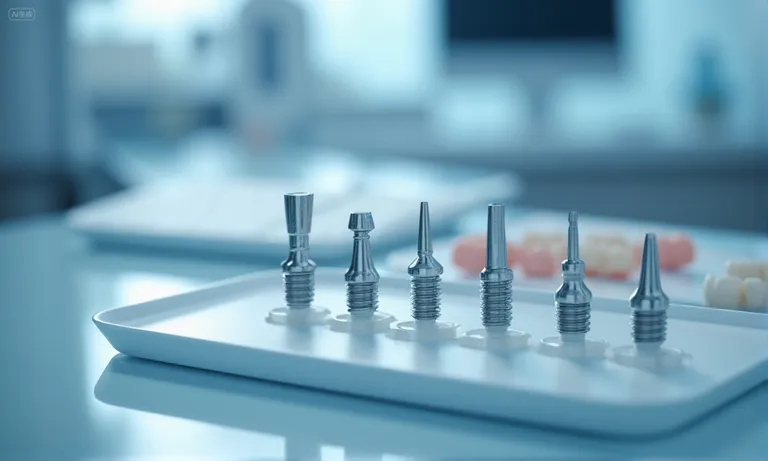
System compatibility is one of the most practical indicators of implant expertise. A lab that works fluently with multiple implant systems shows flexibility, precision, and a reduced risk of errors. Procurement managers know that experience across brands like Straumann, Nobel Biocare, Zimmer, MIS, and BioHorizons ensures restorations will fit seamlessly into the clinical workflow without costly adjustments.
dental-lab-multi-implant-system-experience
These global systems dominate clinical use, and a lab’s ability to deliver restorations that align perfectly with their libraries ensures surgical-restorative harmony. Misfits can cause complications such as screw loosening or peri-implant stress. That’s why procurement teams often ask whether the lab has direct experience producing abutments and crowns tailored for these major systems.
By confirming multi-system expertise, procurement managers reduce the likelihood of costly errors and gain assurance that the lab can support diverse clinical demands. For global sourcing, this breadth of experience is often the difference between smooth collaboration and recurring operational friction.
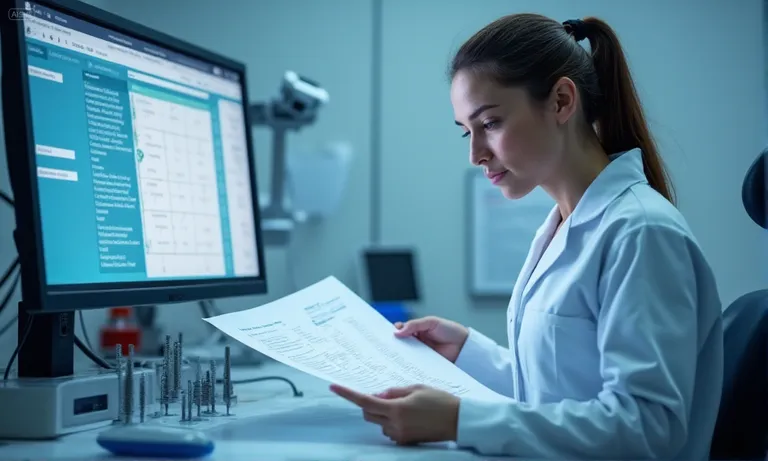
Quality assurance (QA) is where implant restoration experience translates into measurable reliability. Even highly skilled technicians and advanced systems cannot guarantee consistency without structured processes. For procurement managers, verifying a lab’s QA and standardization practices is essential to minimizing remake rates and ensuring predictable global deliveries.
dental-lab-quality-control-processes
Labs with repeatable QA checkpoints at every stage typically achieve remake rates below industry averages, a critical metric for large-scale buyers.
Certifications prove that the lab is audited by external authorities and adheres to global manufacturing standards.
These certifications signal not just regulatory approval, but a culture of disciplined process control that procurement teams can rely on for international sourcing.
For procurement teams, standardized workflows reduce uncertainty, ensuring implant restorations remain accurate and repeatable no matter the order volume or destination.
Labs that integrate QA steps, certifications, and process standardization provide the operational security global buyers need. This alignment of expertise with reliability makes them strong long-term partners for implant restorations.
Client feedback is often the most credible validation of a dental lab’s implant experience. Certifications and case portfolios can show technical ability, but it is actual client satisfaction that reveals whether the lab consistently delivers reliable restorations. For procurement teams, reviews, repeat orders, and references are powerful indicators of trustworthiness.

dental-lab-client-feedback-references
Written testimonials and online reviews often highlight practical factors: delivery reliability, remake frequency, and communication responsiveness. Positive comments across these areas suggest the lab has not only technical skills but also operational maturity. Procurement teams can filter meaningful reviews by looking for repeated mentions of implant-specific strengths rather than generic dental services.
A distributor once trialed a new lab for a series of zirconia implant crowns. The results matched digital specifications, delivery was on time, and remake requests were minimal. Impressed, the distributor expanded to bridges and later full-arch cases, eventually making the lab a long-term partner. This progression illustrates that repeat business reflects satisfaction with both quality and workflow—evidence stronger than any single testimonial.
When references confirm positive experiences across these dimensions, procurement managers gain confidence that the lab’s claims are substantiated by peers, not just marketing.
Collecting and validating client feedback turns procurement evaluation into evidence-based decision-making. Labs that build long-term relationships with clients naturally demonstrate the kind of trust and reliability procurement professionals seek in implant restoration sourcing.
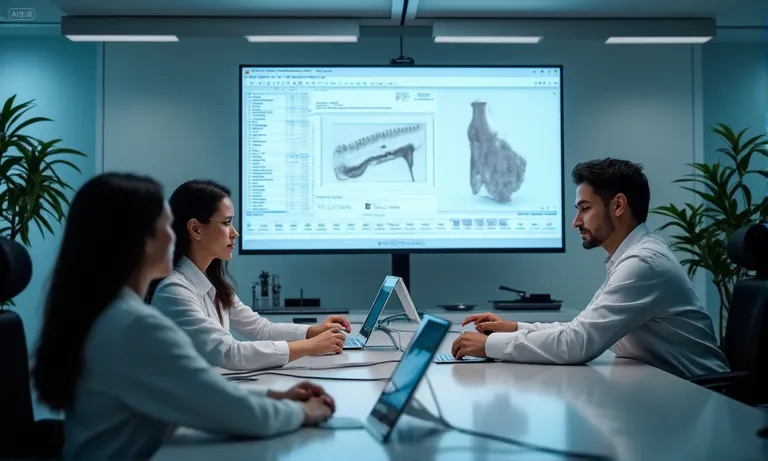
A lab’s experience is not only reflected in the restorations it produces but also in the way it communicates and collaborates with procurement teams. Smooth coordination, timely updates, and transparency are practical signals of maturity that can make or break international partnerships. For buyers, evaluating a lab’s communication habits is as important as reviewing technical expertise.
dental-lab-communication-collaboration
Response time is one of the clearest signs of operational discipline. Experienced labs typically acknowledge queries within hours, not days, ensuring that issues like STL transfer errors or implant library mismatches do not delay production. Quick, structured responses demonstrate that the lab has handled similar cases before and built workflows for predictable resolution.
A dedicated contact ensures the collaboration is not transactional but relationship-driven, aligning with long-term supply chain goals.
Transparent labs share more than status updates—they explain risks, suggest alternatives, and provide documentation of QA checks. For example, if a scan is incomplete, a transparent partner does not proceed blindly but flags the issue with clear guidance. This culture of openness builds trust and reduces costly remakes, especially in cross-border projects where miscommunication can lead to delays.
Procurement teams should treat communication as a measurable part of lab experience. Labs that respond quickly, assign dedicated managers, and practice transparent collaboration signal readiness for international partnerships. Raytops Dental Lab, for example, emphasizes proactive communication with overseas clients, ensuring implant restorations meet both technical and logistical expectations.
Procurement managers often hear strong promises from dental labs, but verification requires evidence. Instead of relying only on marketing, practical checks—trial cases, sample restorations, and direct technician discussions—turn claims into measurable performance. These steps help buyers confirm whether a lab can truly deliver implant restorations with precision and consistency.
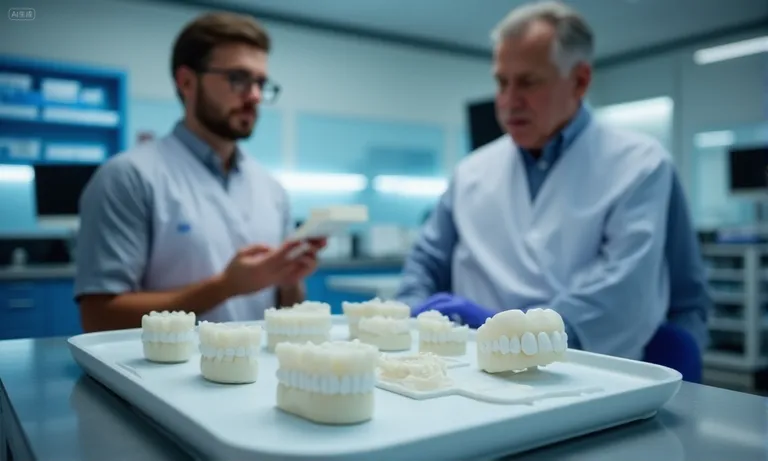
dental-lab-trial-cases-sample-restorations
Trial cases serve as low-risk calibration exercises, revealing how a lab performs before committing to larger orders.
Sample products—whether zirconia crowns or titanium abutments—are tangible evidence of technical competence. Examining margins, occlusal anatomy, and surface finish shows if the lab can achieve the precision implants demand. When paired with digital design files, samples also confirm whether CAD/CAM data is faithfully translated into restorations, avoiding costly mismatches later in production.
Speaking directly with the technical team provides confidence that the lab’s capabilities are not just advertised but embedded in daily operations.
Practical validation transforms procurement from guesswork into evidence-based decision-making. Labs willing to provide trial cases, samples, and open technician access prove they have nothing to hide and much to offer in long-term implant restoration partnerships.
Verifying a dental lab’s experience in implant restorations is not about taking claims at face value but about testing, reviewing, and confirming capabilities. By examining portfolios, technician training, system compatibility, and communication practices, procurement teams can separate truly experienced partners from general service providers. Practical steps such as trial cases and sample restorations provide evidence that builds trust. Collaborating with an overseas dental lab that combines technical expertise with transparent processes ensures fewer risks, predictable quality, and a smoother supply chain for implant restorations that consistently meet clinical and business expectations.